Anemia microcítica en España: clínica verificada para su tratamiento


Revisado médicamente por
Fahad Mawlood
¿Cuál es el precio del diagnóstico y los tratamientos de Anemia microcítica en España? Descubra ahora
Sus beneficios y garantías con Bookimed
Precios directos
Bookimed no añade cargos extra a los precios de los tratamientos de Anemia microcítica. Las tarifas proceden de las listas de precios oficiales de las clínicas. Pagará directamente en la clínica por su tratamiento a su llegada al país.
Sólo clínicas y médicos verificados
Bookimed está comprometido con su seguridad. Solo trabajamos con las clínicas que mantienen altos estándares internacionales en el tratamiento de Anemia microcítica y cuentan con las licencias necesarias para atender a pacientes internacionales en todo el mundo.
Asistencia 24/7 gratuita
Bookimed ofrece asistencia experta gratuita. Un coordinador médico personal le apoya antes, durante y después de su tratamiento, resolviendo cualquier problema. Nunca estará solo en su viaje médico de tratamiento de Anemia microcítica.

Su coordinador médico personal de Bookimed
- Le apoya en cada etapa
- Ayuda a elegir la clínica y el médico adecuados
- Asegura un acceso rápido y conveniente a la información
Descubra las mejores clínicas de tratamiento de Anemia microcítica en España: 1 opciones verificadas y Precios
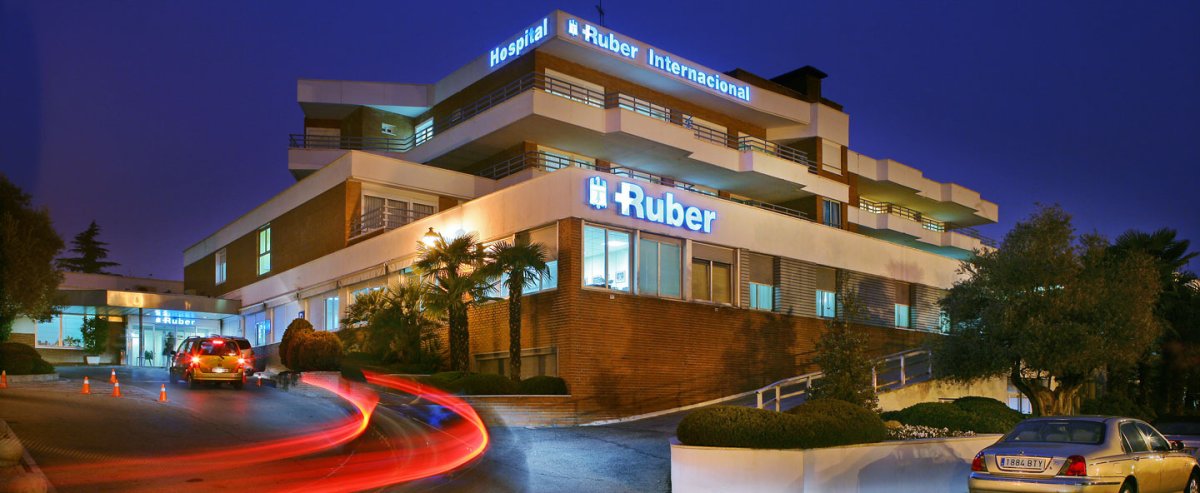


Obtenga una evaluación médica para Anemia microcítica en España: consulte con doctores experimentados ahora
Ver todos los médicos
Blanca Lopez Ibor
La Dra. Blanca López Ibor dirige la Unidad de Hematología y Oncología Pediátrica del Grupo HM, especializándose en enfermedades hematológicas y oncológicas graves en niños y adolescentes.
- Más de _doctor_683_años_ de experiencia en hematología y oncología pediátrica
- Consultora de la OMS y la UNESCO en el campo
- Dirige dos fundaciones dedicadas a mejorar la calidad del tratamiento infantil
- Miembro de la Sociedad Americana de Hematología y de la Asociación Española de Pediatría
- Profesora en la Universidad Complutense de Madrid y la Universidad CEU San Pablo
Compartir contenido
Historias en video de pacientes de Bookimed
 Olena Sikoza
Preguntas frecuentes sobre el tratamiento de Anemia microcítica en España
¿Qué significa un hallazgo de anemia microcítica en mi análisis de sangre español?
Un hallazgo de anemia microcítica en un análisis de sangre español significa que los glóbulos rojos son más pequeños de lo normal. Esto se indica mediante un VCM (Volumen Corpuscular Medio) inferior a 80 fL. Por lo general, sugiere niveles bajos de hemoglobina, que a menudo resultan de una deficiencia de hierro o rasgos genéticos heredados.
- VCM (MCV): Mide el tamaño de los glóbulos rojos. Los valores por debajo de 80 fL indican microcitosis.
- Hb (Hemoglobina): Comprueba la proteína transportadora de oxígeno. Los niveles bajos confirman la presencia de anemia.
- HCM (MCH): Mide la hemoglobina media por célula. Los valores bajos sugieren hipocromía o células pálidas.
- Causas comunes: Frecuentemente causada por deficiencia de hierro, rasgos de talasemia o enfermedades inflamatorias crónicas.
Perspectiva del experto de Bookimed: Los hematólogos españoles a menudo priorizan las pruebas de Ferritina sobre el hierro sérico para confirmar la deficiencia. En Madrid, centros acreditados por la JCI como el Hospital Ruber Internacional utilizan laboratorios de diagnóstico de alto volumen para estos exámenes. Si el VCM permanece bajo a pesar de la terapia con hierro, especialistas como la Dra. Blanca Lopez Ibor pueden investigar rasgos de talasemia comunes en las regiones mediterráneas.
Consenso de los pacientes: Los pacientes se
¿Qué pruebas de seguimiento diagnóstico específicas debo esperar?
Los hematólogos españoles utilizan pruebas de seguimiento específicas para controlar el tratamiento de la anemia microcítica. Debe esperar recuentos sanguíneos completos y pruebas de ferritina repetidos. Los médicos también verifican la saturación de hierro y los niveles de transferrina. Estos verifican si sus glóbulos rojos están volviendo a un tamaño y volumen saludables.
- Morfología sanguínea: Los especialistas examinan las formas de los glóbulos rojos utilizando microscopios avanzados.
- Monitoreo de ferritina: Esto rastrea las reservas de hierro de su cuerpo para garantizar la eficacia del tratamiento.
- Recuento de reticulocitos: Los recuentos altos indican que la médula ósea está produciendo más células.
- Saturación de transferrina: Esta prueba mide cuánto hierro se transporta realmente.
Perspectiva del experto de Bookimed: Si bien muchos se centran en los niveles básicos de hierro, los principales hematólogos españoles como la Prof. Dra. Blanca Lopez Ibor enfatizan el diagnóstico del sistema eritrocitario. En los centros acreditados por la JCI en Madrid, los especialistas priorizan el seguimiento del receptor de transferrina soluble. Este marcador específico ayuda a distinguir la deficiencia de hierro simple de la anemia más compleja relacionada con la inflamación crónica. Este detalle garantiza que su plan de tratamiento sea preciso
¿Cuáles son los principales tratamientos médicos para la anemia microcítica?
Los principales tratamientos médicos para la anemia microcítica se centran en resolver la causa subyacente. En España, los centros acreditados por la JCI tratan la deficiencia de hierro mediante suplementos orales o infusiones intravenosas. Los casos más complejos, como la talasemia o los trastornos inflamatorios, requieren transfusiones de sangre especializadas, terapia de quelación o el manejo de la enfermedad primaria.
- Reposición de hierro: Restaura los niveles minerales mediante sulfato oral o infusiones intravenosas rápidas.
- Manejo de la talasemia: Utiliza transfusiones de sangre y quelación para eliminar el exceso de hierro.
- Resolución de síntomas: Implica transfusiones de sangre para caídas agudas de hemoglobina y seguridad cardíaca.
- Terapia de enfermedades crónicas: Se centra en tratar las raíces inflamatorias con inmunosupresores o eritropoyetina.
Opinión de expertos de Bookimed: España alberga hematólogos de primer nivel como la Dra. Blanca Lopez Ibor en HM Madrid. Ella proporciona un diagnóstico especializado del sistema eritrocitario tanto para niños como para adultos. Nuestros datos muestran que los hospitales privados españoles a menudo consolidan el diagnóstico y el tratamiento en una sola visita. Esta eficiencia ayuda a los pacientes a pasar de los análisis de sangre a las infusiones en 24 horas.
Consenso
¿Debo consultar a un médico general o a un hematólogo?
Comience con un médico general para un cribado inicial de anemia microcítica en España. Los médicos de cabecera solicitan hemogramas completos para comprobar la hemoglobina y el Volumen Corpuscular Medio. Necesita un hematólogo si la anemia persiste después de la terapia con hierro o si los análisis sugieren trastornos sanguíneos complejos.
- Cribado inicial: Los médicos generales evalúan la fatiga y solicitan análisis de sangre estándar y estudios de hierro.
- Derivación a especialistas: Los hematólogos tratan enfermedades graves, crónicas o hereditarias como la talasemia o la anemia falciforme.
- Estándares clínicos españoles: Centros importantes como el Hospital Ruber Internacional mantienen certificaciones de seguridad JCI e ISO.
- Consulta de expertos: Especialistas como la Dra. Blanca Lopez Ibor tratan trastornos complejos de eritrocitos y mieloides.
Perspectiva de expertos de Bookimed: Los centros de salud españoles como el Hospital Ruber Internacional gestionan más de 90.000 consultas al año. Los datos muestran que las mejores unidades de hematología suelen estar integradas en grandes hospitales multidisciplinares. Esto permite a los pacientes someterse a una resonancia magnética de 3 Teslas o a biopsias de médula ósea en un mismo lugar. Si su médico de cabecera identifica una falta de respuesta al hierro, acudir a estos centros de gran
¿Cubre el tratamiento la seguridad social (Seguridad Social)?
El seguro médico público de España cubre el tratamiento de la anemia microcítica cuando es médicamente necesario. El Sistema Nacional de Salud (SNS) financia la atención primaria, las derivaciones a especialistas y los análisis de sangre de diagnóstico. Los residentes registrados acceden a estos servicios en centros de salud públicos y hospitales sin pagos médicos por adelantado.
- Pruebas de diagnóstico: Los estudios de hierro y las pruebas de hemoglobina solicitados por el médico de cabecera están cubiertos al 100 %.
- Atención especializada: Las derivaciones a hematología y las hospitalizaciones no implican costes directos para el paciente.
- Medicamentos recetados: Los suplementos de hierro ambulatorios requieren copagos basados en los ingresos del 10% al 60%.
- Tratamiento de urgencia: Todas las complicaciones agudas de la anemia se atienden de forma gratuita en los hospitales públicos.
Opinión del experto de Bookimed: El volumen de pacientes afecta a la rapidez del diagnóstico en el sector público. Las clínicas de Madrid, como el Hospital Ruber Internacional, atienden más de 93.000 consultas al año. Aunque el seguro público cubre lo esencial, buscar especialistas como la Dra. Blanca López Ibor en centros privados garantiza un acceso más rápido a un diagnóstico avanzado del sistema eritrocitario.
Consenso de los pacientes:
¿Cuánto tiempo tarda en hacer efecto el tratamiento para la anemia microcítica?
Los pacientes suelen informar de un alivio inicial de los síntomas en un plazo de 1 a 2 semanas. La médula ósea comienza a producir nuevos glóbulos rojos en un plazo de 7 días. La corrección completa de los niveles de hemoglobina lleva 2 meses. La reconstrucción de las reservas de hierro del cuerpo suele requerir de 3 a 6 meses de terapia continua.
- Respuesta de reticulocitos: La producción de nuevos glóbulos rojos comienza en un plazo de 3 a 7 días.
- Mejora de los síntomas: Los niveles de energía suelen empezar a aumentar después de 10 a 14 días.
- Normalización de la hemoglobina: Los recuentos sanguíneos suelen alcanzar los rangos estándar en 8 semanas.
- Reposición de reservas: Los niveles de ferritina requieren hasta 6 meses para normalizarse por completo.
Perspectiva del experto de Bookimed: Los centros españoles como el Hospital Ruber Internacional combinan diagnósticos acreditados por la JCI con unidades de hematología especializadas. Especialistas experimentados como la Dra. Blanca López Ibor se centran en trastornos eritrocitarios complejos. Los datos muestran que las unidades de hematología pediátrica y de adultos en Madrid utilizan protocolos de diagnóstico altamente específicos. Esto garantiza que el tratamiento aborde la causa raíz en lugar de solo los síntomas.
Consenso de los pacientes: Los pacientes señ
¿Con qué frecuencia necesitaré análisis de sangre de seguimiento en España?
Los pacientes que reciben tratamiento para la anemia microcítica en España suelen someterse a análisis de sangre de seguimiento cada 2 a 8 semanas al principio. Este calendario permite a los hematólogos controlar la respuesta de la hemoglobina y la reposición de hierro. Los pacientes estables suelen pasar a realizarse pruebas cada 3 a 6 meses para garantizar un mantenimiento a largo plazo en centros acreditados por la JCI.
- Control temprano: Espere pruebas cada 2 a 8 semanas después de comenzar la terapia con hierro.
- Fase de estabilización: Las pruebas suelen pasar a realizarse cada 3 a 6 meses una vez que los niveles mejoran.
- Respuesta a los síntomas: La fatiga o los mareos persistentes pueden provocar análisis de sangre inmediatos y no programados.
- Paneles completos: Los seguimientos a menudo incluyen ferritina y saturación de transferrina, no solo hemoglobina.
Perspectiva del experto de Bookimed: Mientras que los sistemas públicos siguen las necesidades clínicas básicas, los centros privados de Madrid como el Hospital Ruber Internacional ofrecen un control más frecuente. Especialistas como la Dra. Blanca Lopez Ibor en HM Madrid ofrecen exámenes hematológicos avanzados para casos crónicos. Estas clínicas privadas permiten realizar análisis de sangre el mismo día directamente a través del consultorio del especialista. Esto ahorra un tie