Centro Médico Teknon
España, Barcelona
Bartolome Oliver
50 años de experiencia • 280+ tratamientos realizados

acreditaciones : 

Clínica certificada por : 




Revisado médicamente por
Fahad Mawlood
| España | Turquía | México | |
|---|---|---|---|
| Ultrasonido Focalizado Guiado por Resonancia Magnética (MRgFUS) | de $29,700 | de $15,800 | de $5,500 |
| Tratamiento con medicamentos para la enfermedad de Parkinson | de $2,200 | de $100 | ≈ $1,800 |
| Terapia con células madre pluripotentes inducidas | ≈ $9,000 | ≈ $6,500 | de $5,000 |
| Terapia con células madre para la enfermedad de Parkinson | ≈ $30,000 | de $12,000 | de $6,300 |
| Cirugía de estimulación cerebral profunda (DBS) | de $64,800 | de $22,100 | ≈ $32,000 |

Más de _doctor_1728_años_ de trabajo pionero en cirugía, centrado en la precisión con planificación y simulación virtual 3D avanzada.
50 años de experiencia en neurocirugía avanzada – El Dr. Oliver es pionero en cirugía robótica de columna y dirige el Centro de Tumores Cerebrales en Centro Médico Teknon.

El doctor tiene un título médico de la Universidad de Barcelona y completó una especialización en neurocirugía en el Hospital Universitario de Bellvitge. Con un enfoque extenso en tumores cerebrales y de la médula espinal, neurocirugía vascular y tratamientos neuroquirúrgicos para la epilepsia, la enfermedad de Parkinson y los trastornos mentales, el doctor tiene una experiencia significativa en cirugías que involucran áreas altamente funcionales y el tronco cerebral. El doctor ha contribuido

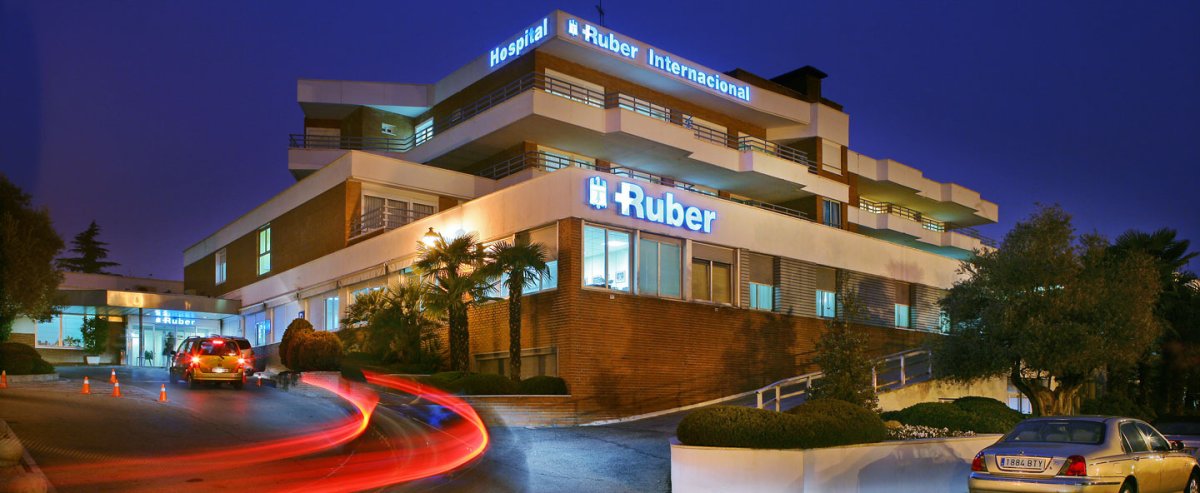
Más de _doctor_9081_años_ de especialización en neurocirugía funcional – El Dr. Martínez Álvarez dirige el Departamento de Neurocirugía Funcional y Radiocirugía del Hospital Ruber Internacional.

Escrito por Veronika Kazina

Escrito por Veronika Kazina
 Olena Sikoza
España ofrece una amplia gama de tratamientos para la enfermedad de Parkinson, que incluyen terapia farmacológica, estimulación cerebral profunda (ECP) y ultrasonido focalizado guiado por resonancia magnética (MRgFUS) no invasivo. Los pacientes reciben atención especializada en centros acreditados por la JCI en Barcelona y Madrid, donde los neurólogos utilizan resonancia magnética intraoperatoria de 3T y sistemas robóticos para lograr una precisión neuroquirúrgica excepcional.
Opinión de expertos de Bookimed: El volumen de casos clínicos es un indicador importante de calidad en España. Por ejemplo, el Dr. Bartolomé Oliver, del Centro Médico Teknon, ha realizado más de 1100 procedimientos de estimulación cerebral profunda (DBS). Eleg
España alberga varios centros de renombre internacional para el tratamiento quirúrgico de la enfermedad de Parkinson, entre ellos el Centro Médico Teknon y la Clínica Universidad de Navarra. Estas instituciones están acreditadas por la Joint Commission International (JCI) y se especializan en estimulación cerebral profunda (ECP) y ultrasonido focalizado por resonancia magnética (MRgFUS) para el tratamiento de trastornos del movimiento.
Opinión de expertos de Bookimed: Si bien muchos buscan la tecnología más avanzada, el volumen de intervenciones de un cirujano es un indicador clave de calidad en España. El Dr. Bartolomé Oliver, del Centro Médico Teknon, realiza más de 200 inte
Los ensayos clínicos para tratamientos de la enfermedad de Parkinson en España están abiertos a pacientes internacionales que cumplan ciertos criterios médicos. La participación suele ser gratuita si se cumplen los requisitos. Instituciones como Quirónsalud Madrid y HM Madrid llevan a cabo activamente investigaciones. Los solicitantes generalmente deben someterse a exámenes neurológicos rigurosos y a evaluaciones de la gravedad de los síntomas.
Opinión experta de Bookimed: España es un centro de investigación europeo donde los pacientes pueden acceder a terapias de vanguardia de forma gratuita. Clínicas como Quirónsalud Madrid mencionan específicamente el tratamiento gratuito para quienes cumplen los criterios para la investigación en enfermedades neurodegenerativas. Si bien la atención médica está c
La rehabilitación de la enfermedad de Parkinson en España integra unidades hospitalarias especializadas con apoyo comunitario. Los pacientes tienen acceso a una atención multidisciplinar que incluye fisioterapia, logopedia y terapia ocupacional. Centros líderes como el Centro Médico Teknon y el Hospital HM Nou Delfos colaboran con el Instituto Guttmann para perfeccionar los protocolos de neurorrehabilitación.
Opinión experta de Bookimed: Los pacientes que buscan el máximo nivel de especialización deben acudir a cirujanos con un historial de procedimientos específicos. Por ejemplo, el Dr. Bartolomé Oliver, del Centro Médico Teknon, ha realizado más de 1100 procedimientos de estimulación cerebral profunda (DBS). Un volumen tan elevado suele estar relacionado con una mayor precisión en la colocación del neuroestimulado
La estimulación cerebral profunda (ECP) consiste en implantar quirúrgicamente electrodos en el cerebro para regular las señales anómalas. La resonancia magnética (RM) utiliza ondas sonoras para crear una lesión precisa sin incisiones. La ECP requiere una hospitalización de 2 a 5 días. La RM suele ser un procedimiento ambulatorio con alta el mismo día.
Opinión experta de Bookimed: Los datos de los principales centros españoles, como el Centro Médico Teknon, muestran diferencias significativas en la infraestructura de recuperación. Si bien algunos protocolos básicos de estimulación cerebral profunda (DBS) requiere
Los pacientes que viajan a España para someterse a una cirugía por la enfermedad de Parkinson deben presentar un historial neurológico completo. Este incluye una resonancia magnética cerebral con contraste y los resultados de análisis de sangre recientes. Los especialistas en trastornos del movimiento, como el profesor Dr. Bartolomé Oliver del Centro Médico Teknon, también requieren un electrocardiograma (ECG) para evaluar eficazmente los riesgos quirúrgicos y anestésicos.
Opinión experta de Bookimed: Datos del Centro Médico Teknon muestran que neurocirujanos de renombre, como el Prof. Dr. Bartolomé Oliver, han realizado más de 1100 procedimientos de estimulación cerebral profunda. Este alto volumen implica que sus equipos quirúrgicos cuentan con protocolos preoperatorios estandarizados. El precio del paquete, de aproximadamente
Los centros de cirugía de Parkinson en España cumplen con estrictos estándares médicos nacionales y homologaciones regionales. Las instituciones deben obtener la acreditación CSUR para el tratamiento de trastornos complejos del movimiento, lo que garantiza un alto volumen de intervenciones quirúrgicas. Muchos centros líderes están acreditados por la Joint Commission International, lo que confirma su conformidad con los estándares globales de seguridad y organización.
Opinión experta de Bookimed: Si bien los estándares nacionales son altos, el indicador más fiable de seguridad es el volumen de procedimientos realizados por el cirujano. El Prof. Dr. Bartolomé Oliver, del Centro de Servicios Médicos Teknon, ha realizado más de 1100 procedimientos de estimulación cerebral profunda. Los centros con más d