Enfermedad de Parkinson Tratamiento en Estados Unidos — Costos 2026


Revisado médicamente por
Fahad Mawlood
¿Cuál es el precio del diagnóstico y los tratamientos de Enfermedad de Parkinson en Estados Unidos? Descubra ahora
El costo del tratamiento de la enfermedad de Parkinson en los Estados Unidos de América generalmente incluye pasos de diagnóstico iniciales, como una consulta con un neurólogo, que oscila entre $450 y $750. Las intervenciones quirúrgicas como la cirugía de estimulación cerebral profunda (DBS) van desde $65,000 hasta $110,000, mientras que el ultrasonido focalizado guiado por resonancia magnética cuesta entre $14,500 y $20,000. Los gastos totales dependen de la etapa de la enfermedad y de la atención especializada requerida. Los principales centros médicos para el tratamiento incluyen Baltimore, Nueva York y Princeton.
Costos típicos del tratamiento de la enfermedad de Parkinson en los Estados Unidos de América
- Consulta con un neurólogo: $450 – $750
- Resonancia magnética cerebral con contraste: $900 – $2,600
- Diagnóstico complejo de la enfermedad de Parkinson: Precio a consultar
- Cirugía de estimulación cerebral profunda (DBS): $65,000 – $110,000
- Ultrasonido focalizado guiado por resonancia magnética (MRgFUS): $14,500 – $20,000
- Tratamiento farmacológico para la enfermedad de Parkinson: $2,800 – $6,000
- Terapia con células madre para la enfermedad de Parkinson: $20,000 – $45,000
- Consulta con un neurocirujano: de $320
- Eletroneurografía: $420 – $1,100
- EEG de sueño: $900 – $2,000
Perspectiva de expertos de Bookimed: Para casos complejos, los hospitales universitarios multidisciplinarios ofrecen la mayor precisión diagnóstica. El Hospital Johns Hopkins es una opción de primer nivel. Atrae a pacientes de 49 estados por su experiencia integrada en la facultad de medicina. Los pacientes que buscan atención de primer nivel en el noreste deben considerar el Hospital Princeton en Plainsboro. Está clasificado entre el 5% de los mejores hospitales de EE. UU. Estas instituciones brindan atención coordinada en las especialidades de neurología y neurocirugía.
| Estados Unidos | España | Turquía | |
|---|---|---|---|
| Ultrasonido Focalizado Guiado por Resonancia Magnética (MRgFUS) | ≈ $14,500 | de $29,700 | de $15,800 |
| Tratamiento con medicamentos para la enfermedad de Parkinson | ≈ $2,800 | de $2,200 | de $100 |
| Terapia con células madre pluripotentes inducidas | ≈ $15,000 | ≈ $9,000 | ≈ $6,500 |
| Terapia con células madre para la enfermedad de Parkinson | ≈ $20,000 | ≈ $30,000 | de $12,000 |
| Cirugía de estimulación cerebral profunda (DBS) | ≈ $65,000 | de $64,600 | de $22,100 |
Sus beneficios y garantías con Bookimed
Precios directos
Bookimed no añade cargos extra a los precios de los tratamientos de Enfermedad de Parkinson. Las tarifas proceden de las listas de precios oficiales de las clínicas. Pagará directamente en la clínica por su tratamiento a su llegada al país.
Sólo clínicas y médicos verificados
Bookimed está comprometido con su seguridad. Solo trabajamos con las clínicas que mantienen altos estándares internacionales en el tratamiento de Enfermedad de Parkinson y cuentan con las licencias necesarias para atender a pacientes internacionales en todo el mundo.
Asistencia 24/7 gratuita
Bookimed ofrece asistencia experta gratuita. Un coordinador médico personal le apoya antes, durante y después de su tratamiento, resolviendo cualquier problema. Nunca estará solo en su viaje médico de tratamiento de Enfermedad de Parkinson.

Su coordinador médico personal de Bookimed
- Le apoya en cada etapa
- Ayuda a elegir la clínica y el médico adecuados
- Asegura un acceso rápido y conveniente a la información
Descubra las mejores clínicas de tratamiento de Enfermedad de Parkinson en Estados Unidos: 4 opciones verificadas y Precios
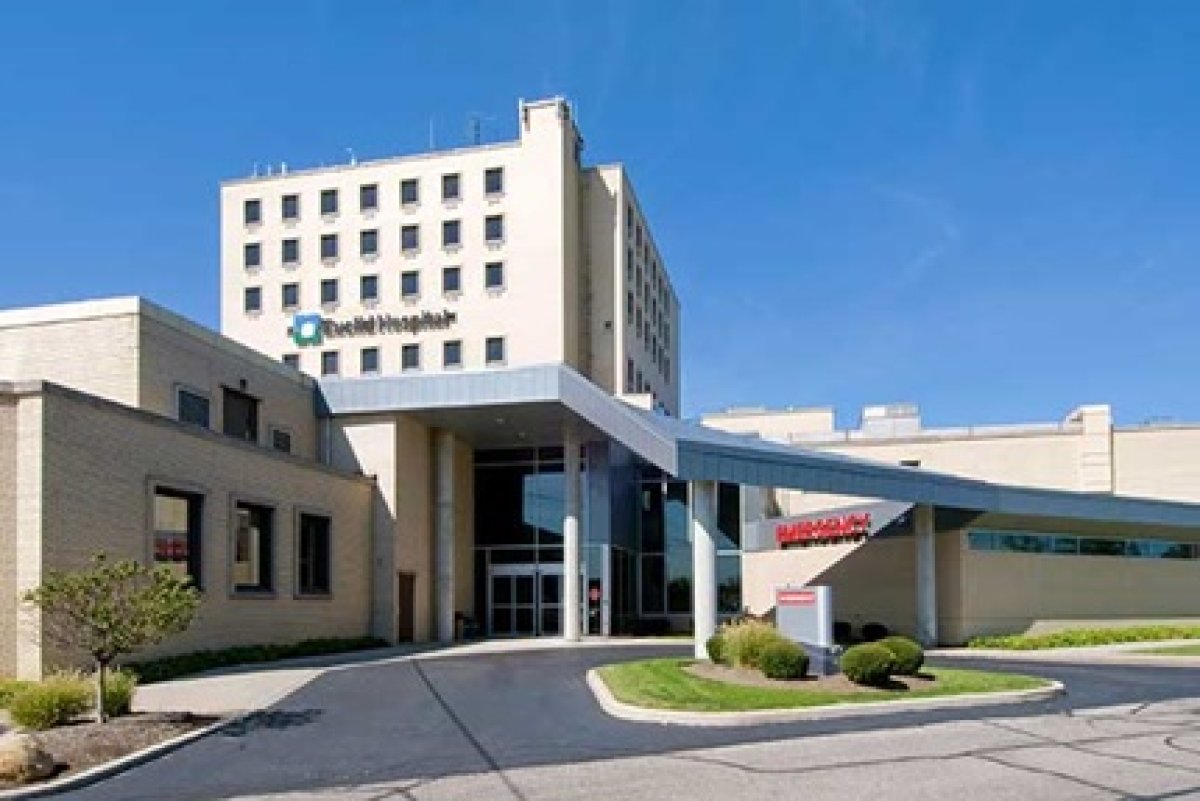





Princeton Hospital at Plainsboro

Johns Hopkins Hospital

Memorial Sloan Kettering Cancer Center
Obtenga una evaluación médica para Enfermedad de Parkinson en Estados Unidos: consulte con doctores experimentados ahora
Ver todos los médicos
Rafael Cruz
Artículos relacionados

¿Cuánto cuesta DBS en 2025?
Escrito por Veronika Kazina

Costo de estimulación cerebral profunda
Escrito por Veronika Kazina
Compartir contenido
Historias en video de pacientes de Bookimed
 Olena Sikoza
Preguntas frecuentes sobre el tratamiento de Enfermedad de Parkinson en Estados Unidos
¿Existe una cura para la enfermedad de Parkinson en los EE. UU.?
No existe una cura definitiva para la enfermedad de Parkinson en los EE. UU. a partir de 2026. Los centros especializados se centran en el manejo de la neurodegeneración a través de terapias avanzadas. Los tratamientos aprobados por la FDA, como la estimulación cerebral profunda y el ultrasonido focalizado bilateral, controlan con éxito los síntomas motores. Estos procedimientos mejoran significativamente la calidad de vida.
- Cirugías disponibles: Estimulación cerebral profunda (DBS) y ultrasonido focalizado guiado por resonancia magnética no invasivo.
- Manejo de síntomas: La carbidopa-levodopa sigue siendo el estándar de oro para restaurar los niveles de dopamina.
- Investigación experimental: Los ensayos de fase 3 investigan neuronas derivadas de células madre para reemplazar las células dañadas.
- Instalaciones especializadas: La atención multidisciplinaria está disponible en instituciones como el Hospital Johns Hopkins.
Perspectiva del experto de Bookimed: Los centros médicos de EE. UU. como el Hospital Johns Hopkins atraen a pacientes de 49 estados. Su alto volumen crea una ventaja de datos significativa para la medicina personalizada. Si bien muchos buscan células madre experimentales, concéntrese primero en la DBS adaptativa aprobada por la FDA. Estos sistemas de circuito cerrado se ajustan a la actividad cerebral en tiempo real para u
¿Cuál es el medicamento estándar de oro para tratar los síntomas motores?
La levodopa combinada con carbidopa sigue siendo el medicamento estándar de oro para los síntomas motores del Parkinson. Este precursor de la dopamina atraviesa eficazmente la barrera hematoencefálica. Repone los niveles agotados de dopamina para mejorar el movimiento. El rendimiento es mayor para la lentitud, la rigidez y los temblores. Centros estadounidenses especializados como el Johns Hopkins Hospital ofrecen estas terapias farmacológicas avanzadas.
- Eficacia sistémica: Proporciona la mayor mejora de la función motora en comparación con otras terapias.
- Objetivos de los síntomas: Tratamiento principal para la bradicinesia, la rigidez muscular y los temblores involuntarios.
- Variedad de formulaciones: Las opciones incluyen tabletas orales, cápsulas de liberación prolongada e infusiones de gel intestinal.
- Gestión a largo plazo: La mayoría de los pacientes experimentan una alta eficacia durante 5 a 10 años.
Perspectiva de expertos de Bookimed: Los datos clínicos muestran una tendencia en la que los hospitales estadounidenses clasificados en el 5% superior por HealthGrades, como el Princeton Hospital en Plainsboro, priorizan los diagnósticos multidisciplinarios. Estos centros a menudo utilizan pruebas de vigilia EEG y resonancia magnética cerebral con contraste antes de recetar levodopa. Esto asegura que los síntomas motores no estén ocul
¿Qué tratamientos aprobados por la FDA han estado disponibles en 2024–2025?
Los tratamientos para la enfermedad de Parkinson aprobados por la FDA en 2024–2025 incluyen Vyalev, una bomba de infusión subcutánea de levodopa/carbidopa aprobada en octubre de 2024. Este sistema proporciona una administración continua de 24 horas para reducir las fluctuaciones motoras. La tecnología de estimulación cerebral profunda adaptativa (aDBS) también recibió una autorización ampliada para un uso clínico más amplio.
- Infusión subcutánea: Vyalev reemplaza los medicamentos orales diurnos con una bomba continua de 24 horas.
- Control motor: La infusión continua puede reducir el tiempo «off» diario en aproximadamente un 50 %.
- DBS adaptativa: El sistema Percept PC de Medtronic con BrainSense ajusta automáticamente la estimulación según las señales cerebrales.
- Beneficios de movilidad: Los datos clínicos muestran que la aDBS puede proporcionar de 2 a 3 horas adicionales de tiempo «on».
Opinión de expertos de Bookimed: El acceso de los pacientes a estas terapias de alta tecnología depende en gran medida del volumen de pacientes del centro, más que de la simple proximidad. Los centros académicos líderes como el Johns Hopkins Hospital o el Princeton Hospital en Plainsboro están mejor equipados para manejar las complejas autorizaciones de seguro requeridas para las nuevas bombas de infusión. Seleccionar un centro de alto volumen para la DBS
¿Cuándo se recomienda la estimulación cerebral profunda (ECP)?
La estimulación cerebral profunda se recomienda para la enfermedad de Parkinson cuando los medicamentos no logran controlar las fluctuaciones motoras o causan efectos secundarios graves. Los candidatos suelen tener un historial de diagnóstico de 4 años. El procedimiento trata eficazmente los temblores incapacitantes y la discinesia inducida por levodopa, requiriendo una respuesta positiva a la levodopa.
- Criterios diagnósticos: Los pacientes deben mostrar una mejora significativa al tomar levodopa durante las pruebas clínicas.
- Salud cognitiva: Los candidatos requieren memoria y pensamiento intactos. La ECP puede empeorar la demencia existente.
- Síntomas motores: Trata los movimientos involuntarios, la rigidez y los temblores que dificultan la vida diaria.
- Preparación médica: La evaluación incluye una resonancia magnética cerebral para asegurar que no haya una enfermedad cerebrovascular significativa.
Perspectiva de expertos de Bookimed: Los principales centros de EE. UU., como el Johns Hopkins Hospital, atraen a pacientes de 49 estados debido a su experiencia especializada. Los datos muestran que los resultados exitosos dependen de un mapeo prequirúrgico detallado. Esto a menudo requiere diagnósticos complejos como transiciones de vigilia a sueño mediante EEG y potenciales evocados visuales para asegurar una colocación precisa de los elec
¿Qué terapias modificadoras de la enfermedad se encuentran en ensayos clínicos en EE. UU.?
Los ensayos clínicos actuales en EE. UU. para la enfermedad de Parkinson se centran en la agregación de alfa-sinucleína, la neuroinflamación y las vías metabólicas. Las terapias de investigación clave incluyen Prasinezumab, Buntanetap y activadores del receptor GLP-1 como Exenatida. Estas estrategias modificadoras de la enfermedad tienen como objetivo ralentizar la neurodegeneración en lugar de solo controlar los síntomas motores.
- Objetivos de alfa-sinucleína: Prasinezumab y Buntanetap tienen como objetivo prevenir la propagación de proteínas tóxicas.
- Activadores de GLP-1: Lixisenatida y Exenatida muestran potencial para reducir la discapacidad motora.
- Inhibidores de NLRP3: Medicamentos como VTX3232 se dirigen a la neuroinflamación para preservar la función cerebral.
- Vía LRRK2: Los inhibidores de quinasa como IkT-148009 abordan los impulsores genéticos de la progresión.
Perspectiva del experto de Bookimed: Los ensayos clínicos en EE. UU. se están desplazando hacia la estadificación biológica en lugar de solo los síntomas físicos. Centros académicos como el Johns Hopkins Hospital se especializan en estos ensayos para casos complejos. Los pacientes deben tener en cuenta que, si bien los ensayos de medicamentos pueden costar entre 4.500 y 8.500 dólares, los ensayos de células madre o quirúrgicos implican compromisos de recursos significati
¿Cómo puedo localizar a un especialista calificado en Parkinson en los EE. UU.?
Localice a un especialista calificado en Parkinson buscando a un especialista en trastornos del movimiento (MDS, por sus siglas en inglés) con formación de subespecialidad (fellowship). Estos neurólogos completan dos años adicionales de formación específica en la enfermedad de Parkinson. Organizaciones nacionales como la Parkinson Foundation y la International Parkinson and Movement Disorder Society ofrecen directorios de especialistas verificados.
- Verificación de certificación: Asegúrese de que su neurólogo haya completado una subespecialidad específica en trastornos del movimiento.
- Centros académicos: Instituciones como el Johns Hopkins Hospital en Maryland ofrecen atención multidisciplinaria integral.
- Estatus del centro: Priorice las instalaciones designadas como Centros de Excelencia por la Parkinson Foundation.
- Referencia primaria: Solicite una referencia directa de su médico de cabecera a un MDS dentro de su red de seguros.
Perspectiva del experto de Bookimed: Los mejores hospitales de EE. UU., como Johns Hopkins, atienden a pacientes de 49 estados anualmente. Este alto volumen sugiere que manejan casos complejos que los neurólogos locales rara vez ven. Al elegir una clínica, busque aquellas que pertenezcan al Council of Teaching Hospital and Health Systems (COTH) para garantizar el acceso a la estimulación cerebral profunda (DBS)