Tratamiento de Enfermedad de Peyronie en España — obtenga 3 coincidencias personalizadas de clínicas


Revisado médicamente por
Fahad Mawlood
Cómo funciona
¿Cuál es el precio del diagnóstico y los tratamientos de Enfermedad de Peyronie en España? Descubra ahora
El costo del tratamiento para la enfermedad de Peyronie en España varía dependiendo del plan de tratamiento seleccionado. Una consulta inicial típicamente cuesta alrededor de 300 €, mientras que las pruebas diagnósticas como ecografías o resonancias magnéticas oscilan entre 420 € y 700 €. Los tratamientos no quirúrgicos, que incluyen medicamentos orales y terapia de ondas de choque, están disponibles. Las opciones quirúrgicas, como la escisión de la placa y el injerto, varían de 4.300 € a 7.700 €. Las consultas en algunos hospitales son aproximadamente 230 €, con inyecciones intralesionales a partir de 1.650 € y correcciones quirúrgicas que oscilan entre 8.400 € y 9.300 €. El plan de tratamiento se personaliza tras una evaluación integral de la condición del paciente.
| España | Turquía | México | |
|---|---|---|---|
| Corrección de la curvatura del pene (tratamiento quirúrgico de la enfermedad de Peyronie) | de $9,000 | de $4,800 | de $5,900 |
Descubra las mejores clínicas de tratamiento de Enfermedad de Peyronie en España: 5 opciones verificadas y Precios





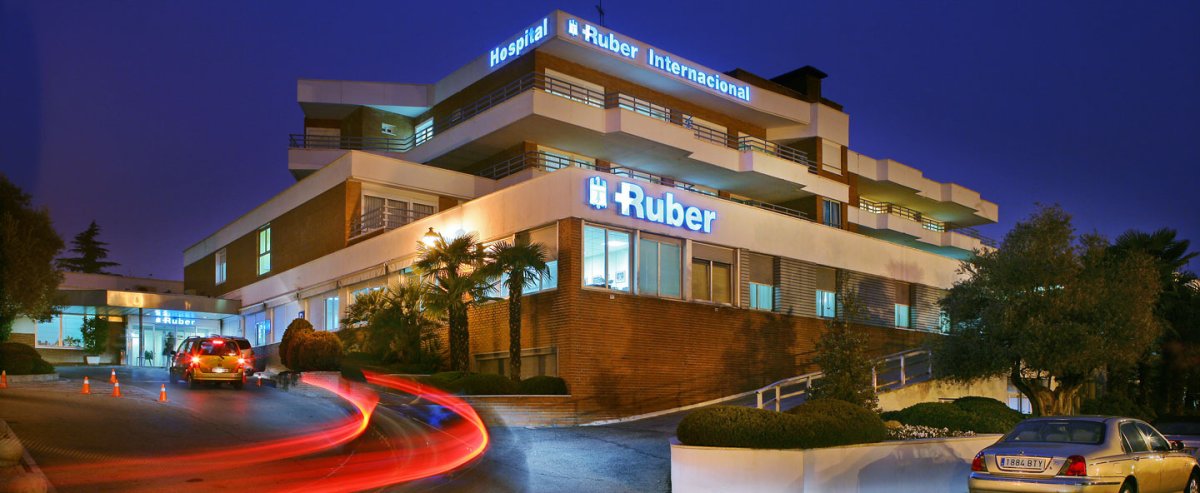




Obtenga una evaluación médica de tratamiento de Enfermedad de Peyronie en España: haga una consulta con 7 médicos experimentados ahora
Ver todos los médicos
Antonio Alcaraz
El Dr. Antonio Alcaraz ha realizado más de 500 cirugías urogenitales exitosas, especializándose en técnicas mínimamente invasivas y procedimientos asistidos por robot.
- 38 años de experiencia en urología y uro-oncología
- Dirige el Departamento de Urología y trasplante renal en el Centro Médico Teknon
- Experto en el sistema robótico Da Vinci para cirugías urológicas
- Miembro de la Confederación Americana de Urología y de la Sociedad Europea de Urología

Josep Torremade Barreda
Jefe de Andrología en dos hospitales líderes: el Dr. Torremade se especializa exclusivamente en problemas de salud reproductiva y sexual masculina.
- _doctor_8195_años_ de enfoque en andrología y urología
- Formado en el Memorial Sloan Kettering Cancer Center de Nueva York
- Editor del International Journal of Andrology
- Miembro del Comité Europeo de Medicina Sexual

Antonio Alcaraz Asensio
El doctor es un urólogo y uro-oncólogo altamente distinguido, especializado en tratamientos quirúrgicos complejos para el cáncer de próstata, riñón y vejiga. Con una amplia experiencia en cirugía robótica y laparoscópica, el doctor ha sido fundamental en el avance de las técnicas urológicas mínimamente invasivas, incluida la implementación del sistema robótico Da Vinci. Actualmente, el doctor dirige el Departamento de Urología en el Centro Médico Teknon y es Jefe del Departamento de Urología

Navarro Vilches
Más de 900 procedimientos urológicos realizados – El Dr. Navarro Vilches dirige la Unidad de Urología en el Hospital Quirónsalud Marbella.
- _doctor_8302_años_ de experiencia en urología
- Formado en el Memorial Sloan-Kettering Cancer Centre de Nueva York
- Especializado en cirugía urológica masculina y afecciones del tracto urinario
- Cofundador del Instituto de Cirugía Urológica de Málaga
- Autor de múltiples artículos sobre patologías urológicas
Compartir contenido
Historias en video de pacientes de Bookimed
 Olena Sikoza
Preguntas frecuentes sobre el tratamiento de Enfermedad de Peyronie en España
¿Es segura la cirugía de Peyronie en España y es realizada por especialistas certificados?
La cirugía de Peyronie en España es segura y es realizada por urólogos altamente cualificados en centros acreditados por la JCI. Los especialistas a menudo poseen la certificación del European Board of Urology (FEBU). Hospitales como Quiron Barcelona y Ruber Internacional siguen estrictos protocolos de seguridad de la Unión Europea. Las tasas de éxito en la corrección de la curvatura alcanzan el 85%.
- Credenciales de los especialistas: Los cirujanos a menudo poseen becas del European Board of Urology.
- Experiencia clínica: Expertos líderes como el Dr. Antonio Allona tienen más de 40 años de experiencia.
- Técnicas avanzadas: Los centros ofrecen injertos y plicaturas especializados para una corrección anatómica precisa.
- Estándares de acreditación: Los centros principales mantienen certificaciones de seguridad de la Joint Commission International (JCI) o ISO.
Perspectiva del experto de Bookimed: El análisis de los principales centros españoles muestra una tendencia donde las tasas de éxito más altas se encuentran con directores que también lideran grupos de investigación. Por ejemplo, el Dr. Javier Romero Otero combina la práctica clínica en HM Sanchinarro con el liderazgo en I+D en salud masculina. Este doble rol a menudo indica que un cirujano está actualizado en las últimas técnicas microquirúrgicas que ayudan a preservar la función erécti
¿Qué técnicas quirúrgicas están disponibles en España para corregir la curvatura peneana?
Los urólogos españoles corrigen la curvatura peneana mediante plicatura, injertos e implantación de prótesis. Los cirujanos suelen elegir la plicatura para curvas moderadas de menos de 60 grados. Los casos graves requieren injertos para preservar la longitud. Centros como el Hospital Universitario HM Sanchinarro y el Hospital Quirón Barcelona ofrecen estos procedimientos andrológicos reconstructivos avanzados.
- Técnicas de plicatura: Los métodos basados en suturas como Nesbit o 16-DOT enderezan el pene acortando un lado.
- Procedimientos de injerto: Los cirujanos utilizan TachoSil o vellón de colágeno para rellenar huecos en curvas graves de 60 grados.
- Implantes peneanos: Esta solución trata la curvatura combinada con disfunción eréctil grave para lograr rigidez funcional.
- Especialistas expertos: El Dr. Antonio Allona en el Hospital Ruber Internacional cuenta con más de 40 años de experiencia.
Perspectiva del experto de Bookimed: Los datos muestran una alta concentración de experiencia reconstructiva en Madrid y Barcelona. El Dr. Javier Romero Otero dirige un grupo de I+D dedicado a la salud masculina. Los pacientes deben priorizar estos centros activos en investigación. Los cirujanos aquí a menudo combinan la investigación académica con la práctica clínica. Esto garantiza el acceso a los materiales de injerto más recientes y a protocolos
¿Cuáles son los principales riesgos y complicaciones de la cirugía de Peyronie en España?
La cirugía de Peyronie en España conlleva riesgos como el acortamiento del pene, la disfunción eréctil y cambios sensoriales. Si bien los centros especializados acreditados por la JCI en Madrid y Barcelona mantienen altas tasas de éxito, los pacientes deben sopesar esto frente a posibles cambios funcionales. Los resultados dependen en gran medida de la técnica quirúrgica específica elegida para la corrección de la curvatura.
- Acortamiento del pene: Es más común después de la plicatura, lo que suele implicar una pérdida de 0,5 cm a 1,5 cm.
- Disfunción eréctil: Los procedimientos de injerto conllevan un mayor riesgo, afectando del 5% al 53% de los pacientes.
- Pérdida de sensibilidad: El entumecimiento del glande ocurre en el 4% al 21% de los casos de injerto debido a la manipulación de los nervios.
- Tasa de recurrencia: La curvatura puede regresar en el 8% al 11% de los pacientes después de la reparación quirúrgica primaria.
- Complicaciones del dispositivo: Los implantes de pene enfrentan un riesgo de infección del 1% al 8% o una posible falla mecánica.
Perspectiva del experto de Bookimed: Aunque muchos se centran en la cirugía en sí, nuestros datos muestran que seleccionar a un especialista con gran volumen de casos es el factor más crítico para minimizar las complicaciones. En España, vemos una concentración de expe
¿Cuánto tiempo es la estancia recomendada en España después de una cirugía de Peyronie y cuándo puedo volar a casa?
Los pacientes deben planear permanecer en España de 7 a 14 días después de la cirugía. La mayoría de los cirujanos autorizan vuelos cortos después de 3 a 5 días. Para viajes de larga distancia, es necesario esperar al menos 10 días para prevenir coágulos sanguíneos. Los viajes requieren la autorización personal del urólogo.
- Recuperación inicial: Permanezca cerca de la clínica durante 48 horas para aplicar hielo y monitoreo.
- Primer seguimiento: Los cirujanos suelen revisar el sitio quirúrgico dentro de 1 a 2 días.
- Cronograma de vuelo: Los vuelos de corta distancia son posibles después de 5 días si la hinchazón es mínima.
- Prevención de TVP: Los viajeros de larga distancia deben esperar 10 días y usar medias de compresión.
Perspectiva de expertos de Bookimed: Los datos de centros españoles de primer nivel como el Hospital Universitario HM Sanchinarro y Quironsalud Madrid muestran un gran enfoque en la urología reconstructiva. El Dr. Antonio Allona del Hospital Ruber Internacional aporta más de 40 años de experiencia en casos complejos. Los pacientes a menudo eligen Madrid o Barcelona para estos procedimientos especializados debido a la alta densidad de instalaciones acreditadas por la JCI y sistemas de cirugía robótica. Aunque la base sugiere 3 días, nuestras conexiones clínicas indican que los especialistas a menudo prefieren una semana c
¿Qué ciudades u hospitales en España tienen la mayor concentración de especialistas en la enfermedad de Peyronie?
Madrid y Barcelona albergan la mayor concentración de unidades especializadas en urología y andrología para la enfermedad de Peyronie en España. Estas ciudades son centros de referencia nacional. Cuentan con instalaciones acreditadas por la JCI. Los principales expertos ofrecen allí correcciones quirúrgicas avanzadas y cirugía reconstructiva de pene.
- Centros en Madrid: El Hospital Universitario HM Sanchinarro y Ruber Internacional son líderes en casos reconstructivos.
- Experiencia en Barcelona: El Hospital Quiron Barcelona y el Centro Médico Teknon están especializados en patologías urogenitales.
- Cirujanos expertos: El Dr. Antonio Allona y el Dr. Javier Romero Otero atienden a pacientes en Madrid.
- Opciones en la costa: Quirónsalud Marbella ofrece cirugía urológica masculina especializada en el sur.
Opinión de expertos de Bookimed: Aunque Madrid y Barcelona tienen la mayor cantidad de especialistas, busque cirujanos con experiencia específica en injertos e implantes. El Dr. Antonio Alcaraz en Barcelona y el Dr. Antonio Allona en Madrid aportan más de 30 años de experiencia urológica. Este alto volumen de casos a menudo conduce a una mayor precisión en las correcciones de curvatura complejas.
Consenso de los pacientes: Los pacientes de ciudades más pequeñas como Valencia o Sevilla viajan frecuentemente a Madrid o Ba
¿Qué paquete de atención postoperatoria se incluye habitualmente para pacientes internacionales?
La atención postoperatoria para el tratamiento de la enfermedad de Peyronie en España suele incluir seguimiento médico inmediato y asistencia logística. Los pacientes internacionales reciben consultas de seguimiento antes del alta para asegurar una correcta cicatrización. Los paquetes estándar a menudo incluyen traslados privados al aeropuerto, coordinación por parte de personal multilingüe y suministros iniciales para el cuidado de heridas.
- Visitas de seguimiento: Los cirujanos realizan revisiones presenciales y control de heridas antes del viaje.
- Coordinación médica: Personal dedicado ayuda con la gestión de horarios y la navegación local.
- Apoyo logístico: Los paquetes suelen incluir traslados VIP entre el aeropuerto y la clínica.
- Acceso a alojamiento: Muchos centros ofrecen opciones de estancia en hoteles cercanos para la recuperación.
Perspectiva del experto de Bookimed: Centros españoles como el Hospital Universitario HM Sanchinarro y el Hospital Quirón Barcelona atienden a más de 400.000 pacientes al año. Este alto volumen significa que cuentan con sistemas bien establecidos para la coordinación internacional. Los pacientes deben buscar cirujanos como el Dr. Antonio Allona en el Hospital Ruber Internacional. Tiene más de 40 años de experiencia y posee la certificación de Fellow of the European Board of Urology (FEBU), lo que garan