Enfermedad de Peyronie Tratamiento en Lituania — Costos 2026


Revisado médicamente por
Fahad Mawlood
¿Cuál es el precio del diagnóstico y los tratamientos de Enfermedad de Peyronie en Lituania? Descubra ahora
| España | Turquía | |
|---|---|---|
| Corrección de la curvatura del pene (tratamiento quirúrgico de la enfermedad de Peyronie) | de $9,000 | de $4,800 |
Sus beneficios y garantías con Bookimed
Precios directos
Bookimed no añade cargos extra a los precios de los tratamientos de Enfermedad de Peyronie. Las tarifas proceden de las listas de precios oficiales de las clínicas. Pagará directamente en la clínica por su tratamiento a su llegada al país.
Sólo clínicas y médicos verificados
Bookimed está comprometido con su seguridad. Solo trabajamos con las clínicas que mantienen altos estándares internacionales en el tratamiento de Enfermedad de Peyronie y cuentan con las licencias necesarias para atender a pacientes internacionales en todo el mundo.
Asistencia 24/7 gratuita
Bookimed ofrece asistencia experta gratuita. Un coordinador médico personal le apoya antes, durante y después de su tratamiento, resolviendo cualquier problema. Nunca estará solo en su viaje médico de tratamiento de Enfermedad de Peyronie.

Su coordinador médico personal de Bookimed
- Le apoya en cada etapa
- Ayuda a elegir la clínica y el médico adecuados
- Asegura un acceso rápido y conveniente a la información
Descubra las mejores clínicas de tratamiento de Enfermedad de Peyronie en Lituania: 2 opciones verificadas y Precios



Reseñas
Todas las reseñasCompartir contenido
Historias en video de pacientes de Bookimed
 Olena Sikoza
Preguntas frecuentes sobre el tratamiento de Enfermedad de Peyronie en Lituania
¿Cuáles son las principales opciones de tratamiento para la enfermedad de Peyronie disponibles en Lituania?
El tratamiento de la enfermedad de Peyronie en Lituania incluye opciones no quirúrgicas y quirúrgicas centradas en Vilna. Los especialistas utilizan terapia de ondas de choque (ESWT) e inyecciones intralesionales como colagenasa o verapamilo para las etapas tempranas. Los casos crónicos se manejan mediante plicatura peneana, injertos o implantación de prótesis en centros acreditados por la JCI.
- Terapia de ondas de choque: Utiliza la tecnología de área amplia MoreNova para reducir la placa y el dolor peneano.
- Inyecciones intralesionales: Las inyecciones directas en la placa con colagenasa o verapamilo ablandan el tejido cicatricial localizado.
- Plicatura peneana: Enderezamiento quirúrgico mediante el acortamiento del lado no afectado para casos de curvatura estable.
- Reconstrucción compleja: La escisión de la placa combinada con injertos restaura la forma en etapas avanzadas de la enfermedad.
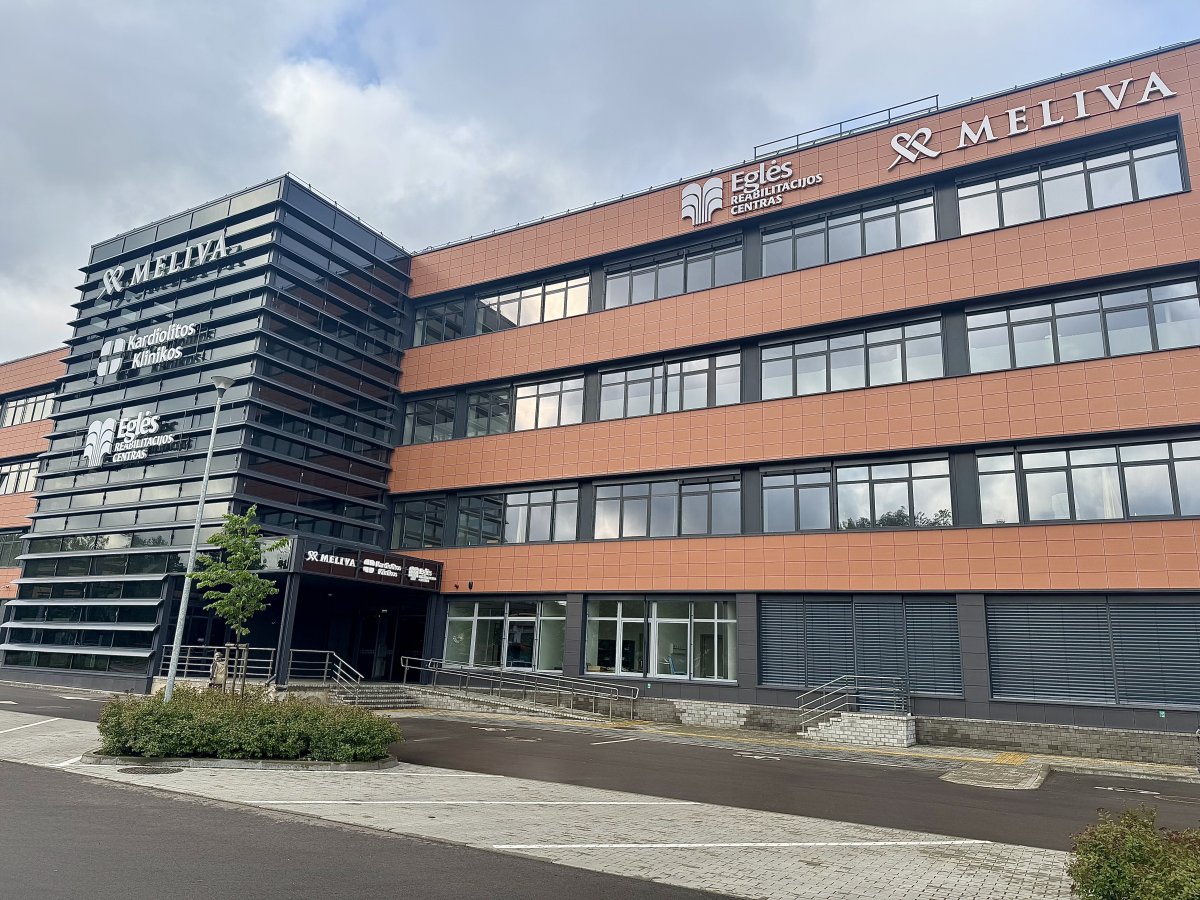
Perspectiva del experto de Bookimed: Si bien el Hospital Meliva Kardiolita y el Centro de Diagnóstico y Tratamiento Médico son los centros principales, los datos de volumen de pacientes sugieren un gran enfoque en el diagnóstico. El Hospital Meliva Kardiolita atiende a casi 300,000 pacientes al año y mantiene la acreditación JCI, lo que lo convierte en una opción confiable para pacientes internacionales que buscan una infraestructura quirúrgica de alt
¿Qué clínicas en Lituania son reconocidas para el tratamiento de la enfermedad de Peyronie?
Lituania ofrece atención reconocida para la enfermedad de Peyronie a través de centros especializados en Vilna y Klaipeda. Instalaciones como el Hospital Meliva Kardiolita y Hila ofrecen ecografía Doppler diagnóstica. Las opciones de tratamiento incluyen terapia avanzada de ondas de choque y cirugía correctiva. Las clínicas acreditadas por la JCI garantizan estándares de calidad internacionales para procedimientos urológicos.
- Precisión diagnóstica: Las clínicas utilizan ecografía Doppler peneana para evaluar la placa y la curvatura.
- Opciones no quirúrgicas: InnMed utiliza la tecnología de ondas de choque MoreNova para la reducción no invasiva de la placa.
- Corrección quirúrgica: Los especialistas realizan plicaturas e injertos para curvaturas superiores a 30 grados.
- Experiencia especializada: UroKlinika ofrece consultas dedicadas que combinan urología y sexología clínica.
Perspectiva del experto de Bookimed: Aunque muchos pacientes buscan diagnósticos básicos en hospitales más grandes, las clínicas especializadas más pequeñas como InnMed a menudo albergan tecnología específica como el sistema MoreNova. El Hospital Meliva Kardiolita gestiona un volumen masivo de 298,000 pacientes al año. Este alto rendimiento en 33 departamentos les permite mantener equipos de urología especializados enfocados en cirugía reconstructiva masculina compleja.
¿Qué indicadores de seguridad y calidad debo verificar antes de reservar un tratamiento?
Verifique la acreditación de la Joint Commission International (JCI) y la experiencia específica del cirujano en la corrección de la curvatura peneana. Los pacientes deben confirmar un alto volumen de procedimientos para garantizar la seguridad. Compruebe si la clínica gestiona más de 40.000 tratamientos al año. Esto indica una infraestructura sólida para el manejo de casos urológicos complejos y la recuperación postoperatoria.
- Acreditación del centro: Confirme la acreditación JCI o Temos International Healthcare para obtener altos estándares de seguridad.
- Experiencia del cirujano: Asegúrese de que el urólogo realice procedimientos peneanos con regularidad, manteniéndose dentro de departamentos especializados.
- Volumen de pacientes: Busque clínicas como Kardiolita que gestionan más de 290.000 pacientes al año.
- Infraestructura clínica: Seleccione instalaciones con al menos 30 departamentos para garantizar un apoyo multidisciplinario.
Perspectiva del experto de Bookimed: La calidad en Lituania se correlaciona fuertemente con las proporciones de pacientes internacionales. En el Medical Diagnostic and Treatment Center, 1 de cada 10 pacientes llega del extranjero. Este alto volumen internacional sugiere que el centro mantiene protocolos rigurosos para cumplir con las estrictas expectativas médicas de Europa y el Reino Unido.
Co
¿Es la enfermedad de Peyronie completamente curable?
La enfermedad de Peyronie rara vez es completamente curable si se espera un retorno total al estado previo a la enfermedad. El tratamiento tiene como objetivo lograr un pene funcionalmente recto y adecuado para el coito. Los especialistas en Lituania utilizan cirugía y terapia para lograr tasas de éxito de entre el 75% y el 96% en la corrección de la curvatura.
- Criterios de éxito: Lograr una curvatura inferior a 30 grados se considera una cura funcional.
- Resultados quirúrgicos: Los procedimientos enderezan eficazmente el pene, pero pueden causar un acortamiento de 1 a 2 cm.
- Opciones no quirúrgicas: Las inyecciones de colagenasa pueden reducir la curvatura entre un 32% y un 40% en casos clínicos.
- Resolución espontánea: La recuperación natural ocurre solo en el 10% al 15% de los casos leves y en etapa temprana.
Perspectiva de expertos de Bookimed: Los datos sugieren elegir clínicas con alta capacidad de diagnóstico, como el Medical Diagnostic and Treatment Center en Vilna. Su enfoque en diagnósticos precisos es vital para la enfermedad de Peyronie, ya que la cirugía solo es efectiva una vez que la enfermedad se estabiliza. Esperar la fase crónica estable de 6 meses asegura que la corrección dure sin que se formen nuevas placas. El Hospital Meliva Kardiolita también gestiona un volumen masivo de pacientes, lo que generalmente se correlacio
¿Cuánto tiempo debo planificar para la recuperación en Lituania después de la cirugía?
Para la cirugía de la enfermedad de Peyronie en Lituania, planifique una estancia de 7 a 14 días. Este plazo permite a los cirujanos controlar la hinchazón inicial y la cicatrización de la herida. Los viajes de larga distancia deben retrasarse al menos 3 semanas. Esta espera reduce el riesgo de coágulos sanguíneos y complicaciones durante el viaje.
- Estancia hospitalaria: Espere de 1 a 2 noches en la clínica para el control postoperatorio inmediato.
- Recuperación inicial: Planifique de 7 a 10 días de descanso local para controlar el dolor.
- Autorización para viajar: Los cirujanos suelen requerir 14 días antes de aprobar vuelos cortos para pacientes internacionales.
- Actividad física: Evite levantar objetos pesados durante 6 semanas y la actividad sexual durante 2 semanas.
Perspectiva del experto de Bookimed: Las estadísticas muestran que el Hospital Meliva Kardiolita trata por sí solo a 298.000 pacientes al año. Los centros de gran volumen en Vilna ofrecen vías de recuperación más predecibles. Los pacientes a menudo ahorran reservando apartamentos de larga estancia por aproximadamente 30 € por noche. Esto permite una estancia de 4 semanas para asegurar una estabilización completa antes de volar a casa.
Consenso de los pacientes: Los pacientes enfatizan permanecer al menos 3 semanas para controlar la aparición de hema
¿Se pueden utilizar dispositivos de tracción o bombas de vacío en lugar de cirugía en Lituania?
Las terapias mecánicas como los dispositivos de tracción y las bombas de vacío son alternativas no quirúrgicas eficaces en Lituania para la enfermedad de Peyronie en etapa temprana. Estos métodos conservadores ayudan a remodelar la placa y restaurar la longitud del pene durante la fase aguda. Clínicas especializadas en Vilna ofrecen estas opciones para estabilizar la curvatura y potencialmente evitar una cirugía invasiva.
- Tracción peneana: Utiliza una tensión gradual para reducir la curvatura entre 10 y 30 grados de forma constante.
- Dispositivos de vacío: Emplean presión negativa para mejorar el flujo sanguíneo y estabilizar la remodelación del tejido.
- Fase aguda: Los mejores resultados se obtienen cuando la placa aún se está formando antes de la estabilización.
- Compromiso diario: Los pacientes suelen requerir de 30 a 90 minutos de uso diario para obtener resultados.
Perspectiva del experto de Bookimed: Aunque centros importantes como el Hospital Meliva Kardiolita y el Centro de Diagnóstico y Tratamiento Médico atienden a más de 300.000 pacientes al año en conjunto, el éxito de los tratamientos no quirúrgicos depende en gran medida de la intervención temprana. Los datos sugieren que comenzar la terapia mecánica durante la fase inflamatoria inicial aumenta significativamente las posibilidades de evitar una cirugía de plicatura de más de