Corrección de la curvatura del pene (tratamiento quirúrgico de la enfermedad de Peyronie) en México — obtén 3 clínicas con costos


Revisado médicamente por
Fahad Mawlood
¿Cuál es el precio de Corrección de la curvatura del pene (tratamiento quirúrgico de la enfermedad de Peyronie) en México? Descubra ahora
De $5,900. Los precios varían según la técnica utilizada (plicatura, injerto o incisión/exéresis de la placa), la clínica y la experiencia del cirujano. En Estados Unidos, el costo promedio es $17,000 (según la AUA). Esto significa que la corrección de curvatura peneana en México cuesta aproximadamente un 65% menos que en EE. UU.
Los paquetes en México suelen incluir la consulta inicial, análisis de sangre preoperatorios, medicamentos postoperatorios, consultas de seguimiento, planes de tratamiento personalizados y atención al paciente 24/7. Las comidas durante las visitas a la clínica y el personal que habla inglés suelen estar incluidos. En EE. UU., los costos suelen cubrir solo los honorarios del cirujano, mientras que la anestesia, la estancia hospitalaria y los seguimientos se facturan por separado. Siempre confirmar qué servicios están incluidos en la clínica elegida.
Beneficios clave
- Obtén corrección de curvatura peneana en México a un 60% menos que en los EE.UU.
- Opciones disponibles: Nesbit, plicatura, implantes de prótesis penianas como AMS 700® y Coloplast Titan®.
- Revisión gratuita de fotos por un médico para determinar la mejor opción de tratamiento para ti.
- 100% garantía de protección de datos y confidencialidad.
- Acceso exclusivo a ofertas de clínicas mexicanas confiables de $5,900.
| España | Estados Unidos | México | |
|---|---|---|---|
| Corrección de la curvatura del pene (tratamiento quirúrgico de la enfermedad de Peyronie) | de $9,000 | ≈ $12,000 | de $5,900 |
Sus beneficios y garantías con Bookimed
Precios directos
Bookimed no añade cargos adicionales a los precios de Corrección de la curvatura del pene (tratamiento quirúrgico de la enfermedad de Peyronie). Las tarifas proceden de las listas de precios oficiales de las clínicas. Pagará directamente en la clínica por su Corrección de la curvatura del pene (tratamiento quirúrgico de la enfermedad de Peyronie) a su llegada al país.
Sólo clínicas y médicos verificados
Bookimed está comprometido con su seguridad. Solo trabajamos con las clínicas que mantienen altos estándares internacionales en Corrección de la curvatura del pene (tratamiento quirúrgico de la enfermedad de Peyronie) y tienen las licencias necesarias para atender a pacientes internacionales en todo el mundo.
Asistencia 24/7 gratuita
Bookimed ofrece asistencia experta gratuita. Un coordinador médico personal le apoya antes, durante y después del tratamiento, resolviendo cualquier problema. Nunca estará solo en su viaje médico de Corrección de la curvatura del pene (tratamiento quirúrgico de la enfermedad de Peyronie).

Su coordinador médico personal de Bookimed
- Le apoya en cada etapa
- Ayuda a elegir la clínica y el médico adecuados
- Asegura un acceso rápido y conveniente a la información
Descubra las mejores clínicas de Corrección de la curvatura del pene (tratamiento quirúrgico de la enfermedad de Peyronie) en México: 1 opciones verificadas y Precios



Descripción general de Corrección de la curvatura del pene (tratamiento quirúrgico de la enfermedad de Peyronie) en México
- Agrandamiento del pene - de $3,500La operación mejora el tamaño y la forma de los genitales masculinos mediante técnicas quirúrgicas o no invasivas para mejorar la autoestima.
- Faloplastia - de $5,400La operación crea un pene a partir de tejido corporal, lo que mejora la comodidad física y la expresión de identidad de los hombres trans.
- Corrección de la curvatura del pene (tratamiento quirúrgico de la enfermedad de Peyronie) - de $5,900El procedimiento corrige penes torcidos. Endereza la masculinidad, aliviando las molestias durante las relaciones sexuales, aumentando la confianza y la experiencia sexual en general.
- Cirugía de implante de pene - de $8,200Esta terapia corrige la disfunción eréctil mediante implantes, mejorando la función sexual con una alta tasa de éxito y satisfacción del paciente.
- Escrotoplastia - de $2,500La operación tensa la piel suelta del escroto, mejorando la comodidad y la estética a través de una cirugía menor, a menudo ambulatoria.
- Peneplastia HapPenis - de $3,300La operación aumenta el tamaño de los órganos masculinos mediante intervenciones quirúrgicas seguras, lo que ofrece una mayor confianza en sí mismo y satisfacción sexual.
- Relleno de pene - de $3,200Este tratamiento mejora la circunferencia masculina mediante inyecciones de ácido hialurónico, un procedimiento no quirúrgico con tiempos de recuperación rápidos.
Día 1
- Llegada al país y traslado a la clínica.
- Alojamiento en la habitación reservada del hospital.
Día 2 - Preoperatorio
- Consulta con un urólogo especialista.
- Someterse a las pruebas médicas necesarias (sangre, orina).
- Discusión de los detalles de la cirugía y los riesgos potenciales.
Día 3 - Cirugía
- Preparación para la cirugía, incluido el ayuno desde la medianoche.
- Administración de anestesia general.
- Realización de cirugía de corrección de la curvatura del pene (2-3 horas).
- Traslado a sala de recuperación postoperatoria.
Día 4 - Postoperatorio
- Seguimiento por parte del personal médico ante cualquier complicación.
- Inicio de manejo del dolor y antibióticos.
- Evaluación de los resultados quirúrgicos.
Día 5 - Alta
- Revisión de las instrucciones de cuidados postoperatorios.
- Alta del hospital y traslado al alojamiento.
Semana 1-2 - Rehabilitación
- Descanso, con actividad física limitada.
- Cuidado regular de heridas y toma de medicamentos.
Semana 3-4
- Aumento gradual de la actividad física.
- Seguimiento continuo del sitio quirúrgico.
Semana 5-6
- Regreso al trabajo, con restricciones para levantar objetos pesados.
- Observación continua por cualquier cambio o complicación.
Semana 7-8
- Vuelta a las actividades normales, incluidas las deportivas.
- Valoración final por el urólogo.
Recuerde, el cronograma de recuperación de cada paciente puede variar según las circunstancias individuales y la salud general.
- Depósito de Bookimed: 200 $ o 200 €.
- Depósito de la clínica: Pague un porcentaje fijo por adelantado.
Obtenga una evaluación médica para Corrección de la curvatura del pene (tratamiento quirúrgico de la enfermedad de Peyronie) en México: Elija su especialista entre los mejores en el campo
Ver todos los médicos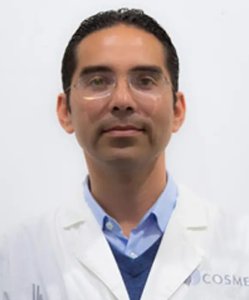
Dr Alejandro Lira
El Dr. Alejandro Lira es un urólogo con amplia experiencia en Tijuana, Baja California, México. Obtuvo el título de médico por la Universidad de Guadalajara en 2005. Realizó la especialidad en Urología en la UNAM, en la Ciudad de México, y recibió la certificación como cirujano en 2011.
Es miembro del Consejo Mexicano de Urología. Asiste regularmente a eventos de urología. Tras certificarse, regresó a Tijuana y trabaja con hospitales en toda la ciudad.
Es originario de Tijuana y
Historias en video de pacientes de Bookimed
Reseñas
Todas las reseñasCompartir contenido
 Olena Sikoza
Datos сlave sobre Corrección de la curvatura del pene (tratamiento quirúrgico de la enfermedad de Peyronie)

Corrección de la curvatura del pene (tratamiento quirúrgico para la enfermedad de Peyronie)
Involucra la corrección de la curvatura del pene causada por la enfermedad de Peyronie a través de intervención quirúrgica.
Preguntas frecuentes sobre Corrección de la curvatura del pene (tratamiento quirúrgico de la enfermedad de Peyronie) en México
¿Qué ciudades mexicanas tienen mejor reputación para la cirugía de corrección de la curvatura peneana?
Mexicali, Tijuana y Ciudad de México son los principales centros para la corrección de la curvatura peneana en México. Estas ciudades albergan instalaciones con la acreditación nacional del Consejo de Salubridad General. Los urólogos certificados en estas regiones se especializan en técnicas reconstructivas como la plicatura y el injerto para la atención hospitalaria de la enfermedad de Peyronie.
- Ventaja de Mexicali: La proximidad directa a la frontera de California simplifica el viaje para los pacientes estadounidenses que visitan clínicas boutique.
- Experiencia en Tijuana: La alta concentración de torres médicas privadas proporciona equipos especializados en urología reconstructiva y andrología.
- Estándares de Ciudad de México: La capital nacional ofrece amplios ecosistemas hospitalarios académicos adecuados para casos quirúrgicos complejos.
- Verificación de especialistas: Los médicos de buena reputación cuentan con la certificación del El Consejo Nacional Mexicano de Urología.
Perspectiva del experto de Bookimed: Si bien las ciudades fronterizas como Mexicali ofrecen comodidad para cruzar en automóvil, los centros de la Ciudad de México a menudo brindan recursos especializados más profundos para reconstrucciones de varias etapas. Los datos muestran que clínicas como el Hospital de la Familia mantienen un alto volumen de pacientes intern
¿Cómo verifico las certificaciones de un urólogo y la seguridad de un centro médico en México?
Para verificar a un urólogo en México, debe confirmar sus licencias profesionales y certificaciones de consejo a través de registros oficiales del gobierno y médicos. Todo cirujano debe poseer una licencia médica general y una licencia de especialista específica verificable a través de la base de datos del Registro Nacional de Profesionistas de México.
- Licencias profesionales: Busque licencias generales y de especialista en el Registro Nacional de Profesionistas (SEP).
- Certificación de consejo: Confirme el estado activo ante el Consejo Mexicano de Urología (CMU) a través de CONACEM.
- Licencia de la instalación: Asegúrese de que la clínica posea una Licencia Sanitaria Federal vigente emitida por COFEPRIS.
- Acreditaciones de seguridad: Priorice las instalaciones con Acreditación CSG del Consejo de Salubridad General de México.
Perspectiva del experto de Bookimed: Busque cirujanos con privilegios hospitalarios en instituciones establecidas como el Hospital de la Familia. Estos hospitales realizan su propia verificación rigurosa de los médicos. Un cirujano que opera en una instalación grande y acreditada es un indicador de seguridad más sólido que uno limitado a consultorios privados pequeños.
Consenso de los pacientes: Los pacientes recomiendan verificar las certificaciones de consejo a través de registros independien
¿Qué técnicas quirúrgicas están disponibles para corregir la curvatura peneana en la enfermedad de Peyronie?
La corrección quirúrgica de la enfermedad de Peyronie en México implica tres técnicas principales: plicatura peneana para acortar el lado convexo, incisión o escisión de la placa con injerto para alargar el lado cóncavo, e implantación de prótesis peneana. Los cirujanos seleccionan el enfoque según la gravedad de la curvatura y la función eréctil.
- Plicatura peneana: Suturas mínimamente invasivas acortan el lado largo para enderezar el pene.
- Técnicas de injerto: Incidir la placa y aplicar injertos de tejido preserva la longitud en casos graves.
- Implantación de prótesis: Los implantes inflables resuelven tanto la curvatura significativa como la disfunción eréctil concurrente.
- Modelado manual: Los cirujanos manipulan físicamente la placa durante la cirugía de implante para asegurar la rectitud.
Perspectiva de expertos de Bookimed: Los centros de urología mexicanos a menudo emplean un plan operativo por capas en lugar de una sola técnica. En casos complejos, los cirujanos pueden comenzar con un implante y agregar modelado manual o plicatura como pasos secundarios. Este enfoque escalonado garantiza la mejor rectitud funcional mientras se minimiza el trauma tisular durante una sola sesión.
Consenso del paciente: Muchos pacientes encuentran que la plicatura es el camino de recuperación más simple, pero enfatizan discuti
¿Quién es un candidato adecuado para la corrección quirúrgica?
Los candidatos para la corrección de la curvatura peneana incluyen hombres con enfermedad de Peyronie estable cuya curvatura impide el coito penetrativo o causa un deterioro funcional significativo. Los pacientes adecuados deben haber alcanzado la fase crónica, donde la formación de placa y los grados de curvatura han permanecido sin cambios durante al menos seis meses.
- Estabilidad de la enfermedad: Los síntomas y la curvatura deben ser estables durante un período prolongado.
- Función eréctil: Los cirujanos evalúan la calidad de la erección para elegir entre plicatura o prótesis.
- Impacto funcional: La cirugía aborda la curvatura que dificulta las relaciones sexuales o causa dolor.
- Fracaso conservador: Los candidatos generalmente han agotado las opciones no quirúrgicas como la tracción o la medicación.
Perspectiva del experto de Bookimed: La estabilidad es el factor más crítico para el éxito en México. Si se opera mientras la enfermedad aún está activa, la curvatura puede seguir cambiando. Nuestros datos muestran que los cirujanos en clínicas como el Hospital de la Familia enfatizan que esperar hasta que la placa deje de cambiar evita la necesidad de una cirugía de revisión. Muchos pacientes también combinan estas correcciones con procedimientos de grosor para abordar eficazmente el estrechamiento en reloj de arena o la inestabilidad de b
¿Cuál es el itinerario de recuperación esperado para un viajero médico después de una cirugía de curvatura peneana?
Los viajeros médicos que se recuperan de una cirugía de curvatura peneana en México generalmente requieren un itinerario de 7 a 10 días. Este plazo garantiza una vigilancia segura de la retención urinaria o la hinchazón antes de volar. Los pacientes suelen pasar de la observación clínica a una movilidad ligera durante la primera semana bajo la supervisión del cirujano.
- Estancia hospitalaria: La mayoría de los procedimientos son ambulatorios o requieren solo 1 noche de observación.
- Reposo inmediato: El reposo, el hielo y el control del dolor son vitales durante las primeras 72 horas.
- Revisión de la herida: Un examen de seguimiento antes de la partida confirma que la incisión está sanando de forma segura.
- Límites de actividad: El ejercicio extenuante y levantar objetos pesados están restringidos durante 4 a 6 semanas.
- Autorización sexual: Se debe evitar toda actividad sexual durante al menos 6 semanas después de la cirugía.
Perspectiva del experto de Bookimed: Elegir una clínica cerca de la frontera simplifica significativamente el itinerario de recuperación. El Hospital de la Familia en Mexicali se encuentra a pasos de la frontera con California, lo que permite a los pacientes estadounidenses recuperarse más cerca de casa. Esto reduce el esfuerzo físico de los viajes de larga distancia durante la crítica primera