Hombro congelado Tratamiento en España — Costos 2026


Revisado médicamente por
Fahad Mawlood
¿Cuál es el precio del diagnóstico y los tratamientos de Hombro congelado en España? Descubra ahora
Sus beneficios y garantías con Bookimed
Precios directos
Bookimed no añade cargos extra a los precios de los tratamientos de Hombro congelado. Las tarifas proceden de las listas de precios oficiales de las clínicas. Pagará directamente en la clínica por su tratamiento a su llegada al país.
Sólo clínicas y médicos verificados
Bookimed está comprometido con su seguridad. Solo trabajamos con las clínicas que mantienen altos estándares internacionales en el tratamiento de Hombro congelado y cuentan con las licencias necesarias para atender a pacientes internacionales en todo el mundo.
Asistencia 24/7 gratuita
Bookimed ofrece asistencia experta gratuita. Un coordinador médico personal le apoya antes, durante y después de su tratamiento, resolviendo cualquier problema. Nunca estará solo en su viaje médico de tratamiento de Hombro congelado.

Su coordinador médico personal de Bookimed
- Le apoya en cada etapa
- Ayuda a elegir la clínica y el médico adecuados
- Asegura un acceso rápido y conveniente a la información
Descubra las mejores clínicas de tratamiento de Hombro congelado en España: 1 opciones verificadas y Precios
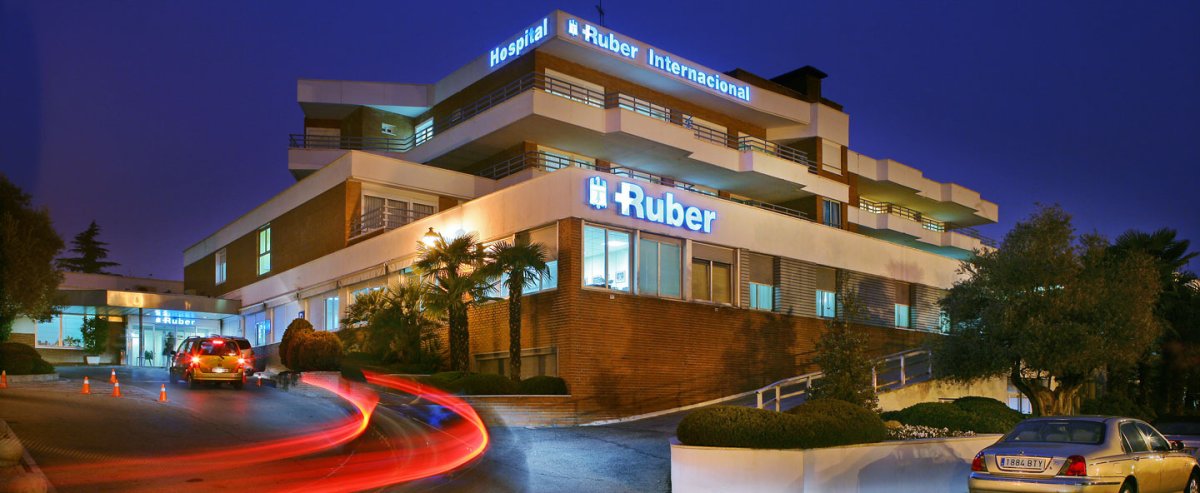


Obtenga una evaluación médica para Hombro congelado en España: consulte con doctores experimentados ahora
Ver todos los médicos
Eduard Alentorn Geli
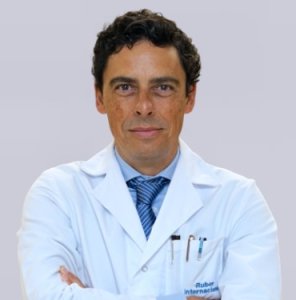
Pablo De La Cuadra
El Dr. Pablo de la Cuadra (Pablo Cuadra de la Virgili) es cirujano ortopédico y traumatólogo en Madrid. Está especializado en lesiones deportivas y cirugía de hombro en el Hospital Ruber Internacional, donde ejerce desde 1999. Cuenta con más de 25 años de experiencia. Dirige una unidad multidisciplinar y un equipo especializado en traumatología. Es un experto reconocido en trastornos complejos del hombro y utiliza técnicas artroscópicas y reconstructivas avanzadas para la inestabilidad y las
Néstor Antonio Zurita Uroz
El doctor es un especialista de gran prestigio en Cirugía Ortopédica y Traumatología, que actualmente ejerce como Jefe del Departamento de Traumatología en el Hospital Quirónsalud Torrevieja. Con un Doctorado en Medicina y Cirugía, el doctor posee una amplia experiencia en traumatología deportiva, cirugía de rodilla y hombro, y técnicas artroscópicas mínimamente invasivas. El doctor ha prestado atención médica al Equipo Nacional Español de Natación desde 1996 y es editor de la revista europea
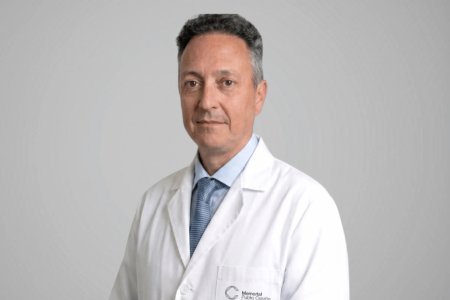
Alberto Gómez Martín
El Dr. Alberto Gómez Martín es traumatólogo en el Hospital Memorial Publio Cordón en Madrid. Se especializa en tratamientos de hombro y rodilla, incluyendo lesiones deportivas como desgarros del ligamento cruzado anterior (LCA) y daños en el manguito rotador. El Dr. Gómez Martín utiliza terapias biológicas junto con opciones quirúrgicas, incluyendo plasma rico en plaquetas (PRP) y terapia con células madre para la recuperación articular.
Trabaja en un centro acreditado por la JCI. El ho
Compartir contenido
Historias en video de pacientes de Bookimed
 Olena Sikoza
Preguntas frecuentes sobre el tratamiento de Hombro congelado en España
¿Cómo diagnostican los médicos en España el hombro congelado?
Los especialistas españoles diagnostican el hombro congelado mediante exámenes clínicos que rastrean la rigidez y el dolor progresivos. Los médicos confirman la afección cuando el rango de movimiento activo y pasivo está restringido. Centros líderes como el Hospital Ruber Internacional utilizan resonancia magnética de 3 Teslas y ecografía para descartar artritis o desgarros del manguito rotador.
- Examen físico: Los especialistas prueban el movimiento activo y pasivo para detectar bloqueos mecánicos en la cápsula articular.
- Historia clínica: Los médicos evalúan la progresión del dolor, especialmente el dolor profundo y sordo que interrumpe el sueño nocturno.
- Radiografía: Se realizan radiografías de forma rutinaria para descartar artrosis o depósitos de calcio.
- Imagen avanzada: Las resonancias magnéticas identifican el engrosamiento característico del receso axilar y la cápsula del hombro.
Perspectiva del experto de Bookimed: El volumen clínico a menudo se correlaciona con la precisión diagnóstica de los trastornos articulares. El Dr. Pablo De La Cuadra del Hospital Ruber Internacional dirige un equipo que gestiona una parte de las más de 93,000 consultas anuales. Este alto volumen ayuda a los especialistas a distinguir el hombro congelado de la irritación del manguito rotador durante la fase inflamatoria temprana.
Consenso
¿Cuáles son los principales tratamientos no quirúrgicos ofrecidos para el hombro congelado en España?
Los tratamientos no quirúrgicos para el hombro congelado en España se centran en el manejo del dolor y la movilización articular. Los métodos principales incluyen la hidrodilatación guiada por ecografía, las infiltraciones de corticosteroides y la fisioterapia especializada. Muchas clínicas también ofrecen opciones de medicina regenerativa como el plasma rico en plaquetas para reducir la inflamación y promover la reparación de los tejidos.
- Fisioterapia: La terapia manual y los estiramientos dirigidos mejoran el rango de movimiento pasivo.
- Infiltraciones guiadas: Las inyecciones de corticosteroides guiadas por ecografía proporcionan un alivio rápido del dolor durante las fases agudas.
- Hidrodilatación: Las inyecciones de solución salina estéril expanden físicamente la cápsula articular para romper las adherencias.
- Medicina regenerativa: Las inyecciones de plasma rico en plaquetas (PRP) ayudan en la remodelación natural del tejido y la curación.
Perspectiva del experto de Bookimed: La atención ortopédica española para la rigidez de hombro enfatiza el liderazgo de equipos multidisciplinarios. El Dr. Pablo De La Cuadra en el Hospital Ruber Internacional dirige un equipo que combina específicamente la traumatología con especialistas en recuperación funcional. Esta estructura integrada asegura que los procedimientos avanzados guiados por ecogr
¿Cuándo recomiendan los cirujanos españoles la cirugía para el hombro congelado?
Los cirujanos españoles recomiendan la cirugía para el hombro congelado cuando las terapias conservadoras fallan después de 6 meses. La intervención se reserva para pacientes con una pérdida severa del rango de movimiento. Los criterios incluyen dolor nocturno persistente y el fracaso de la fisioterapia o las inyecciones de corticosteroides. Los cirujanos suelen esperar a la fase de estabilización para evitar una cicatrización excesiva.
- Plazo de tratamiento: Los cirujanos requieren 6 meses consecutivos de fisioterapia antes de considerar la cirugía.
- Etapa clínica: Los expertos evitan la fase inflamatoria para prevenir el empeoramiento de la rigidez postoperatoria.
- Criterios de alto riesgo: Aquellos con diabetes o problemas de tiroides pueden calificar para una intervención temprana.
- Elección quirúrgica: La liberación capsular artroscópica es el procedimiento estándar para restaurar el movimiento articular.
Perspectiva del experto de Bookimed: Aunque la cirugía es el último recurso, los centros ortopédicos españoles como el Hospital Ruber Internacional ofrecen una profundidad especializada. El Dr. Pablo De La Cuadra aporta más de 25 años de experiencia en hombro a casos complejos. Esta experiencia es vital porque la cirugía requiere un tiempo preciso durante la etapa de congelación. Las instalaciones con acreditación JCI aseguran que est
¿Cuánto tiempo suele tardar la fisioterapia en restaurar el rango de movimiento?
La fisioterapia suele mostrar mejoras tempranas en el rango de movimiento en un plazo de 2 a 4 semanas. Lograr una recuperación funcional significativa para afecciones complejas como el hombro congelado suele requerir de 6 a 12 semanas. La restauración completa de la movilidad articular a menudo puede extenderse de 6 a 18 meses en casos graves.
- Fase de recuperación leve: La reducción inicial de la inflamación y los estiramientos pasivos ocurren durante las semanas 1 a 4.
- Reparación tisular moderada: La remodelación estructural para el manguito rotador o la rigidez requiere de 4 a 8 semanas.
- Tiempo de curación de ligamentos: Los tejidos densos como los ligamentos a menudo necesitan de 10 a 12 semanas para remodelarse.
- Reconstrucción funcional: La progresión hacia actividades que imitan la vida diaria suele comenzar después de la semana 8.
Perspectiva del experto de Bookimed: Las instalaciones de primer nivel en España priorizan el liderazgo multidisciplinario para la rehabilitación compleja del hombro. Por ejemplo, el Dr. Pablo De La Cuadra en el Hospital Ruber Internacional integra 25 años de experiencia ortopédica con protocolos de recuperación funcional. Este entorno de alto volumen acreditado por la JCI gestiona más de 93.000 consultas anuales, asegurando que los terapeutas sigan cronogramas clínicamente validados para la reconstrucc
¿Es la hidrodilatación un procedimiento común entre los especialistas en ortopedia españoles?
La hidrodilatación es un procedimiento estándar y ampliamente aceptado entre los especialistas en ortopedia españoles para el tratamiento del hombro congelado (capsulitis adhesiva). Sirve como un puente mínimamente invasivo entre la fisioterapia y la cirugía. Los especialistas suelen realizar esta técnica guiada por ecografía para expandir la cápsula articular utilizando anestesia local y solución salina.
- Indicación principal: Se dirige específicamente a la capsulitis adhesiva para resolver la rigidez severa de la articulación del hombro.
- Precisión guiada: La mayoría de las clínicas españolas priorizan la guía ecográfica para una colocación precisa de la aguja.
- Expansión hidráulica: Los especialistas inyectan de 20 a 40 ml de líquido para aflojar el tejido cicatricial.
- Rehabilitación integrada: Los protocolos requieren fisioterapia inmediata para mantener las ganancias en el rango de movimiento.
Perspectiva del experto de Bookimed: La atención ortopédica española para patologías del hombro está altamente centralizada en centros acreditados por la JCI, como Madrid. El Hospital Ruber Internacional gestiona más de 93.000 consultas al año. Este alto volumen permite a cirujanos como el Dr. Pablo De La Cuadra especializarse profundamente en la patología del hombro. Cuenta con más de 25 años de experiencia en técnicas artroscópicas y reconstru
¿Tendré que quedarme mucho tiempo en España si viajo allí para una liberación artroscópica?
Debe planificar quedarse en España de 7 a 14 días después de una liberación artroscópica. Aunque la cirugía suele ser un procedimiento de estancia corta, este periodo permite una fisioterapia temprana fundamental. Los médicos suelen recomendar esperar al menos 1 semana antes de viajar en avión para minimizar las molestias.
- Estancia hospitalaria: La mayoría de las liberaciones artroscópicas son ambulatorias o requieren solo 1 noche.
- Fisioterapia: Los ejercicios intensivos de rango de movimiento deben comenzar dentro de las 24 horas posteriores a la cirugía.
- Seguimiento quirúrgico: Los cirujanos suelen realizar una revisión de la herida dentro de los 7 a 10 días.
- Seguridad en el viaje: Esperar 1-2 semanas reduce riesgos como la hinchazón durante vuelos largos.
Perspectiva del experto de Bookimed: Los datos muestran que centros de alto volumen como el Hospital Ruber Internacional realizan más de 6.000 cirugías al año. Estos centros utilizan equipos multidisciplinarios dirigidos por especialistas como el Dr. Pablo De La Cuadra. Esta estructura garantiza que la fisioterapia comience de inmediato. Esta coordinación es vital porque el movimiento temprano evita que el hombro se vuelva a poner rígido.
Consenso de los pacientes: Los pacientes señalan que, aunque la estancia hospitalaria es corta, volar a casa demasiado pro
¿Cubre el sistema público de salud de España (Seguridad Social) el tratamiento del hombro congelado?
El sistema público de España (Seguridad Social) cubre el tratamiento del hombro congelado para las personas elegibles. La cobertura incluye visitas de atención primaria, consultas con traumatólogos especialistas y sesiones de fisioterapia. Se incluyen pruebas de diagnóstico por imagen como radiografías y resonancias magnéticas. Las autoridades sanitarias regionales gestionan estos servicios como atención crónica no urgente.
- Pruebas diagnósticas: Cubre radiografías, ecografías y resonancias magnéticas bajo prescripción del especialista.
- Acceso a especialistas: Las derivaciones a especialistas en ortopedia y médicos rehabilitadores están totalmente incluidas.
- Sesiones de terapia: Incluye fisioterapia supervisada, a menudo prescrita en bloques de 15 sesiones.
- Procedimientos avanzados: Cubre la liberación capsular artroscópica y la manipulación para casos graves y resistentes.
Opinión del experto de Bookimed: Los indicadores de calidad para el cuidado del hombro a menudo están relacionados con el volumen de cirugías del cirujano y la tecnología del hospital. El Dr. Pablo De La Cuadra del Hospital Ruber Internacional cuenta con más de 25 años de experiencia. Esta clínica con sede en Madrid trata a más de 93.000 pacientes al año. Los centros privados como este ofrecen tecnología de resonancia magnética de 3 Teslas para obtener resultados de i