Espondilolistesis en España: clínica verificada para su tratamiento


Revisado médicamente por
Fahad Mawlood
¿Cuál es el precio del diagnóstico y los tratamientos de Espondilolistesis en España? Descubra ahora
| España | Turquía | México | |
|---|---|---|---|
| Laminectomía lumbar y estabilización de un nivel | de $31,400 | de $4,800 | ≈ $9,000 |
| Laminectomía cervical con estabilización de un nivel | de $28,100 | de $14,000 | ≈ $9,000 |
Sus beneficios y garantías con Bookimed
Precios directos
Bookimed no añade cargos extra a los precios de los tratamientos de Espondilolistesis. Las tarifas proceden de las listas de precios oficiales de las clínicas. Pagará directamente en la clínica por su tratamiento a su llegada al país.
Sólo clínicas y médicos verificados
Bookimed está comprometido con su seguridad. Solo trabajamos con las clínicas que mantienen altos estándares internacionales en el tratamiento de Espondilolistesis y cuentan con las licencias necesarias para atender a pacientes internacionales en todo el mundo.
Asistencia 24/7 gratuita
Bookimed ofrece asistencia experta gratuita. Un coordinador médico personal le apoya antes, durante y después de su tratamiento, resolviendo cualquier problema. Nunca estará solo en su viaje médico de tratamiento de Espondilolistesis.

Su coordinador médico personal de Bookimed
- Le apoya en cada etapa
- Ayuda a elegir la clínica y el médico adecuados
- Asegura un acceso rápido y conveniente a la información
Descubra las mejores clínicas de tratamiento de Espondilolistesis en España: 1 opciones verificadas y Precios
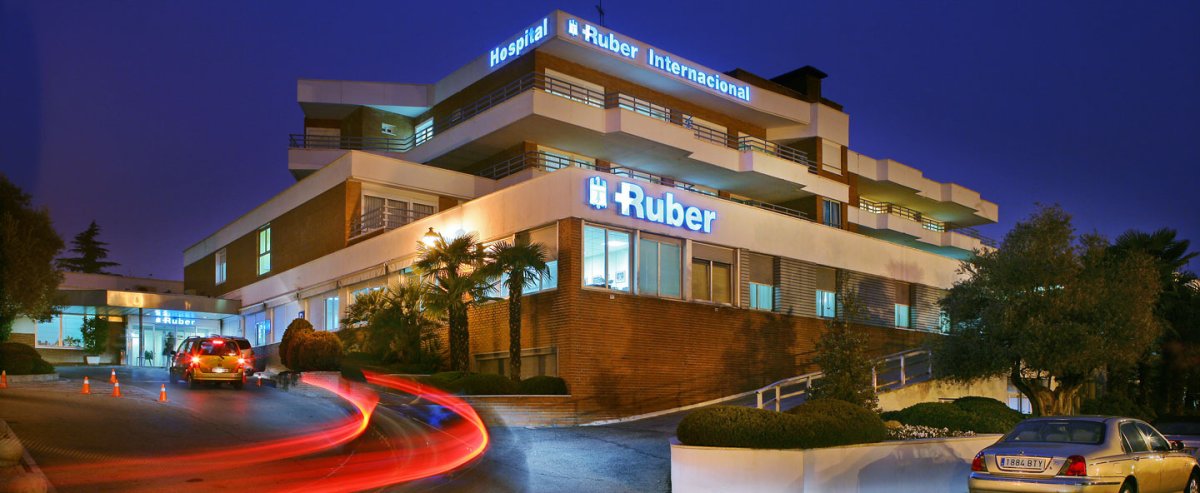


Obtenga una evaluación médica para Espondilolistesis en España: consulte con doctores experimentados ahora
Ver todos los médicos
Gerardo Conesa Bertran
El doctor tiene un título médico de la Universidad de Barcelona y completó una especialización en neurocirugía en el Hospital Universitario de Bellvitge. Con un enfoque extenso en tumores cerebrales y de la médula espinal, neurocirugía vascular y tratamientos neuroquirúrgicos para la epilepsia, la enfermedad de Parkinson y los trastornos mentales, el doctor tiene una experiencia significativa en cirugías que involucran áreas altamente funcionales y el tronco cerebral. El doctor ha contribuido
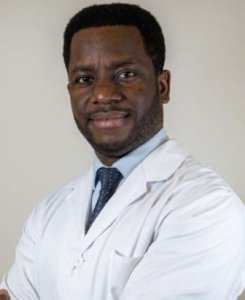
Nnamdi Elenwoke
El Dr. Nnamdi Elenwoke es neurocirujano en el Neuroinstitut – Centro Médico Teknon (Barcelona), un centro de referencia en Europa. Está especializado en neurocirugía mínimamente invasiva y funcional. Posee experiencia específica en la malformación de Arnold–Chiari y en los trastornos de la unión craneovertebral. En su práctica utiliza técnicas microquirúrgicas avanzadas, cirugía endoscópica de la base del cráneo y neurocirugía asistida por robot.
Formación y entrenamiento: Médico (2007
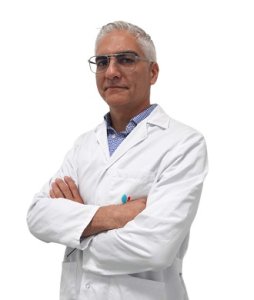
Diego Ferrandez Sempere
Compartir contenido
Historias en video de pacientes de Bookimed
 Olena Sikoza
Preguntas frecuentes sobre el tratamiento de Espondilolistesis en España
¿Qué tratamientos no quirúrgicos están disponibles en España para casos leves de espondilolistesis?
Los tratamientos no quirúrgicos para la espondilolistesis leve en España se centran en la estabilización y el alivio del dolor. Los pacientes acceden a fisioterapia personalizada, inyecciones dirigidas y corsés. Estos métodos conservadores tienen como objetivo fortalecer el núcleo. Este soporte ayuda a controlar el deslizamiento vertebral sin intervención invasiva en instalaciones acreditadas por la JCI.
- Fisioterapia: Los ejercicios de estabilización se centran en los músculos abdominales profundos y los multífidos.
- Terapia de inyección: Los especialistas utilizan bloqueos epidurales o facetarios guiados para la inflamación.
- Estabilización del núcleo: El enfoque en los glúteos y los isquiotibiales mejora significativamente la alineación de la columna.
- Corsés personalizados: Los corsés semirrígidos estabilizan temporalmente la columna durante los brotes agudos.
Perspectiva del experto de Bookimed: Aunque muchos buscan la última tecnología, el mayor volumen de pacientes en Madrid se encuentra en el Hospital Ruber Internacional. Este centro acreditado por la JCI trata a 25.000 pacientes al año utilizando una red multidisciplinaria profunda de 800 médicos. Para casos leves, esto significa que los pacientes reciben atención coordinada tanto en los departamentos de neurocirugía como de ortopedia. Esta alta proporción de médicos por paciente g
¿Qué técnicas quirúrgicas avanzadas ofrecen los especialistas españoles en columna vertebral cuando las medidas conservadoras fallan?
Los especialistas españoles en columna vertebral utilizan incisiones endoscópicas subcentimétricas y navegación asistida por robot para tratar la espondilolistesis. Estas técnicas preservan el tejido muscular y el movimiento natural de la columna mientras estabilizan las vértebras. Los protocolos avanzados incluyen el reemplazo de disco que preserva el movimiento y la descompresión de precisión para resolver eficazmente la compresión nerviosa crónica.
- Cirugía endoscópica: Los cirujanos utilizan tubos del tamaño de un lápiz para descomprimir los nervios sin cortar los músculos de la espalda.
- Preservación del movimiento: El reemplazo total de disco replica la movilidad natural y previene el desgaste en las vértebras adyacentes.
- Navegación robótica: El seguimiento computarizado permite la colocación de implantes con precisión submilimétrica para proteger los nervios.
- Corredores MIS-TLIF: La fusión mínimamente invasiva utiliza puertos diminutos para estabilizar la columna con menos pérdida de sangre.
Opinión del experto de Bookimed: Los centros de neurocirugía españoles como el Hospital Ruber Internacional integran la seguridad acreditada por la JCI con volúmenes masivos de pacientes. El Dr. Nnamdi Elenwoke en el Centro Médico Teknon combina formación en EE. UU. con sistemas robóticos. Este nivel de experiencia institucional garantiza resul
¿Puedo acceder a atención en inglés durante todo mi tratamiento en España?
La atención en inglés es ampliamente accesible en el sector médico privado de España, particularmente en Madrid y Barcelona. Centros de renombre como el Hospital Ruber Internacional y el Centro Médico Teknon priorizan a los pacientes internacionales. La mayoría de los cirujanos de columna y especialistas experimentados hablan inglés con fluidez. Las clínicas privadas también ofrecen apoyo administrativo multilingüe.
- Elección del sistema: Los hospitales privados ofrecen un apoyo en inglés significativamente mejor que el sistema público.
- Experiencia especializada: Neurocirujanos como el Dr. Nnamdi Elenwoke cuentan con formación profesional en clínicas de Londres.
- Certificación hospitalaria: Los centros acreditados por la JCI en Madrid mantienen rigurosos estándares internacionales de comunicación y seguridad.
- Personal de apoyo: La competencia del personal de enfermería y administrativo varía más que las habilidades lingüísticas de los cirujanos.
Perspectiva del experto de Bookimed: El apoyo lingüístico a menudo depende de la formación médica específica del médico más que solo de la clínica. El Dr. Nnamdi Elenwoke, del Centro Médico Teknon, se formó en el National Hospital for Neurology and Neurosurgery de Londres. Elegir a un cirujano con experiencia documentada en becas internacionales garantiza una comunicación más precisa sobre los rie
¿Cómo puedo hacer que un especialista español revise mis imágenes existentes sin tener que viajar primero?
Los pacientes pueden hacer que sus imágenes de espondilolistesis sean revisadas de forma remota por especialistas españoles a través de portales internacionales de segunda opinión. Los cirujanos utilizan archivos DICOM digitales para realizar revisiones detalladas de los casos. Un equipo multidisciplinario en un centro acreditado por la JCI emite entonces un informe formal por escrito o realiza una consulta por video segura.
- Formato de imagen: Los especialistas requieren archivos DICOM sin procesar desde un CD o una unidad flash.
- Registros clínicos: Proporcione informes de radiología e historial de tratamiento en inglés o español.
- Experiencia especializada: Cirujanos como el Dr. Nnamdi Elenwoke se centran en la cirugía de columna mínimamente invasiva.
- Red hospitalaria: El Hospital Ruber Internacional cuenta con 42 departamentos y trata a 25.000 pacientes al año.
Opinión de expertos de Bookimed: Si bien muchos pacientes se centran en las redes nacionales, elegir un cirujano con una gran participación en sociedades internacionales es una decisión inteligente. Por ejemplo, el Dr. Nnamdi Elenwoke del Centro Médico Teknon es miembro de la Asociación Europea de Sociedades de Neurocirugía. Estos especialistas suelen estar más acostumbrados a revisar casos transfronterizos y archivos digitales de diferentes sistemas de salud.
Con