Tratamiento de Úlcera trófica en España — obtenga 3 coincidencias personalizadas de clínicas


Revisado médicamente por
Fahad Mawlood
Cómo funciona
¿Cuál es el precio del diagnóstico y los tratamientos de Úlcera trófica en España? Descubra ahora
Descubra las mejores clínicas de tratamiento de Úlcera trófica en España: 5 opciones verificadas y Precios















Obtenga una evaluación médica para Úlcera trófica en España: consulte con doctores experimentados ahora
Ver todos los médicos
Xavier Centeno Fornies
El Dr. Xavier Centeno Fornies se formó en cirugía colorrectal en la prestigiosa Clínica Mayo, aportando técnicas avanzadas a su práctica en el Centro Médico Teknon.
- Más de _doctor_8374_ años de experiencia en cirugía gastrointestinal y colorrectal
- Formación de subespecialidad (fellowship) en la Clínica Mayo, líder en tratamientos colorrectales
- Acreditado por la ERAS-Society para protocolos de recuperación mejorada tras la cirugía
- Miembro activo de la Sociedad Americana de Cirujanos de Colon y Recto
Cesar Canales Bedoya
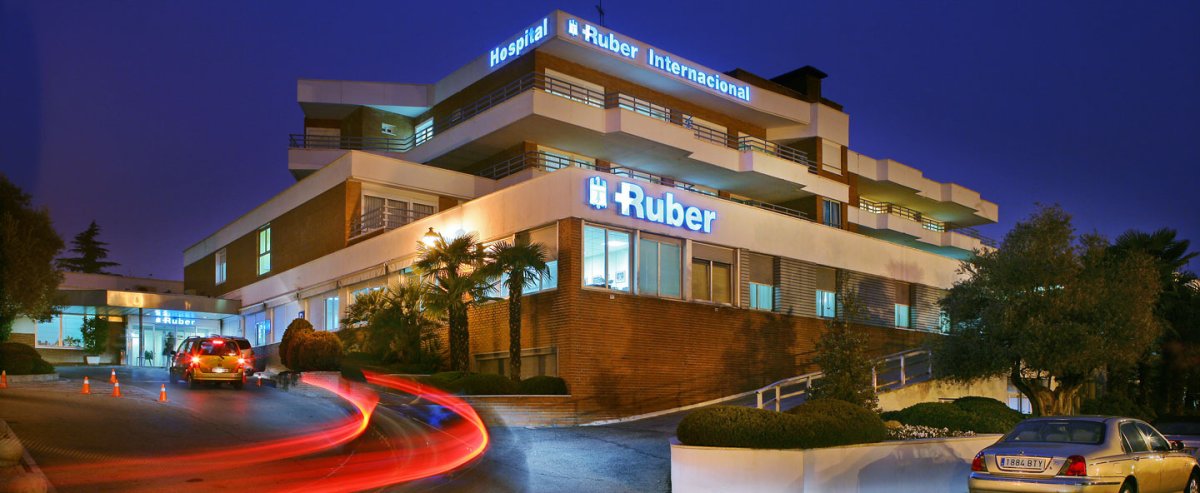
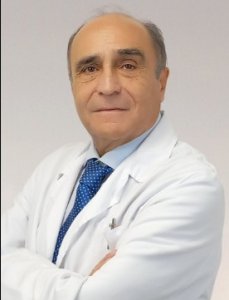
El Dr. César Canales dirige desde 2015 el Servicio de Cirugía General y del Aparato Digestivo y la Unidad de Cirugía Laparoscópica y Robótica del Hospital Ruber Internacional (Madrid). Es cirujano general y del aparato digestivo con más de 30 años de experiencia. Está especializado en cirugía laparoscópica y robótica Da Vinci para casos complejos abdominales, oncológicos y de la pared abdominal.
Doctor en Medicina (cum laude, UAM) y licenciado en Medicina (con honores, UCM). Completó l
Rubén Rodríguez Carvajal
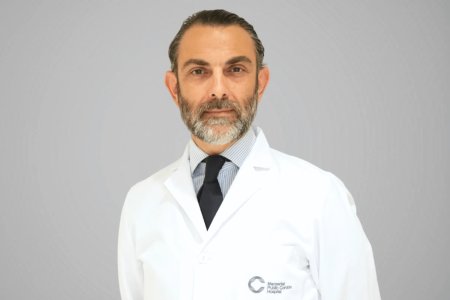
El Dr. Rubén Rodríguez Carvajal es cirujano vascular en el Hospital Memorial Publio Cordón de Madrid. Trata afecciones venosas y arteriales complejas, con especial enfoque en la flebología y las intervenciones quirúrgicas para trastornos circulatorios. El Dr. Rodríguez Carvajal realiza procedimientos que incluyen angioplastia e implante de endoprótesis aórtica. Maneja afecciones crónicas tales como varices, linfostasis y úlceras tróficas.
Trabaja en un centro acreditado por la Joint Com
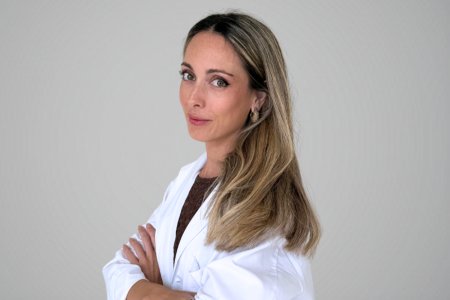
Marc Sirvent González
El Dr. Marc Sirvent González es cirujano vascular en el Hospital Memorial Publio Cordón de Madrid. Se especializa en cirugía y flebología, en particular en el tratamiento de úlceras tróficas. El Dr. González trabaja en un centro acreditado por la Joint Commission International. El equipo médico de este hospital incluye a 110 especialistas en diversas disciplinas quirúrgicas.
Compartir contenido
Historias en video de pacientes de Bookimed
 Olena Sikoza
Preguntas frecuentes sobre el tratamiento de Úlcera trófica en España
¿Qué diagnósticos iniciales debo esperar en una clínica en España para determinar la causa de mi úlcera trófica?
Las clínicas españolas identifican la causa raíz de las úlceras tróficas utilizando un marco de diagnóstico estandarizado. Los pacientes se someten a exámenes físicos, pruebas vasculares no invasivas como el índice tobillo-brazo (ITB) y análisis de sangre. Los centros especializados en Madrid y Barcelona utilizan ecografía Doppler color para descartar enfermedades arteriales graves antes de iniciar la terapia de compresión.
- Evaluación física: Los médicos evalúan la profundidad, el tamaño, el olor y el drenaje de la úlcera para identificar los tipos de tejido.
- Pruebas vasculares: Las pruebas de ITB y la ecografía Doppler evalúan el flujo sanguíneo para guiar la selección del tratamiento.
- Análisis de laboratorio: Los análisis de sangre verifican los niveles de glucosa, los marcadores inflamatorios y el estado nutricional para la curación.
- Estudios de imagen: Las clínicas utilizan radiografías o resonancias magnéticas si sospechan que la infección ha llegado al hueso.
Perspectiva del experto de Bookimed: España ocupa el octavo lugar a nivel mundial en calidad de turismo médico según Bookimed. Centros líderes como el Hospital Ruber Internacional y el Centro Médico Teknon cuentan con la acreditación de la Joint Commission International. Los pacientes a menudo se benefician de un enfoque multidisciplinario donde colaboran especialistas vascul
¿Quién gestionará el tratamiento de mi úlcera trófica?
Los cirujanos vasculares y los equipos especializados en el cuidado de heridas gestionan el tratamiento de las úlceras tróficas en España. Se coordinan con flebólogos para restaurar el flujo sanguíneo y simplificar la recuperación. Estos expertos multidisciplinarios operan en instalaciones acreditadas por la Joint Commission International. Se centran en prevenir infecciones y asegurar la curación del tejido a largo plazo.
- Cirujanos vasculares: Expertos como el Dr. Fernando Sellés abordan el flujo sanguíneo y la insuficiencia venosa.
- Cirujanos generales: El Dr. Cesar Canales Bedoya realiza desbridamientos para eliminar tejido infectado.
- Enfermeros de cuidado de heridas: Estos especialistas gestionan los apósitos diarios, la terapia de compresión y la preparación del lecho de la herida.
- Podólogos: Especialistas que proporcionan estrategias de descarga y cambios de calzado para úlceras por presión relacionadas con la diabetes.
Perspectiva del experto de Bookimed: Los centros de salud españoles priorizan la experiencia quirúrgica de alto volumen para casos complejos de úlceras. El Dr. Cesar Canales Bedoya en el Hospital Ruber Internacional cuenta con más de 30 años de experiencia quirúrgica. Esta profundidad es vital porque las úlceras tróficas a menudo requieren una intervención microquirúrgica precisa. Seleccionar una clínica con imágenes
¿Qué terapias modernas y no invasivas están disponibles en España para las úlceras tróficas venosas?
Las terapias modernas no invasivas en España para las úlceras tróficas venosas utilizan tecnologías biofísicas para acelerar la reparación celular. Estas incluyen terapia de luz fotodinámica, estimulación eléctrica neuromuscular y sistemas de presión negativa. Clínicas especializadas acreditadas por la JCI en Madrid y Barcelona ofrecen estos protocolos ambulatorios avanzados sin incisiones quirúrgicas.
- Terapia biofísica: La terapia de luz de baja intensidad y ultrasonido estimula la regeneración de tejidos y la angiogénesis.
- Compresión dinámica: Las vendas de velcro ajustables y los dispositivos neumáticos mejoran la circulación y reducen el edema.
- Escleroterapia con espuma: Las inyecciones guiadas por ultrasonido cierran las venas que funcionan mal para reducir la presión arterial local.
- Apósitos avanzados: Los apósitos que contienen plata y los apósitos biológicos controlan el riesgo de infección en úlceras persistentes.
Perspectiva del experto de Bookimed: Los centros vasculares españoles como el Hospital Ruber Internacional y el Centro Médico Teknon gestionan volúmenes enormes de pacientes que superan los 10.000 al año. Este alto rendimiento garantiza que los médicos sean expertos en identificar exactamente cuándo cambiar de vendas no invasivas a microespuma guiada por ultrasonido. Elegir instalaciones acreditadas por la JCI en Espa
¿Cuándo es necesaria la cirugía y qué opciones existen en los hospitales españoles?
La cirugía para úlceras tróficas es necesaria cuando los tratamientos conservadores no logran sanar la herida. Es necesaria para eliminar tejido necrótico, restaurar el flujo sanguíneo o corregir deformidades físicas. Hospitales españoles como el Centro Medico Teknon y el Hospital Ruber Internacional ofrecen opciones avanzadas de cirugía vascular y plástica.
- Desbridamiento: Los cirujanos eliminan el tejido muerto o infectado para promover el crecimiento de piel sana.
- Reparación vascular: Procedimientos como el láser endovenoso o el bypass mejoran la circulación hacia la úlcera.
- Injerto de piel: Los médicos aplican piel sana o colgajos para cubrir heridas abiertas grandes que no cicatrizan.
- Corrección ortopédica: La cirugía corrige problemas estructurales óseos para aliviar la presión que causa úlceras recurrentes.
Perspectiva del experto de Bookimed: España se encuentra entre los principales destinos europeos para la atención vascular compleja. Cirujanos como el Dr. Fernando Selles se especializan específicamente en diagnóstico vascular no invasivo y técnicas de endoláser. Estas opciones mínimamente invasivas a menudo pueden restaurar el flujo sanguíneo sin los largos tiempos de recuperación asociados con la cirugía abierta tradicional. Elegir un centro acreditado por la JCI como la Clínica Universidad de Navarra garantiza el acceso a e
¿Con qué frecuencia deben cambiarse los apósitos y los sistemas de compresión?
Los apósitos y los sistemas de compresión para úlceras tróficas suelen requerir cambios de 1 a 3 veces por semana. La frecuencia depende de los niveles de drenaje y de la presencia de infección. Los cirujanos en España enfatizan la curación sin interrupciones para mantener la temperatura del lecho de la herida. Cambiar los apósitos con demasiada frecuencia puede detener la recuperación celular a menos que sea clínicamente necesario.
- Vendajes multicapa: Estos sistemas generalmente requieren cambios 1 o 2 veces por semana.
- Fase inicial de hinchazón: Las heridas con mucho exudado pueden necesitar vendajes nuevos cada 24 a 72 horas.
- Apósitos de espuma: Los materiales absorbentes modernos pueden permanecer en su lugar de forma segura durante 3 a 7 días.
- Reemplazo inmediato: Cambie los sistemas instantáneamente si se producen fugas, deslizamientos o dolor físico repentino.
Perspectiva del experto de Bookimed: Aunque las pautas generales sugieren cambios semanales, los especialistas vasculares españoles como el Dr. Fernando Sellés utilizan diagnósticos de alta tecnología para personalizar los cronogramas. Clínicas como el Centro Médico Teknon a menudo combinan apósitos específicos con compresión basada en datos precisos de flujo vascular. Este enfoque basado en datos garantiza que el apósito coincida con el nivel exacto de humedad de su úlcera
¿Qué iniciativas o estándares garantizan la calidad del cuidado de las úlceras en España?
España garantiza la calidad del cuidado de las úlceras a través de un marco descentralizado guiado por el Grupo Nacional para el Estudio de las Úlceras por Presión y Heridas Crónicas (GNEAUPP). Los protocolos estandarizados incluyen la acreditación de la Joint Commission International (JCI) en los principales centros. Los equipos multidisciplinarios integran cirugía vascular, enfermería y podología para seguir métricas de viabilidad tisular basadas en evidencia.
- Unidades especializadas: Unidades dedicadas en centros como el Centro Médico Teknon se centran en la recuperación de heridas crónicas.
- Marco clínico: El GNEAUPP publica directrices nacionales para homogeneizar los protocolos de viabilidad tisular en todos los hospitales españoles.
- Acreditación de calidad: Instalaciones líderes como el Hospital Ruber Internacional mantienen los estándares de seguridad de la Joint Commission International (JCI).
- Seguimiento del paciente: Los servicios regionales utilizan registros médicos electrónicos para exigir evaluaciones de riesgo de Braden estandarizadas.
Perspectiva del experto de Bookimed: Los marcadores de calidad en España a menudo están vinculados a grandes volúmenes de pacientes y centros especializados avanzados. Por ejemplo, el Hospital HM Nou Delfos y el Hospital Universitario HM Sanchinarro atienden a 400.000 pacientes cada uno al