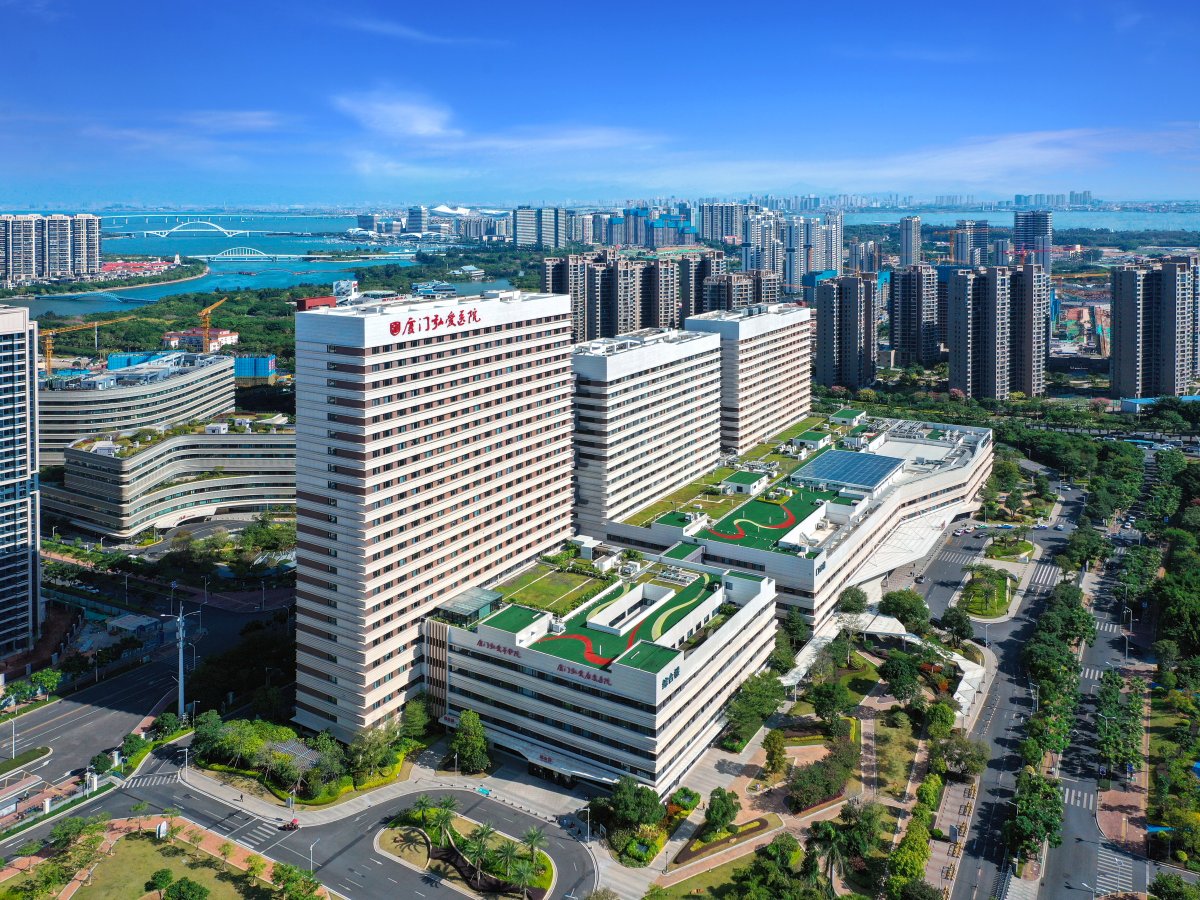
Hospital Xiamen Humanity
China, Xiamen


Revisado médicamente por
Fahad Mawlood
Bookimed no añade cargos extra a los precios de los tratamientos de Úlcera trófica. Las tarifas proceden de las listas de precios oficiales de las clínicas. Pagará directamente en la clínica por su tratamiento a su llegada al país.
Bookimed está comprometido con su seguridad. Solo trabajamos con las clínicas que mantienen altos estándares internacionales en el tratamiento de Úlcera trófica y cuentan con las licencias necesarias para atender a pacientes internacionales en todo el mundo.
Bookimed ofrece asistencia experta gratuita. Un coordinador médico personal le apoya antes, durante y después de su tratamiento, resolviendo cualquier problema. Nunca estará solo en su viaje médico de tratamiento de Úlcera trófica.

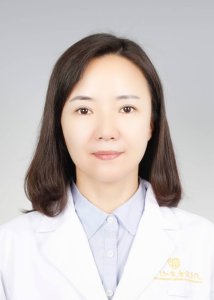
La profesora Liang Xiaoxiao es Directora del Departamento y Jefa de Servicio de Neurorrehabilitación. Cuenta con una maestría en neurología. Es experta en neuromodulación para trastornos de la conciencia, la cognición y el movimiento. Su labor se centra en casos de enfermedad cerebrovascular, enfermedad de Parkinson y afecciones relacionadas. También realiza inyecciones de toxina botulínica guiadas por ecografía para el blefaroespasmo, el espasmo hemifacial, la espasticidad de las extremidade

 Olena Sikoza
China trata las úlceras tróficas mediante un modelo integrador que combina técnicas quirúrgicas occidentales con la Medicina Tradicional China. Los hospitales terciarios utilizan terapia de presión negativa y revascularización junto con ungüentos herbales tópicos. Este enfoque dual enfatiza el desbridamiento rápido de la herida seguido de terapias biológicas para acelerar la regeneración celular.
Perspectiva del experto de Bookimed: El Hospital Xiamen Humanity demuestra la escala de la infraestructura médica china con 1.000 camas. Esta alta capacidad permite clínicas especializadas en heridas que integran ensayos de medicamentos con atención tradicional. Los pacientes se benefician de protocolos estandarizados en estas instalaciones a gran escala que las clínicas tradicionales más pequeñas no pueden iguala
Los turistas médicos pueden esperar tasas de curación de entre el 92,5 % y el 95,6 % al combinar la Medicina Tradicional China con los protocolos estándar. Los resultados documentados en China muestran una mejora significativa en la recuperación de la mucosa. La terapia dual reduce los riesgos de recurrencia. La integración de la acupuntura y las decocciones de hierbas también mejora la erradicación bacteriana en casos de H. pylori.
Perspectiva del experto de Bookimed: El volumen de pacientes es un indicador importante de la experiencia clínica en China. Por ejemplo, el Hospital Xiamen Humanity atiende a 1.000.000 de pacientes al año y maneja casos complejos en 47 departamentos. Este enorme volumen de casos permite a los médicos chinos perfeccionar los
Los hospitales chinos utilizan protocolos integrativos para úlceras tróficas en etapa avanzada. Estos modelos combinan el desbridamiento quirúrgico y el control metabólico con la medicina herbal y la acupuntura. Las unidades especializadas en el cuidado de heridas informan que las tasas de curación aumentan del 47% al 87% al aplicar estos métodos combinados. Las directrices nacionales promueven activamente este marco médico híbrido.
Perspectiva del experto de Bookimed: Los centros terciarios como el Hospital Xiamen Humanity gestionan más de 1,000,000 de pacientes al año a través de más de 40 departamentos. Esta escala masiva permite una coordinación multidisciplinaria de alta velocidad. Los grandes hospitales chinos a menudo realizan ensayos dedicados de fase I-IV. Esto significa que los pacientes pueden acceder a fórmulas herbal
Los turistas médicos encuentran tratamiento acreditado para úlceras tróficas en hospitales terciarios de Clase 3 Grado A e instalaciones acreditadas por la JCI en China. Centros líderes como el Hospital Ruijin y el Hospital Xiamen Humanity ofrecen unidades especializadas en curación de heridas. Estos centros integran cirugía vascular, cirugía plástica y protocolos avanzados de reparación de tejidos.
Perspectiva del experto de Bookimed: Si bien los grandes centros académicos en Shanghái o Pekín son el estándar, el Hospital Xiamen Humanity demuestra que las instalaciones terciarias más nuevas ofrecen una capacidad inmensa con 1.000 camas. Este alto volumen a menudo significa un acceso más rápido a los departamentos especializados de vascular y ortopedia. Estos departamentos son fundamentales para abordar los problemas circulatorios subyacentes que causan las úlce
El tratamiento a largo plazo de las úlceras tróficas es manejable de forma remota tras el desbridamiento inicial y la estabilización vascular en el hospital. La telemedicina permite ajustar la medicación y supervisar la cicatrización mediante imágenes de alta calidad. Los grandes hospitales terciarios chinos, como el Xiamen Humanity Hospital, proporcionan la infraestructura diagnóstica necesaria antes de pasar a los protocolos de atención remota.
Opinión de los expertos de Bookimed: El Xiamen Humanity Hospital atiende a más de 1.000.000 de pacientes al año y cuenta con acreditación para ensayos clínicos de fase I-IV. Este enorme volumen de pacientes sugiere un seguimiento de protocolos altamente estandarizado para enfermedades crónicas. Los pacientes deben elegir centros de gran escala para su estabilización inicial. Sus avanzados departamentos de diagnósti