Tratamiento de Úlcera trófica en Turquía — obtenga 3 coincidencias personalizadas de clínicas


Revisado médicamente por
Fahad Mawlood
Cómo funciona
¿Cuál es el precio del diagnóstico y los tratamientos de Úlcera trófica en Turquía? Descubra ahora
El costo del tratamiento de úlceras tróficas en Turquía varía según los procedimientos específicos y las consultas requeridas. Por ejemplo, un paquete de diagnóstico que incluye consultas y angiografía periférica tiene un precio de 1.890 €, mientras que un procedimiento quirúrgico como el bypass axilo-femoral cuesta 8.970 €. Otras opciones de tratamiento incluyen la ablación con láser a 5.670 € y la ablación con catéter de radiofrecuencia, que varía de 11.340 € a 14.175 €. El costo total se determina después de una evaluación detallada y puede incluir diagnósticos adicionales o consultas según sea necesario.
Descubra las mejores clínicas de tratamiento de Úlcera trófica en Turquía: 32 opciones verificadas y Precios






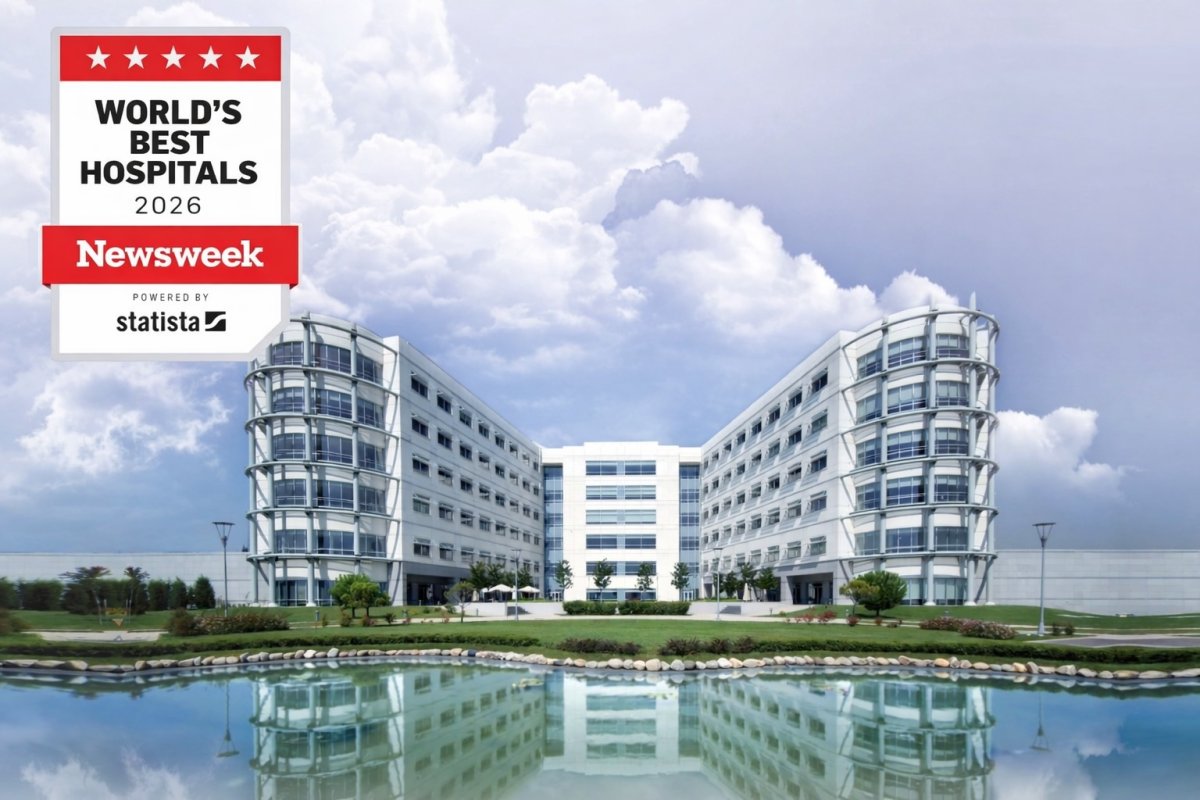




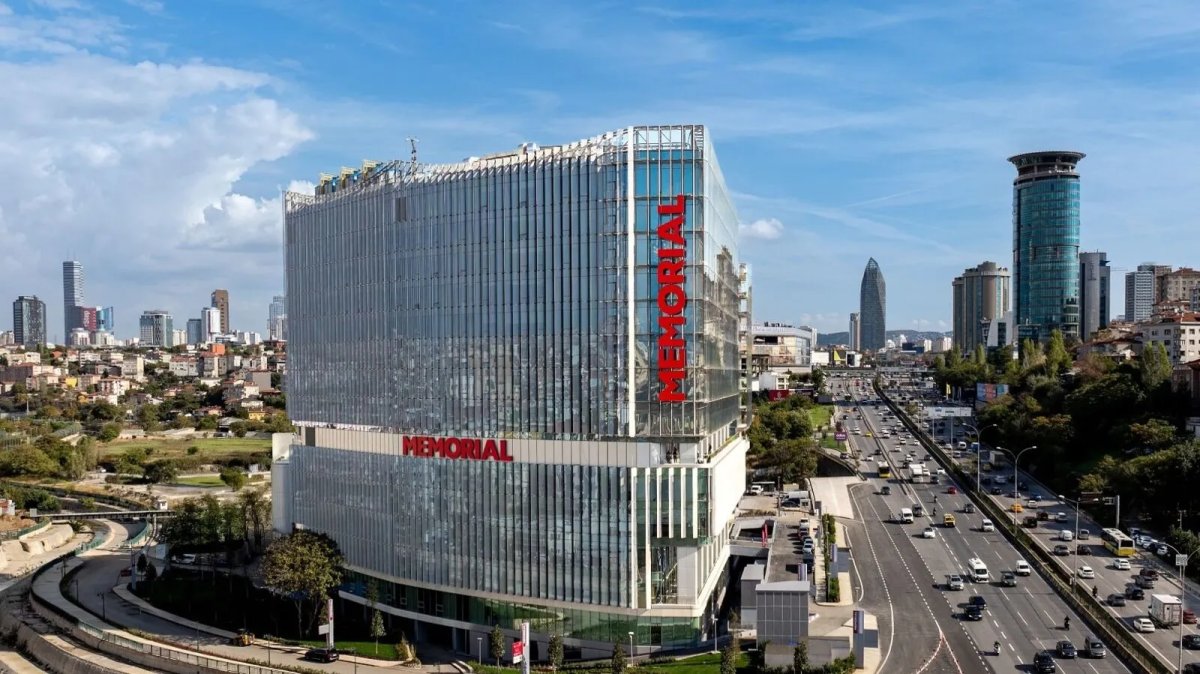
Memorial Göztepe Hospital
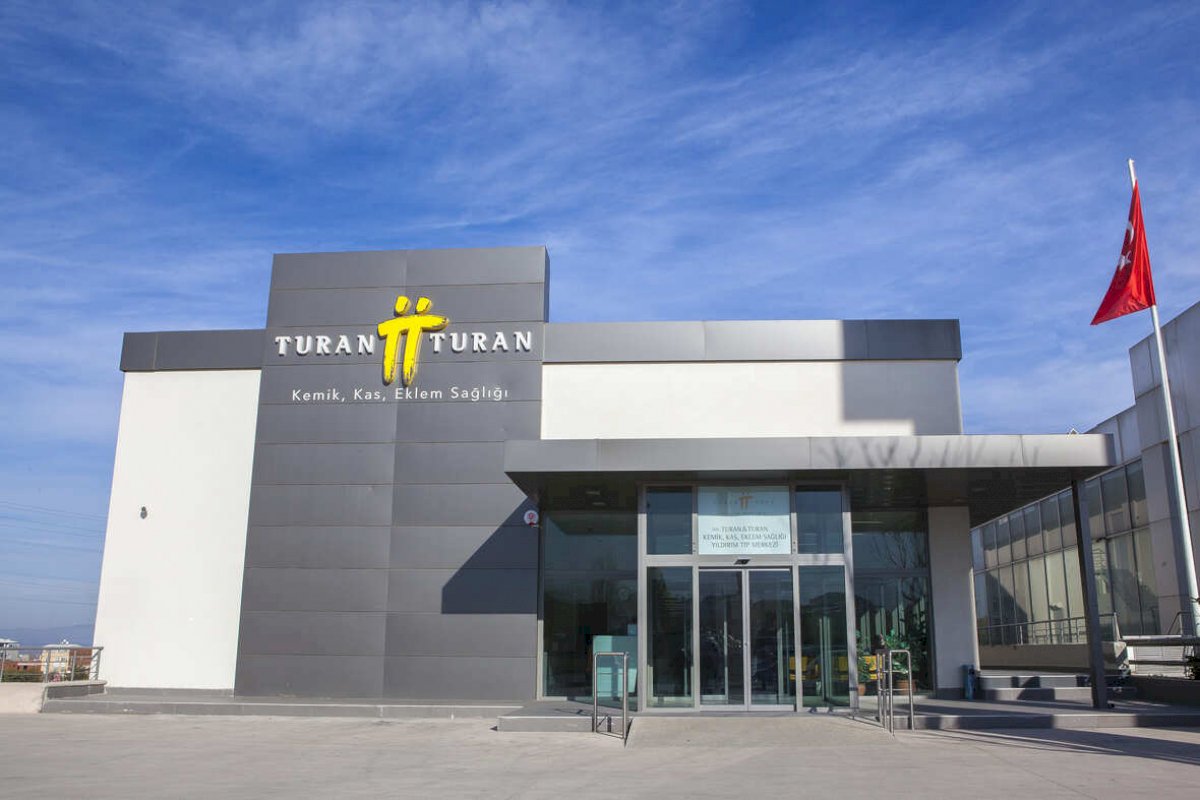
Turan Turan Health Group
Obtenga una evaluación médica de tratamiento de Úlcera trófica en Turquía: haga una consulta con 41 médicos experimentados ahora
Ver todos los médicos
Faruk Gencoglu
El Dr. Faruk Gencoglu ha participado en aproximadamente 3.000 casos cardiovasculares en el Hospital Intercontinental Hisar. Se especializa en enfermedad de las arterias coronarias en adultos y cirugías complejas de válvulas cardíacas. El Dr. Gencoglu se desempeñó anteriormente como jefe clínico de cirugía a corazón abierto en el Hospital de Capacitación de Batman. Ejerce en un centro acreditado por la JCI en Estambul, conocido por sus altos estándares de seguridad.
- Realiza reemplaz

Ibrahim Aliosmanoglu
Realizó más de 2000 cirugías hepatobiliares y 1000 trasplantes de hígado con altas tasas de éxito – El Dr. Aliosmanoglu se especializa en intervenciones quirúrgicas complejas.
- Cirujano general certificado con 23 años de experiencia
- Profesor en la Unidad de Trasplante de Órganos del complejo hospitalario Medicalpark
- Dirigió programas de trasplante de hígado, riñón y páncreas
- Publicó investigaciones sobre técnicas quirúrgicas y protección de órganos
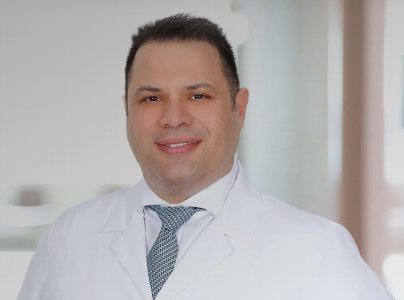
Soykan Barlas
El profesor asociado Dr. Soykan Barlas es cirujano general y de trasplantes en el Hospital Medical Park Göztepe. Se especializa en trasplantes de riñón y procedimientos bariátricos como la cirugía de manga gástrica. El Dr. Barlas completó su formación en laparoscopia en Escocia. Posee un Certificado de Reconocimiento del Ministerio de Salud de Turquía.
- Se desempeña como profesor académico en la Universidad de Ciencias Demiroğlu.
- Ha publicado más de 20 artículos en revistas

Hanifi Onalan
Especializado en el tratamiento de enfermedades complejas de la región anal, incluidas las úlceras tróficas, en el Hospital Universitario Atlas.
- Más de _doctor_8358_años_ de experiencia quirúrgica
- Experto en cirugía de hernia tanto abierta como laparoscópica
- Formado en la Universidad de Estambul, una de las mejores facultades de medicina de Turquía
Compartir contenido
Historias en video de pacientes de Bookimed
 Olena Sikoza
Preguntas frecuentes sobre el tratamiento de Úlcera trófica en Turquía
¿Cuáles son los principales métodos de tratamiento para las úlceras tróficas en Turquía?
Los principales métodos de tratamiento para las úlceras tróficas en Turquía implican protocolos multidisciplinarios centrados en la restauración vascular y el cuidado avanzado de heridas. Los centros turcos utilizan ablación láser, escleroterapia y terapia de cierre asistido por vacío (VAC). Estas instalaciones acreditadas por la JCI combinan el desbridamiento quirúrgico con un mapeo de diagnóstico preciso mediante tecnología de resonancia magnética de 3 Tesla.
- Restauración vascular: La ablación láser o la ablación por catéter de radiofrecuencia mejora el flujo sanguíneo al sitio de la úlcera.
- Tecnología de heridas: La terapia de cierre asistido por vacío (VAC) utiliza presión negativa para acelerar el crecimiento del tejido.
- Terapia biológica: Los sustitutos de piel bioingenierizados y los vendajes húmedos especializados promueven la regeneración rápida de la piel.
- Intervención quirúrgica: El desbridamiento elimina el tejido muerto, mientras que la cirugía de bypass vascular aborda la insuficiencia arterial severa.
Perspectiva de expertos de Bookimed: Las clínicas turcas como Anadolu Medical Center brindan un alto grado de especialización al integrar los estándares de tratamiento estadounidenses a través de afiliaciones con Johns Hopkins. Los datos muestran que una curación exitosa a menudo depende de la precisión diagnóstica. Estos ce
¿Qué garantías de seguridad y calidad pueden esperar los turistas médicos?
Los pacientes que buscan tratamiento para úlceras tróficas en Turquía pueden esperar garantías de seguridad a través de instalaciones acreditadas por la JCI y cirujanos certificados. Los mejores hospitales como Memorial Şişli y Anadolu Medical Center siguen protocolos internacionales de control de infecciones. Muchos centros mantienen afiliaciones con instituciones estadounidenses para garantizar la atención estandarizada al paciente y la seguridad clínica.
- Acreditación internacional: Las certificaciones JCI e ISO verifican los altos estándares de seguridad y calidad de la atención.
- Experiencia especializada: Cirujanos como el Dr. Adil Baykan tienen más de 25 años de experiencia clínica.
- Diagnóstico avanzado: La tomografía PET/CT digital y las imágenes asistidas por IA aseguran una evaluación precisa de los problemas vasculares.
- Volumen comprobado: Anadolu Medical Center atiende anualmente a más de 65.000 pacientes internacionales de más de 160 países.
Perspectiva de expertos de Bookimed: La calidad a menudo se correlaciona con la infraestructura hospitalaria más que solo con el precio. Las instalaciones a gran escala como Estambul Florence Nightingale o Anadolu Medical Center ofrecen helicópteros de emergencia dedicados y unidades de investigación especializadas. Estos recursos son fundamentales para gestionar heridas crónicas compleja
¿Cuánto tiempo debo planificar para permanecer en Turquía para el cuidado completo de las úlceras tróficas?
Planifique una estancia de 10 a 14 días en Turquía para un tratamiento intensivo de úlceras tróficas. Este plazo cubre las ecografías Doppler de diagnóstico y el desbridamiento inicial o la intervención quirúrgica. También completará la estabilización esencial y las revisiones de la estabilidad de la herida antes de su vuelo de regreso a casa.
- Periodo de hospitalización: Centros como el Hospital Memorial Sisli suelen incluir 10 días de atención hospitalaria.
- Diagnóstico inicial: El mapeo vascular y la ecografía se realizan normalmente en las primeras 24 a 48 horas.
- Estabilización de la herida: Los especialistas requieren un seguimiento postoperatorio para controlar el dolor, el drenaje y la curación inicial del tejido.
- Etapas del tratamiento: La evaluación, los vendajes intensivos y los controles de seguimiento suelen requerir múltiples visitas estructuradas.
Perspectiva de expertos de Bookimed: Los datos de 390 clínicas turcas muestran el mayor volumen de solicitudes a nivel mundial para atención vascular compleja. El Hospital Memorial Sisli fue el primero en Turquía en obtener la acreditación JCI, lo que indica una larga experiencia con pacientes internacionales. La recuperación exitosa depende de un calendario de cuidados postoperatorios escrito, ya que los cambios de vendaje suelen llevar más tiempo que el propio procedimiento.
¿Qué especialistas coordinan mi atención?
El tratamiento de úlceras tróficas en Turquía está coordinado por un equipo multidisciplinario dirigido por cirujanos vasculares y generales. Estos especialistas colaboran dentro de instalaciones acreditadas por la Joint Commission International para abordar los problemas circulatorios subyacentes. Gestionan todo el proceso de atención, desde el desbridamiento clínico hasta el injerto de piel especializado y el seguimiento.
- Equipo quirúrgico central: Cirujanos generales como el Dr. Mustafa Sıtkı Yüksel gestionan protocolos complejos de desbridamiento de heridas.
- Evaluación vascular: Los cirujanos evalúan el flujo sanguíneo arterial y venoso para asegurar una cicatrización constante de la herida.
- Apoyo endocrino: Los endocrinólogos se unen al equipo si la diabetes impide que las úlceras sanen correctamente.
- Expertise en reconstrucción: Los cirujanos plásticos coordinan la atención para úlceras profundas que requieren una cobertura de tejido avanzada.
Perspectiva del experto de Bookimed: Si bien los pacientes a menudo se centran en la herida física, los hospitales turcos como el Anadolu Medical Center o Memorial Şişli utilizan un modelo basado en departamentos. Los centros con gran volumen de casos a menudo cuentan con cirujanos generales con más de 5,000 procedimientos para liderar la coordinación. Seleccionar una clínica con más de 30 d
¿Qué cambios en el estilo de vida o medidas de seguimiento son necesarios después del tratamiento en Turquía?
La recuperación depende de un cuidado constante de las heridas y del apoyo a la circulación. Los pacientes deben mantener los vendajes limpios y asistir a todos los chequeos programados. Los centros turcos como el Anadolu Medical Center siguen protocolos estrictos de Johns Hopkins. Estas medidas previenen infecciones y promueven la regeneración de tejidos para un cierre duradero de las úlceras.
- Terapia de compresión: Utilice prendas de grado específico a diario para mejorar el flujo sanguíneo.
- Elevación de extremidades: Eleve la pierna afectada con frecuencia para reducir la hinchazón y la presión.
- Higiene de heridas: Cambie los vendajes diariamente mientras monitorea el enrojecimiento o secreciones inusuales.
- Control de movilidad: Evite largos períodos de pie y aumente gradualmente los paseos cortos.
- Gestión de glucosa: Mantenga niveles estrictos de azúcar en sangre si la diabetes causó la úlcera.
Perspectiva del experto de Bookimed: Aunque la mayoría de los pacientes se centran en la cirugía, las clínicas turcas con acreditación JCI enfatizan la ventana postoperatoria de 14 días. Los grandes centros como el Hospital Florence Nightingale de Estambul utilizan imágenes avanzadas para confirmar la salud vascular antes del alta. Elegir una instalación con especialistas vasculares en el lugar garantiza que la causa