Tratamiento de Úlcera trófica en Alemania — obtenga 3 coincidencias personalizadas de clínicas


Revisado médicamente por
Fahad Mawlood
Cómo funciona
¿Cuál es el precio del diagnóstico y los tratamientos de Úlcera trófica en Alemania? Descubra ahora
Descubra las mejores clínicas de tratamiento de Úlcera trófica en Alemania: 4 opciones verificadas y Precios






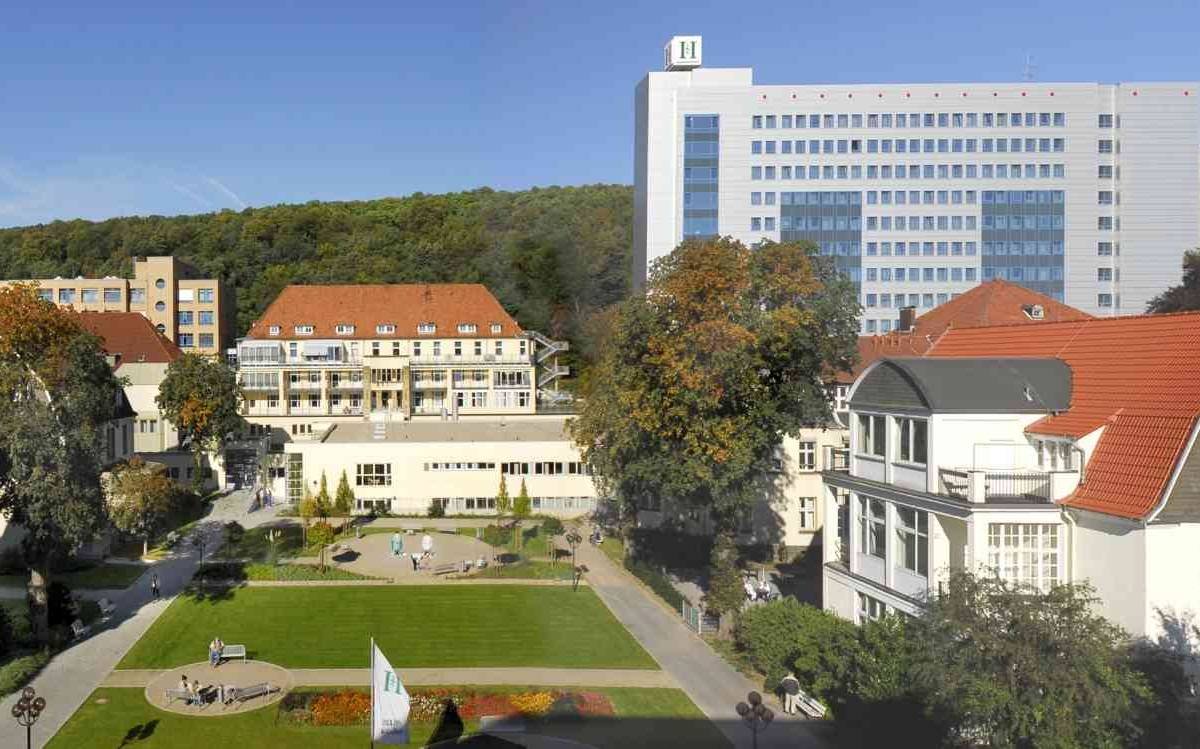
Medical Center in Solingen
Peter Schenker



Obtenga una evaluación médica para Úlcera trófica en Alemania: consulte con doctores experimentados ahora
Ver todos los médicos
Viktor Alexander Krol
Jefe de Gastroenterología y Medicina Interna en el St. Martinus-Krankenhaus de Düsseldorf – especializado en tratamientos avanzados para afecciones metabólicas y gastrointestinales complejas.
- Más de _doctor_8945_ años de experiencia en gastroenterología y medicina interna
- Director de un centro certificado de tratamiento de la obesidad con programas bariátricos especializados
- Experto en intervenciones endoscópicas y quirúrgicas para la pérdida de peso
- Utiliza tecnologías de diagnóstico de vanguardia para trastornos del sistema digestivo
Peter Schenker
El profesor Schenker dirige el Departamento de Cirugía del Hospital Académico de Solingen, especializándose en técnicas mínimamente invasivas para afecciones viscerales complejas.
- Cirujano certificado en cirugía visceral con casi 19 años de experiencia
- Pionero en técnicas de cirugía robótica para oncología gastrointestinal
- Cirujano jefe del primer centro certificado de cáncer colorrectal de Alemania
- Experto en cirugía de páncreas y procedimientos de trasplante
Compartir contenido
Historias en video de pacientes de Bookimed
 Olena Sikoza
Preguntas frecuentes sobre el tratamiento de Úlcera trófica en Alemania
¿Qué profesionales médicos participan en el tratamiento de úlceras tróficas en Alemania?
El tratamiento de úlceras tróficas en Alemania involucra a un equipo multidisciplinario liderado por especialistas vasculares y expertos en heridas. Este enfoque integrado combina cirujanos vasculares, dermatólogos y diabetólogos para abordar la circulación, la salud de los tejidos y los factores metabólicos. Los centros especializados en heridas coordinan la atención crónica y el desbridamiento quirúrgico para asegurar una curación integral.
- Especialistas vasculares: Los flebólogos y cirujanos restauran el flujo sanguíneo mediante angioplastia o reparación venosa.
- Dermatólogos: Estos expertos manejan infecciones cutáneas y realizan biopsias en lechos de úlceras crónicas.
- Diabetólogos: Los especialistas regulan los niveles de glucosa y manejan la neuropatía en casos de síndrome de pie diabético.
- Gestores de heridas certificados: Profesionales de la Iniciativa de Heridas Crónicas se encargan de los apósitos especializados y el monitoreo.
Perspectiva del experto de Bookimed: Los pacientes en Alemania se benefician de centros académicos de gran volumen como el Complejo Clínico de Renania del Norte-Westfalia, que atiende a 145,000 pacientes anualmente. Mientras que las clínicas más pequeñas ofrecen atención personalizada, estos complejos más grandes integran más de 27 departamentos bajo un mismo techo. Esto permite consultas inmediatas con
¿Qué estudio diagnóstico se realiza para determinar la causa subyacente de la úlcera?
Las clínicas alemanas utilizan un estudio vascular y metabólico de varios pasos para identificar la causa de las úlceras tróficas. El diagnóstico se centra en pruebas de índice tobillo-brazo y ecografía dúplex color para evaluar el flujo sanguíneo. Laboratorios especializados buscan diabetes y reflujo venoso para asegurar un tratamiento dirigido. Los centros acreditados priorizan primero las imágenes no invasivas.
- Evaluación vascular: La ecografía Doppler y las pruebas de índice tobillo-brazo evalúan la circulación arterial y venosa.
- Cribado metabólico: Las pruebas de glucosa en sangre y HbA1c identifican complicaciones microvasculares relacionadas con la diabetes.
- Marcadores de infección: Los cultivos de heridas y los análisis de sangre de proteína C reactiva descartan infecciones profundas de los tejidos.
- Análisis de tejido: Las biopsias por punción ayudan a excluir malignidad en casos donde las úlceras resisten la curación estándar.
Perspectiva de expertos de Bookimed: La precisión diagnóstica en Alemania está impulsada por departamentos especializados de alto volumen. Por ejemplo, el complejo clínico de Renania del Norte-Westfalia atiende a 145.000 pacientes al año y mantiene un enorme centro cardíaco. Dichas instalaciones utilizan equipos multidisciplinarios donde cardiólogos y cirujanos cooperan para evaluar bloqueos vasculares co
¿Qué terapias avanzadas se utilizan habitualmente para acelerar el cierre de úlceras?
Las clínicas alemanas aceleran el cierre de úlceras tróficas utilizando productos de tejido celular, terapia de heridas por presión negativa y oxígeno hiperbárico. Estas modalidades avanzadas estimulan la regeneración tisular cuando el desbridamiento estándar y el equilibrio de humedad fallan. Muchas instalaciones cuentan con certificaciones KTQ o ISO. Estos estándares garantizan una atención de heridas de alta calidad para afecciones crónicas.
- Productos celulares: Los sustitutos cutáneos bioingenierizados proporcionan andamios y factores de crecimiento para una rápida regeneración tisular.
- Presión negativa: El cierre asistido por vacío elimina el exceso de líquido mientras une físicamente los bordes de la herida.
- Oxigenoterapia: Las cámaras hiperbáricas elevan los niveles sistémicos de oxígeno para estimular el colágeno y combatir infecciones.
- Apósitos bioactivos: Las matrices de colágeno desactivan las enzimas que detienen la curación en úlceras crónicas que no cicatrizan.
Perspectiva del experto de Bookimed: Los datos muestran que los centros médicos alemanes como el Complejo Clínico de Renania del Norte-Westfalia gestionan más de 145.000 pacientes al año. Este alto volumen permite a las clínicas mantener departamentos especializados en enfermedades vasculares y metabólicas. Los pacientes deben buscar centros con equipos multidiscipl
¿Cuándo está indicada la intervención quirúrgica y qué procedimientos se realizan?
La intervención quirúrgica para úlceras tróficas en Alemania está indicada cuando el cuidado conservador de la herida falla después de semanas de tratamiento. Los procedimientos abordan eficazmente las infecciones profundas, el hueso expuesto o las deformidades estructurales. Los médicos priorizan la cirugía para limpiar el tejido necrótico y restaurar el flujo sanguíneo al sitio de la herida que no cicatriza.
- Enfoque de desbridamiento: Los cirujanos eliminan el tejido no viable para estimular la cicatrización saludable en el lecho de la úlcera.
- Corrección estructural: La resección ósea o el alargamiento de tendones eliminan la presión mecánica que causa la degradación de la piel.
- Cobertura reconstructiva: Los injertos de piel o colgajos de tejido proporcionan un cierre duradero para heridas grandes y profundas.
- Restauración vascular: Los procedimientos mínimamente invasivos mejoran el suministro de sangre arterial necesario para una cicatrización postquirúrgica exitosa.
Perspectiva del experto de Bookimed: Los centros alemanes como el Centro Médico de Solingen se centran en la documentación sistemática de la perfusión antes de que comience cualquier reconstrucción. Los datos de clínicas que atienden a más de 145,000 pacientes al año muestran que el éxito depende del estudio vascular. Un consejo común de los coordinadores es asegurarse
¿Cuál es el período de curación esperado y qué seguimiento es necesario?
La curación de las úlceras tróficas en Alemania requiere normalmente de 6 a 12 semanas para el cierre completo de la piel. Los casos complejos que involucran diabetes o problemas vasculares pueden tardar más. Los especialistas alemanes priorizan la identificación de la causa subyacente. El tratamiento a menudo incluye desbridamiento y apósitos avanzados en centros especializados en heridas.
- Plazo de curación: Las primeras mejoras aparecen en pocas semanas. La recuperación completa suele tardar 3 meses.
- Monitoreo de heridas: Las clínicas realizan controles semanales. Realizan un seguimiento del drenaje, el tamaño y los signos de infección.
- Frecuencia de desbridamiento: Los cirujanos eliminan el tejido muerto con regularidad. Este paso es vital para iniciar la curación.
- Manejo de la causa subyacente: El seguimiento incluye terapia de compresión. Los médicos también abordan los problemas de circulación o presión.
Perspectiva de expertos de Bookimed: Las clínicas alemanas como las de Renania del Norte-Westfalia y Bremen-Mitte utilizan un enfoque multidisciplinario. A menudo combinan la cirugía vascular con el cuidado especializado de heridas. Los datos muestran que las clínicas que atienden a más de 40,000 pacientes al año tienen protocolos establecidos para úlceras complejas. Elegir un centro con certificación KTQ o ISO garantiza una higie
¿Qué medidas preventivas se enfatizan para reducir la recurrencia?
La reducción de la recurrencia de úlceras tróficas en Alemania implica el tratamiento de las causas circulatorias o neuropáticas subyacentes junto con una estricta adherencia al estilo de vida. Las estrategias clave incluyen la descarga de presión constante, la vigilancia vascular y el control diario de la piel. Los centros vasculares alemanes enfatizan el mantenimiento a largo plazo para asegurar que el tejido cicatrizado permanezca estable y protegido.
- Gestión de la presión: Uso de ortesis personalizadas o calzado para diabéticos para prevenir traumas localizados repetidos.
- Terapia de compresión: Aplicación diaria de medias de grado médico para controlar el edema en úlceras venosas.
- Vigilancia de la piel: Inspección diaria de los pies en busca de enrojecimiento o callos nuevos para detectar daños tempranos.
- Monitoreo vascular: Asistir a seguimientos regulares para asegurar un flujo sanguíneo adecuado y la salud arterial.
Perspectiva de expertos de Bookimed: Las clínicas alemanas como el complejo clínico de Renania del Norte-Westfalia atienden a más de 145,000 pacientes al año. Su alto volumen sugiere que la prevención de recurrencias está integrada en los protocolos de alta estandarizados. Los pacientes deben priorizar las clínicas con clasificaciones de la revista Focus. Estas instituciones de primer nivel a menudo cuentan con equipo
¿Dónde se encuentran los principales centros para el cuidado de úlceras tróficas en Alemania?
Los principales centros alemanes para el cuidado de úlceras tróficas incluyen el Centro Médico Universitario de Hamburgo-Eppendorf, la Charité de Berlín y el Complejo Clínico de Renania del Norte-Westfalia. Estas instalaciones utilizan centros de heridas interdisciplinarios certificados por la Iniciativa para Heridas Crónicas. Integran cirugía vascular, dermatología e ingeniería de tejidos avanzada para la curación.
- Redes especializadas: El Complejo Clínico de Renania del Norte-Westfalia gestiona miles de casos vasculares complejos anualmente.
- Experiencia académica: El Centro Médico de Solingen sirve como hospital de la Universidad de Colonia.
- Estándares de calidad: La certificación por la Iniciativa para Heridas Crónicas garantiza algoritmos de tratamiento estandarizados.
- Terapias avanzadas: Los centros utilizan el cierre asistido por vacío y injertos de piel bioingenierizados para la reconstrucción.
Perspectiva del experto de Bookimed: Los datos sobre el volumen de pacientes sugieren una tendencia notable en la selección de centros. Las grandes redes como el Complejo Clínico de Renania del Norte-Westfalia atienden a 145,000 pacientes al año en 27 especialidades. Este alto volumen permite a estos complejos mantener unidades internas de cirugía vascular y pie diabético. Las clínicas especializadas más pequeñas a menudo carecen de esta i