Brackets para adultos en España — obtén 3 clínicas con costos


Revisado médicamente por
Fahad Mawlood
¿Cuál es el precio de Brackets para adultos en España? Descubra ahora
El coste de los brackets para adultos en España suele oscilar entre $2,300 y $4,200. Los precios dependen del tipo de aparato (metálico, cerámico, lingual o alineadores transparentes), la experiencia del ortodoncista y la complejidad del caso. En Estados Unidos, el coste medio es de $6,000 (según la AAO). Esto significa que los brackets para adultos en España son aproximadamente un 45% más económicos que en EE. UU.
Las clínicas españolas suelen incluir la consulta inicial, evaluación dental, radiografías, un plan de tratamiento personalizado, colocación de los brackets, todas las visitas de ajuste, retenedores post-tratamiento y seguimiento continuo. En EE. UU., muchos de estos servicios—como los retenedores y ajustes adicionales—suelen cobrarse por separado. Siempre confirmar exactamente qué está incluido en la clínica elegida.
| España | Estados Unidos | México | |
|---|---|---|---|
| Brackets para adultos | ≈ $2,300 | ≈ $4,500 | ≈ $1,600 |
Sus beneficios y garantías con Bookimed
Precios directos
Bookimed no añade cargos adicionales a los precios de Brackets para adultos. Las tarifas proceden de las listas de precios oficiales de las clínicas. Pagará directamente en la clínica por su Brackets para adultos a su llegada al país.
Sólo clínicas y médicos verificados
Bookimed está comprometido con su seguridad. Solo trabajamos con las clínicas que mantienen altos estándares internacionales en Brackets para adultos y tienen las licencias necesarias para atender a pacientes internacionales en todo el mundo.
Asistencia 24/7 gratuita
Bookimed ofrece asistencia experta gratuita. Un coordinador médico personal le apoya antes, durante y después del tratamiento, resolviendo cualquier problema. Nunca estará solo en su viaje médico de Brackets para adultos.

Su coordinador médico personal de Bookimed
- Le apoya en cada etapa
- Ayuda a elegir la clínica y el médico adecuados
- Asegura un acceso rápido y conveniente a la información
Descubra las mejores clínicas de Brackets para adultos en España: 2 opciones verificadas y Precios


Clínicas Udemax
Descripción general de Brackets para adultos en España
- Brackets para adultos - de $2,300El procedimiento corrige los dientes desiguales en personas adultas utilizando alineadores transparentes o de cerámica del color del diente.
Día 1 - Llegada
- Llegue a la clínica dental para su consulta inicial.
- Complete el papeleo necesario del historial médico.
- Conozca al ortodoncista para un examen oral preliminar.
Día 2 - Preoperatorio
- Sométete a pruebas de diagnóstico detalladas, incluidas radiografías y fotografías.
- Discuta su historial dental y necesidades de ortodoncia con el especialista.
- Reciba un plan de tratamiento personalizado del ortodoncista.
Día 3 - Colocación de frenos
- Llegar a la clínica para la colocación de brackets.
- Experimenta molestias mínimas durante el proceso.
- Espere que el procedimiento dure aproximadamente 1-2 horas.
Día 4 - Postoperatorio
- Reciba instrucciones sobre el cuidado y la higiene adecuada de los frenos.
- Programe citas de seguimiento para ajustes.
- Espere que la molestia leve dure unos días.
Semana 1-2 - Rehabilitación
- Ajústese a comer alimentos más blandos inicialmente.
- Reintroduce gradualmente alimentos más duros en tu dieta.
- Continúe practicando una buena higiene bucal.
Mes 1 y más allá
- Asista a ajustes regulares para apretar sus frenos.
- Controle su progreso con el ortodoncista.
- Espere ver cambios notables después de 4-6 semanas.
Fin del tratamiento
- Espere que el tratamiento dure entre 18 meses y 3 años.
- Recibe retenedores para mantener tu nueva sonrisa.
- Disfrute de la mejora de la alineación de los dientes y de la sonrisa.
Tenga en cuenta que la experiencia de cada paciente con aparatos ortopédicos para adultos puede diferir según sus necesidades dentales individuales y la complejidad del caso.
- Depósito de Bookimed: 200 $ o 200 €.
- Depósito de la clínica: Pague un porcentaje fijo por adelantado.
Historias en video de pacientes de Bookimed
Reseñas
Todas las reseñasCompartir contenido
 Olena Sikoza
Preguntas frecuentes sobre Brackets para adultos en España
¿Cubre la sanidad pública (Seguridad Social) los brackets para adultos en España?
El sistema público de salud de España, la Seguridad Social, no cubre los brackets para adultos. El tratamiento de ortodoncia se clasifica como un procedimiento cosmético electivo en lugar de un servicio médico esencial. La cobertura para adultos se limita estrictamente a intervenciones dentales de emergencia, como el tratamiento de infecciones activas, el manejo de lesiones agudas o las extracciones dentales necesarias.
- Clasificación del tratamiento: La ortodoncia se considera no esencial y está excluida de las prestaciones dentales públicas estándar.
- Límites de cobertura para adultos: Los servicios públicos solo cubren emergencias como infecciones, traumatismos o extracciones simples.
- Excepciones específicas: La cobertura puede aplicarse a anomalías esqueléticas graves o paladar hendido, principalmente en niños.
- Responsabilidad de los costes: Los pacientes deben pagar de su bolsillo los tratamientos con brackets metálicos, cerámicos o alineadores transparentes.
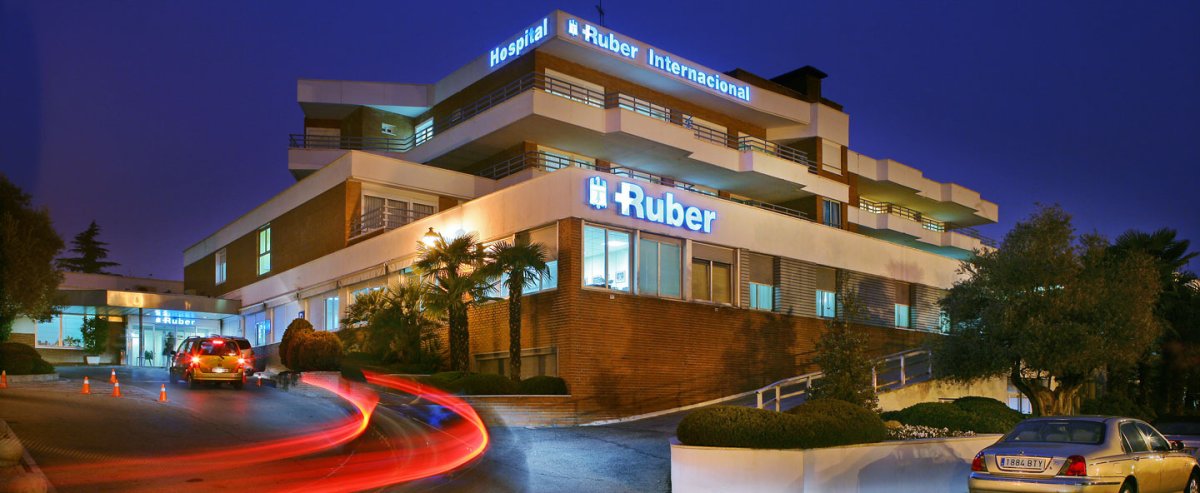
Perspectiva del experto de Bookimed: Aunque la Seguridad Social puede cubrir la cirugía correctiva de mandíbula para problemas funcionales, los pacientes siguen pagando las férulas de ortodoncia necesarias. Los centros de primer nivel, como el Hospital Ruber Internacional de Madrid, mantienen altos estándares con la acreditación de la Joint Commission International (JCI). Para l
¿Son seguros los brackets en España?
Los brackets en España son seguros y cumplen con los rigurosos estándares médicos de la Unión Europea. El sector dental privado gestiona el 95% de la atención, garantizando equipos modernos y una alta responsabilidad profesional. La mayoría de las clínicas utilizan herramientas de diagnóstico de primer nivel, como imágenes en 3D, para garantizar la precisión en el tratamiento de ortodoncia.
- Supervisión regulatoria: Las clínicas siguen las estrictas normas del Consejo General de Dentistas de España.
- Certificaciones de seguridad: Las principales instalaciones mantienen acreditaciones de seguridad de la Joint Commission International (JCI) e ISO.
- Protocolos sanitarios: Los estándares europeos de esterilización garantizan un entorno estéril para todos los procedimientos de ortodoncia.
- Técnicas especializadas: Los pacientes tienen acceso seguro a opciones avanzadas como Invisalign, brackets de cerámica y linguales.
Opinión de expertos de Bookimed: El panorama dental de España es único porque casi toda la atención es privada. Esta competencia impulsa a clínicas como el Hospital Ruber Internacional a adoptar tecnología avanzada como la resonancia magnética de 3 Teslas. Los altos estándares son una práctica habitual aquí, no solo una característica premium para los extranjeros.
Consenso de los pacientes: Los pacientes va
¿Es demasiado tarde para ponerse brackets siendo adulto?
Nunca es demasiado tarde para que los adultos se pongan brackets. Uno de cada tres pacientes de ortodoncia es un adulto que busca una mejora estética. Las clínicas españolas como el Hospital Ruber Internacional ofrecen soluciones avanzadas, incluyendo Invisalign y brackets metálicos. Estos tratamientos corrigen eficazmente los problemas de mordida y previenen enfermedades de las encías a cualquier edad.
- Plazo del tratamiento: La mayoría de los planes de ortodoncia para adultos en España duran aproximadamente 1,5 años.
- Fase de ajuste: Los cambios en el habla, como el ceceo, suelen resolverse en el plazo de un mes desde el inicio.
- Seguimiento: Espere visitas a la clínica cada 4 a 8 semanas para los ajustes necesarios.
- Opciones avanzadas: Los adultos pueden utilizar con éxito expansores de mandíbula o alineadores transparentes para la alineación.
Perspectiva del experto de Bookimed: España es una elección estratégica para recibir atención acreditada por la JCI en el Hospital Ruber Internacional. Aunque el tratamiento es altamente eficaz, el seguimiento es esencial cada 4 a 8 semanas. Esto hace que España sea ideal para residentes a largo plazo o viajeros frecuentes. Los brackets metálicos siguen siendo la opción más rentable en comparación con las marcas de alineadores más nuevas.
Consenso de los pacientes: Los paci
¿Cuáles son las mejores opciones y las menos visibles para adultos?
Los alineadores transparentes como Invisalign y los brackets de cerámica son las mejores opciones de ortodoncia, y las menos visibles, para adultos en España. Estos sistemas utilizan materiales transparentes o brackets del color de los dientes para corregir la alineación de forma discreta. Las técnicas modernas pueden resolver casos leves en aproximadamente 8 meses dentro de clínicas acreditadas por la JCI.
- Alineadores transparentes: Las férulas extraíbles de Invisalign o ClearCorrect ofrecen una invisibilidad casi total para el apiñamiento dental leve.
- Brackets de cerámica: Los brackets fijos del color de los dientes proporcionan un aspecto sutil mientras manejan correcciones estructurales complejas.
- Duración del tratamiento: Los casos leves suelen concluir en 8 meses, aunque los movimientos complejos requieren más tiempo.
- Cuidado post-tratamiento: Los retenedores nocturnos obligatorios evitan el desplazamiento después de completar la fase inicial de alineación.
Opinión de expertos de Bookimed: Aunque los alineadores transparentes son populares por su estética, los ortodoncistas en centros de primer nivel como el Hospital Ruber Internacional a menudo recomiendan brackets fijos de cerámica para una mayor precisión. Los sistemas fijos permiten resultados más predecibles en casos complejos. Elegir un proveedor con experiencia en múltiples
¿Cuánto tiempo duran los brackets para adultos?
El tratamiento con brackets para adultos suele durar entre 8 y 24 meses. Si bien los ajustes cosméticos menores pueden completarse en menos de un año, las correcciones de mordida complejas requieren más tiempo debido a los límites fisiológicos naturales de la remodelación del hueso alveolar en pacientes adultos.
- Métodos de tratamiento: Los brackets metálicos tradicionales y los alineadores transparentes Invisalign son opciones estándar.
- Factores de duración: Los casos leves terminan en 8 meses; los problemas de mordida complejos requieren 24 meses.
- Programa de mantenimiento: Los brackets metálicos requieren revisiones mensuales; Invisalign solo necesita de 2 a 3 visitas.
- Retención obligatoria: Los pacientes deben usar retenedores después del tratamiento para evitar que los dientes vuelvan a moverse.
Opinión del experto de Bookimed: La tecnología de alineadores transparentes en España ofrece una ventaja de tiempo significativa para los pacientes internacionales. Mientras que los brackets tradicionales exigen visitas cada 4 semanas, los protocolos de Invisalign permiten un total de solo 3 citas. Esto hace que las clínicas de Madrid, como el Hospital Ruber Internacional, sean altamente eficientes para quienes viajan desde el extranjero.
Consenso de los pacientes: Muchos adultos destacan que los cambios visuales sign
¿Duelen los brackets en adultos?
Los brackets para adultos causan una molestia de leve a moderada en lugar de un dolor agudo. Los pacientes suelen sentir presión y dolor a las pocas horas de la colocación, a medida que los dientes comienzan a moverse. Aunque la sensibilidad inicial alcanza su punto máximo durante las primeras 48 horas, la molestia es temporal y manejable con cera de ortodoncia o analgésicos de venta libre.
- Periodo de adaptación: El dolor suele alcanzar su punto máximo dentro de los primeros 1 a 3 días después de la colocación.
- Tejidos blandos: Los brackets pueden irritar las mejillas y los labios hasta que los tejidos se endurecen después de 2 meses.
- Densidad ósea: Los huesos de la mandíbula de los adultos maduros requieren una presión más sostenida que los pacientes más jóvenes para moverse.
- Visitas de ajuste: El ajuste rutinario del arco provoca dolores leves y sordos que duran de 1 a 3 días.
Perspectiva del experto de Bookimed: Aunque muchos se centran en el ajuste del arco, la colocación de separadores o bandas a menudo causa una molestia más aguda que los propios brackets. Elegir un centro como el Hospital Ruber Internacional en Madrid garantiza el acceso a una atención acreditada por la JCI, donde los especialistas utilizan imágenes avanzadas para controlar la salud de las raíces durante los movimientos de alta presión.
Consenso de