Prótesis provisional estética en España — obtén 3 clínicas con costos


Revisado médicamente por
Fahad Mawlood
¿Cuál es el precio de Prótesis provisional estética en España? Descubra ahora
El coste de una prótesis temporal estética en España suele oscilar entre $350 y $650. Los precios pueden variar según la clínica, la experiencia del dentista, el número de dientes a reemplazar y el material de la prótesis (acrílico, composite o PMMA). En Estados Unidos, el coste medio es de $600 (según la ADA). Esto significa que se puede pagar aproximadamente un 42% menos en España que en EE. UU.
Las clínicas dentales españolas suelen incluir en el precio la consulta inicial, las impresiones digitales, la fabricación de la prótesis, la colocación y una o dos visitas de seguimiento. En EE. UU., el precio anunciado suele cubrir solo la prótesis, cobrando aparte las impresiones, la colocación y los seguimientos. Siempre confirmar exactamente qué está incluido en cada clínica antes de reservar.
| España | Estados Unidos | México | |
|---|---|---|---|
| Prótesis provisional estética | ≈ $350 | ≈ $300 | de $180 |
Sus beneficios y garantías con Bookimed
Precios directos
Bookimed no añade cargos adicionales a los precios de Prótesis provisional estética. Las tarifas proceden de las listas de precios oficiales de las clínicas. Pagará directamente en la clínica por su Prótesis provisional estética a su llegada al país.
Sólo clínicas y médicos verificados
Bookimed está comprometido con su seguridad. Solo trabajamos con las clínicas que mantienen altos estándares internacionales en Prótesis provisional estética y tienen las licencias necesarias para atender a pacientes internacionales en todo el mundo.
Asistencia 24/7 gratuita
Bookimed ofrece asistencia experta gratuita. Un coordinador médico personal le apoya antes, durante y después del tratamiento, resolviendo cualquier problema. Nunca estará solo en su viaje médico de Prótesis provisional estética.

Su coordinador médico personal de Bookimed
- Le apoya en cada etapa
- Ayuda a elegir la clínica y el médico adecuados
- Asegura un acceso rápido y conveniente a la información
Descubra las mejores clínicas de Prótesis provisional estética en España: 1 opciones verificadas y Precios
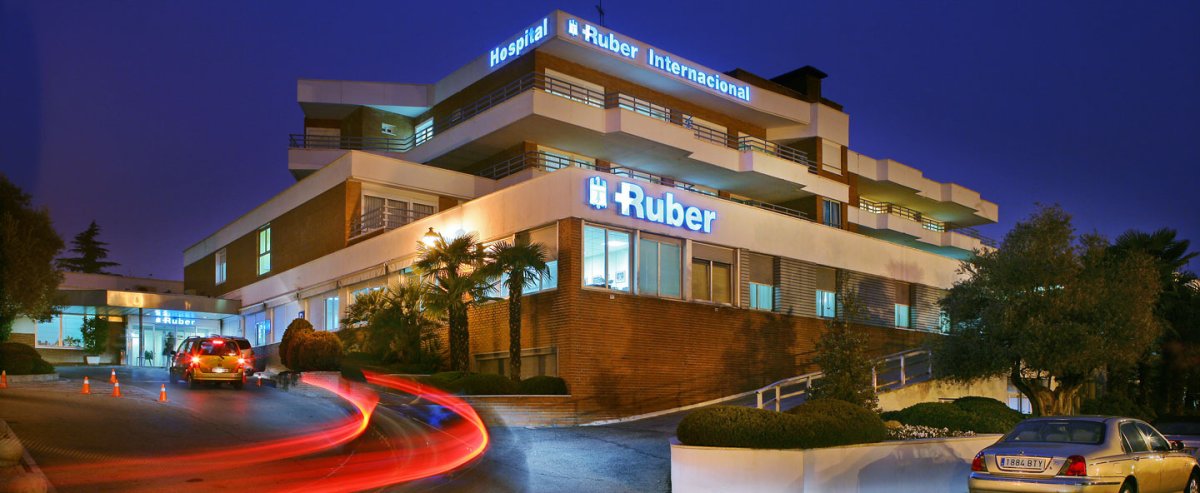


Descripción general de Prótesis provisional estética en España
- Prótesis de un diente - de $1,700El procedimiento reemplaza los dientes perdidos o dañados, mejorando la función masticatoria y restaurando una sonrisa de apariencia natural.
- Prótesis provisional estética - de $350Este tratamiento consiste en reemplazos dentales temporales y agradables a la vista, que mejoran la apariencia mientras se esperan los ajustes protésicos permanentes.
Día 1
- Llegada al aeropuerto del país anfitrión.
- Traslado a la clínica desde el aeropuerto.
- Consulta inicial con el dentista.
- Se proporciona asistencia con el idioma si es necesario.
- Check-in en el hotel 4* para pasar la noche.
Dia 2
- Someterse a las pruebas médicas necesarias.
- Discutir procedimientos adicionales si es necesario.
- Preparación para el proceso de prótesis provisional estética.
Día 3
- Inicio del proceso de prótesis provisional estética.
- Se administra anestesia local.
- El proceso dura unas 3-4 horas.
- Seguimiento postoperatorio en la clínica.
Día 4
- Revisión y retirada de la prótesis para su limpieza.
- Recolocación de la prótesis después de la limpieza.
- Instrucciones sobre cómo cuidar la prótesis en casa.
- Salida del hotel y traslado al aeropuerto.
Semana 1 - Semana 2
- Cuidados a domicilio de la prótesis.
- Regreso al trabajo después de 1 semana si no hay complicaciones.
- Consulta de seguimiento con un dentista local si es necesario.
Semana 3
- Reanudación de actividades normales excepto deportes pesados.
- Cuidados continuos en el hogar para la prótesis.
Semana 4
- Reanudación de todas las actividades, incluidos los deportes pesados.
- Se puede ver el resultado final de la prótesis provisional estética.
Tenga en cuenta: el caso de cada paciente es individual y el proceso puede variar.
- Depósito de Bookimed: 200 $ o 200 €.
- Depósito de la clínica: Pague un porcentaje fijo por adelantado.
Obtenga una evaluación médica para Prótesis provisional estética en España: Elija su especialista entre los mejores en el campo
Ver todos los médicos
Mauricio Sánchez Pardo
Historias en video de pacientes de Bookimed
Reseñas
Todas las reseñasCompartir contenido
 Olena Sikoza
Preguntas frecuentes sobre Prótesis provisional estética en España
¿Qué es una prótesis estética temporal?
Una prótesis estética temporal es una solución clínica no permanente diseñada para restaurar una apariencia natural y preservar la función inmediatamente después de la cirugía. Estos dispositivos provisionales, que incluyen coronas dentales o prótesis mamarias de silicona, protegen los tejidos sensibles en proceso de curación y mantienen la simetría corporal o facial antes de las restauraciones permanentes.
- Técnicas dentales: Las opciones incluyen la colocación de coronas temporales, prótesis removibles y prótesis de arco completo con carga inmediata.
- Calidad del material: Las unidades suelen utilizar acrílico o composite de grado médico para garantizar la comodidad durante las fases de curación.
- Duración: La mayoría de los pacientes usan temporales durante 3 a 6 meses hasta que se completa la osteointegración.
- Preservación de la simetría: Estos dispositivos mantienen el espacio del hueso maxilar y evitan el colapso de los tejidos blandos después de la extracción dental.
Perspectiva del experto de Bookimed: Las clínicas españolas como el Hospital Ruber Internacional ofrecen carga inmediata avanzada para implantes de arco completo. Los datos sugieren que elegir clínicas con acreditación de la Joint Commission International (JCI) garantiza estándares de seguridad más altos para las colocaciones temporales. Muchos pacientes pasan por alto
¿Puedo comer normalmente con una prótesis temporal?
No se recomienda comer normalmente con una prótesis temporal estética. Estos aparatos restauran principalmente su sonrisa mientras espera las restauraciones permanentes como implantes o coronas. Dado que son menos estables y duraderos que las versiones finales, debe modificar su dieta para evitar daños o desplazamientos.
- Textura de los alimentos: Manténgase con alimentos blandos como pasta, yogur y puré de verduras durante la fase de adaptación.
- Artículos problemáticos: Evite caramelos duros, frutos secos, palomitas de maíz y alimentos pegajosos que puedan romper el aparato.
- Técnica de masticación: Distribuya la presión uniformemente en ambos lados de la boca para mantener la succión y la estabilidad.
- Sensibilidad a la temperatura: Tenga cuidado con los artículos muy calientes o fríos, ya que los temporales proporcionan menos aislamiento.
Perspectiva del experto de Bookimed: La estabilidad difiere significativamente entre las unidades temporales superiores e inferiores. Las prótesis superiores utilizan el paladar para la succión. Sitios como el Hospital Ruber Internacional en Madrid enfatizan que un ajuste seguro previene la tensión en la mandíbula. Si su temporal se siente flojo, use cera dental para una mejor estabilidad durante las comidas.
Consenso de los pacientes: Espere un breve período de adaptación donde
¿Qué pasa si la prótesis temporal se rompe o se cae?
Si una prótesis temporal estética se rompe o se cae, contacte a su dentista de inmediato para evitar el crecimiento excesivo de las encías o el desplazamiento de los dientes. Aunque a menudo no es una emergencia, un reemplazo rápido en clínicas españolas acreditadas por la JCI asegura que el sitio permanezca saludable para su restauración permanente final.
- Acción inmediata: Guarde todas las piezas de la prótesis; nunca use pegamento doméstico ni adhesivos para reparaciones.
- Solución temporal: Use cemento dental de farmacia o pasta de dientes para volver a colocar temporalmente una corona suelta.
- Restricciones dietéticas: Evite masticar por el lado afectado y omita todos los alimentos duros o pegajosos.
- Pilares de cicatrización: Busque un reemplazo profesional en cuestión de horas si se cae un tornillo de cicatrización de metal.
Perspectiva del experto de Bookimed: La rotura temprana a menudo está relacionada con el bruxismo o un ajuste deficiente. Instituciones líderes como el Hospital Ruber Internacional utilizan malla metálica o barras de titanio para reforzar los puentes temporales en pacientes con patrones de mordida de alta presión. Si su prótesis temporal falla, pregunte a su coordinador sobre estos refuerzos estructurales para el reemplazo.
Consenso de los pacientes: Muchos pacientes consideran que la rotu
¿Cuánto duran las prótesis temporales?
Las prótesis temporales estéticas en España suelen durar de 6 a 9 meses. Este plazo proporciona tiempo suficiente para la osteointegración, donde el implante se fusiona con el hueso de la mandíbula. Aunque las coronas o puentes temporales pueden permanecer por períodos más cortos, la mayoría de los pacientes los usan hasta que finaliza la fase de curación definitiva.
- Fase de curación: La mayoría de los pacientes usan temporales durante 6 meses durante el proceso de integración ósea.
- Injerto óseo: El uso se extiende a 9 meses si requiere procedimientos adicionales de injerto óseo.
- Función estética: Estos dispositivos mantienen su sonrisa y habla mientras se fabrica la corona permanente.
- Durabilidad del material: Los cirujanos utilizan materiales ligeros ya que estas unidades no son para uso a largo plazo.
Perspectiva del experto de Bookimed: Las mejores clínicas de España, como el Hospital Ruber Internacional, mantienen altos estándares de seguridad con la acreditación JCI. Los datos sugieren que los pacientes deben ver la fase temporal de 6 meses como una prueba vital. Este período permite que las encías se formen perfectamente antes de colocar la corona final, que es más costosa. Acelerar este paso a menudo conduce a resultados estéticos deficientes o a un ajuste inadecuado.
Consenso de los pacientes: Los pacien
¿Cuál es el proceso para obtener una prótesis temporal en España?
Obtener una prótesis temporal en España implica una evaluación clínica, la colocación quirúrgica del implante y una restauración estética inmediata. Los cirujanos colocan coronas o dentaduras provisionales poco después de la cirugía para proteger el área durante el período de osteointegración de 3 a 6 meses, cuando el hueso se fusiona con el implante.
- Planificación inicial: Los escaneos 3D y las imágenes evalúan la densidad ósea y definen la colocación del implante.
- Fase quirúrgica: Los cirujanos realizan extracciones y colocan implantes de titanio utilizando anestesia local.
- Cronograma de ajuste: Las coronas temporales generalmente se ajustan dentro de las 4 horas o el mismo día.
- Duración de la curación: Los pacientes usan restauraciones provisionales durante 3 a 6 meses mientras las encías sanan.
Perspectiva del experto de Bookimed: Si bien muchas clínicas estándar proporcionan coronas temporales en unos pocos días, los centros de primer nivel como el Hospital Ruber Internacional en Madrid utilizan imágenes avanzadas para ofrecer carga inmediata. Elegir un centro acreditado por la JCI garantiza que los materiales de injerto óseo, como los aloinjertos, cumplan con los estándares internacionales de seguridad para una estabilización más rápida.
Consenso de los pacientes: Los pacientes enfatizan la planificación de
¿Qué materiales se utilizan para las restauraciones temporales?
Las restauraciones temporales utilizan materiales especializados como resinas compuestas, óxido de zinc y eugenol, y cementos de ionómero de vidrio. Estos materiales protegen la pulpa dental y mantienen la estética durante la preparación de la corona. Las clínicas españolas a menudo priorizan las resinas compuestas aplicadas en el consultorio para los dientes frontales, con el fin de garantizar una apariencia natural y del color del diente durante la fase de curación.
- Resinas compuestas: Materiales del color del diente utilizados para carillas estéticas e incrustaciones.
- Óxido de zinc y eugenol: Material sedante que calma la pulpa durante los tratamientos endodónticos.
- Cemento de ionómero de vidrio: Compuesto autoadhesivo utilizado para el sellado temporal y la liberación de flúor.
- Compuestos para obturaciones temporales: Materiales a base de resina como Cavit que se endurecen en ambientes húmedos.
Opinión del experto de Bookimed: Las clínicas en Madrid, como el Hospital Ruber Internacional, utilizan protocolos avanzados acreditados por la JCI para la rehabilitación estética. Los datos sugieren que elegir resina compuesta aplicada en el consultorio en lugar de acrílicos prefabricados mejora significativamente la satisfacción del paciente. Esto se debe a que el compuesto permite un curado UV inmediato y una mejor combinación de colores p
¿Son estéticas las prótesis temporales?
Las prótesis temporales están diseñadas para proporcionar un aspecto natural mientras los pacientes esperan los reemplazos permanentes hechos a medida. La odontología moderna garantiza que estas soluciones provisionales cubran el hueco tras la extracción. Utilizan resinas de alta calidad para igualar sus dientes existentes y dar forma a sus encías para las restauraciones cerámicas finales.
- Colocación inmediata: Los dentistas rellenan los huecos de extracción inmediatamente para mantener la integridad de su sonrisa durante la curación.
- Gestión de tejidos: Los diseños especializados ayudan a dar forma a las encías para obtener mejores resultados estéticos finales después de la cirugía.
- Calidad del material: Los dientes temporales modernos utilizan resinas duraderas que imitan el color y la luz del esmalte natural.
- Rol procedimental: Protegen los sitios quirúrgicos mientras aseguran una función del habla y unas interacciones sociales seguras.
Opinión del experto de Bookimed: España ofrece un valor único para rehabilitaciones complejas. Centros con múltiples acreditaciones, como el Hospital Ruber Internacional, utilizan protocolos certificados por la JCI para garantizar la seguridad. Elegir estas clínicas asegura que sus dientes temporales soporten el período de curación de 3 a 6 meses sin mancharse. Los materiales de calidad en Madrid suel