Clínica Dental Raíces
España, Tenerife


Revisado médicamente por
Fahad Mawlood
De $840. El precio depende de la zona del injerto (dental, maxilar, ortopédico), la experiencia del cirujano y si se trata de un injerto menor o mayor. En Estados Unidos, el costo promedio es de $2,700 (según la AAOMS). Esto significa que los injertos óseos autógenos en España son aproximadamente un 69% más económicos que en EE. UU.
Las clínicas españolas suelen incluir los honorarios del cirujano, la anestesia, el uso del quirófano, la obtención del hueso, la colocación del injerto y las visitas de seguimiento estándar. En EE. UU., el precio indicado a menudo solo cubre el procedimiento en sí, mientras que la anestesia, las tarifas de las instalaciones y el cuidado posterior se facturan por separado. Siempre confirmar qué está incluido en el presupuesto antes de reservar.
| España | Estados Unidos | México | |
|---|---|---|---|
| Injerto óseo autógeno | de $840 | ≈ $1,800 | de $400 |
Día 1 - Llegada
Día 2 - Preoperatorio
Día 3 - Cirugía de injerto óseo autógeno
Día 4 - Postoperatorio
Semana 1 - Rehabilitación
Semana 2 - Rehabilitación
Semana 3 - Rehabilitación
Semana 6 - Rehabilitación
Tenga en cuenta que el caso de cada paciente es único y el cronograma puede variar según el estado de salud y la velocidad de recuperación de la persona.
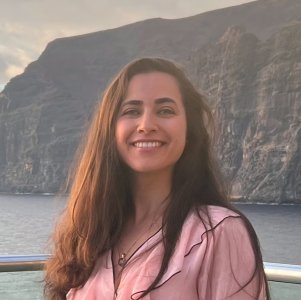
La Dra. Alaa Ghuzlan es odontóloga con más de 10 años de experiencia. Ha tratado a miles de pacientes en varios países. Cuenta con una especialización en implantología dental de la Universidad de Barcelona. Continúa formándose para ofrecer tratamientos actualizados.
Su consulta utiliza radiología 2D y 3D y un escáner intraoral 3D. Estas herramientas mejoran la experiencia del paciente y agilizan los flujos de trabajo. También permiten ofrecer una atención más rápida.
 Olena Sikoza
Los injertos óseos autólogos eliminan los riesgos de rechazo y transmisión de enfermedades, pero conllevan riesgos significativos relacionados con la morbilidad del sitio donante. La extracción de hueso de la cadera, la mandíbula o el mentón crea una segunda herida quirúrgica, lo que aumenta las posibilidades de infección, daño nervioso y pérdida sensorial crónica.
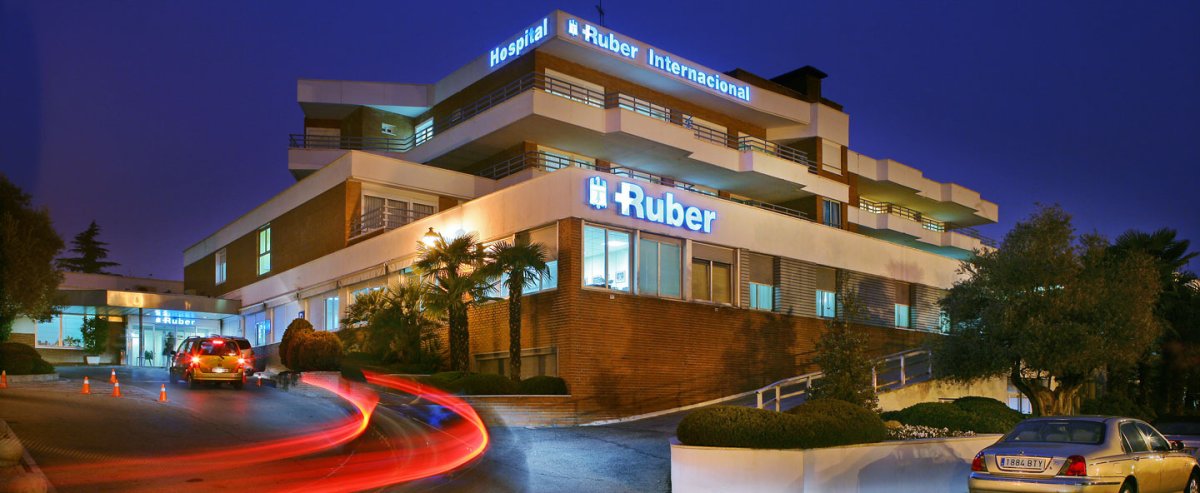
Perspectiva del experto de Bookimed: Los centros españoles como el Hospital Ruber Internacional combinan la seguridad acreditada por la JCI con radiología 3D avanzada. Los datos muestran que elegir la extracción de la mandíbula o el mentón en lugar de la cresta ilíaca reduce significativamente el dolor de la recuperación. El Dr. Alaa Ghuzlan de Clinica Dental Raices se centra en estos sitios localizados para minimizar la carga quirúrgica.
Consenso de los pacientes: El sitio donante a menudo causa más molestias que
Un injerto óseo autólogo es un procedimiento quirúrgico que extrae hueso del propio cuerpo del paciente para reparar o aumentar otra zona. Debido a que contiene elementos celulares vivos y factores de crecimiento, este método, considerado el estándar de oro, ofrece una compatibilidad inmunológica del 100% y elimina el riesgo de rechazo de tejido.
Perspectiva de expertos de Bookimed: Clínicas avanzadas de España como el Hospital Ruber Internacional utilizan resonancia magnética 3T y radiología 3D para mapear los sitios donantes con extrema precisión. Los pacientes a menudo prefieren clínicas en Tenerife como Clinica Dental Raices para la regeneración ósea especializada. Este enfoque de alta tecnología reduce significativamente el trauma de la extracción en comparación con los métodos manuales tradicionales.
Consenso de los pacientes: A
Un injerto óseo autólogo es necesario cuando un paciente carece de suficiente volumen de hueso maxilar para la colocación estable de implantes dentales. Esta técnica utiliza el propio hueso del paciente, extraído de la mandíbula, el mentón o la cadera, para garantizar una biocompatibilidad del 100% y estimular la regeneración ósea natural a través de células vivas.
Opinión del experto de Bookimed: Aunque los injertos autólogos ofrecen las tasas de éxito más altas, muchas clínicas españolas utilizan ahora radiología 3D para minimizar el trauma en el sitio de extracción. En la Clínica Dental Raices de Tenerife, el Dr. Alaa Ghuzlan utiliza escáneres 3D para determinar exactamente cuánto hueso se necesita, lo que a menudo reduce la huella quirúrgica en comparación con los métodos tradicionales.
Consenso de los pacientes: Los pacientes recomiendan solicitar escaneos 3D
Para un injerto óseo autólogo en España, los cirujanos suelen extraer hueso de la cresta ilíaca (hueso de la cadera). Este sitio es el estándar de oro porque proporciona el mayor volumen de médula y células vivas. Otros sitios donantes incluyen la espinilla o las costillas.
Opinión experta de Bookimed: Los centros españoles como el Hospital Ruber Internacional combinan imágenes avanzadas con la extracción. Las instalaciones acreditadas por la JCI a menudo utilizan radiología 3D para mapear los sitios donantes con precisión. Esto ayuda a los cirujanos a minimizar el tamaño de la incisión y reduce las molestias posoperatorias en el sitio de extracción. Elegir un hospital con un alto volumen de casos garantiza que el equipo quirúrgico tenga una amplia experiencia con estas delicadas extracciones.
Consenso de los pacientes: Espere algunas molestias
La recuperación inicial de un injerto óseo autólogo en España toma de 1 a 2 semanas para que las heridas quirúrgicas sanen. La integración completa del tejido óseo donado y la recuperación funcional total generalmente requieren entre 6 meses y 1,5 años para la mayoría de los pacientes.
Perspectiva del experto de Bookimed: Los indicadores de calidad en España a menudo se alinean con la tecnología de diagnóstico avanzada en lugar del tamaño del hospital. Centros como Clinica Dental Raices utilizan radiología 3D y escáneres intraorales para mapear la densidad ósea con precisión. Esta precisión ayuda a los cirujanos a predecir las tasas de integración del injerto de manera más confiable durante la fase inicial de recuperación de 2 semanas.
Consenso de los pacientes: Muchos pacientes informan dolor leve durante 14 días y enfatizan seguir reglas estrictas de carga de peso. Los cronogramas cl
Elegir España para un injerto óseo autólogo proporciona acceso a hospitales acreditados por la Joint Commission International y a cirujanos expertos en regeneración ósea avanzada. Los pacientes se benefician de técnicas de recolección de tejido propio que eliminan los riesgos de rechazo, ahorrando hasta un 69% en comparación con los costos promedio en Estados Unidos para reconstrucciones ortopédicas o dentales.
Perspectiva del experto de Bookimed: España se encuentra entre los 5 principales destinos mundiales en Bookimed. Hospitales de gran volumen como el Hospital Ruber Internacional tratan a 25,000 pacientes al año. Este volumen sugiere que los equipos ortopédicos españoles manejan casos raros de injertos óseos con más frecuencia que las clínicas occidentales generales. Los p