Implante basal en España — obtén 3 clínicas con costos


Revisado médicamente por
Fahad Mawlood
¿Cuál es el precio de Implante basal en España? Descubra ahora
El costo de los procedimientos dentales con implantes basales en España suele oscilar de _price_from_ a _price_to_. Los precios varían según la cantidad de implantes, la clínica, la experiencia del cirujano en técnicas basales (corticales) y si se requiere carga inmediata o restauración de arcada completa. UU.
Las clínicas españolas suelen incluir la consulta inicial, radiografías panorámicas o escáneres 3D CBCT, colocación quirúrgica de implantes basales, materiales protésicos (como dientes fijos inmediatos), anestesia y visitas de seguimiento. En EE. UU., estos servicios suelen cobrarse por separado: consultas, imágenes, anestesia y dientes temporales pueden no estar incluidos en el precio base. Siempre confirmar qué está incluido en cada clínica antes de reservar.
Sus beneficios y garantías con Bookimed
Precios directos
Bookimed no añade cargos adicionales a los precios de Implante basal. Las tarifas proceden de las listas de precios oficiales de las clínicas. Pagará directamente en la clínica por su Implante basal a su llegada al país.
Sólo clínicas y médicos verificados
Bookimed está comprometido con su seguridad. Solo trabajamos con las clínicas que mantienen altos estándares internacionales en Implante basal y tienen las licencias necesarias para atender a pacientes internacionales en todo el mundo.
Asistencia 24/7 gratuita
Bookimed ofrece asistencia experta gratuita. Un coordinador médico personal le apoya antes, durante y después del tratamiento, resolviendo cualquier problema. Nunca estará solo en su viaje médico de Implante basal.

Su coordinador médico personal de Bookimed
- Le apoya en cada etapa
- Ayuda a elegir la clínica y el médico adecuados
- Asegura un acceso rápido y conveniente a la información
Descubra las mejores clínicas de Implante basal en España: 1 opciones verificadas y Precios
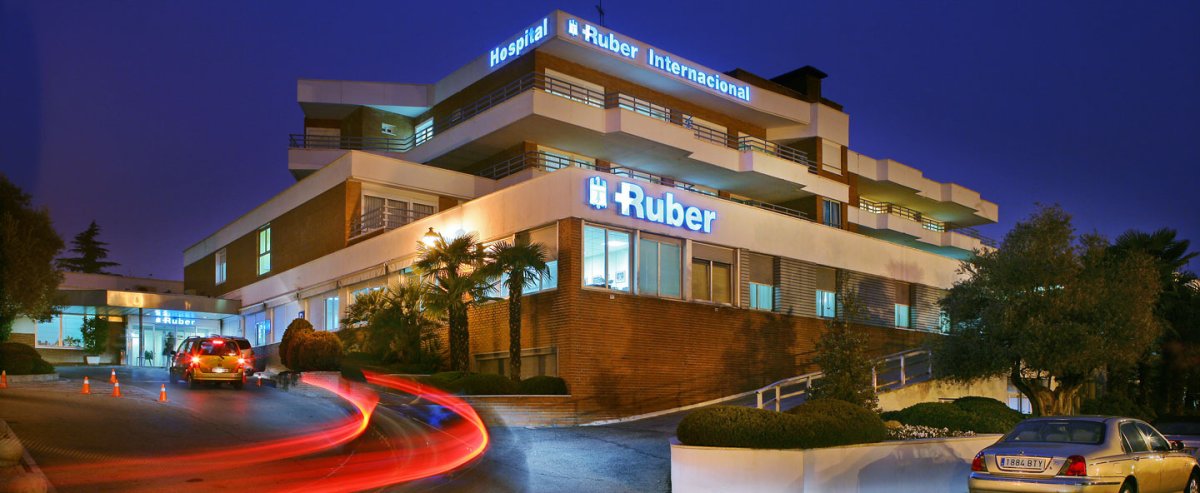


Descripción general de Implante basal en España
- Implantes dentales All-on-4 - de $6,300Esta terapia restaura un juego completo de dientes usando cuatro implantes por maxilar, ofreciendo durabilidad, comodidad y una apariencia natural.
- Implantes dentales All-on-6 - de $8,000Esta terapia reemplaza arcos dentales completos usando solo seis implantes, ofreciendo a los pacientes estabilidad y comodidad.
- Mini-implantes - de $1,700Esta terapia reemplaza los dientes perdidos con pequeños postes de metal, lo que garantiza un aspecto natural y una masticación fácil.
- Instalación de un implante dental con corona - de $2,200Esta terapia consiste en colocar una raíz dental artificial y una tapa para restaurar un diente faltante, ofreciendo durabilidad y apariencia natural.
- Implante dental - de $900Esta terapia instala raíces dentales artificiales para restaurar la función y la apariencia, ofreciendo durabilidad, comodidad y una sensación natural.
- Implante Dental con Pilar - de $890El procedimiento instala una raíz de diente protésico y un conector para un diente postizo, mejorando la salud bucal y la sonrisa.
- Implantes dentales todo en 2 - de $6,200Esta terapia reemplaza los dientes perdidos con dos implantes y un puente dental completo, para una mejor calidad de vida.
Día 1: Llegada
- Llegada al país y registro en su alojamiento.
- Descansar y aclimatarse al nuevo entorno.
Día 2: Preoperatorio
- Visite la clínica para una consulta inicial.
- Reúnase con un especialista dental para discutir el procedimiento.
- Someterse a las pruebas médicas necesarias para estar listo para la cirugía.
Día 3: Procedimiento de implante basal
- Llegue a la clínica y prepárese para la cirugía.
- Recibir anestesia local para adormecer el área de la operación.
- El procedimiento suele durar de 2 a 3 horas.
Día 4: Postoperatorio
- Permanezca en la clínica para observación y recuperación.
- Reciba instrucciones para el manejo del dolor y el cuidado.
Semana 1: Rehabilitación
- Descansa y recupérate, evita actividades extenuantes.
- Seguir una dieta blanda para facilitar la cicatrización.
- Limpie regularmente el área del implante según las instrucciones.
Semana 2-3: Rehabilitación
- Reanudar gradualmente las actividades normales.
- Regreso al trabajo a las dos semanas, dependiendo de la recuperación.
- Citas regulares de seguimiento para controlar la curación.
Mes 1-3: Rehabilitación
- Reanudar las actividades deportivas después de seis semanas.
- Los resultados finales se pueden ver después de tres meses.
Tenga en cuenta que el cronograma de recuperación de cada paciente puede variar y está influenciado por su salud general y el cumplimiento de las instrucciones posoperatorias.
- Depósito de Bookimed: 200 $ o 200 €.
- Depósito de la clínica: Pague un porcentaje fijo por adelantado.
Historias en video de pacientes de Bookimed
Reseñas
Todas las reseñasCompartir contenido
 Olena Sikoza
Preguntas frecuentes sobre Implante basal en España
¿Son seguros los implantes basales en España para pacientes con pérdida ósea severa?
Los implantes basales en España son una solución segura y respaldada científicamente para pacientes con atrofia ósea severa. Al anclarse en el hueso cortical denso, estos implantes evitan la necesidad de injertos óseos complejos. Las tasas de éxito superan el 95%, ofreciendo una alternativa fiable para pacientes previamente rechazados para implantes tradicionales.
- Tasa de éxito: Los estudios clínicos reportan tasas de supervivencia superiores al 95% para las técnicas de anclaje cortical.
- Resistencia a infecciones: El diseño minimiza las infecciones de tejidos blandos, con tasas reportadas tan bajas como el 0.1%.
- Estabilidad ósea: Los implantes utilizan la capa basal del hueso maxilar, que permanece estable y resiste la reabsorción.
- Estándares de las clínicas: Centros líderes en Madrid como el Hospital Ruber Internacional mantienen certificaciones de seguridad JCI e ISO.
Perspectiva del experto de Bookimed: Los hospitales de primer nivel en España a menudo integran la cirugía dental dentro de centros multidisciplinarios como el Hospital Ruber Internacional. Esto es vital para pacientes con pérdida ósea severa causada por condiciones sistémicas. Tener acceso a resonancia magnética de 3 Teslas y cardiólogos expertos en el mismo centro garantiza una mayor seguridad durante procedimientos restaurativos complejos.
Consenso de l
¿Existen restricciones o riesgos con los implantes basales?
Los implantes basales ofrecen una alta tasa de éxito inicial, pero conllevan riesgos a largo plazo como infecciones, daño nervioso o rechazo del implante. Estos dispositivos de una sola pieza evitan los injertos óseos en casos de atrofia severa; sin embargo, los especialistas pueden restringir su uso en fumadores, pacientes con diabetes no controlada o aquellos que toman bisfosfonatos.
- Restricciones sistémicas: La diabetes no controlada y los tratamientos activos contra el cáncer aumentan el riesgo de fracaso.
- Requisitos de edad: Los procedimientos generalmente se limitan a pacientes mayores de 18-21 años con mandíbulas desarrolladas.
- Tasas de éxito: Las tasas de éxito reportadas alcanzan el 98% inicialmente, a pesar de las posibles limitaciones protésicas a largo plazo.
- Complejidad de extracción: La extracción de implantes basales fallidos es significativamente más invasiva que la de los tipos crestales tradicionales.
Perspectiva del experto de Bookimed: España alberga más de 80 clínicas que manejan estos casos complejos, incluyendo instalaciones acreditadas por la JCI como el Hospital Ruber Internacional. Aunque los implantes basales permiten la carga inmediata, nuestros datos sugieren compararlos con los implantes crestales angulados. Las clínicas españolas de alto volumen a menudo recomiendan alternativas modernas para una mejor fle
¿Qué es un implante basal y en qué se diferencia de los implantes tradicionales?
Los implantes basales son dispositivos dentales especializados anclados en el hueso cortical basal denso. A diferencia de los implantes tradicionales que utilizan hueso superficial más blando, estos se insertan en las capas más profundas de la mandíbula. Esto proporciona estabilidad inmediata a pacientes con pérdida ósea severa o atrofia sin necesidad de injertos óseos.
- Anclaje óseo: Se anclan en el hueso cortical denso en lugar de en las capas de hueso esponjoso.
- Cronograma de tratamiento: Ofrece resultados el mismo día con carga inmediata de coronas permanentes o temporales.
- Requisitos quirúrgicos: Elimina la necesidad de elevación de seno o injertos óseos en la mayoría de los casos.
- Diseño de una sola pieza: Presenta una estructura simplificada de una sola pieza en comparación con los complejos sistemas tradicionales de varias partes.
Perspectiva del experto de Bookimed: Aunque los implantes tradicionales siguen siendo el estándar mundial, los implantes basales en España sirven como una alternativa vital para pacientes con injertos previos fallidos. En centros líderes como el Hospital Ruber Internacional en Madrid, la acreditación JCI garantiza altos estándares de seguridad para el anclaje óseo complejo. Elegir implantes basales puede reducir el tiempo total de tratamiento de seis meses a solo tres días.
Consenso de lo
¿Qué incluye un paquete de implantes basales en España?
Los paquetes de implantes basales en España ofrecen una atención integral para restauraciones de carga inmediata. Estos paquetes suelen oscilar entre Precio a consultar y Precio a consultar por unidad. Las inclusiones estándar cubren la imagen 3D inicial, la colocación quirúrgica del implante, la anestesia local y la prótesis fija final.
- Imagen diagnóstica: Incluye radiografías panorámicas esenciales o escaneos CBCT 3D para la precisión de la colocación.
- Componentes quirúrgicos: Cubre los postes de implantes basales de titanio y los pilares necesarios para la carga inmediata.
- Prótesis fija: A menudo incluye tanto dientes temporales inmediatos como el puente final de circonio o porcelana.
- Cuidado de seguimiento: Los paquetes estándar incluyen revisiones postoperatorias para controlar la osteointegración y la alineación de la mordida.
Perspectiva del experto de Bookimed: Aunque los centros principales como Madrid albergan instalaciones acreditadas por la JCI, como el Hospital Ruber Internacional, las estructuras de los paquetes varían significativamente. UU. Verifique siempre si el injerto óseo está incluido. Algunas clínicas lo omiten para reducir la cotización inicial.
Consenso de los pacientes:
¿Cuánto tiempo dura el tratamiento?
El tratamiento con implantes basales en España suele durar 1 día para la cirugía y la colocación inmediata de los dientes. Los cirujanos utilizan sistemas de implantes bicorticales para la carga inmediata. Esta técnica permite a los pacientes recibir dientes funcionales en una sola visita, sin los meses de espera necesarios para los implantes dentales tradicionales.
- Duración de la cirugía: Las técnicas de carga inmediata permiten la colocación de los dientes el mismo día.
- Integración primaria: La integración ósea inicial comienza aproximadamente 3 meses después de la colocación.
- Integración total: La integración ósea completa es un proceso a largo plazo que dura hasta 7 años.
- Técnica utilizada: Los especialistas utilizan sistemas bicorticales diseñados específicamente para el hueso basal duro.
Opinión del experto de Bookimed: Los implantes basales proporcionan una solución única para pacientes con pérdida ósea severa. Los centros de gran volumen como el Hospital Ruber Internacional mantienen la acreditación JCI mientras atienden a 25,000 pacientes al año. Nuestros datos muestran que los pacientes priorizan España para este método porque las clínicas de EE. UU. rara vez ofrecen estos sistemas bicorticales específicos.
Consenso de los pacientes: Los pacientes valoran la rapidez de la cirugía, pero enfatizan la impo
¿Dónde puedo encontrar las mejores clínicas de implantes basales en España?
Las mejores clínicas de implantes basales en España se encuentran en Madrid, Valencia y Almería, especializándose en casos complejos con pérdida ósea severa. Centros de gran volumen como el Hospital Ruber Internacional en Madrid cuentan con la acreditación de la Joint Commission International (JCI), proporcionando protocolos de carga inmediata como implantes bicorticales y basalostesis.
- Centros en Madrid: El Hospital Ruber Internacional cuenta con normas ISO y está clasificado entre los 6 mejores hospitales de España.
- Clínicas en Valencia: Clínicas como Gnadent y Cots mantienen valoraciones entre 4.8 y 5.0.
- Técnicas especializadas: Los centros ofrecen implantes de disco de carga inmediata y soluciones bicorticales para la atrofia ósea.
- Ubicaciones estratégicas: Los principales centros para consultas de cirugía maxilofacial compleja incluyen Valencia y Madrid.
Opinión del experto de Bookimed: España ofrece basalostesis, una técnica actualmente no disponible para pacientes en los Estados Unidos. Mientras que los costos en EE. UU. Verifique que el departamento ofrezca Cirugía Maxilofacial en lugar de solo odontología general para estos procedimientos complejos.
Consenso de los pacientes: