Brackets para un solo diente en España — obtén 3 clínicas con costos


Revisado médicamente por
Fahad Mawlood
¿Cuál es el precio de Brackets para un solo diente en España? Descubra ahora
El costo de los brackets para un solo diente en España suele oscilar entre _price_from_ y _price_to_. Los precios pueden variar según el tipo de aparato (metálico, cerámico o alineadores transparentes), la experiencia del ortodoncista y la ubicación de la clínica. UU.
Las clínicas españolas suelen incluir en el precio la consulta inicial, los diagnósticos (radiografías, impresiones), la colocación del aparato y las visitas de seguimiento estándar. En EE. UU., los costos de diagnósticos, retenedores y citas de seguimiento suelen cobrarse por separado. Siempre consultar con la clínica para confirmar exactamente qué está incluido en el plan de tratamiento.
Sus beneficios y garantías con Bookimed
Precios directos
Bookimed no añade cargos adicionales a los precios de Brackets para un solo diente. Las tarifas proceden de las listas de precios oficiales de las clínicas. Pagará directamente en la clínica por su Brackets para un solo diente a su llegada al país.
Sólo clínicas y médicos verificados
Bookimed está comprometido con su seguridad. Solo trabajamos con las clínicas que mantienen altos estándares internacionales en Brackets para un solo diente y tienen las licencias necesarias para atender a pacientes internacionales en todo el mundo.
Asistencia 24/7 gratuita
Bookimed ofrece asistencia experta gratuita. Un coordinador médico personal le apoya antes, durante y después del tratamiento, resolviendo cualquier problema. Nunca estará solo en su viaje médico de Brackets para un solo diente.

Su coordinador médico personal de Bookimed
- Le apoya en cada etapa
- Ayuda a elegir la clínica y el médico adecuados
- Asegura un acceso rápido y conveniente a la información
Descubra las mejores clínicas de Brackets para un solo diente en España: 1 opciones verificadas y Precios
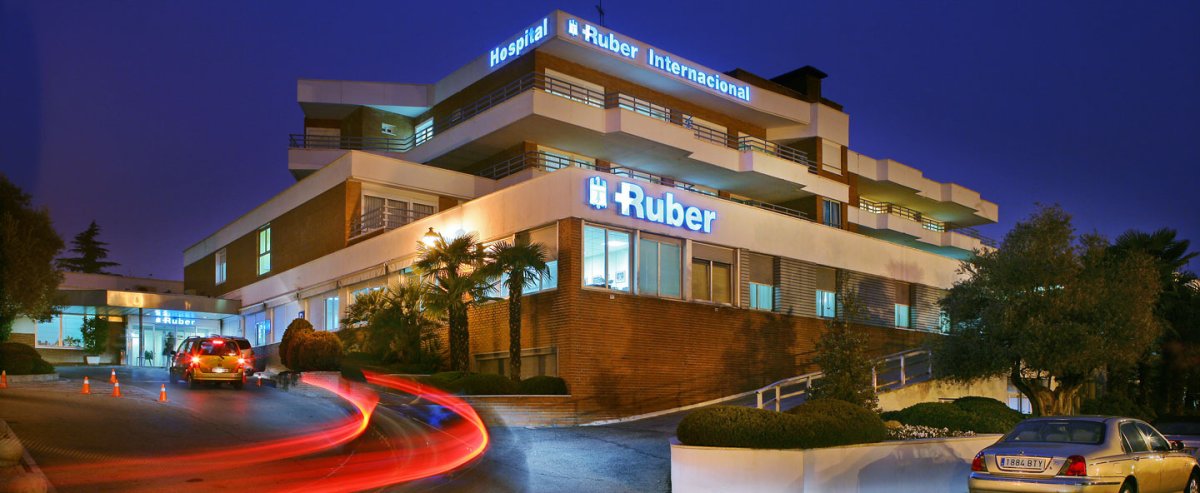


Descripción general de Brackets para un solo diente en España
- Brackets - de $1,900Esta terapia ayuda a enderezar los dientes y alinear las mandíbulas, lo que requiere ajustes regulares durante un período para obtener los mejores resultados.
- Instalación de ortodoncia lingual - de $5,500Esta terapia ayuda a enderezar los dientes usando aparatos ortopédicos colocados detrás, ofreciendo una solución de ortodoncia oculta y eficiente.
- Brackets de cerámica - de $2,800Este tratamiento utiliza brackets y alambres del color del diente para enderezar los dientes de una manera menos visible.
- El procedimiento utiliza aparatos ortopédicos avanzados para alinear una mandíbula, presentando molestias mínimas, discretas y eficientes y un tratamiento más rápido.
Día 1: Llegada
- Check-in en la recepción de la clínica.
- Reúnase con el ortodoncista para la consulta.
- Sométete a un examen oral y radiografías.
- Discuta el plan de tratamiento y las opciones de frenos.
Día 2: Preoperatorio
- Visite la clínica para un chequeo detallado.
- Sométete a una limpieza dental profesional.
- Obtenga impresiones de sus dientes para aparatos ortopédicos.
Día 3: Aplicación de frenos
- Llegue a la clínica para la aplicación de frenos.
- Someterse a anestesia local para mayor comodidad.
- El proceso de aplicación de frenos toma de 1 a 2 horas.
- Reciba instrucciones de cuidado después de la aplicación.
Día 4: Postoperatorio
- Quédese en casa y ajústese a los frenos.
- Coma alimentos blandos para evitar molestias.
- Use analgésicos si es necesario.
- Mantenga la rutina de higiene bucal según las instrucciones.
Semana 1: Rehabilitación
- Reanude sus actividades normales después de la primera semana.
- Visite la clínica para revisión y ajustes.
- Continúe con la rutina habitual de higiene bucal.
Semana 2 a 6: Seguimiento
- Visitas regulares de seguimiento cada 4 a 6 semanas.
- Ajustes realizados a los frenos durante las visitas.
- Continúe con la rutina de higiene oral prescrita.
Mes 3: Resultados
- Ver resultados finales al tercer mes.
- Visite la clínica para el chequeo final y la eliminación de los frenos.
Tenga en cuenta que la duración y el procedimiento pueden variar de un caso a otro.
- Depósito de Bookimed: 200 $ o 200 €.
- Depósito de la clínica: Pague un porcentaje fijo por adelantado.
Historias en video de pacientes de Bookimed
Reseñas
Todas las reseñasCompartir contenido
 Olena Sikoza
Preguntas frecuentes sobre Brackets para un solo diente en España
¿Cubre el sistema público de salud español los brackets para un solo diente?
El sistema público de salud español (Seguridad Social) no cubre los brackets para un solo diente ni para niños ni para adultos. La ortodoncia se clasifica como cuidado cosmético no esencial. La cobertura se limita a tratamientos de emergencia como extracciones o infecciones, lo que requiere que los pacientes busquen atención a través de clínicas dentales privadas.
- Clasificación del sistema: Los brackets y alineadores se incluyen en servicios dentales cosméticos electivos o no esenciales.
- Dominio del sector privado: Alrededor del 95% de toda la atención dental en España se realiza en clínicas privadas.
- Excepciones especializadas: Las cirugías maxilofaciales importantes requieren que los pacientes compren sus propios brackets de forma privada.
- Variaciones regionales: Algunas regiones autónomas ofrecen chequeos pediátricos básicos pero excluyen los costos de aparatos de ortodoncia.
Perspectiva del experto de Bookimed: España se encuentra entre nuestros 4 principales destinos de odontología a nivel mundial por una buena razón. Las instalaciones de alto nivel como el Hospital Ruber Internacional en Madrid poseen certificaciones prestigiosas como JCI. Los pacientes a menudo ahorran _price_percent_discount_% en comparación con los promedios de EE. UU. de _price_compare_US_average_. Elegir estos centros privados garantiza el acceso a herramient
¿Cuánto tiempo lleva enderezar un solo diente?
Enderezar un solo diente en España suele llevar de 6 a 12 meses utilizando aparatos de ortodoncia. Los movimientos simples y menores pueden resolverse en 6 meses. Las rotaciones complejas o el reposicionamiento significativo requieren 12 meses o más. Los ortodoncistas generalmente deben tratar toda la arcada dental para garantizar una mordida funcional.
- Ajustes menores: Los desplazamientos simples para dientes ligeramente torcidos suelen llevar 6 meses.
- Casos moderados: La rotación o el reposicionamiento significativo del diente a menudo requiere 12 meses.
- Frecuencia de ajuste: Los pacientes deben visitar la clínica cada 4 a 8 semanas.
- Duración total: Los plazos del tratamiento dependen de la edad y de cómo se alinea el diente.
Perspectiva del experto de Bookimed: Las clínicas españolas como el Hospital Ruber Internacional mantienen altos estándares gracias a la acreditación JCI. Aunque algunas campañas de marketing internacional sugieren correcciones en 3 meses, los datos clínicos reales muestran que 6 meses es el mínimo para la estabilidad. Los pacientes deben planificar estancias largas o vuelos frecuentes para los ajustes cada 6 semanas.
Consenso de los pacientes: El tratamiento de un solo diente es poco común porque mover un diente afecta toda la mordida. La mayoría de los pacientes consideran que los result
¿Necesito usar un retenedor después de corregir solo un diente?
Sí, debe usar un retenedor incluso después de mover un solo diente. Los dientes intentan naturalmente volver a sus posiciones originales una vez que se retiran los frenillos o alineadores. Un retenedor personalizado mantiene la alineación mientras el hueso y los ligamentos circundantes se endurecen alrededor de la nueva posición.
- Estabilización ósea: El hueso maxilar y los ligamentos requieren de 3 a 6 meses para endurecerse después de cualquier movimiento.
- Prevención de recaídas: La visibilidad del desplazamiento dental puede ocurrir dentro de 1 semana de dejar de usar el retenedor.
- Tiempo de uso: La mayoría de los protocolos requieren 22 horas de uso diario durante los primeros 6 meses.
- Opciones de mantenimiento: Las opciones incluyen alineadores transparentes Essix o retenedores de alambre permanentes adheridos a los dientes.
Perspectiva del experto de Bookimed: Aunque el costo de la corrección de un solo diente en España oscila entre Precio a consultar y Precio a consultar, el valor oculto está en el ahorro a largo plazo. Elegir un retenedor de alambre permanente en instalaciones de primer nivel como el Hospital Ruber Internacional evita el costo de tratamientos repetidos. Las clínicas acreditadas por la JCI a menudo incluyen esto en el plan inicial para prevenir recaídas.
Consenso de los pacientes: Muchos