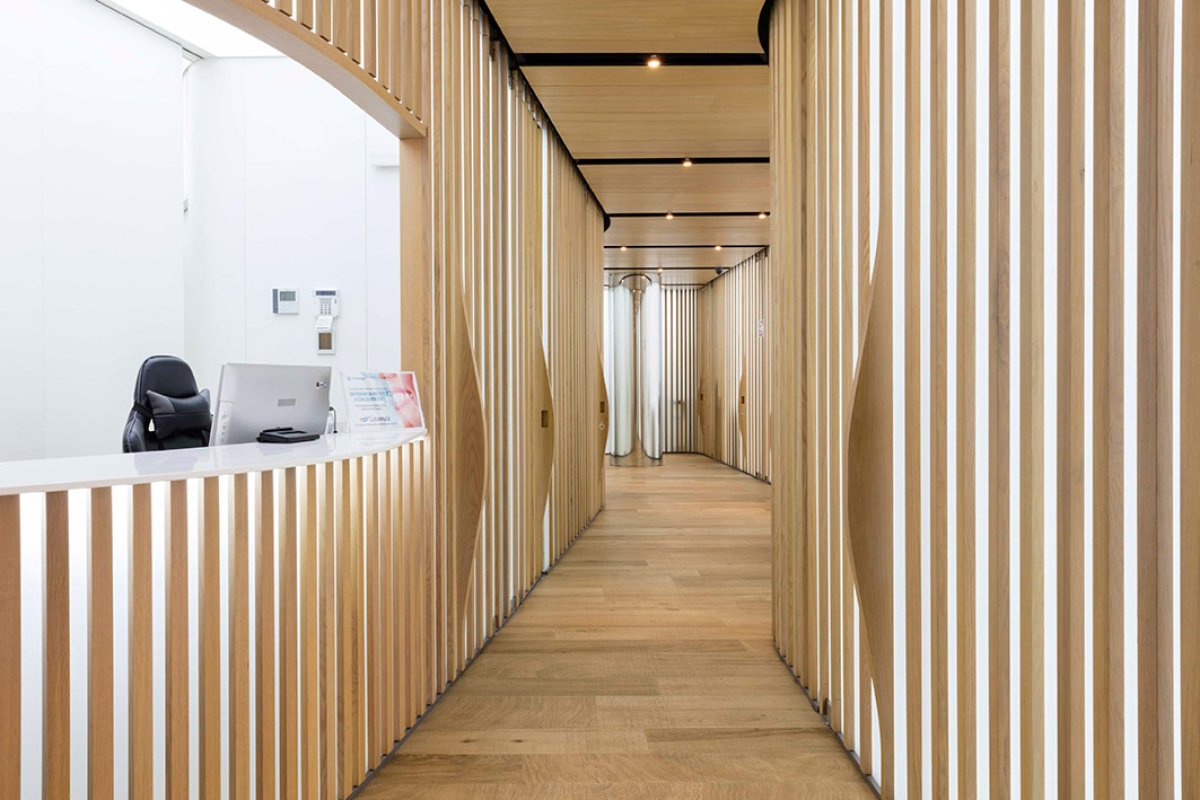
Clínica Dental Raíces
España, Tenerife


Revisado médicamente por
Fahad Mawlood
De $4,500. Los precios varían según el tipo de brackets transparentes (cerámicos o alineadores como Invisalign), la experiencia del ortodoncista y la complejidad del tratamiento. En Estados Unidos, el precio medio es de $5,300 (según la AAO). Esto significa que los brackets transparentes en España son aproximadamente un 15% más económicos que en EE. UU.
Las clínicas españolas generalmente incluyen la consulta inicial, una evaluación dental previa al tratamiento, radiografías dentales o escaneos 3D, un plan de tratamiento personalizado, la colocación y ajustes de los brackets transparentes, visitas de seguimiento y cuidados posteriores a la instalación. El personal que habla inglés y el soporte 24/7 suelen ser estándar. En EE. UU., el precio base suele cubrir solo los brackets y los ajustes básicos, mientras que extras como escaneos, retenedores y visitas de emergencia se facturan por separado. Siempre confirmar qué está incluido en cada clínica.
| España | Estados Unidos | México | |
|---|---|---|---|
| Instalación de brackets transparentes | de $4,500 | ≈ $4,000 | ≈ $2,200 |
| Invisalign | de $2,200 | de $3,500 | de $2,700 |
| Alineadores transparentes | de $5,600 | de $3,000 | de $1,800 |
| Alineadores E-motion | ≈ $2,300 | ≈ $3,800 | ≈ $2,200 |
Día 1
Dia 2
Semana 1
Semana 2
Semana 3-4
Mes 2-6
Tenga en cuenta que el proceso y el cronograma de la instalación de aparatos ortopédicos transparentes pueden variar según las circunstancias individuales.

La Dra. Alaa Ghuzlan es odontóloga con más de 10 años de experiencia. Ha tratado a miles de pacientes en varios países. Cuenta con una especialización en implantología dental de la Universidad de Barcelona. Continúa formándose para ofrecer tratamientos actualizados.
Su consulta utiliza radiología 2D y 3D y un escáner intraoral 3D. Estas herramientas mejoran la experiencia del paciente y agilizan los flujos de trabajo. También permiten ofrecer una atención más rápida.
 Olena Sikoza
Los brackets de cerámica transparentes son lo suficientemente duraderos para un tratamiento de ortodoncia eficaz, pero siguen siendo más frágiles que las alternativas metálicas. Aunque el material cerámico resiste las manchas, los brackets pueden fracturarse o astillarse bajo una presión elevada. Son más adecuados para adultos y adolescentes con estilos de vida de bajo impacto.
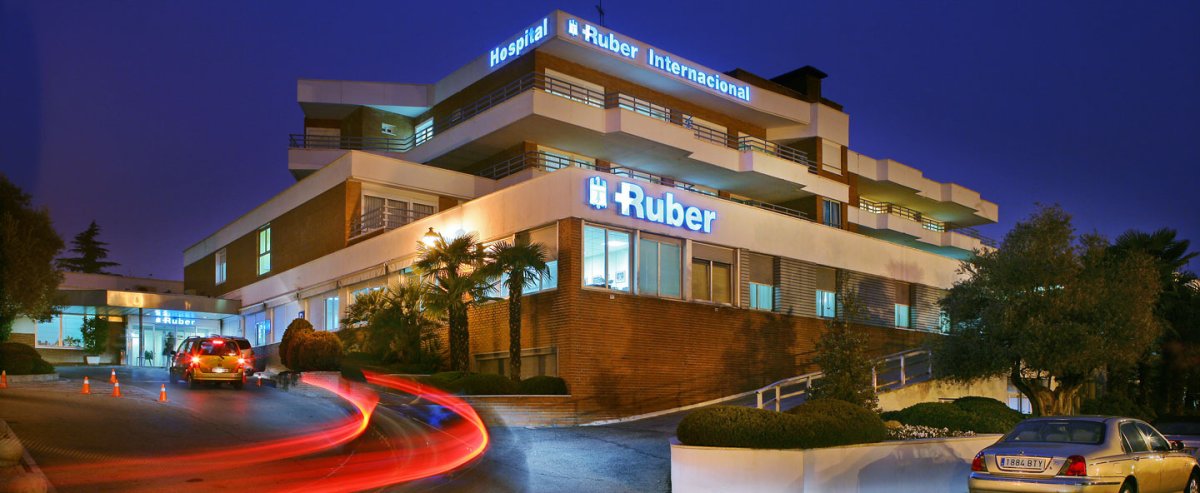
Opinión del experto de Bookimed: Aunque la cerámica es popular por su estética, muchos pacientes encuentran una mejor durabilidad a largo plazo mezclando materiales. Clínicas como el Hospital Ruber Internacional de Madrid ofrecen enfoques híbridos, colocando cerámica en los dientes superiores visibles y metal en los inferiores. Esto protege los brackets inferiores de las fuerzas de mordida más elevadas que
Los alineadores transparentes en España suelen requerir de 8 a 18 meses para correcciones dentales leves a moderadas. Los casos complejos que involucran extracciones dentales o desalineaciones graves pueden extenderse hasta 2 años. Los pacientes visitan a los ortodoncistas cada 6–8 semanas para realizar ajustes y asegurar una remodelación ósea constante.
Perspectiva del experto de Bookimed: Mientras que las clínicas dentales generales como Clinica Dental Raices atienden a 1,000 pacientes al año, elegir un centro acreditado por la JCI como el Hospital Ruber Internacional garantiza el acceso a radiología 3D avanzada. Los centros de alto volumen suelen proporcionar cronogramas más precisos porque utilizan escáneres intraorales 3D para predecir el movimiento preciso de los dientes antes de que comience el tratamiento.
Consenso de los pacientes: Los pacientes exitosos enfatiza
Sí, el uso de brackets transparentes fijos requiere evitar alimentos duros, pegajosos y altamente pigmentados para prevenir daños en los brackets y manchas en las ligas elásticas. Los pacientes deben evitar productos como frutos secos, palomitas de maíz y caramelos duros, además de limitar el consumo de café, té y platos con alto contenido de cúrcuma, como la paella o el curry.
Opinión del experto de Bookimed: Aunque los brackets cerámicos son resistentes a las manchas, las gomas transparentes que los rodean cambian de color rápidamente. Centros acreditados por la JCI como el Hospital Ruber Internacional en Madrid enfatizan una higiene estricta para mantener la estética. Muchos especialistas españoles ofrecen ahora alineadores transparentes desde $5,600 como una alternativa removible para evitar por completo estas intensas restricciones alimentarias.
Consenso de los pacientes: