Adhesión dental en España — obtén 3 clínicas con costos


Revisado médicamente por
Fahad Mawlood
¿Cuál es el precio de Adhesión dental en España? Descubra ahora
La adhesión dental en España suele costar entre $110 y $220 por diente. Los precios dependen de la complejidad de la restauración, la ubicación de la clínica y el tipo de resina. En los EE. UU., procedimientos similares cuestan alrededor de $300 en promedio. España ofrece ahorros de alrededor del 43%. Los precios indicados a menudo incluyen la consulta inicial, la preparación del diente y la aplicación de resina compuesta.
- Restauración dental (adhesión): de $100 para la reparación estándar de astillas o caries.
- Remodelación dental: $150 a $400 para contorno estético y simetría.
- Carillas de composite: Suelen costar de 300 a 500 dólares por diente para una cobertura completa de la superficie.
- Variación según la ubicación: Las clínicas de alta gama en Madrid o Barcelona pueden cobrar entre un 15 y un 20 % más que los proveedores regionales.
Perspectiva del experto de Bookimed: Elegir centros multidisciplinarios proporciona un valor superior para los casos estéticos. Por ejemplo, el Hospital Ruber Internacional en Madrid cuenta con acreditación de la JCI y atiende a 25 000 pacientes al año. Si bien las clínicas más pequeñas ofrecen precios más bajos, los grandes hospitales proporcionan imágenes digitales integradas y radiología 2D/3D. Esto garantiza una combinación precisa del tono y durabilidad estructural. La Clínica Universidad de Navarra también ofrece estándares de clase mundial para necesidades restaurativas complejas.
| España | Estados Unidos | México | |
|---|---|---|---|
| Adhesión dental | ≈ $110 | de $300 | de $80 |
| Restauración dental (bonding) | de $100 | ≈ $300 | de $73 |
| Remodelación de dientes | ≈ $150 | ≈ $250 | de $75 |
Sus beneficios y garantías con Bookimed
Precios directos
Bookimed no añade cargos adicionales a los precios de Adhesión dental. Las tarifas proceden de las listas de precios oficiales de las clínicas. Pagará directamente en la clínica por su Adhesión dental a su llegada al país.
Sólo clínicas y médicos verificados
Bookimed está comprometido con su seguridad. Solo trabajamos con las clínicas que mantienen altos estándares internacionales en Adhesión dental y tienen las licencias necesarias para atender a pacientes internacionales en todo el mundo.
Asistencia 24/7 gratuita
Bookimed ofrece asistencia experta gratuita. Un coordinador médico personal le apoya antes, durante y después del tratamiento, resolviendo cualquier problema. Nunca estará solo en su viaje médico de Adhesión dental.

Su coordinador médico personal de Bookimed
- Le apoya en cada etapa
- Ayuda a elegir la clínica y el médico adecuados
- Asegura un acceso rápido y conveniente a la información
Descubra las mejores clínicas de Adhesión dental en España: 6 opciones verificadas y Precios






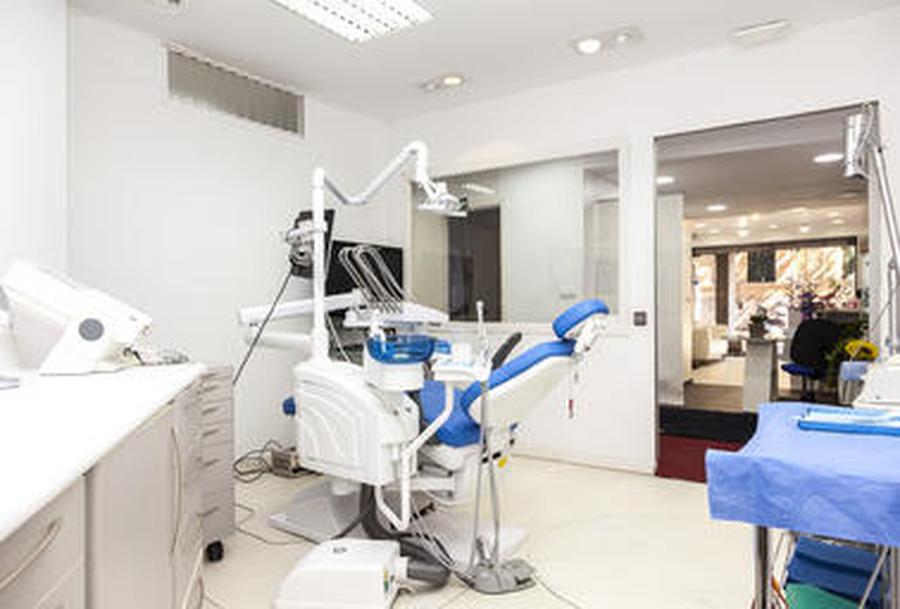
Fernandez & Ayora Dental
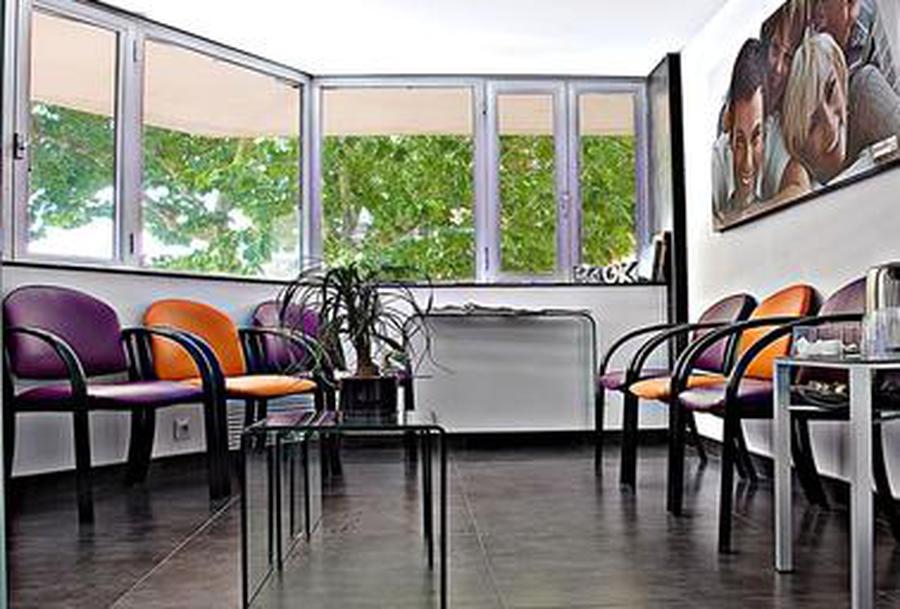
Disseny de Somriures


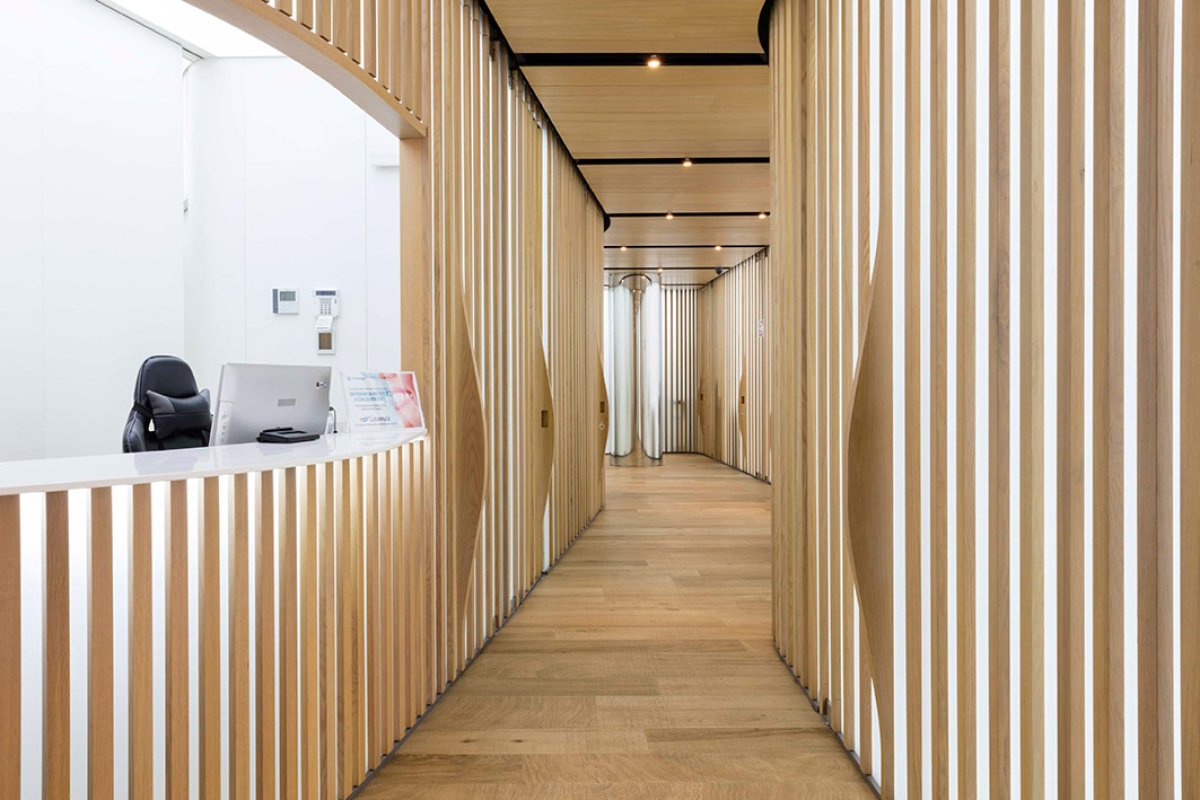
Clinica Cuevas Queipo
Clínicas Udemax
Descripción general de Adhesión dental en España
- Restauración dental (bonding) - de $100Esta terapia repara los dientes dañados usando una resina del color del diente, mejorando la apariencia y previniendo más caries.
- Remodelación de dientes - de $150El procedimiento remodela los dientes para que se vean mejor y mejoren la mordida, mediante la eliminación de pequeñas cantidades de esmalte.
- Adhesión dental - de $110Esta terapia corrige las imperfecciones de los dientes con resina, mejorando la estética de la sonrisa y proporcionando una solución fácil y rápida.
Día 1: Llegada
- Llegada al país.
- Traslado al hotel 5*.
- Descanso después del viaje.
Día 2: Preoperatorio
- Traslado al hospital.
- Consulta con el dentista.
- Someterse a las pruebas médicas necesarias.
Día 3: Procedimiento de unión dental
- Traslado a la clínica dental.
- Se administra anestesia local.
- Comienza el procedimiento de unión dental.
- El procedimiento dura alrededor de 1-2 horas.
- Instrucciones de cuidado posteriores al procedimiento dadas.
Día 4: Postoperatorio
- Descanso en el hotel.
- Se proporciona asistencia con el idioma si es necesario.
Semana 1: Rehabilitación
- Revisiones periódicas en la clínica dental.
- Dieta saludable para promover la curación.
- Vuelta al trabajo no extenuante.
Semana 2: Resultado final
- Recuperación completa de la unión dental.
- Regreso a las actividades regulares.
- Revisión final antes de la salida.
Tenga en cuenta que el caso de cada paciente es individual y el proceso puede variar.
- Depósito de Bookimed: 200 $ o 200 €.
- Depósito de la clínica: Pague un porcentaje fijo por adelantado.
Obtenga una evaluación médica para Adhesión dental en España: Elija su especialista entre los mejores en el campo
Ver todos los médicos
Dr Alaa Ghuzlan
La Dra. Alaa Ghuzlan es odontóloga con más de 10 años de experiencia. Ha tratado a miles de pacientes en varios países. Cuenta con una especialización en implantología dental de la Universidad de Barcelona. Continúa formándose para ofrecer tratamientos actualizados.
Su consulta utiliza radiología 2D y 3D y un escáner intraoral 3D. Estas herramientas mejoran la experiencia del paciente y agilizan los flujos de trabajo. También permiten ofrecer una atención más rápida.
Historias en video de pacientes de Bookimed
Reseñas
Todas las reseñasCompartir contenido
 Olena Sikoza
Preguntas frecuentes sobre Adhesión dental en España
¿Qué pasos implica el proceso de adhesión dental en España?
La adhesión dental en España implica preparar la superficie del diente con gel grabador, aplicar un agente adhesivo líquido y esculpir resina compuesta del color del diente para reparar defectos. Los dentistas utilizan una luz azul especializada para endurecer el material antes de realizar una verificación final de la alineación de la mordida y el pulido.
- Evaluación inicial: Los dentistas realizan exámenes y proporcionan un presupuesto formal.
- Igualación de tono: La resina se iguala con los dientes naturales utilizando guías especializadas para una mezcla estética perfecta.
- Preparación del diente: El esmalte se graba ligeramente para crear una superficie rugosa para una mejor adhesión de la resina.
- Proceso de curado: Una luz azul de alta intensidad endurece las capas de resina compuesta en segundos.
- Acabado final: Los cirujanos recortan el exceso de material y pulen el diente para lograr un brillo natural.
Perspectiva de expertos de Bookimed: Clínicas españolas como Global Dent Balear priorizan la acreditación especializada de la Sociedad Española de Periodoncia. Este enfoque en la salud de las encías asegura que la adhesión dental dure más tiempo. El tejido sano evita la contaminación por humedad durante el procedimiento. Elegir estas clínicas acreditadas ayuda a garantizar que la resina se adhiera correctamen
¿Cuánto dura el bonding dental?
El bonding dental suele durar de 3 a 10 años antes de requerir reemplazo o retoques. La longevidad depende de la colocación del material, la presión al morder y los hábitos bucales. Aunque la resina compuesta ofrece una solución estética rápida, sigue siendo menos duradera que el esmalte natural o las carillas de porcelana.
- Ubicación del procedimiento: El bonding en los bordes de los dientes frontales se astilla más rápido debido a la presión directa al morder.
- Propósito del tratamiento: Los rellenos de caries a menudo superan los 10 años cuando están protegidos por el esmalte dental circundante.
- Hábitos diarios: El bruxismo, morderse las uñas o masticar hielo reduce significativamente la vida útil de la resina.
- Mantenimiento del material: La resina es porosa y requiere un pulido regular para controlar las manchas de café o tabaco.
Perspectiva del experto de Bookimed: España ocupa el séptimo lugar a nivel mundial en solicitudes médicas en nuestra plataforma, con clínicas dentales especializadas como Global Dent Balear que cuentan con acreditaciones en Periodoncia. Los datos sugieren que los pacientes eligen clínicas españolas por el ahorro del 24% frente a los costos de EE. UU., optando a menudo por el bonding como una alternativa reversible y conservadora a las carillas de porcelana más invasivas.
Consenso de los pacient
¿Cuántas citas necesito para un bonding dental en España?
El bonding dental en España suele requerir de 1 a 2 citas. La mayoría de los pacientes completan el procedimiento en una sola visita que dura entre 30 minutos y 3 horas. Los casos complejos que implican cambios de imagen de la sonrisa o de 8 a 10 dientes a menudo requieren una segunda sesión para un modelado y ajuste precisos.
- Sesión única: Ideal para corregir pequeñas astillas, espacios o tratar hasta 3 dientes.
- Planificación avanzada: Dos visitas son comunes cuando se utilizan escáneres intraorales 3D para el diseño de la sonrisa.
- Plazo de tratamiento: Las clínicas en Barcelona y Madrid a menudo permiten realizar las evaluaciones y el bonding en la misma semana.
- Igualación de color: Los pacientes que requieran un blanqueamiento profesional deben completarlo 14 días antes de su cita de bonding.
Opinión del experto de Bookimed: Aunque muchas clínicas generales realizan bonding, elegir grandes centros médicos como la Clínica Universidad de Navarra o el Hospital Ruber Internacional garantiza el acceso a estándares acreditados por la JCI. Los datos muestran que los mejores centros españoles utilizan imágenes digitales y escáneres 3D, lo que a menudo requiere un proceso de dos pasos para garantizar una mordida y una igualación de color perfectas.
Consenso de los pacientes: Los pacientes consideran que el remodelado s
¿Cuánto tiempo debo permanecer en España para el tratamiento?
Los pacientes generalmente necesitan permanecer en España de 2 a 5 días para el bonding dental. Aunque la aplicación real suele ser un tratamiento de un día o al día siguiente, quedarse unos días adicionales permite los ajustes de mordida, pulido y correcciones de tono necesarios por parte del dentista.
- Duración del procedimiento: La mayoría de las sesiones de bonding dental se completan en una sola cita.
- Ventana de ajuste: Los médicos recomiendan permanecer de 24 a 48 horas para refinamientos de seguimiento.
- Disponibilidad de la clínica: Los centros líderes en Madrid, Barcelona y Tenerife ofrecen una programación rápida.
- Logística de viaje: Evite los horarios de llegada y salida inmediatos para garantizar un contorneado artístico y un curado adecuados.
Perspectiva del experto de Bookimed: Aunque el bonding dental es rápido, la calidad varía según la habilidad artística del dentista. Clínicas como Clínica Dental Raíces utilizan escáneres intraorales 3D para garantizar la precisión. Notamos que los pacientes están más satisfechos cuando permanecen 4 días. Esto permite un día de descanso antes de la visita final de pulido.
Consenso de los pacientes: Muchos encuentran el procedimiento más técnico de lo esperado. La mayoría aconseja reservar una consulta primero en lugar de solo una visita para el procedimiento. Reco
¿Qué debo evitar después de someterme a una adhesión dental en España?
Después de una adhesión dental en España, evite sustancias que manchen como el vino tinto, el café y el azafrán durante 48 horas mientras la resina se asienta. Manténgase alejado de alimentos duros como bocadillos crujientes, aceitunas con hueso y carnes curadas duras para evitar que el material compuesto se astille.
- Desencadenantes de manchas: Evite el vino tinto, el café negro y las tapas con tinta de calamar o azafrán.
- Texturas duras: Evite morder directamente pan rústico, frutos secos o cortezas de cerdo con los dientes tratados.
- Estrés mecánico: Deje de morderse las uñas o de usar los dientes como herramientas para abrir envases locales.
- Degradación química: Evite los enjuagues bucales a base de alcohol que pueden ablandar la matriz de resina compuesta con el tiempo.
Perspectiva de expertos de Bookimed: Aunque España ocupa el séptimo lugar a nivel mundial en turismo médico, los pacientes a menudo pasan por alto los riesgos culinarios regionales. En ciudades como Málaga o Barcelona, la prevalencia de panes crujientes y aceitunas con hueso ha provocado solicitudes de reparación tempranas. Nuestros datos muestran que elegir clínicas con acreditación JCI, como el Hospital Ruber Internacional, garantiza una mayor durabilidad de la resina.
Consenso de los pacientes: Muchos pacientes recomiendan cortar todos los al
¿Puede el bonding dental corregir grandes espacios o dientes desalineados?
El bonding dental no puede corregir eficazmente grandes espacios o dientes gravemente desalineados. Aunque maneja espacios menores de 3 milímetros, los espacios más grandes requieren una cantidad excesiva de resina que se ve anormalmente voluminosa. El bonding es un camuflaje cosmético; no mueve físicamente los dientes ni corrige problemas estructurales de mordida como lo hace la ortodoncia.
- Limitaciones de tamaño: Cerrar espacios de más de 3 mm a menudo hace que los dientes parezcan desproporcionadamente anchos o poco naturales.
- Riesgos estructurales: Las aplicaciones grandes de resina carecen de soporte y se astillan frecuentemente bajo la presión normal de la mordida.
- Naturaleza cosmética: Este enfoque aditivo crea una ilusión visual pero ignora la alineación subyacente de la raíz y la mandíbula.
- Preocupaciones de higiene: Cubrir dientes desalineados con resina gruesa crea repisas que atrapan placa y bacterias.
Perspectiva del experto de Bookimed: El mercado dental de España ocupa el séptimo lugar a nivel mundial, con centros acreditados por la JCI como el Hospital Ruber Internacional que ofrecen diagnósticos de alto nivel. Aunque el bonding cuesta 43% menos que en los EE. UU., las clínicas a menudo sugieren carillas para espacios moderados. Esto se debe a que la resina de bonding es porosa y propensa a manchars