Implante endoóseo en España — obtén 3 clínicas con costos


Revisado médicamente por
Fahad Mawlood
¿Cuál es el precio de Implante endoóseo en España? Descubra ahora
Sus beneficios y garantías con Bookimed
Precios directos
Bookimed no añade cargos adicionales a los precios de Implante endoóseo. Las tarifas proceden de las listas de precios oficiales de las clínicas. Pagará directamente en la clínica por su Implante endoóseo a su llegada al país.
Sólo clínicas y médicos verificados
Bookimed está comprometido con su seguridad. Solo trabajamos con las clínicas que mantienen altos estándares internacionales en Implante endoóseo y tienen las licencias necesarias para atender a pacientes internacionales en todo el mundo.
Asistencia 24/7 gratuita
Bookimed ofrece asistencia experta gratuita. Un coordinador médico personal le apoya antes, durante y después del tratamiento, resolviendo cualquier problema. Nunca estará solo en su viaje médico de Implante endoóseo.

Su coordinador médico personal de Bookimed
- Le apoya en cada etapa
- Ayuda a elegir la clínica y el médico adecuados
- Asegura un acceso rápido y conveniente a la información
Descubra las mejores clínicas de Implante endoóseo en España: 1 opciones verificadas y Precios
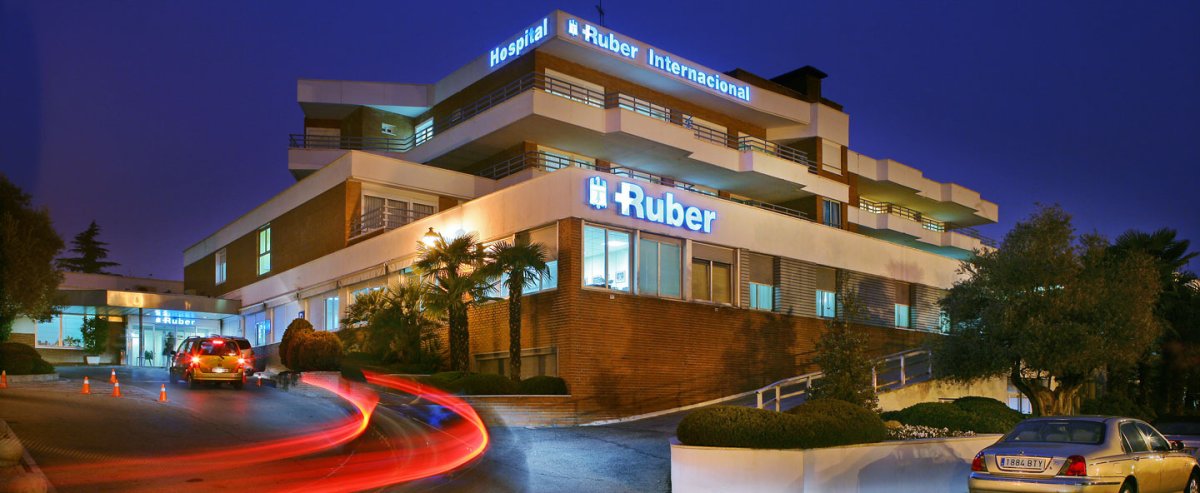


Descripción general de Implante endoóseo en España
- Implantes dentales All-on-4 - de $6,300Esta terapia restaura un juego completo de dientes usando cuatro implantes por maxilar, ofreciendo durabilidad, comodidad y una apariencia natural.
- Implantes dentales All-on-6 - de $8,000Esta terapia reemplaza arcos dentales completos usando solo seis implantes, ofreciendo a los pacientes estabilidad y comodidad.
- Mini-implantes - de $1,700Esta terapia reemplaza los dientes perdidos con pequeños postes de metal, lo que garantiza un aspecto natural y una masticación fácil.
- Instalación de un implante dental con corona - de $2,200Esta terapia consiste en colocar una raíz dental artificial y una tapa para restaurar un diente faltante, ofreciendo durabilidad y apariencia natural.
- Implante dental - de $900Esta terapia instala raíces dentales artificiales para restaurar la función y la apariencia, ofreciendo durabilidad, comodidad y una sensación natural.
- Implante Dental con Pilar - de $890El procedimiento instala una raíz de diente protésico y un conector para un diente postizo, mejorando la salud bucal y la sonrisa.
- Implantes dentales todo en 2 - de $6,200Esta terapia reemplaza los dientes perdidos con dos implantes y un puente dental completo, para una mejor calidad de vida.
Día 1 - Llegada
- Llegada al país y registro en su alojamiento.
- Visite la clínica para la consulta inicial.
- Reúnase con el cirujano dental y el anestesiólogo.
Día 2 - Preoperatorio
- Someterse a las pruebas médicas necesarias, como análisis de sangre.
- Hágase un examen dental y de la mandíbula.
- Reciba una explicación detallada del procedimiento.
Día 3 - Procedimiento de implante endosteal
- Llegada a la clínica temprano en la mañana.
- Recibir anestesia local o sedación.
- Someterse al procedimiento de implante Endosteal (2-3 horas).
- Descanse en la sala de recuperación después del procedimiento.
Día 4 - Postoperatorio
- Permanezca en la clínica para observación.
- Reciba instrucciones de cuidado postoperatorio.
- Comience a tomar analgésicos y antibióticos recetados.
Semana 1 - Rehabilitación
- Descansa y cura en tu alojamiento.
- Iniciar una dieta blanda.
- Siga las instrucciones de higiene bucal.
Semana 2-3 - Rehabilitación
- Vuelva al trabajo con precaución.
- Continuar con la dieta blanda y la higiene bucal.
- Visite la clínica para controles de seguimiento.
Semana 4-6 - Rehabilitación
- Reanudar la dieta normal.
- Vuelta a las actividades físicas habituales.
- Resultado final notable después de 6 semanas después de la operación.
Tenga en cuenta que las experiencias individuales y los tiempos de recuperación pueden variar.
- Depósito de Bookimed: 200 $ o 200 €.
- Depósito de la clínica: Pague un porcentaje fijo por adelantado.
Historias en video de pacientes de Bookimed
Reseñas
Todas las reseñasCompartir contenido
 Olena Sikoza
Preguntas frecuentes sobre Implante endoóseo en España
¿Por qué elegir España para implantes endoóseos?
España es un centro de primer nivel para implantes endoóseos. Ofrece tasas de éxito superiores al 95% en clínicas reguladas por la UE. Los pacientes eligen España por su equilibrio entre planificación digital de alta tecnología y un ahorro significativo de costes. UU.
- UU.
- Estándares de seguridad de la UE: Las clínicas siguen estrictas regulaciones de salud y a menudo poseen certificaciones de calidad ISO 9001.
- Tecnología avanzada: Instalaciones como el Hospital Ruber Internacional utilizan imágenes 3D para una colocación precisa del implante.
- Entorno de recuperación: España ofrece un clima mediterráneo para la fase de curación de 3 meses entre la colocación del tornillo y la corona.
Opinión del experto de Bookimed: España ocupa una posición única en el mercado de gama media. Se sitúa entre los centros de turismo dental de bajo coste y las naciones de costes ultra altos. Los principales hospitales de Madrid gestionan más de 6.000 cirugías al año. Este alto volumen garantiza que los cirujanos mantengan la máxima competencia y
¿En qué debo fijarme al elegir una clínica en España?
Priorice las clínicas con acreditación de la Joint Commission International (JCI) o ISO para garantizar altos estándares de seguridad. Confirme que el cirujano sea un cirujano oral especializado y no un dentista general. Para los implantes endoóseos, asegúrese de que el centro proporcione tomografías computarizadas (TC) en 3D para una planificación precisa de la colocación.
- Acreditación internacional: Busque certificaciones JCI o ISO en los principales proveedores.
- Especialización quirúrgica: Seleccione cirujanos orales certificados en lugar de dentistas generales para la colocación de implantes endoóseos complejos.
- Imágenes avanzadas: Verifique que la clínica utilice TC en 3D para una evaluación precisa de la densidad ósea y la colocación.
- Soporte lingüístico: Confirme la existencia de unidades internacionales dedicadas con personal de habla inglesa para una comunicación quirúrgica clara.
Opinión de expertos de Bookimed: Aunque España ofrece una atención de alta eficiencia, un patrón común entre las clínicas de primer nivel, como el Hospital Ruber Internacional, es el énfasis en los equipos multidisciplinarios. Nuestros datos muestran que los centros que manejan más de 90,000 consultas anuales a menudo brindan diagnósticos más rápidos. Para los implantes, esto significa completar los análisis de sangre y los ECG en 90 minutos durante s
¿Cuál es el procedimiento para un implante endóseo en una clínica española?
Los procedimientos de implantes endóseos en España siguen protocolos internacionales estándar. El proceso suele durar de 6 a 12 meses. Los cirujanos colocan un tornillo de titanio directamente en el hueso de la mandíbula durante una fase quirúrgica menor. Esto sigue a una planificación detallada mediante imágenes 3D para garantizar un par de torsión del implante y una densidad ósea óptimos.
- Colocación quirúrgica: Los cirujanos insertan un tornillo de titanio en el hueso de la mandíbula bajo anestesia local o sedación.
- Periodo de osteointegración: El implante requiere de 3 a 4 meses para fusionarse de forma segura con el hueso.
- Conexión del pilar: Se coloca una pieza de conexión una vez que se confirma clínicamente la curación ósea.
- Restauración final: Una corona personalizada cementada o atornillada completa el proceso de restauración dental.
Perspectiva del experto de Bookimed: Las clínicas españolas como el Hospital Ruber Internacional utilizan resonancia magnética de alta resolución de 3 Teslas y escaneos digitales para lograr precisión quirúrgica. Aunque algunos pacientes buscan resultados rápidos, los expertos locales priorizan la curación biológica. La integración ósea no se puede apresurar. Los resultados exitosos dependen de permitir el periodo completo de 4 meses para la osteointegración.
Consenso de los paciente
¿Qué pasa si no tengo suficiente hueso maxilar?
El injerto óseo es la solución principal para la insuficiencia de hueso maxilar antes de los implantes dentales. Los especialistas españoles utilizan aumento óseo, elevación de seno o implantes cigomáticos para reconstruir la densidad. Estos procedimientos utilizan escaneos 3D CBCT para garantizar una colocación precisa en instalaciones acreditadas por la JCI como el Hospital Ruber Internacional en Madrid.
- Injerto óseo: Los cirujanos añaden material para restaurar el ancho y la altura de la mandíbula para mayor estabilidad.
- Elevación de seno: Se añade altura a la mandíbula superior levantando la membrana del seno.
- Implantes cigomáticos: Los implantes se anclan en los pómulos cuando la mandíbula superior es extremadamente delgada.
- Tiempo de curación: Las áreas injertadas generalmente requieren de 3 a 6 meses para integrarse con el hueso.
Perspectiva del experto de Bookimed: Centros avanzados como el Hospital Ruber Internacional integran resonancia magnética de 3 Teslas e imágenes de alta resolución para mapear la densidad ósea. Esta tecnología permite a los cirujanos identificar las áreas más densas de su hueso existente. A menudo, esto hace que el injerto tradicional sea innecesario o reduce significativamente el período de recuperación antes de la colocación del implante.
Consenso de los pacientes: Los pacientes
¿Cuánto tiempo tarda la curación completa?
La curación completa de un implante endóseo en España suele tardar de 3 a 6 meses para que el poste de titanio se integre con el hueso maxilar. Todo el proceso clínico, desde la extracción inicial del diente hasta la colocación de la corona final, suele durar de 6 a 12 meses, dependiendo de la densidad ósea.
- Curación de la mandíbula inferior: La osteointegración suele completarse en un plazo de 3 a 4 meses debido a la mayor densidad ósea.
- Curación de la mandíbula superior: La recuperación tarda de 4 a 6 meses, ya que el hueso de la mandíbula superior es naturalmente más blando.
- Duración total del tratamiento: La restauración completa a menudo requiere de 6 a 12 meses para los protocolos quirúrgicos por etapas.
- Impacto de los injertos óseos: Los procedimientos complementarios como la elevación de seno pueden extender el cronograma total más allá de los 12 meses.
Perspectiva del experto de Bookimed: Aunque la curación lleva meses, los centros de gran volumen como el Hospital Ruber Internacional en Madrid se centran en la colocación precisa para garantizar la estabilidad. Los datos sugieren que lograr un alto torque primario durante la cirugía es el predictor más fiable para cumplir con el objetivo de curación de 4 meses.
Consenso de los pacientes: Los pacientes enfatizan que intentar apresurarse para obtener un res