Ureterorrenoscopia flexible (URS) en España: clínica verificada y sus precios


Revisado médicamente por
Fahad Mawlood
¿Cuál es el precio de Ureterorrenoscopia flexible (URS) en España? Descubra ahora
El costo de la ureterorrenoscopia flexible (URS) en España suele oscilar de $4,300 a $6,300. El precio depende de la clínica, la experiencia del cirujano, si el procedimiento es unilateral o bilateral y la complejidad de la extracción de cálculos. UU.
La mayoría de las clínicas españolas incluyen la consulta inicial, análisis de sangre preoperatorios, medicación postoperatoria, visitas de seguimiento, personal que habla inglés, planes de atención personalizados y comidas durante la estancia en la clínica. Los precios en EE. UU. suelen cubrir solo el procedimiento, con cargos adicionales por anestesia, medicamentos y seguimientos. Siempre confirmar exactamente qué está incluido con la clínica elegida.
| España | Turquía | México | |
|---|---|---|---|
| Ureterorrenoscopia flexible (URS) | ≈ $4,300 | de $3,800 | ≈ $3,200 |
Sus beneficios y garantías con Bookimed
Precios directos
Bookimed no añade cargos adicionales a los precios de Ureterorrenoscopia flexible (URS). Las tarifas proceden de las listas de precios oficiales de las clínicas. Pagará directamente en la clínica por su Ureterorrenoscopia flexible (URS) a su llegada al país.
Sólo clínicas y médicos verificados
Bookimed está comprometido con su seguridad. Solo trabajamos con las clínicas que mantienen altos estándares internacionales en Ureterorrenoscopia flexible (URS) y tienen las licencias necesarias para atender a pacientes internacionales en todo el mundo.
Asistencia 24/7 gratuita
Bookimed ofrece asistencia experta gratuita. Un coordinador médico personal le apoya antes, durante y después del tratamiento, resolviendo cualquier problema. Nunca estará solo en su viaje médico de Ureterorrenoscopia flexible (URS).

Su coordinador médico personal de Bookimed
- Le apoya en cada etapa
- Ayuda a elegir la clínica y el médico adecuados
- Asegura un acceso rápido y conveniente a la información
Descubra las mejores clínicas de Ureterorrenoscopia flexible (URS) en España: 1 opciones verificadas y Precios
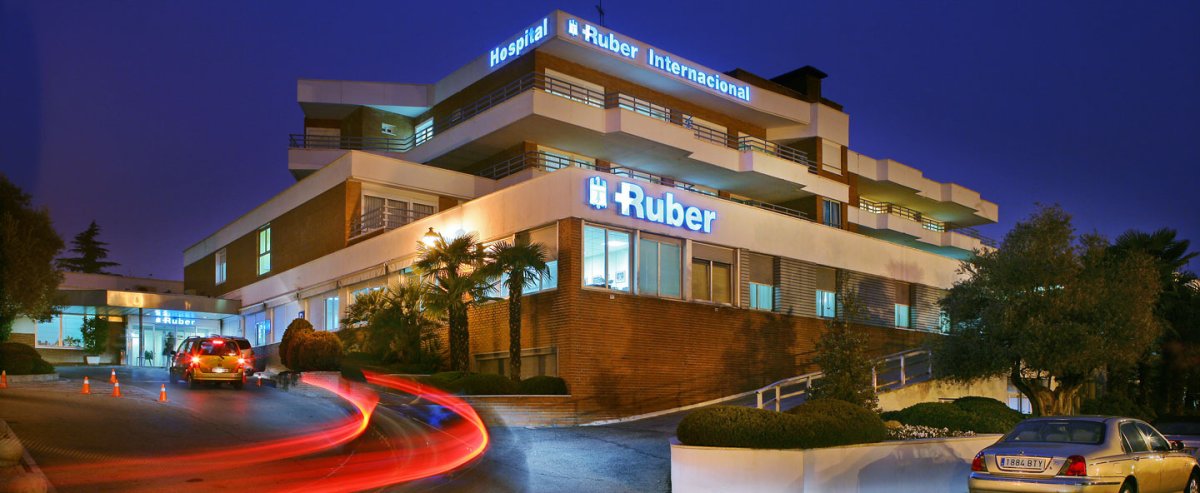


Descripción general de Ureterorrenoscopia flexible (URS) en España
- Ureterorrenoscopia flexible (URS) - de $4,300La operación utiliza un tubo delgado y flexible para diagnosticar y tratar afecciones renales y ureterales de manera eficiente y segura.
Día 1: Llegada
- Llegada al hospital y check-in.
- Reúnase con su anestesiólogo y urólogo.
- Someterse a pruebas preoperatorias de rutina como análisis de sangre y ECG.
Día 2: Preoperatorio
- Reúnase con un dietista para discutir las pautas de ayuno.
- Recibir instrucciones sobre higiene preoperatoria y vestuario.
- Hable sobre todos los medicamentos y suplementos con sus médicos.
Día 3: Ureterorrenoscopia Flexible (URS)
- Llegue al hospital temprano en la mañana.
- Someterse a anestesia, generalmente general, antes del procedimiento.
- El procedimiento comienza con la inserción de un dispositivo telescópico delgado en la uretra.
- Las piedras u obstrucciones se identifican y eliminan o fragmentan.
- El procedimiento suele durar entre 1-3 horas.
Día 4: Postoperatorio
- Permanezca en el hospital durante la noche para observación.
- Reciba medicamentos para aliviar el dolor si es necesario.
- Someterse a pruebas postoperatorias como radiografías o ecografías.
Semana 1-2: Rehabilitación
- Descansar y evitar actividades físicas extenuantes.
- Controle cualquier signo de infección o complicaciones.
- Cita de seguimiento con su urólogo después de una semana.
- Regrese al trabajo después de dos semanas si la recuperación es suave.
Tenga en cuenta que la línea de tiempo y el proceso de recuperación pueden variar mucho para cada individuo según su salud general, la complejidad del procedimiento y la presencia de complicaciones.
- Depósito de Bookimed: 200 $ o 200 €.
- Depósito de la clínica: Pague un porcentaje fijo por adelantado.
Obtenga una evaluación médica para Ureterorrenoscopia flexible (URS) en España: Elija su especialista entre los mejores en el campo
Ver todos los médicos
Josep Torremade Barreda
Jefe de Andrología en el Centro Médico Teknon – El Dr. Torremade se especializa en procedimientos urológicos con enfoque en medicina reproductiva.
- _doctor_8195_años_ de experiencia en urología
- Formado en el Hospital Universitario de Bellvitge y en el Memorial Sloan Kettering
- Editor del International Journal of Andrology
- Miembro del Comité Europeo de Medicina Sexual

Antonio Alcaraz Asensio
El doctor es un urólogo y uro-oncólogo altamente distinguido, especializado en tratamientos quirúrgicos complejos para el cáncer de próstata, riñón y vejiga. Con una amplia experiencia en cirugía robótica y laparoscópica, el doctor ha sido fundamental en el avance de las técnicas urológicas mínimamente invasivas, incluida la implementación del sistema robótico Da Vinci. Actualmente, el doctor dirige el Departamento de Urología en el Centro Médico Teknon y es Jefe del Departamento de Urología

Navarro Vilches
Especialista en urología con formación avanzada en cirugía renal – El Dr. Vilches dirige la Unidad de Urología en Quirónsalud Marbella.
- Formado en el Memorial Sloan-Kettering Cancer Center de Nueva York
- Cofundador del Instituto de Cirugía Urológica de Málaga
- Miembro de la Unidad de Trasplante Renal del Hospital Carlos Haya
- Autor de múltiples artículos sobre patologías urológicas
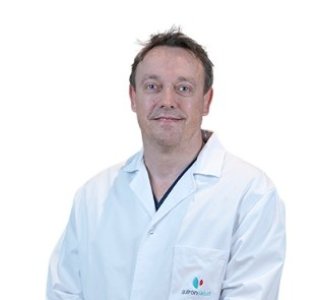
Sven Jorg Petry
El médico es un especialista en urología altamente experimentado que se desempeña como Jefe del Departamento de Urología en el Hospital Quirónsalud Torrevieja desde 2017. Con un título médico y especialización de la Universidad Johannes Gutenberg en Alemania, el médico cuenta con una amplia experiencia clínica que se remonta a 2007. La experiencia del médico abarca la urología oncológica, las enfermedades de la próstata y las afecciones complejas del tracto urinario.
Un enfoque clave de
Historias en video de pacientes de Bookimed
Reseñas
Todas las reseñasCompartir contenido
 Olena Sikoza
Preguntas frecuentes sobre Ureterorrenoscopia flexible (URS) en España
¿Qué es la ureterorrenoscopia flexible (URS)?
La ureterorrenoscopia flexible (URS) es un procedimiento mínimamente invasivo que utiliza un endoscopio de fibra óptica flexible para tratar cálculos renales y afecciones del tracto urinario. Los cirujanos navegan a través de la uretra y la vejiga hasta el riñón sin realizar incisiones. Esta técnica permite la litotricia láser para fragmentar cálculos menores de 2 cm.
- Cirugía sin incisiones: Los cirujanos acceden al tracto urinario superior a través de aberturas naturales en lugar de cortes externos.
- Tratamiento de cálculos: Las fibras láser rompen los cálculos mientras pequeñas cestas recuperan los fragmentos para su eliminación inmediata.
- Estancia hospitalaria: La mayoría de los procedimientos son ambulatorios o requieren solo una noche de observación.
- Tiempo de recuperación: Las molestias iniciales alcanzan su punto máximo en 48 horas y el ardor al orinar disminuye en 3 días.
Perspectiva del experto de Bookimed: Si bien los paquetes básicos que comienzan desde $4,300 cubren la cirugía, la presencia de robótica avanzada e instalaciones acreditadas por la JCI, como el Hospital Ruber Internacional en Madrid, garantiza altos estándares de seguridad. Al elegir un especialista, busque médicos como Navarro Vilches, que cuentan con formación específica en instituciones como el Memorial Sloan-Kettering para garantizar el dominio
¿Es mejor la ureteroscopia flexible que la rígida?
La ureteroscopia flexible no es inherentemente mejor que la rígida, pero ofrece un acceso superior para los cálculos renales. Mientras que los ureteroscopios rígidos son excelentes en el uréter inferior, los instrumentos flexibles navegan por todo el riñón y el tracto urinario superior. Los cirujanos utilizan la litotricia láser a través de ureteroscopios flexibles para fragmentar cálculos en ubicaciones complejas.
- Alcance de navegación: Los ureteroscopios flexibles acceden a la pelvis renal y a los cálices para cálculos altos.
- Reducción de traumatismos: La maniobrabilidad permite que el endoscopio siga las curvas naturales, reduciendo las lesiones ureterales.
- Tasas de éxito: La litotricia láser mediante ureteroscopios flexibles logra aproximadamente un 90% de éxito en cálculos renales.
- Eliminación de fragmentos: Este método endoscópico elimina la necesidad de expulsar los fragmentos de piedra de forma natural.
Perspectiva del experto de Bookimed: España se sitúa entre los dos principales destinos para la urología debido a su infraestructura médica. Centros como el Hospital Ruber Internacional utilizan estándares acreditados por la JCI, lo que a menudo se correlaciona con una alta integración tecnológica. Cirujanos como el Dr. Navarro Vilches en Quirónsalud Marbella suelen preferir la URS flexible para casos complejos. Esta elección evi
¿Cómo se eliminan los cálculos renales durante el procedimiento?
La ureterorrenoscopia flexible en España elimina los cálculos renales mediante un telescopio delgado y orientable que se introduce a través de la uretra. Los cirujanos localizan los cálculos en las vías urinarias sin realizar incisiones externas. Utilizan láseres para fragmentar los cálculos grandes o cestas especializadas para extraer los restos pequeños directamente.
- Acceso retrógrado: El endoscopio entra a través del orificio urinario natural sin incisiones en la piel.
- Fragmentación láser: Los cirujanos utilizan haces láser de alta precisión para romper los cálculos en polvo fino.
- Extracción de cálculos: Cestas quirúrgicas especializadas capturan y eliminan las piezas fragmentadas del riñón.
- Mínimamente invasivo: El procedimiento utiliza endoscopios flexibles para navegar por estructuras complejas dentro de los riñones.
Opinión del experto de Bookimed: Centros españoles como el Hospital Ruber Internacional integran resonancia magnética de 3 Teslas y protocolos de seguridad acreditados por la JCI. Esto permite a cirujanos como Navarro Vilches en Quirónsalud Marbella combinar la URS flexible con la planificación asistida por robot. Esta sinergia de alta tecnología garantiza una orientación precisa de los cálculos incluso en casos anatómicamente difíciles.
Consenso de los pacientes: Los pacientes informan que el
¿Es siempre necesario un stent?
Un stent no siempre es necesario después de una ureterorrenoscopia flexible, aunque los especialistas lo recomiendan en casi el 100% de los casos. Previene el colapso ureteral, las estenosis y complicaciones potencialmente mortales como la urosepsis. Los urólogos solo omiten la colocación de stents en procedimientos raros y sin complicaciones para evitar los frecuentes espasmos vesicales postoperatorios y la urgencia urinaria.
- Estándar de atención: Minimiza los riesgos de hinchazón postoperatoria y obstrucción del drenaje renal.
- Cirujano especialista: El Dr. Navarro Vilches en Quironsalud Marbella dirige unidades avanzadas de cirugía urológica.
- Acreditación clínica: Hospitales como Ruber Internacional mantienen los estándares de seguridad de la Joint Commission International.
- Elección del material: Los stents de silicona o de menor diámetro pueden reducir significativamente los niveles de incomodidad del paciente.
Perspectiva del experto de Bookimed: Aunque los pacientes a menudo temen la incomodidad del stent, el verdadero factor diferenciador en España es el acceso a cirujanos certificados por el European Board of Urology (EBU). Expertos como el Dr. Josep Torremade Barreda utilizan técnicas flexibles precisas que pueden reducir la duración que el stent debe permanecer en su lugar, a menudo acortando la ventana de recuperación estándar
¿Cuánto tiempo dura el periodo de recuperación?
La recuperación tras una ureterorrenoscopia (URS) flexible en España suele llevar de 3 a 7 días para alcanzar un confort inicial. La mayoría de los pacientes retoman sus actividades normales en un plazo de 1 a 2 semanas. La curación interna completa y la resolución de los síntomas suelen producirse en un plazo de 3 a 4 semanas, especialmente si los cirujanos han colocado un stent ureteral.
- Actividades diarias: Regreso al trabajo ligero o a la rutina doméstica después de 3 a 7 días.
- Esfuerzo físico: Evite levantar objetos pesados y realizar ejercicio intenso durante al menos 2 semanas.
- Curación interna: La recuperación completa de los tejidos suele tardar de 3 a 4 semanas después del procedimiento.
- Molestias por el stent: Espere dolor en el costado o urgencia urinaria durante 48 horas si se ha utilizado un stent.
Opinión de los expertos de Bookimed: Los centros urológicos españoles, como el Hospital Ruber Internacional, utilizan láseres de holmio avanzados y sistemas Da Vinci para minimizar el traumatismo tisular. Los datos muestran que los centros de Marbella y Madrid suelen realizar estas intervenciones de forma ambulatoria. Esto permite a los pacientes internacionales trasladarse a un hotel en las 24 horas siguientes a la cirugía.
Consenso de los pacientes: Espere ardor al orinar y orina de color vino durante l
¿Quiénes son los mejores urólogos en España para este procedimiento?
Entre los mejores urólogos de España para la ureterorrenoscopia flexible se encuentran el Dr. Navarro Vilches en Quirónsalud Marbella y el Dr. Carlos Torrecilla Ortiz en el Hospital HM Nou Delfos. Estos especialistas utilizan técnicas avanzadas de litotricia láser y procedimientos endoscópicos en centros acreditados por la JCI para tratar cálculos renales complejos y patologías urinarias.
- Dr. Navarro Vilches: Jefe de Urología en Marbella, especializado en ureterorrenoscopia flexible y cirugía oncológica.
- Dr. Carlos Torrecilla: Experto nacional en endourología con más de 43 años de experiencia centrada en la litiasis renal.
- Dr. Josep Torremade: Jefe de Andrología en Teknon, especializado en procedimientos urológicos y microquirúrgicos asistidos por robot.
- Hospital Ruber Internacional: Centro de primer nivel en Madrid clasificado por Forbes, que cuenta con doble acreditación JCI e ISO.
Opinión del experto de Bookimed: Aunque muchos cirujanos se centran en la urología general, elegir a un especialista como el Dr. Navarro Vilches es fundamental. Su doble enfoque en oncología y eliminación de cálculos garantiza una atención integral. Nuestros datos muestran que España sigue siendo un destino principal para la endourología compleja. Las clínicas aquí ofrecen ahorros significativos del _price_percent_discount_% en comparación con los costos qu
¿Qué debo buscar en una clínica de urología en España?
Al seleccionar una clínica de urología en España, priorice las instalaciones con acreditación de la Joint Commission International (JCI) y cirujanos que posean la certificación del European Board of Urology (EBU). Los centros de primer nivel en Madrid y Barcelona utilizan tecnologías avanzadas como los sistemas robóticos Da Vinci Xi y endoscopios digitales flexibles para la eliminación mínimamente invasiva de cálculos.
- Credenciales del cirujano: Busque especialistas que sean miembros del European Board of Urology (EBU) y que cuenten con formación de subespecialización (fellowship).
- Tecnología avanzada: Asegúrese de que tengan acceso a robótica Da Vinci Xi, láseres de holmio y ureterorrenoscopios digitales flexibles.
- Certificaciones clínicas: Priorice los hospitales que cuenten con acreditación de la Joint Commission International (JCI) o certificaciones de gestión de calidad ISO 9001.
- Precisión diagnóstica: Verifique la disponibilidad de resonancia magnética de 3 Teslas y tomografía PET-CT para un mapeo preoperatorio preciso.
Perspectiva del experto de Bookimed: Las unidades de urología de élite en España suelen estar dirigidas por expertos con una prestigiosa formación en EE. UU. El Dr. Josep Torremade Barreda y el Dr. Navarro Vilches completaron sus subespecializaciones en el Memorial Sloan Kettering Cancer Center. Elegir a un cirujan