Cirugía de encías en España — obtén 3 clínicas con costos


Revisado médicamente por
Fahad Mawlood
¿Cuál es el precio de Cirugía de encías en España? Descubra ahora
De $450. Los precios pueden variar según la gravedad de la enfermedad periodontal, la reputación de la clínica y la experiencia del periodoncista. En Estados Unidos, el precio promedio es $3,000 (según la AAP). Esto significa que la cirugía de encías en España puede costar aproximadamente un 85% menos que en EE. UU.
Las clínicas españolas suelen incluir en el precio la consulta inicial, los análisis de sangre preoperatorios, los medicamentos postoperatorios, las visitas de seguimiento y la atención al paciente 24/7. También se dispone de personal que habla inglés, planes de tratamiento personalizados y comidas durante las visitas a la clínica. En EE. UU., el precio anunciado suele cubrir solo el procedimiento, con cargos adicionales por anestesia, medicamentos y seguimientos. Siempre confirmar qué está incluido con la clínica elegida.
| España | Estados Unidos | México | |
|---|---|---|---|
| Cirugía de encías | de $450 | ≈ $1,800 | de $300 |
| Plástica de recesión gingival | ≈ $800 | ≈ $900 | de $300 |
| Gingivectomía | de $90 | ≈ $600 | de $150 |
| Colgajo de reposición apical | ≈ $280 | ≈ $900 | de $400 |
Sus beneficios y garantías con Bookimed
Precios directos
Bookimed no añade cargos adicionales a los precios de Cirugía de encías. Las tarifas proceden de las listas de precios oficiales de las clínicas. Pagará directamente en la clínica por su Cirugía de encías a su llegada al país.
Sólo clínicas y médicos verificados
Bookimed está comprometido con su seguridad. Solo trabajamos con las clínicas que mantienen altos estándares internacionales en Cirugía de encías y tienen las licencias necesarias para atender a pacientes internacionales en todo el mundo.
Asistencia 24/7 gratuita
Bookimed ofrece asistencia experta gratuita. Un coordinador médico personal le apoya antes, durante y después del tratamiento, resolviendo cualquier problema. Nunca estará solo en su viaje médico de Cirugía de encías.

Su coordinador médico personal de Bookimed
- Le apoya en cada etapa
- Ayuda a elegir la clínica y el médico adecuados
- Asegura un acceso rápido y conveniente a la información
Descubra las mejores clínicas de Cirugía de encías en España: 14 opciones verificadas y Precios







Fernandez & Ayora Dental
Disseny de Somriures


Face Clinic

Castellanos Centro Odontologico

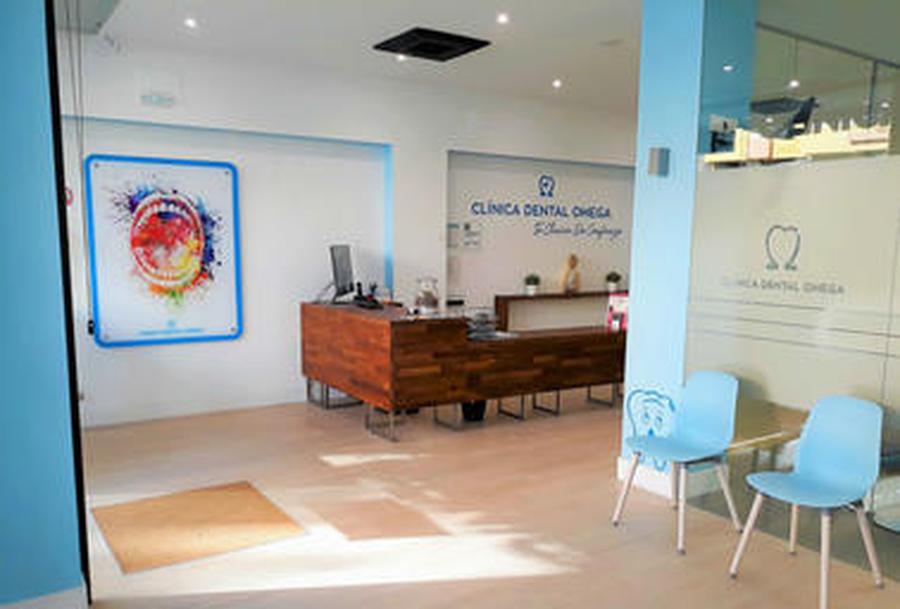
Omega Dental Clinic

Descripción general de Cirugía de encías en España
- Plástica de recesión gingival - de $800Esta terapia restaura el tejido de las encías perdido para proteger las raíces dentales expuestas y mejorar la estética de su sonrisa.
- Gingivectomía - de $90Este procedimiento elimina el exceso de tejido de las encías para tratar o prevenir la enfermedad de las encías, mejorando la salud y la estética bucal.
- Cirugía de encías - de $450Esta terapia trata la enfermedad de las encías, implica eliminar la infección, remodelar los tejidos y, a veces, reestructurar los huesos.
- Colgajo de reposición apical - de $280Esta terapia realinea el tejido de las encías para una mejor salud dental, a través de un proceso quirúrgico mínimamente invasivo que ofrece una rápida recuperación.
Día 1 - Llegada
- Traslado VIP del aeropuerto a la clínica.
- Check-in en el apartamento proporcionado por la clínica.
- Descanse un poco y prepárese para la consulta del día siguiente.
Día 2 - Preoperatorio
- Consulta con el cirujano bucal.
- Someterse a una radiografía panorámica con fines de diagnóstico.
- Discuta el plan de cirugía y responda cualquier pregunta.
Día 3 - Cirugía de encías
- Llegada a la clínica para la cirugía.
- Recibir anestesia local para adormecer el área.
- Experimente un procedimiento de cirugía de encías de 1-2 horas.
- Regreso al apartamento para descansar después de la cirugía.
Día 4 - Postoperatorio
- Asistir a una consulta postoperatoria con el cirujano.
- Reciba instrucciones para el cuidado y la recuperación en el hogar.
- Revisión y retirada de puntos quirúrgicos si es necesario.
Semana 1-2 - Rehabilitación
- Evite las actividades extenuantes y los deportes.
- Siga la rutina de higiene oral prescrita.
- Regrese al trabajo después de una semana si se siente cómodo.
Semana 3-4 - Rehabilitación
- Reanude sus actividades normales según lo permita la comodidad.
- Espere ver los resultados finales a finales de mes.
Tenga en cuenta que el tiempo de recuperación de cada paciente puede variar según las circunstancias individuales y la complejidad de la cirugía.
- Depósito de Bookimed: 200 $ o 200 €.
- Depósito de la clínica: Pague un porcentaje fijo por adelantado.
Obtenga una evaluación médica para Cirugía de encías en España: Elija su especialista entre los mejores en el campo
Ver todos los médicos
Alfonso Bonnín
Historias en video de pacientes de Bookimed
Reseñas
Todas las reseñasCompartir contenido
 Olena Sikoza
Preguntas frecuentes sobre Cirugía de encías en España
¿Cuáles son las cualificaciones de los periodoncistas en España?
Los periodoncistas cualificados en España deben poseer un título de cinco años en odontología y completar un programa de máster universitario a tiempo completo de tres años en periodoncia e implantes. Aunque el gobierno español clasifica oficialmente la periodoncia como una distinción académica, los profesionales obtienen el estatus de especialista a través de la acreditación de la Federación Europea de Periodoncia.
- Nivel educativo: Grado en Odontología de cinco años seguido de un programa de máster clínico de tres años.
- Registro obligatorio: Debe estar registrado en el Colegio de Dentistas local para ejercer legalmente en España.
- Estándar de oro: La finalización de programas acreditados por la Federación Europea de Periodoncia garantiza los estándares internacionales.
- Afiliación profesional: La membresía activa en la Sociedad Española de Periodoncia funciona como un indicador de calidad principal.
Perspectiva del experto de Bookimed: España ocupa un lugar destacado en la atención dental a nivel mundial, aunque la experiencia periodontal específica a menudo se concentra en hospitales generales de gran volumen. La Clínica Universidad de Navarra fue la primera en España en obtener la acreditación JCI y cuenta con casi 440 médicos. Estas instalaciones más grandes a menudo brindan un respaldo quirúrgico más sólido que las clínicas dentales
¿Qué tipos de cirugía de encías están disponibles en las clínicas españolas?
Las clínicas españolas ofrecen soluciones periodontales integrales que incluyen reducción de bolsas, injertos óseos regenerativos y cirugías plásticas estéticas. Centros especializados en Madrid y Barcelona utilizan técnicas avanzadas como la terapia láser y la microcirugía para tratar la periodontitis y resolver la recesión gingival en pacientes internacionales.
- Procedimientos resectivos: Los especialistas realizan cirugías de colgajo para limpiar bolsas profundas y salvar los dientes existentes.
- Cirugía regenerativa: Los cirujanos utilizan membranas biocompatibles e injertos óseos para reconstruir las estructuras de soporte perdidas.
- Cirugía plástica: Los injertos y las técnicas de «pinhole» cubren las raíces expuestas mientras reducen la sensibilidad dental severa.
- Contorneado cosmético: La gingivectomía y el alargamiento de corona corrigen la sonrisa gingival y preparan los dientes para restauraciones.
Perspectiva del experto de Bookimed: Las clínicas españolas a menudo clasifican estos procedimientos de manera amplia bajo la periodoncia en lugar de etiquetas quirúrgicas individuales. Instalaciones líderes como la Clínica Universidad de Navarra cuentan con la acreditación JCI, lo que garantiza que las cirugías de colgajo especializadas cumplan con los estándares de seguridad globales de primer nivel para el manejo de enfermedades co
¿Cómo es el proceso de recuperación después de una cirugía periodontal?
La recuperación después de una cirugía periodontal se centra en una fase inicial de curación de 1 a 2 semanas, mientras que la maduración más profunda de los tejidos y el hueso continúa durante 3 a 6 meses. La mayoría de los pacientes retoman actividades ligeras después de 48 horas mientras siguen estrictos ajustes dietéticos para proteger el sitio quirúrgico.
- Cronograma de curación: La curación superficial inicial ocurre dentro de 7 a 14 días para la mayoría de los pacientes.
- Manejo de síntomas: La hinchazón generalmente alcanza su punto máximo el día 3 antes de disminuir rápidamente.
- Restricciones de actividad: Evite el ejercicio intenso durante 1 semana para prevenir hemorragias quirúrgicas.
- Limitaciones dietéticas: Consuma alimentos blandos como yogur y puré de papas durante 14 días.
Perspectiva del experto de Bookimed: Las clínicas dentales españolas como la Clinica Dental - Dr. Joan Ramis Matas utilizan estándares certificados por ISO para minimizar las complicaciones postoperatorias. Los datos muestran que las clínicas en España a menudo proporcionan enjuagues antimicrobianos especializados como parte del protocolo de recuperación. Este enfoque en la desinfección ayuda a mantener las tasas de éxito superiores al 95% observadas en los centros españoles de alto volumen.
Consenso de los pacientes: La recupera
¿Cuánto tiempo debo permanecer en España para una cirugía de encías?
Debe planificar una estancia total de 7 a 10 días en España para una cirugía de encías. Este plazo cubre la consulta inicial, el procedimiento en sí y una cita de seguimiento vital aproximadamente una semana después para controlar la curación o retirar los puntos de sutura no absorbibles.
- Cronograma de viaje: Llegue 1 día antes de la cirugía para finalizar su plan de tratamiento con el cirujano.
- Recuperación clínica: Dedique los primeros 3 días después de la cirugía exclusivamente al descanso y al control de la inflamación.
- Seguridad de vuelo: Espere al menos de 3 a 7 días antes de volar para evitar complicaciones por la presión de la cabina.
- Casos complejos: Los procedimientos que involucran injertos óseos o elevaciones de seno pueden requerir hasta 14 días.
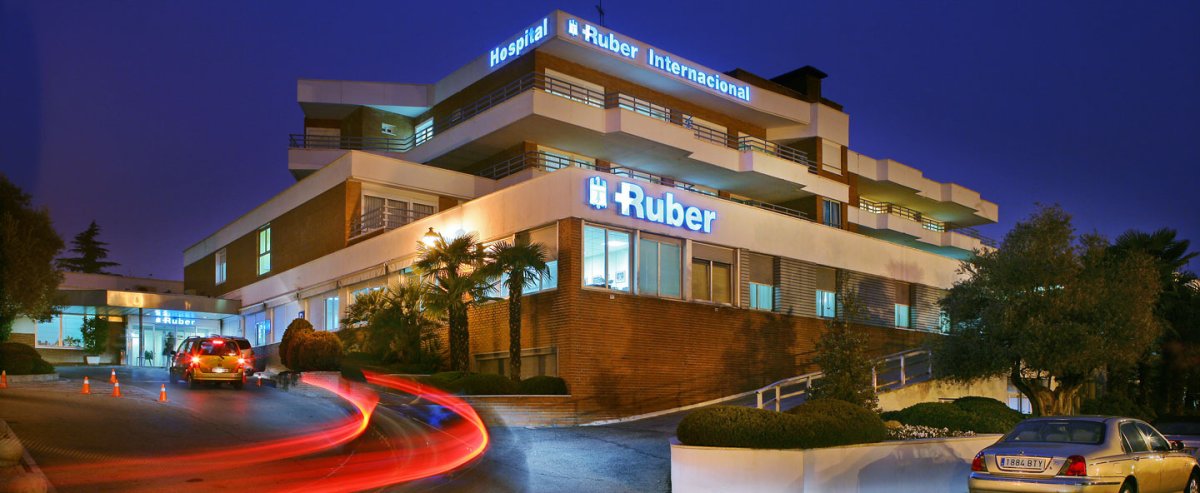
Perspectiva del experto de Bookimed: La infraestructura dental de España está altamente concentrada en centros acreditados por JCI e ISO como Madrid, Barcelona y Pamplona. Si bien una gingivectomía simple puede ser muy rápida, nuestros datos muestran que los pacientes a menudo eligen clínicas como el Hospital Ruber Internacional para trabajos periodontales más complejos. Elegir una clínica con opciones de contacto digital 24/7 es esencial si planea volar a casa poco después de su chequeo de seguimiento.
Consenso de los pacientes: Los antiguos pacientes enfat
¿Qué restricciones dietéticas debo seguir después de una cirugía de encías?
Después de una cirugía de encías, debe seguir una dieta estricta de alimentos blandos y a temperatura controlada. Evite los alimentos duros, crujientes o pegajosos que puedan desgarrar las suturas o irritar el tejido delicado. Concéntrese en líquidos fríos y purés durante 48 horas para prevenir hemorragias y asegurar una correcta cicatrización del sitio quirúrgico.
- Control de temperatura: Evite sopas o bebidas calientes para prevenir el aumento de sangrado y dolor.
- Advertencia sobre la succión: No utilice pajitas, ya que la succión puede desprender coágulos sanguíneos vitales.
- Riesgo de partículas pequeñas: Evite semillas, palomitas de maíz y granos que puedan alojarse debajo de la línea de las encías en proceso de curación.
- Alternativas alimentarias españolas: Opte por tortillas blandas, flan y cremas trituradas en lugar de pan crujiente.
Perspectiva del experto de Bookimed: Mientras que los precios en EE. UU. promedian $3,000, clínicas españolas especializadas como la Clínica Universidad de Navarra ofrecen atención avanzada por alrededor de $450. Nuestros datos muestran que los principales centros acreditados por la JCI en Madrid y Barcelona a menudo incluyen asesoramiento dietético postoperatorio como parte de sus estándares de atención de recuperación.
Consenso de los pacientes:
¿Será el idioma una barrera durante mi consulta y cirugía?
El idioma no es una barrera para la cirugía de encías en España, ya que las clínicas dentales de primer nivel priorizan a los pacientes internacionales de EE. UU., Canadá y el Reino Unido. Las instalaciones acreditadas por la JCI y los centros con certificación ISO emplean personal bilingüe y proporcionan interpretación médica profesional para garantizar una comunicación clara durante las consultas y los procedimientos.
- Servicios para pacientes internacionales: Departamentos especializados asisten a pacientes de 70 países a través de coordinadores multilingües.
- Personal clínico: Los cirujanos en hospitales acreditados por la JCI a menudo tienen becas internacionales y hablan inglés.
- Apoyo documental: Los pacientes pueden solicitar formularios de consentimiento informado y cuidados postoperatorios en inglés.
- Herramientas digitales: Los dentistas utilizan imágenes en 3D y modelos anatómicos para explicar visualmente las técnicas gingivales.
Opinión del experto de Bookimed: Si bien los grandes hospitales como la Clínica Universidad de Navarra atienden a cientos de miles de pacientes internacionales, las clínicas dentales más pequeñas en centros costeros como Tenerife o Málaga a menudo tienen más práctica con turistas dentales de habla inglesa. Estas clínicas especializadas atienden regularmente a pacientes del Reino Unido y América del Nor