Prótesis híbrida sobre implantes dentales All-on-2 en España — obtén 3 clínicas con costos


Revisado médicamente por
Fahad Mawlood
¿Cuál es el precio de Prótesis híbrida sobre implantes dentales All-on-2 en España? Descubra ahora
El coste de una prótesis híbrida All-on-2 con implantes en España suele oscilar de $6,200 a $9,000. Los precios varían según la clínica, la experiencia del odontólogo, la marca de implantes elegida (como Nobel Biocare o Straumann) y si la restauración utiliza acrílico o zirconio. En EE. UU., el coste medio es de $19,500 (según la AAID). Esto significa que se puede ahorrar aproximadamente un 61% al elegir España para este procedimiento.
Las clínicas españolas suelen incluir la consulta inicial, escaneos digitales 3D, dos implantes premium por arcada, prótesis híbridas temporales y definitivas, anestesia local y visitas de seguimiento. En EE. UU., el precio indicado suele cubrir solo los implantes y la restauración básica, mientras que se aplican cargos adicionales por extracciones, sedación y cuidados postoperatorios. Siempre confirmar exactamente qué está incluido con la clínica elegida.
| España | Estados Unidos | México | |
|---|---|---|---|
| Prótesis híbrida sobre implantes dentales All-on-2 | ≈ $6,200 | ≈ $14,000 | de $3,800 |
Sus beneficios y garantías con Bookimed
Precios directos
Bookimed no añade cargos adicionales a los precios de Prótesis híbrida sobre implantes dentales All-on-2. Las tarifas proceden de las listas de precios oficiales de las clínicas. Pagará directamente en la clínica por su Prótesis híbrida sobre implantes dentales All-on-2 a su llegada al país.
Sólo clínicas y médicos verificados
Bookimed está comprometido con su seguridad. Solo trabajamos con las clínicas que mantienen altos estándares internacionales en Prótesis híbrida sobre implantes dentales All-on-2 y tienen las licencias necesarias para atender a pacientes internacionales en todo el mundo.
Asistencia 24/7 gratuita
Bookimed ofrece asistencia experta gratuita. Un coordinador médico personal le apoya antes, durante y después del tratamiento, resolviendo cualquier problema. Nunca estará solo en su viaje médico de Prótesis híbrida sobre implantes dentales All-on-2.

Su coordinador médico personal de Bookimed
- Le apoya en cada etapa
- Ayuda a elegir la clínica y el médico adecuados
- Asegura un acceso rápido y conveniente a la información
Descubra las mejores clínicas de Prótesis híbrida sobre implantes dentales All-on-2 en España: 1 opciones verificadas y Precios
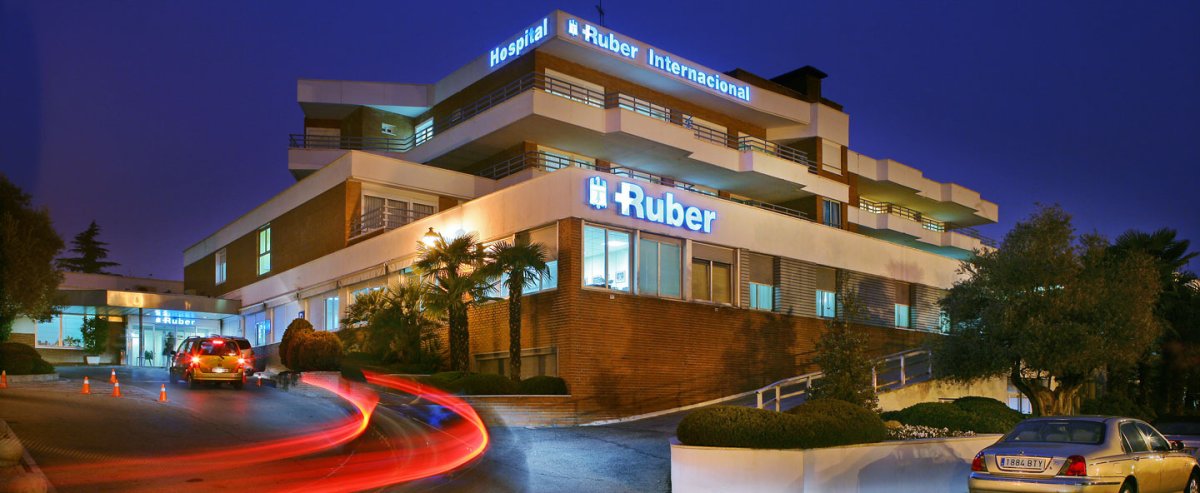


Descripción general de Prótesis híbrida sobre implantes dentales All-on-2 en España
- Dentadura - de $500Esta terapia implica el uso de reemplazos removibles para los dientes faltantes, mejorando las habilidades del habla y la masticación.
- Esta terapia reemplaza todos los dientes originales, mejorando la capacidad de masticar, el habla y la confianza mediante la colocación de prótesis hechas a medida.
- Colocación de una prótesis inmediata - de $750El procedimiento consiste en colocar un juego de dientes de reemplazo justo después de la extracción, lo que reduce el tiempo de curación y preserva la apariencia.
- Prótesis híbrida sobre implantes dentales All-on-2 - de $6,200Esta terapia utiliza dos implantes para sostener una dentadura postiza completa, brindando estabilidad y una apariencia similar a la de un diente natural.
- Esta terapia ofrece una restauración fija de arcada completa con cuatro implantes dentales, lo que mejora la función y la estética de la boca.
- Esta terapia reemplaza todos los dientes con seis implantes, ofreciendo una solución inmediata y permanente para los dientes faltantes.
- Prótesis sobre 4 implantes por CAD/CAM - de $11,200El procedimiento implica la inserción de cuatro implantes, que sostienen las dentaduras postizas con una barra de titanio diseñada digitalmente para mejorar la estabilidad y la función.
- Este procedimiento utiliza seis implantes de titanio para asegurar las dentaduras postizas completas, lo que aumenta la durabilidad y la estabilidad de la mordida.
Día 1: Llegada
- Llegue a la clínica para la consulta inicial.
- Comentar la historia clínica con el especialista.
- Sométete a un examen dental.
Día 2: Preoperatorio
- Conozca al cirujano bucal para una evaluación preoperatoria.
- Hágase las pruebas médicas necesarias, incluidas radiografías y tomografías computarizadas.
Día 3: Procedimiento de dentadura postiza híbrida All-on-2 Implant
- El procedimiento comienza con la administración de anestesia local.
- El cirujano coloca dos implantes dentales en la mandíbula.
- El procedimiento dura aproximadamente 2-3 horas por arcada.
- La dentadura temporal se coloca el mismo día.
Día 4-7: Postoperatorio
- Permanezca en la clínica para observación y recuperación.
- Siga una dieta blanda para permitir que las encías se curen.
- Tome analgésicos y antibióticos recetados.
Semana 1-2: Rehabilitación
- Regresar gradualmente a las actividades normales.
- Asista a las citas de seguimiento para controlar la curación.
Semana 3-6: Rehabilitación
- Regreso al trabajo y actividades deportivas ligeras.
- Continuar con una dieta equilibrada.
Semana 7-12: Resultado Final
- Reciba la dentadura postiza híbrida final después de que se complete la cicatrización.
- Disfrute de una sonrisa completamente funcional y estéticamente agradable.
Tenga en cuenta que este cronograma es una guía general. Los casos individuales pueden variar según la salud personal, la condición dental y la velocidad de curación.
- Depósito de Bookimed: 200 $ o 200 €.
- Depósito de la clínica: Pague un porcentaje fijo por adelantado.
Historias en video de pacientes de Bookimed
Reseñas
Todas las reseñasCompartir contenido
 Olena Sikoza
Preguntas frecuentes sobre Prótesis híbrida sobre implantes dentales All-on-2 en España
¿Qué es una prótesis híbrida sobre implantes All-on-2?
Una prótesis híbrida sobre implantes All-on-2 es una prótesis fija, no removible, asegurada por dos implantes dentales. Combina un puente de acrílico reforzado con metal con dientes artificiales, ofreciendo más estabilidad que las prótesis removibles tradicionales. Este enfoque sirve a pacientes con densidad ósea limitada o restricciones anatómicas específicas.
- Método de fijación: Los cirujanos atornillan el puente directamente sobre dos implantes para asegurar una fijación permanente.
- Diseño del paladar: La prótesis en forma de herradura deja el paladar abierto, mejorando el gusto y el habla.
- Integridad estructural: Una subestructura metálica oculta proporciona resistencia contra las fuerzas de mordida y soporte facial.
- Protocolo de mantenimiento: Solo un dentista puede retirar el dispositivo para limpiezas anuales o ajustes.
Opinión del experto de Bookimed: Aunque técnicamente es posible, los datos muestran que los pacientes a menudo eligen sistemas All-on-4 para una estabilidad superior a largo plazo. En España, los centros acreditados por la JCI, como el Hospital Ruber Internacional, se centran en diagnósticos avanzados como la resonancia magnética de 3 Teslas. Esto ayuda a garantizar que la calidad de su hueso realmente soporte una carga de dos implantes antes de la cirugía.
Consenso de los pacientes: Muchos
¿Existen riesgos?
Las prótesis híbridas sobre implantes All-on-2 en España son seguras cuando las realizan especialistas experimentados. Los riesgos principales incluyen periimplantitis, infecciones y problemas mecánicos como el aflojamiento de los tornillos. El éxito depende de implantes de alta calidad, entornos quirúrgicos estériles y una higiene postoperatoria rigurosa para prevenir la reabsorción ósea o el fracaso del implante.
- Control de infecciones: Las enfermedades de las encías preexistentes o una mala higiene pueden causar el fracaso del implante durante la cicatrización.
- Mantenimiento mecánico: La extracción frecuente de la prótesis puede desgastar las roscas del implante o los tornillos.
- Salud ósea: La periimplantitis puede causar pérdida ósea si las partículas de comida quedan atrapadas debajo de la prótesis.
- Desgaste de materiales: Los componentes de las prótesis acrílicas suelen requerir reemplazo o renovación profesional cada 5 años.
Opinión del experto de Bookimed: Aunque muchos pacientes se centran en la cirugía, el éxito a largo plazo de los sistemas All-on-2 depende de la estabilidad mecánica. Las clínicas españolas como el Hospital Ruber Internacional utilizan escáneres avanzados de resonancia magnética de 3 Teslas y tomografía computarizada para garantizar una colocación precisa. Esta precisión evita fuerzas de mordida desiguales qu
¿Qué material se utiliza para la prótesis?
Las prótesis híbridas sobre implantes All-on-2 en España suelen utilizar circonio reforzado con titanio o resina acrílica con un refuerzo de estructura metálica. El circonio ofrece una durabilidad y resistencia a las manchas superiores para restauraciones permanentes. La resina acrílica sigue siendo una alternativa común para los pacientes que buscan una opción de prótesis fija tradicional y de menor coste.
- Material del núcleo: Las barras de refuerzo de titanio proporcionan la resistencia estructural esencial para la prótesis dental.
- Durabilidad del circonio: Esta cerámica policristalina sirve como el estándar de oro para la resistencia a la fractura a largo plazo.
- Resina acrílica: Se utiliza resina de grado médico sobre una estructura metálica para soluciones híbridas rentables.
- Valor a largo plazo: Las prótesis de circonio suelen durar más de 15 años, lo que reduce el mantenimiento y los reemplazos a largo plazo.
Perspectiva del experto de Bookimed: Aunque existen opciones de acrílico, elegir circonio reforzado con titanio en centros acreditados como el Hospital Ruber Internacional suele ser más rentable a largo plazo. El circonio resiste el desgaste natural y las manchas comunes en la resina. Esta elección elimina los costes significativos de reemplazo que se repiten cada 5 años en los modelos de acrílico.
Consenso de
¿Cuántas visitas necesito a España?
Los pacientes suelen requerir 2 visitas separadas a España para prótesis híbridas sobre implantes All-on-2. El primer viaje cubre la colocación quirúrgica y dura 14 días. Debe regresar de 4 a 6 meses después para el ajuste final, lo que requiere otra estancia de 15 días para obtener resultados óptimos.
- Duración de la primera visita: 14 días para la cirugía y la curación inicial.
- Período de osteointegración: Espere de 4 a 6 meses para que los implantes se fusionen.
- Duración de la segunda visita: Asigne 15 días para ajustes precisos de la prótesis final.
- Consejo de preparación: Comparta radiografías con las clínicas españolas antes de viajar.
Perspectiva del experto de Bookimed: Aunque España es conocida por clínicas como el Hospital Ruber Internacional, los pacientes a menudo pasan por alto la flexibilidad del viaje. Los datos sugieren añadir 7 días a su itinerario. Este margen permite realizar los cambios de horario necesarios durante los ajustes protésicos complejos. Acelerar la fase de ajuste final puede comprometer la comodidad a largo plazo.
Consenso de los pacientes: Los viajeros enfatizan que se debe abordar con extrema precaución las afirmaciones de una sola visita. La mayoría de los resultados exitosos requieren dos viajes distintos para garantizar una curación estable. Algunas clínicas solicitaron el pag
¿Cuáles son las mejores ciudades para tratamientos dentales en España?
Madrid, Barcelona y la Costa del Sol son las mejores ciudades para tratamientos dentales en España. Estos centros cuentan con instalaciones acreditadas por la JCI y centros especializados en implantes. Los pacientes a menudo ahorran hasta un 61% en comparación con los precios de EE. UU. al acceder a protocolos avanzados de reconstrucción de arco completo en clínicas privadas metropolitanas.
- Clínicas en Madrid: Albergan centros de gran volumen como el Hospital Ruber Internacional con certificaciones JCI e ISO.
- Experiencia en Barcelona: Conocida por clínicas especializadas que se centran en casos complejos de implantes y servicios para pacientes internacionales.
- Costa del Sol: Popular por su personal de habla inglesa en ciudades como Marbella, Málaga y Fuengirola.
- Estándares clínicos: Las clínicas privadas en estas ciudades utilizan tecnologías avanzadas como resonancia magnética de 3 Teslas y Da Vinci.
Perspectiva del experto de Bookimed: Aunque España ofrece atención de alto nivel, las grandes ciudades se centran en la medicina privada general en lugar del turismo dental dedicado. Clínicas como el Hospital Ruber Internacional atienden a 25,000 pacientes al año, pero siguen siendo tipo boutique en volumen dental. Para trabajos complejos de arco completo, priorice clínicas en Madrid o Barcelona que demuestren experie