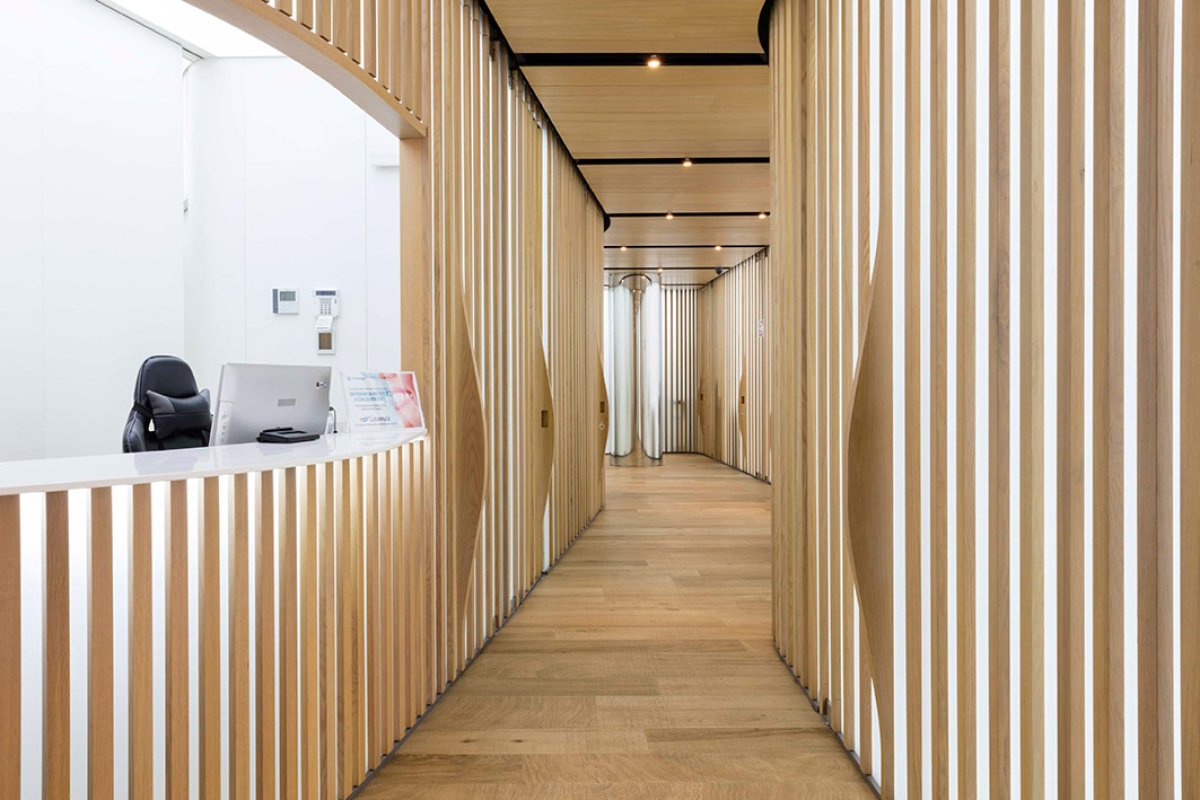
Clínica Dental Raíces
España, Tenerife


Revisado médicamente por
Fahad Mawlood
De $1,700. Los precios varían según el número de implantes, la clínica, la experiencia del cirujano y el tipo de sistema de implantes utilizado (como Nobel Biocare o Straumann). En Estados Unidos, el coste medio es de $6,500 (según la AAID). Esto significa que los implantes dentales de carga inmediata en España son aproximadamente un 74% más económicos que en EE. UU.
Las clínicas españolas suelen incluir en el precio la consulta, la imagen 3D (CBCT), la colocación del implante, la corona temporal inmediata, los pilares y las visitas de seguimiento. En EE. UU., el precio anunciado suele cubrir solo el implante y la cirugía, con cargos adicionales por escáneres, pilares, coronas y cuidados posteriores. Siempre confirmar qué está incluido con la clínica elegida, ya que los detalles del paquete pueden variar.
| España | Estados Unidos | México | |
|---|---|---|---|
| Implante dental de carga inmediata | de $1,700 | ≈ $4,500 | ≈ $1,900 |
| Implantes dentales inmediatos All-on-2 | ≈ $6,500 | ≈ $14,500 | de $6,000 |
| Implantes dentales en un día All-on-6 | de $11,800 | ≈ $18,000 | de $11,000 |
| Implantes dentales de carga inmediata All-on-6 | de $11,800 | ≈ $18,500 | ≈ $11,500 |
| Implantes dentales de carga inmediata All-on-4 | de $10,700 | ≈ $17,500 | de $6,400 |
Día 1
Dia 2
Día 3
Día 4
Dia 5
Semana 1
Semana 2-3
Semana 4
Tenga en cuenta que cada caso es individual y los detalles específicos pueden variar.

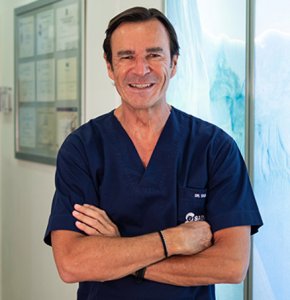
La Dra. Alaa Ghuzlan es odontóloga con más de 10 años de experiencia. Ha tratado a miles de pacientes en varios países. Cuenta con una especialización en implantología dental de la Universidad de Barcelona. Continúa formándose para ofrecer tratamientos actualizados.
Su consulta utiliza radiología 2D y 3D y un escáner intraoral 3D. Estas herramientas mejoran la experiencia del paciente y agilizan los flujos de trabajo. También permiten ofrecer una atención más rápida.
 Olena Sikoza
Los implantes de carga inmediata se diferencian de los tradicionales al permitir la colocación de una corona funcional temporal o una prótesis dentro de las 24 horas posteriores a la cirugía. Los métodos tradicionales requieren un período de curación de 3 a 6 meses antes de colocar cualquier restauración. El éxito depende de lograr un alto torque de inserción para la estabilidad.
Perspectiva del experto de Bookimed: Los datos de clínicas españolas como Clinica Dental Raices muestran un cambio hacia la planificación digital para aumentar las tasas de éxito. Si bien los implantes tradicionales siguen siendo el estándar para la mala calidad ósea, el uso de escáneres intraorales 3D y radiología permite a especialistas como el Dr. Alaa Ghuzlan realizar la carga inmediata incluso en casos complejos mediante el mapeo preciso de la densidad ósea antes de la primera incisión.
Los implantes dentales de carga inmediata en España son seguros y altamente predecibles cuando se realizan en instalaciones acreditadas por la JCI. Las clínicas especializadas utilizan escaneo intraoral 3D y cirugía guiada por computadora. Estas herramientas digitales avanzadas garantizan una colocación precisa. Los cirujanos locales a menudo poseen certificaciones avanzadas de la Universidad de Barcelona.
De $1,700. Clinica Dental Raices y otros centros españoles atienden a diversos pacientes internacionales. Solicite siempre la marca y el modelo específicos de su implante. Esto garantiza que su dentista local pueda obtener piezas para futuros ajustes.
"Dientes en un día" es un protocolo dental avanzado para pacientes sanos con alta densidad ósea en la mandíbula. Aunque es ideal para aquellos con dientes en mal estado, no es para todos. El éxito depende de lograr un torque inicial específico durante la cirugía para soportar los protocolos de carga inmediata.
Perspectiva del experto de Bookimed: Aunque muchas clínicas promocionan resultados en 24 horas, los centros españoles como la Clinica Dental Raices a menudo emplean un protocolo de 48 horas. Este breve retraso permite que la radiología 3D y los escáneres intraorales produzcan un arco temporal más preciso. Elegir una ventana de 2 días en lugar de 1 suele resultar en un mejor ajuste de la prótesis y menos ajustes.
Consenso de los pacientes: Muchos pacientes advierten que "dientes en un día" se refi
La insuficiencia de hueso maxilar conduce a la reabsorción ósea, donde el cuerpo absorbe el tejido óseo no utilizado. Esta pérdida estructural provoca flacidez facial y hace que los implantes estándar sean inestables. En España, los cirujanos utilizan técnicas avanzadas como implantes cigomáticos o subperiósticos y regeneración ósea para restaurar la funcionalidad para la carga inmediata.
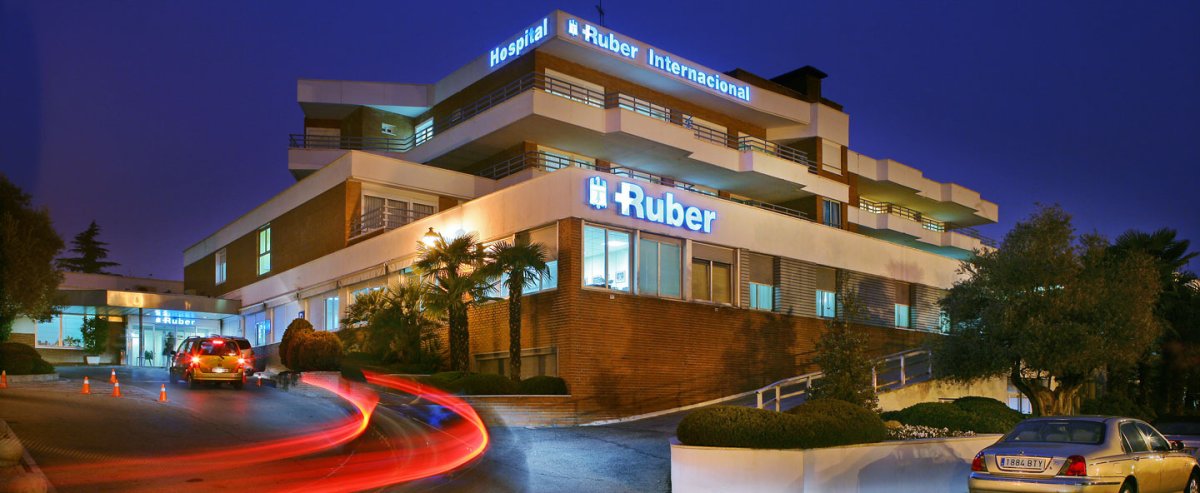
Perspectiva del experto de Bookimed: Las mejores clínicas de España, como el Hospital Ruber Internacional, utilizan radiología 3D para verificar el torque de inserción de 32–50 Ncm requerido para la carga inmediata. Si su densidad ósea se clasifica como D3 o D4, cirujanos especialistas como el Dr. Alaa Ghuzlan a menudo cambian los tornillos estándar por implantes inclinados. Esta estrategia evita la necesidad de retrasos de seis meses por injertos mientras se mantienen altas
Los implantes dentales de carga inmediata en España proporcionan una sonrisa temporal en un plazo de 24 a 48 horas. El proceso clínico total requiere de 3 a 4 meses para la osteointegración completa. Este cronograma incluye dos visitas distintas a instalaciones acreditadas por la JCI o clínicas especializadas como Clinica Dental Raices en Tenerife.
Perspectiva del experto de Bookimed: Aunque muchos buscan resultados el mismo día, la curación biológica es innegociable para el éxito a largo plazo. Los datos muestran que especialistas como el Dr. Alaa Ghuzlan priorizan la estabilidad del torque durante las primeras 48 horas. Si la estabilidad es baja, forzar la carga inmediata aumenta los riesgos de fracaso, por lo que siempre debe planificar dos viajes separados.
Consenso de los pacientes: La mayoría de los pacientes agradecen salir de la clínica con un diente temporal funcional. Sin embargo, enfat
Inmediatamente después de recibir implantes dentales de carga inmediata en España, consuma solo líquidos claros a temperatura ambiente o alimentos muy blandos. Los pacientes deben evitar masticar directamente sobre el sitio del implante y priorizar opciones que no requieran masticación, como yogur o sopas licuadas, para asegurar la estabilidad primaria mientras el titanio se integra con el hueso maxilar.
Opinión experta de Bookimed: Aunque estos implantes se denominan de carga inmediata, la prótesis es temporal. Las clínicas españolas como Clinica Dental Raices suelen utilizar escaneo intraoral 3D para asegurar que la mordida esté perfectamente equilibrada. Esto evita la presión accidental sobre el implante al tragar alimentos blandos como pudín o avena durante los primeros 3 días.
Consenso de los pacientes: Muchos sugieren prepara
La preparación para implantes dentales de carga inmediata en España requiere coordinar el diagnóstico digital y la logística de recuperación. Los pacientes deben obtener escaneos radiológicos 3D locales recientes para compartirlos con especialistas como el Dr. Alaa Ghuzlan en Clinica Dental Raices. Planifique una estancia de 10 días para garantizar la estabilidad de los implantes antes de volar.
Perspectiva del experto de Bookimed: Las instalaciones de primer nivel en España a menudo combinan una hospitalidad de lujo con la excelencia clínica. Por ejemplo, el Hospital Ruber Internacional en Madrid cuenta con acreditación JCI y opera como un hotel de alta gama con 15 suites de lujo. Reservar aquí proporciona seguridad de nivel hospitalario con la comodidad necesaria para la ventana crítica de 72 horas después de la operación.