Fusión vertebral mínimamente invasiva en España — obtén 3 clínicas con costos


Revisado médicamente por
Fahad Mawlood
¿Cuál es el precio de Fusión vertebral mínimamente invasiva en España? Descubra ahora
De $14,600. El precio puede variar según el hospital, la experiencia del neurocirujano, el nivel de complejidad (una o varias vértebras) y el tipo de implantes utilizados (titanio, PEEK). UU.
Las clínicas españolas generalmente incluyen en el precio cotizado las imágenes preoperatorias (RM, TC), anestesia general, honorarios quirúrgicos, implantes espinales, 2–4 días de hospitalización, medicamentos y visitas de seguimiento. En EE. UU., muchos de estos conceptos—especialmente los implantes, la anestesia y la atención postoperatoria—se facturan por separado. Siempre confirmar exactamente qué está incluido en cada clínica.
Beneficios clave
¿Por qué elegir España para la cirugía de fusión mínimamente invasiva?
- Clínicas acreditadas: Los hospitales certificados por JCI mantienen los más altos estándares de atención y seguridad del paciente.
- Tecnologías de vanguardia: España emplea técnicas innovadoras como XLIF (Fusión Intercorporal Lateral Extrema) y ALIF (Fusión Intercorporal Lumbar Anterior). Estos procedimientos utilizan materiales como jaulas de PEEK (Polieter éter cetona) e implantes de titanio de marcas líderes como Medtronic y NuVasive.
- Altas tasas de éxito: La cirugía de fusión mínimamente invasiva en España tiene una impresionante tasa de eficacia del 85-90%. Esto mejora significativamente los resultados para los pacientes y reduce el tiempo de recuperación.
- Cirujanos expertos: Renombrados cirujanos de columna, muchos certificados por la Sociedad Europea de Columna Vertebral, han realizado más de 500 cirugías de fusión mínimamente invasivas. Su amplia experiencia y pericia están bien demostradas.
Acceda a soluciones avanzadas de cirugía de fusión mínimamente invasiva en clínicas de confianza de $14,600.
| España | Turquía | México | |
|---|---|---|---|
| Fusión vertebral mínimamente invasiva | de $14,600 | de $8,000 | de $11,500 |
| Fusión intercorporal lumbar transforaminal (TLIF) | ≈ $15,500 | de $14,000 | ≈ $12,500 |
Sus beneficios y garantías con Bookimed
Precios directos
Bookimed no añade cargos adicionales a los precios de Fusión vertebral mínimamente invasiva. Las tarifas proceden de las listas de precios oficiales de las clínicas. Pagará directamente en la clínica por su Fusión vertebral mínimamente invasiva a su llegada al país.
Sólo clínicas y médicos verificados
Bookimed está comprometido con su seguridad. Solo trabajamos con las clínicas que mantienen altos estándares internacionales en Fusión vertebral mínimamente invasiva y tienen las licencias necesarias para atender a pacientes internacionales en todo el mundo.
Asistencia 24/7 gratuita
Bookimed ofrece asistencia experta gratuita. Un coordinador médico personal le apoya antes, durante y después del tratamiento, resolviendo cualquier problema. Nunca estará solo en su viaje médico de Fusión vertebral mínimamente invasiva.

Su coordinador médico personal de Bookimed
- Le apoya en cada etapa
- Ayuda a elegir la clínica y el médico adecuados
- Asegura un acceso rápido y conveniente a la información
Descubra las mejores clínicas de Fusión vertebral mínimamente invasiva en España: 7 opciones verificadas y Precios





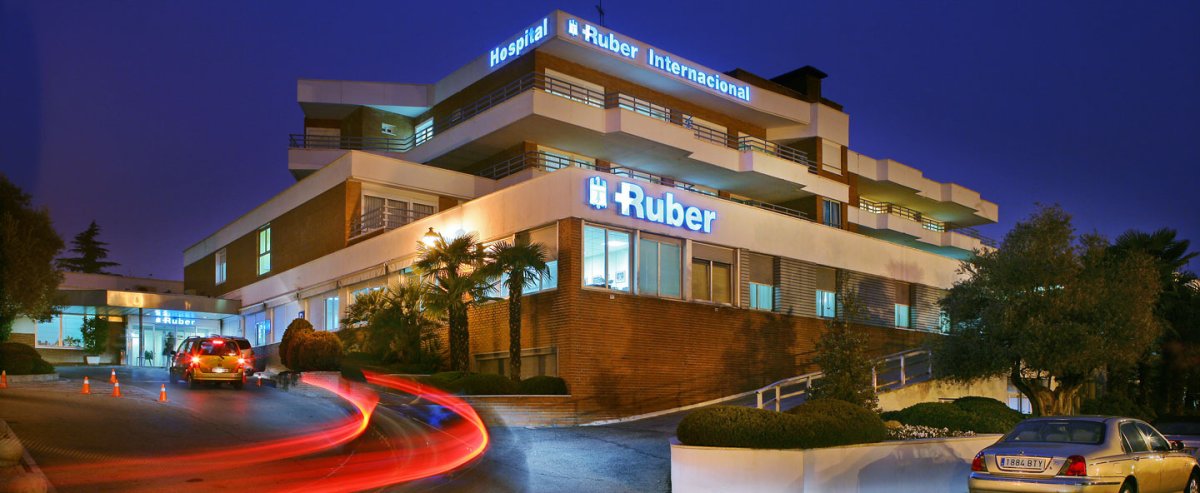


Policlinica Ntra. Sra. del Rosario




Descripción general de Fusión vertebral mínimamente invasiva en España
- Fusión vertebral mínimamente invasiva - de $14,600Esta terapia fusiona huesos mediante pequeñas incisiones, lo que reduce el trauma, el dolor y el tiempo de recuperación.
Día 1
- Llegada al aeropuerto.
- Traslado del aeropuerto al hotel.
- Descansar y adaptarse al nuevo entorno.
Dia 2
- Traslado del hotel a la clínica.
- Consulta con un ortopedista.
- Realización de las pruebas médicas necesarias.
Día 3
- Preparación para la cirugía.
- Administración de anestesia.
- Realización de cirugía de fusión mínimamente invasiva.
- Atención postoperatoria en la clínica.
Día 4-7
- Seguimiento y cuidados postoperatorios.
- Manejo del dolor y cuidado de heridas.
- Traslado de la clínica al hotel.
Semana 1-2
- Período de recuperación inicial en el hotel.
- Revisiones periódicas en la clínica.
Semana 3-6
- Regreso paulatino a las actividades livianas.
- Controles y seguimientos continuos.
Semana 6-12
- Regreso al trabajo y otras actividades regulares.
- Revisión final y alta de la clínica.
Tenga en cuenta que el cronograma y el procedimiento pueden variar según las condiciones de salud individuales y la evaluación del médico. Siempre siga las instrucciones y pautas dadas para una recuperación sin problemas.
- Depósito de Bookimed: 200 $ o 200 €.
- Depósito de la clínica: Pague un porcentaje fijo por adelantado.
Obtenga una evaluación médica de Fusión vertebral mínimamente invasiva en España: haga una consulta con 6 médicos experimentados ahora
Ver todos los médicos
Nnamdi Elenwoke
El Dr. Nnamdi Elenwoke está especializado en neurocirugía mínimamente invasiva y funcional en el Centro Médico Teknon, uno de los centros neuroquirúrgicos líderes en Europa.
- Más de 15 años de experiencia en neurocirugía
- Experto en malformación de Arnold-Chiari y trastornos de la unión craneocervical
- Formado en cirugía endoscópica de base de cráneo en la Universidad de Emory
- Miembro de la Asociación Europea de Sociedades de Neurocirugía
- Utiliza sistemas avanzados de imagen y neuronavegación para mayor precisión

Dora Fernández Agrafojo
El médico es especialista en Otorrinolaringología y ejerce en el Hospital Quirónsalud Torrevieja. Con título de medicina y especialización obtenida en la Universidad Católica de Lovaina, el médico se centra en el diagnóstico y tratamiento de afecciones de oído, nariz y garganta, incluyendo síntomas auditivos, nasales y laríngeos. La práctica clínica abarca consultas de ORL para adultos, diagnóstico ambulatorio y evaluaciones médicas multidisciplinares en un entorno hospitalario privado.

Pedro Delgado
Jefe de Traumatología y Cirugía Ortopédica en el Hospital Universitario HM Montepríncipe, el Dr. Delgado lidera un equipo especializado en Cirugía de Mano.
- Parte de un equipo con cirujanos de mano con formación de Fellowship
- Trabaja junto a expertos con diplomas europeos en Cirugía de Mano
- Colabora con cirujanos formados en prestigiosos institutos de EE. UU.

Drcovaro
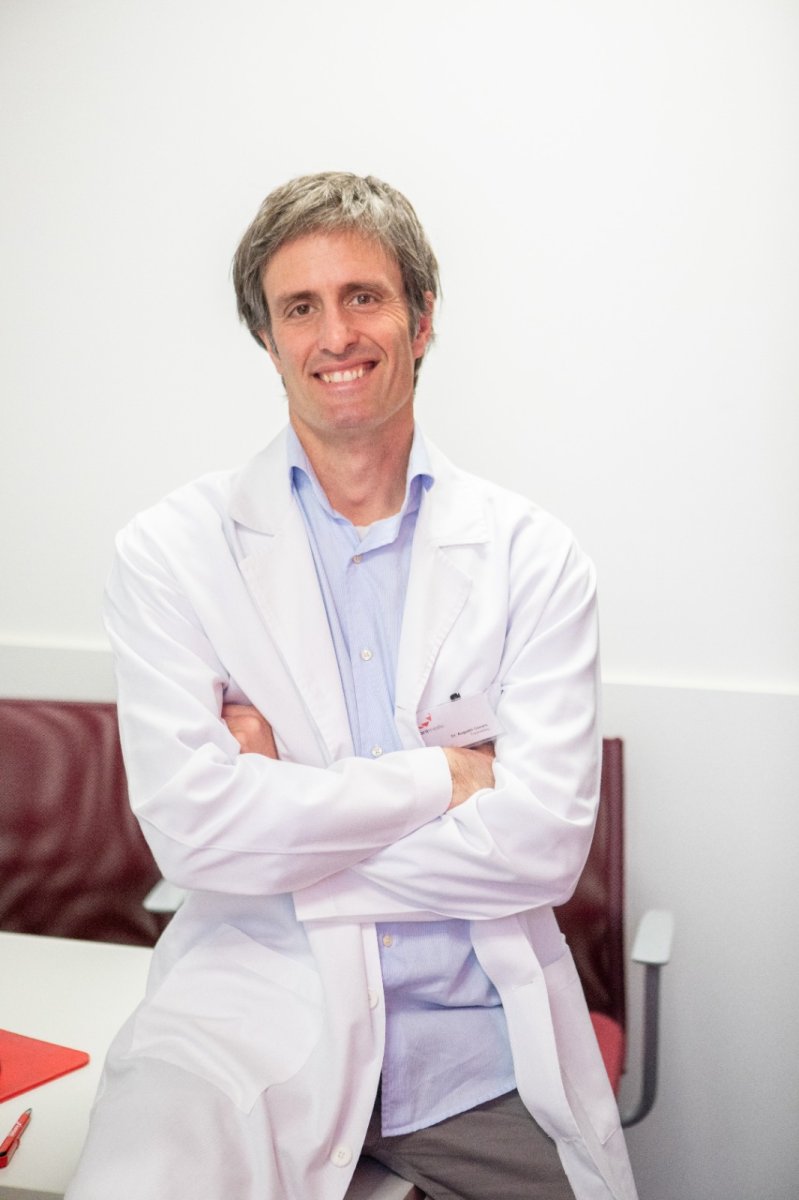
Especialista en cirugía de columna mínimamente invasiva con becas internacionales en Dinamarca y Suecia. El Dr. Covaro ejerce en instituciones de primer nivel en Barcelona.
- Realiza tratamientos para hernias discales, escoliosis y estenosis espinal
- Completó becas en cirugía compleja de columna en Aarhus y Uppsala
- Contribuye a investigaciones y publicaciones internacionales sobre cirugía de columna
- Utiliza materiales y técnicas avanzadas adaptadas a cada paciente
Historias en video de pacientes de Bookimed
Reseñas
Todas las reseñas


Compartir contenido
 Olena Sikoza
Preguntas frecuentes sobre Fusión vertebral mínimamente invasiva en España
¿Cuáles son los riesgos de la cirugía de fusión mínimamente invasiva en España?
La cirugía de fusión mínimamente invasiva en España conlleva complicaciones como la pseudoartrosis, donde las vértebras no logran fusionarse, y la enfermedad del segmento adyacente debido al estrés mecánico. Si bien los centros acreditados por la JCI en Barcelona y Madrid priorizan la seguridad, las posibles lesiones neurológicas y el dolor posoperatorio persistente siguen siendo riesgos inherentes al procedimiento.
- Fallo de consolidación ósea: La pseudoartrosis ocurre cuando el hueso no se solidifica, lo que potencialmente requiere una cirugía de revisión secundaria.
- Enfermedad del segmento adyacente: Los segmentos espinales rígidos pueden acelerar la degeneración en los discos vecinos debido a la presión.
- Seguridad neurológica: Pueden producirse daños en las raíces nerviosas o entumecimiento persistente a pesar de los sistemas avanzados de neuronavigación.
- Control de infecciones: Los riesgos de infección posoperatoria persisten, aunque se minimizan mediante entornos quirúrgicos estériles especializados.
Perspectiva del experto de Bookimed: Los mejores neurocirujanos de España, como los del Centro Médico Teknon con 23,500 operaciones anuales, enfatizan que la experiencia del cirujano en técnicas específicas como la fusión lumbar intersomática transforaminal (TLIF) es más crítica que la tecnología en sí. Los centros de alto volumen a me
¿Cuál es la tasa de éxito de la cirugía de fusión mínimamente invasiva?
La cirugía de fusión mínimamente invasiva mantiene tasas de éxito entre el 80 % y el 95 % en cuanto al alivio del dolor y la mejora funcional. Los resultados clínicos coinciden con los de la cirugía abierta tradicional y, al mismo tiempo, ofrecen ventajas significativas, que incluyen menos daño tisular, tiempos de recuperación un 65 % más rápidos y un menor riesgo de infección posoperatoria en centros especializados.
- Métricas de éxito: Más del 92 % de los pacientes informan resultados positivos después de los procedimientos modernos de fusión espinal.
- Ganancias funcionales: La mayoría de los pacientes logran una mejora sustancial en las actividades diarias y niveles de movilidad casi normales.
- Variación de técnicas: Los enfoques específicos como TLIF y XLIF tienen una eficacia que oscila entre el 70 % y el 95 %.
- Estándar de oro: La fusión de la articulación sacroilíaca mediante implantes triangulares de titanio iFuse muestra resultados superiores a largo plazo.
Perspectiva del experto de Bookimed: España ocupa el tercer lugar a nivel mundial en solicitudes de neurocirugía en Bookimed, en gran parte debido a centros de gran volumen como el Centro Médico Teknon. Con 23.500 operaciones al año, sus cirujanos mantienen tasas de reoperación más bajas. Los volúmenes altos de pacientes generalmente se correlacionan con un mejor dominio de las t
¿Qué es la cirugía de fusión mínimamente invasiva (MIS)?
La cirugía de fusión mínimamente invasiva (MIS) es una técnica avanzada que estabiliza la columna vertebral utilizando pequeñas incisiones y herramientas especializadas. A diferencia de la cirugía abierta, la MIS preserva los músculos y ligamentos mientras aborda la inestabilidad mecánica, lo que resulta en menos trauma y una recuperación más rápida en centros españoles acreditados por la JCI.
- Enfoque quirúrgico: Los cirujanos utilizan pequeñas incisiones de aproximadamente 3 cm en lugar de grandes aperturas.
- Preservación de tejidos: Los retractores musculares crean túneles para llegar a las vértebras sin cortar tejidos vitales.
- Objetivo de estabilización: Tornillos y varillas metálicas unen las vértebras para detener el movimiento doloroso por inestabilidad.
- Guía por imagen: Tecnologías en tiempo real y sistemas asistidos por robot aseguran una colocación precisa del hardware durante la cirugía.
- Elegibilidad del paciente: Ideal para espondilolistesis o enfermedad degenerativa del disco que causa inestabilidad mecánica verificada.
Perspectiva del experto de Bookimed: Los centros de neurocirugía españoles como el Centro Médico Teknon o Quiron-Dexeus a menudo diferencian estrictamente entre la extracción endoscópica de disco y la fusión MIS. Si bien la endoscopia es menos invasiva, solo elimina el material hernia
¿Qué afecciones se pueden tratar con la cirugía de fusión mínimamente invasiva en España?
La cirugía de fusión mínimamente invasiva en España trata la enfermedad degenerativa del disco, la espondilolistesis, la estenosis espinal y varios tumores de la columna vertebral. Los hospitales en Barcelona y Madrid utilizan técnicas como MIS-TLIF y neurocirugía robótica para estabilizar los segmentos espinales mientras reducen la eliminación ósea y preservan el tejido muscular circundante para una recuperación más rápida.
- Condiciones degenerativas: Trata el dolor crónico por desgaste mediante MIS-TLIF avanzado o estabilización microquirúrgica.
- Inestabilidad mecánica: Resuelve el desplazamiento vertebral (espondilolistesis) y los ligamentos dañados mediante métodos de fijación percutánea.
- Trastornos estructurales: Corrige la escoliosis adulta, la cifosis y la estenosis espinal mediante enfoques quirúrgicos guiados por neuronavigación.
- Patologías complejas: Aborda fracturas vertebrales, tumores espinales y el síndrome de espalda fallida mediante neurocirugía asistida por robot.
Perspectiva del experto de Bookimed: Si bien España es uno de los 3 principales destinos para casos complejos, los pacientes a menudo confunden la microdiscectomía con la fusión. Los datos muestran que clínicas como el Centro Médico Teknon y el Hospital Universitari Quiron-Dexeus se especializan en fusiones guiadas por robot y neuronavigación. Estos enfoques de
¿Cuáles son los beneficios de la cirugía de fusión mínimamente invasiva en comparación con la cirugía tradicional?
La cirugía de fusión mínimamente invasiva reduce el trauma tisular mediante incisiones más pequeñas y técnicas que preservan los músculos, acelerando significativamente la recuperación. Los pacientes a menudo caminan dentro de las 24 horas y regresan al trabajo en 4 a 6 semanas, casi 3 veces más rápido que con la cirugía abierta tradicional. Los beneficios clave incluyen una menor pérdida de sangre, menores riesgos de infección y cicatrices mínimas.
- Velocidad de recuperación: Regreso al trabajo en 4–6 semanas frente a 3–6 meses en la cirugía tradicional.
- Estancia hospitalaria: Los pacientes suelen irse a casa en 1–2 días frente a 4–7 días.
- Preservación de tejidos: Los retractores tubulares preservan los músculos y ligamentos, previniendo la debilidad y atrofia a largo plazo.
- Manejo del dolor: Un manejo más suave de los tejidos reduce significativamente el dolor posoperatorio y la necesidad de medicamentos narcóticos.
Perspectiva del experto de Bookimed: España se ha convertido en un centro de gran volumen para la cirugía de columna, con clínicas de primer nivel como el Centro Médico Teknon realizando más de 23.500 operaciones al año. Los datos muestran que estas instalaciones a menudo integran sistemas avanzados de neuronavigación y robótica. Este alto volumen de procedimientos generalmente se correlaciona con tasas de complicaciones má
¿Cuál es el tiempo de recuperación después de una cirugía de fusión mínimamente invasiva?
La recuperación de la cirugía de fusión mínimamente invasiva generalmente permite volver a trabajar de forma ligera en un plazo de 2 a 4 semanas. La mayoría de los pacientes logran una recuperación funcional completa en 6 a 12 meses, aunque la solidificación ósea completa toma de 12 a 18 meses en instalaciones españolas acreditadas por la JCI.
- Alta hospitalaria: Los pacientes suelen salir del hospital dentro de las 24 horas posteriores a la cirugía.
- Movilidad inicial: La caminata generalmente comienza el segundo día para mejorar la circulación.
- Manejo del dolor: La mayoría de los pacientes dejan de tomar analgésicos recetados para la segunda semana.
- Actividad física: El regreso a los ejercicios de gimnasio generalmente ocurre alrededor de los 4 meses posteriores a la operación.
Perspectiva del experto de Bookimed: España ocupa el tercer lugar a nivel mundial en solicitudes médicas, en parte debido a centros de alto volumen como el Centro Médico Teknon. Su neuroinstituto realiza más de 23.500 operaciones al año. Este inmenso volumen quirúrgico a menudo conduce a protocolos refinados, como el alta en solo 1 día frente a las estancias tradicionales de 3 días.
Consenso de los pacientes: Los primeros 5 días son los más intensos en cuanto a molestias. Sin embargo, muchas personas descubren que pueden caminar varios kil
¿El seguro cubrirá la cirugía de fusión mínimamente invasiva en España?
Los seguros internacionales suelen cubrir la cirugía de fusión mínimamente invasiva en España si se reconoce como médicamente necesaria. Muchos centros acreditados por la Joint Commission International (JCI), como el Hospital Ruber Internacional y el Centro Médico Teknon, aceptan planes globales para tratar enfermedades degenerativas del disco, escoliosis o pinzamientos nerviosos.
- Necesidad médica: La verificación requiere imágenes (resonancia magnética o tomografía computarizada) que muestren una compresión nerviosa de moderada a grave.
- Atención conservadora: Las aseguradoras a menudo requieren el fracaso documentado de la fisioterapia, las inyecciones o la medicación.
- Centros acreditados: Los centros de primer nivel como el Teknon Medical Center mantienen los estándares de la Joint Commission International (JCI).
- Inclusiones de la cobertura: Las reclamaciones aprobadas generalmente cubren los honorarios quirúrgicos, las pruebas de diagnóstico, los implantes y la hospitalización.
Perspectiva del experto de Bookimed: Aunque España es uno de los 3 principales destinos mundiales para la neurocirugía, la aprobación del seguro suele depender de la defensa del cirujano. Los datos de más de 498 solicitudes muestran que clínicas como el Centro Médico Teknon, que realiza 23.500 operaciones al año, cuentan con coordinadores dedicados que ayudan