Radioterapia para el cáncer de riñón en España — reciba 3 opciones de clínicas personalizadas


Revisado médicamente por
Fahad Mawlood
Cómo funciona
¿Cuál es el precio de Radioterapia para el cáncer de riñón en España? Descubra ahora
Descubra las mejores clínicas de Radioterapia para el cáncer de riñón en España: 5 opciones verificadas y Precios









Hospital Sant Joan de Déu Barcelona



GenesisCare Clinics
Descripción general de Radioterapia para el cáncer de riñón en España
- Radioterapia - de $12,500Esta terapia utiliza ondas de alta energía para destruir las células cancerosas, proporcionando un tratamiento no quirúrgico con pocos efectos secundarios.
- TrueBeam - de $12,000Esta terapia es una técnica de radiación de alta potencia para tratar el cáncer con gran precisión y rapidez.
- Radiocirugía estereotáxica - de $18,100Esta terapia se dirige a los tumores con radiación precisa, reduciendo el daño a los tejidos circundantes y evitando la cirugía invasiva.
- Tomoterapia - de $7,500Esta terapia es un tratamiento de radiación de vanguardia, que se dirige con precisión a los tumores y reduce el daño al tejido sano cercano.
- Radiocirugía de un tumor cerebral - de $12,000Esta terapia se enfoca selectivamente en los tumores cerebrales, utilizando radiación precisa para eliminar las células sin afectar el tejido circundante.
- Radioterapia para el cáncer colorrectal - de $7,500Este procedimiento utiliza rayos de alta energía para destruir las células de cáncer colorrectal, un método de tratamiento eficaz y específico.
- Radioterapia para tumor cerebral - de $9,500Esta terapia tiene como objetivo destruir los tumores cerebrales utilizando rayos de alta energía, reduciendo los síntomas y mejorando las tasas de supervivencia.
- Radioterapia para el cáncer de garganta. - de $14,000Esta terapia tiene como objetivo destruir las células cancerosas de la garganta utilizando radiación de alta energía, mejorando la supervivencia y el control de los síntomas.
Día 1 - Llegada
- Llegada al hospital para consulta.
- Reúnase con un oncólogo para hablar sobre el procedimiento.
- Un urólogo también puede consultarle sobre la función renal.
Día 2 - Preoperatorio
- Sométete a un examen físico completo.
- Hágase análisis de sangre para evaluar la salud general.
- Hágase pruebas de imagen para la ubicación precisa del cáncer.
Día 3 - Preoperatorio
- Hable sobre el plan de radioterapia con su oncólogo.
- Revise los posibles riesgos y efectos secundarios del tratamiento.
Día 4 - Radioterapia
- Llegada al hospital para radioterapia.
- No se necesita anestesia para este procedimiento.
- La sesión de terapia suele durar entre 15 y 30 minutos.
Día 5 - Postoperatorio
- Permanezca en el hospital para monitoreo, si es necesario.
- Reúnase con el oncólogo para discutir los resultados de la terapia.
Semana 1 a 2 - Rehabilitación
- Descanso en casa, limitando las actividades físicas.
- Seguimiento con el oncólogo regularmente.
Semana 3 a 4 - Rehabilitación
- Reanude las actividades ligeras según lo tolere.
- Continúe con las visitas regulares de seguimiento con el oncólogo.
Semana 5 - Rehabilitación
- Reanude el trabajo y las actividades diarias normales, si se siente cómodo.
- Los resultados finales de la terapia suelen ser visibles en este momento.
Tenga en cuenta que el caso de cada paciente es individual y que el cronograma anterior puede variar según la condición del paciente y la respuesta al tratamiento.
- Depósito de Bookimed: 200 $ o 200 €.
- Depósito de la clínica: Pague un porcentaje fijo por adelantado.
Historias en video de pacientes de Bookimed
Reseñas
Todas las reseñas


Compartir contenido
 Olena Sikoza
Preguntas frecuentes sobre Radioterapia para el cáncer de riñón en España
¿Cuáles son los efectos secundarios de la radioterapia para el cáncer de riñón?
La radioterapia para el cáncer de riñón causa efectos secundarios agudos como fatiga, irritación de la piel y náuseas. Estos síntomas suelen aparecer una semana después de comenzar el tratamiento. Las clínicas españolas avanzadas utilizan la radioterapia corporal estereotáctica (SBRT) y CyberKnife para atacar los tumores con precisión, minimizando el daño a los tejidos sanos circundantes del riñón, hígado o intestino.
- Fatiga aguda: Muchos pacientes experimentan un cansancio severo que afecta el funcionamiento diario durante el tratamiento.
- Malestar gastrointestinal: Dirigirse al abdomen puede provocar náuseas, vómitos o diarrea crónica.
- Función renal: La radiación de alta dosis puede causar insuficiencia renal a largo plazo o una disminución de la función renal.
- Cambios en la piel: El área tratada a menudo se vuelve roja, seca o sensible, similar a una quemadura solar.
- Cronología de recuperación: La mayoría de los síntomas agudos se manifiestan dentro de los 7 días y persisten durante 4 semanas.
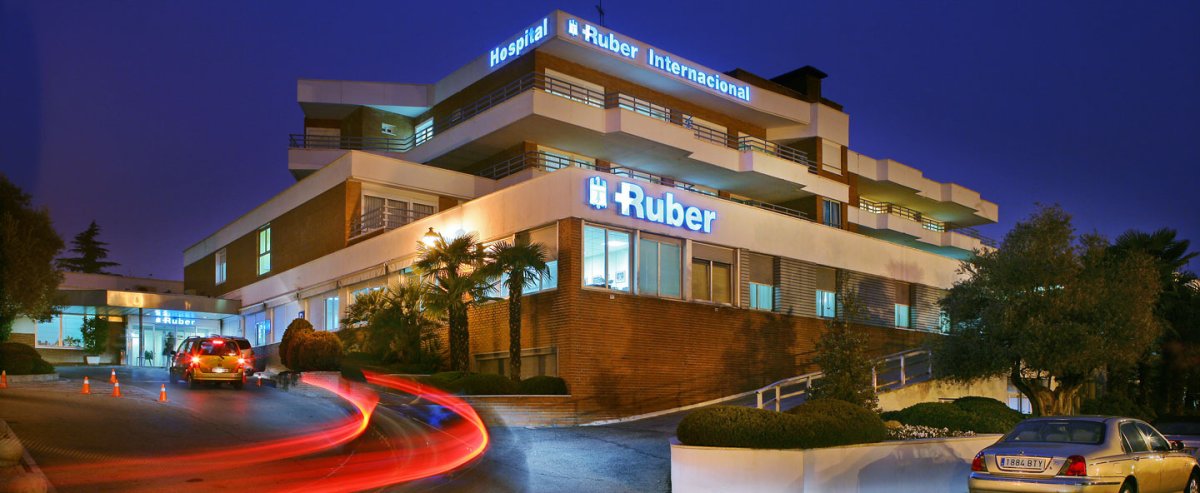
Perspectiva del experto de Bookimed: Centros españoles como el Hospital Ruber Internacional y GenesisCare ofrecen múltiples tecnologías avanzadas, incluyendo CyberKnife y tomoterapia. Los datos muestran que tener acceso a estos enfoques no quirúrgicos específicos permite a los oncólogos elegir la herramienta que mejor p
¿Cuándo se utiliza la radioterapia para tratar el cáncer de riñón?
La radioterapia trata el cáncer de riñón principalmente cuando la cirugía no es factible debido a la salud del paciente o a la resistencia tumoral localizada. Se aplica frecuentemente como cuidado paliativo para metástasis óseas o para controlar la diseminación oligometastásica en el cerebro, las vértebras o las costillas utilizando técnicas de precisión como la radioterapia estereotáctica.
- Justificación del tratamiento: Se utiliza en pacientes demasiado frágiles para una cirugía o con tumores localizados irresecables.
- Aplicaciones paliativas: Alivia eficazmente el dolor intenso y reduce el sangrado causado por lesiones óseas secundarias.
- Técnicas avanzadas: Las clínicas utilizan Gamma Knife, CyberKnife y tomoterapia para un control focal preciso y de alta dosis.
- Terapia sinérgica: Se combina con fármacos de inmunoterapia como pembrolizumab para aumentar las tasas de respuesta global al tratamiento.
Perspectiva de expertos de Bookimed: Los centros oncológicos españoles como el Hospital Ruber Internacional integran Gamma Knife ICON y CyberKnife específicamente para casos metastásicos complejos. Los datos muestran que estas tecnologías avanzadas permiten a las clínicas tratar lesiones cerca de áreas sensibles, como la columna vertebral, que antes se consideraban intratables. Los pacientes a menudo ahorran hasta un _price_percent_discount_
¿Qué tipos de radioterapia se utilizan para el cáncer de riñón en las clínicas españolas?
Las clínicas españolas ofrecen radioterapia avanzada para el cáncer de riñón, utilizando principalmente la radioterapia estereotáctica corporal (SBRT), la tomoterapia y el CyberKnife. Estas modalidades precisas se dirigen a tumores localizados o lesiones metastásicas en el cerebro y los huesos, protegiendo al mismo tiempo el tejido renal sano en instalaciones acreditadas por la JCI.
- Radioterapia estereotáctica corporal (SBRT): Administra radiación de alta dosis a tumores renales localizados con una precisión milimétrica.
- Tecnología CyberKnife: Sistema robótico en el Hospital Ruber Internacional que rastrea el movimiento del tumor durante el tratamiento.
- Sistemas de tomoterapia: Combina la tomografía computarizada con la radiación para obtener imágenes continuas y una administración precisa.
- Rango de tratamiento: Gestiona principalmente casos avanzados, alivia el dolor o trata a pacientes no aptos para cirugía.
Perspectiva de expertos de Bookimed: Los centros oncológicos españoles como GenesisCare y Centro Médico Teknon suelen priorizar las tecnologías especializadas sobre los equipos generales. Mientras que la mayoría de los hospitales utilizan aceleradores lineales estándar, estas clínicas mantienen específicamente sistemas CyberKnife y de tomoterapia. Esta especialización les permite manejar casos metastásicos complejos que requieren
¿Se puede combinar la radioterapia con otros tratamientos contra el cáncer en España?
La radioterapia se combina habitualmente con cirugía, quimioterapia e inmunoterapia en España para tratar neoplasias complejas como el cáncer de riñón. Los centros oncológicos españoles utilizan protocolos multimodales para mejorar el control del tumor, a menudo secuenciando la radiación antes de la cirugía para reducir los tumores o después para eliminar las células cancerosas residuales.
- Enfoques multimodales: La radiación se combina con fármacos dirigidos, cirugía o quimioterapia para lograr la máxima eficacia.
- Tecnologías avanzadas: Las clínicas utilizan CyberKnife, Tomoterapia y Gamma Knife ICON para una orientación precisa del tumor.
- Secuenciación del tratamiento: Los procedimientos se realizan antes, durante o después de otras terapias para optimizar los resultados.
- Ensayos clínicos: Centros como Quironsalud Madrid ofrecen acceso a estudios de tratamientos combinados emergentes.
Perspectiva del experto de Bookimed: Los centros españoles como el Hospital Ruber Internacional y el Centro Médico Teknon ofrecen una ventaja distintiva al integrar la atención acreditada por la JCI con tecnologías de alta gama como el Da Vinci Xi y el CyberKnife. Esta sinergia permite a los cirujanos y oncólogos radioterápicos coordinar extirpaciones de precisión y sesiones dirigidas dentro de la misma instalación, lo que a menudo agiliza el cronograma g
¿Qué tecnologías avanzadas de radiación están disponibles en España?
España ofrece tecnologías de radiación de alta precisión, incluyendo terapia de protones, CyberKnife y sistemas LINAC guiados por resonancia magnética (MRI). Los principales centros acreditados por la JCI en Madrid y Barcelona utilizan equipos de Varian y Elekta para realizar radioterapia corporal estereotáctica (SBRT), tomoterapia y radioterapia de arco modulado volumétrico (VMAT), garantizando un enfoque preciso y efectos secundarios mínimos.
- Terapia de protones: Centros como Quironsalud proporcionan un enfoque tumoral avanzado con una reducción significativa de los efectos secundarios.
- Radiación guiada por MRI: La visualización del tumor en tiempo real permite realizar ajustes durante el tratamiento para lograr la máxima precisión.
- Tecnología CyberKnife: El Hospital Ruber Internacional utiliza este sistema robótico para radiación focal no invasiva de alta dosis.
- VMAT y SBRT: Estas técnicas administran dosis concentradas, reduciendo a menudo el tratamiento a 5 sesiones.
Perspectiva del experto de Bookimed: El mercado oncológico de España ofrece una brecha de eficiencia única. Mientras que los centros públicos se enfrentan al envejecimiento de los equipos, las clínicas privadas como GenesisCare o Teknon invierten fuertemente en plataformas especializadas como la tomoterapia. Elegir estos centros privados a menudo reduce el protocolo es
¿Dónde puedo recibir radioterapia para el cáncer de riñón en España?
Los pacientes pueden recibir radioterapia avanzada para el cáncer de riñón en España en centros acreditados por la JCI en Madrid y Barcelona. Instalaciones de primer nivel como el Centro Médico Teknon y el Hospital Ruber Internacional utilizan tecnologías de alta precisión, incluyendo CyberKnife y SBRT, para atacar tumores renales con un impacto mínimo en el tejido sano circundante.
- Opciones tecnológicas: Acceso a CyberKnife, tomoterapia y braquiterapia para una focalización precisa del tumor.
- Centros líderes: Atención especializada disponible en el Centro Médico Teknon y el Hospital Ruber Internacional.
- Estándares de acreditación: La calidad está verificada mediante certificaciones de la Joint Commission International e ISO.
- Especialidad pediátrica: El SJD Barcelona Children’s Hospital ofrece servicios dedicados de radiooncología pediátrica.
Opinión del experto de Bookimed: Los centros de Barcelona como el Centro Médico Teknon a menudo cuentan con expertos de larga trayectoria con más de 30 años de experiencia. Aunque GenesisCare en Madrid ofrece una red global masiva, Teknon sigue siendo una opción principal para pacientes internacionales. Su alto volumen de 10,000 pacientes anuales indica procesos clínicos estables para casos oncológicos complejos.
Consenso de los pacientes: Los pacientes enfatizan la importan
¿Necesito ser residente para recibir radioterapia para el cáncer de riñón en España?
No necesita ser residente para recibir radioterapia para el cáncer de riñón en España. Las clínicas privadas en Madrid y Barcelona tratan activamente a pacientes internacionales. Los no residentes acceden a tecnologías avanzadas como CyberKnife y tomoterapia mediante pago privado o seguro médico internacional, cumpliendo con los estándares de seguridad acreditados por la JCI.
- Acceso al tratamiento: Los pacientes internacionales reciben atención en centros privados independientemente de su estatus de residencia.
- Protocolo de pago: Los no residentes generalmente pagan de forma privada, ya que la atención médica pública está reservada para los residentes.
- Tecnología avanzada: Clínicas como el Hospital Ruber Internacional utilizan Gamma Knife ICON y CyberKnife.
- Ensayos clínicos: Centros como Quironsalud Madrid ofrecen la participación en ensayos clínicos oncológicos.
Perspectiva del experto de Bookimed: Los principales centros oncológicos de España ofrecen una combinación poco común de alto volumen de pacientes y enfoque especializado. El Hospital Ruber Internacional trata a 25.000 pacientes al año y está clasificado por Forbes. Esta escala permite a las clínicas mantener certificaciones de élite como JCI e ISO 9001 mientras ofrecen radioterapia desde $12,500, significativamente menos que el promedio estadounidense de _price_com