El costo de la resección de vesícula biliar (colecistectomía) en España suele oscilar entre $3,000 y $5,000. Los precios dependen del hospital, la experiencia del cirujano, el método quirúrgico (laparoscópico u abierto) y cualquier atención adicional en casos complejos. En Estados Unidos, el costo promedio es de $18,500 (según ASPS). Esto significa que la extracción de vesícula biliar en España es aproximadamente un 78% menos costosa que en EE. UU.
Los hospitales españoles suelen incluir pruebas preoperatorias, honorarios del cirujano y anestesista, gastos de quirófano, 1–2 noches de hospitalización, medicamentos y seguimiento postoperatorio. En EE. UU., el precio base suele cubrir solo al cirujano, con facturas separadas para anestesia, estancia hospitalaria y cuidados posteriores. Siempre confirmar exactamente qué está incluido con la clínica elegida.
¿Por qué elegir España para la resección de la vesícula biliar?
Accede a soluciones avanzadas para la resección de la vesícula biliar en clínicas de confianza .
| España | Turquía | México | |
| Resección de vesícula biliar | de $3,000 | de $2,900 | de $3,200 |
Día 1
Dia 2
Día 3
Día 4
Día 5-7
Semana 2
Semana 3-4
Semana 6
Semana 8
Tenga en cuenta que el proceso de recuperación de cada paciente puede variar según su estado de salud.
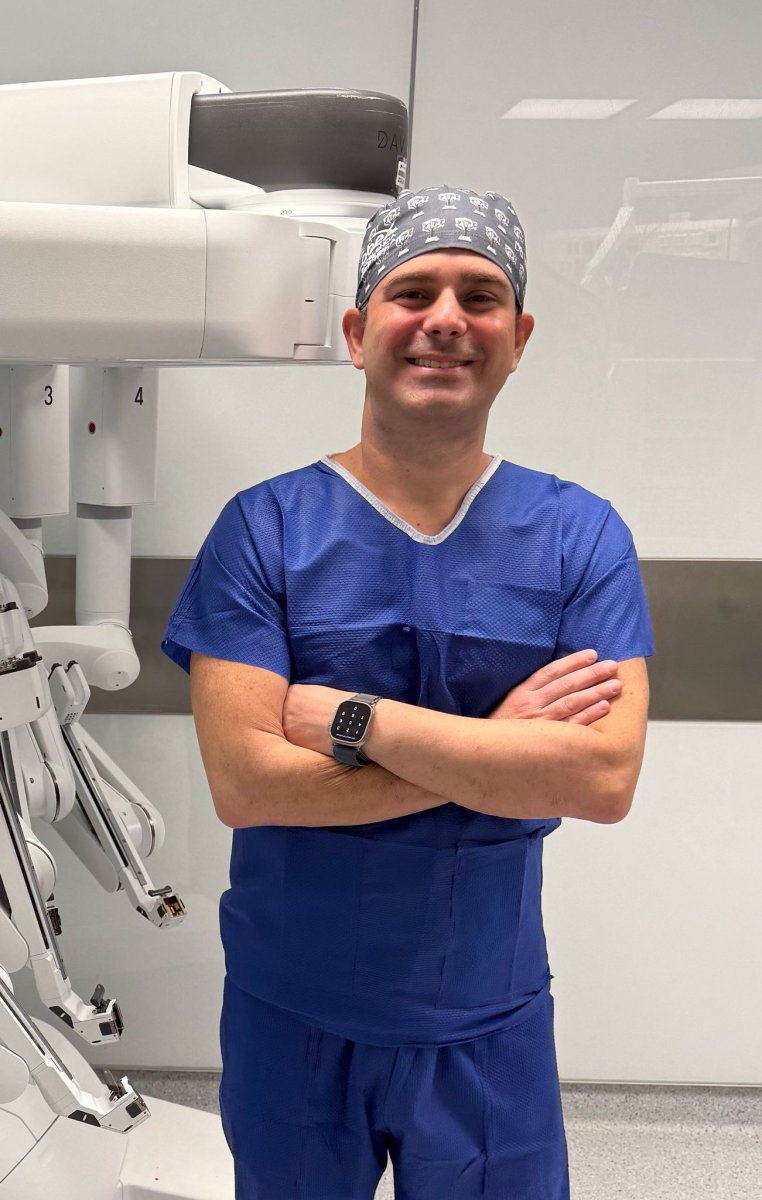
El Dr. Jaume Capdevila se especializa en cánceres digestivos y pancreáticos, aportando experiencia avanzada en los procedimientos de resección de vesícula biliar.
Cirujano general y del aparato digestivo. Enfoque en cirugía colorrectal, proctológica y de pared abdominal mínimamente invasiva. Jefe adjunto, Hospital Universitario Infanta Elena (2021–). Cirujano asociado, Fundación Jiménez Díaz (2013–).
Acreditaciones: Doctor en Cirugía, sobresaliente cum laude (UAM). Certificado en cirugía robótica (Da Vinci X/Xi/5). Formación avanzada en cirugía general laparoscópica (IRCAD, Estrasburgo). Especialista en Cirugía General y del Aparato Digestivo (Fundación Jiménez Díaz).
Logros: Investigador (2013–). Autor de una patente para un sistema de implantación protésica de la pared abdominal (2021). Coautor del modelo de utilidad Obturador Rectal (2021). Revisor por pares, International Journal of Surgery Case Reports (2024–). Tutor de tesis (2023–). Publicaciones en Cirugía Española, Experimental Biology and Medicine, Histology and Histopathology y The American Journal of Surgery. Miembro de AEC, AECP e ICOMEM.
El Dr. Centeno se formó en la prestigiosa Clínica Mayo en cirugía colorrectal y ha sido un especialista destacado en el Centro Médico Teknon desde 1993.
El Dr. Sans Cuffí se especializa en trastornos del sistema digestivo, con una formación exhaustiva en instituciones de primer nivel como el Hospital Clínic de Barcelona y la Case Western Reserve University.
Gallbladder resection in Spain is primarily performed laparoscopically, which is the standard surgical approach. This minimally invasive technique uses four small abdominal incisions. Traditional open surgery remains an option only for rare, complex cases involving severe inflammation, extensive scar tissue, or safety concerns.
Bookimed Expert Insight: Spain ranks 4th globally for patient requests on our platform, largely due to high-volume surgical expertise. Surgeons like Dr. Jorge Sancho Muriel in Valencia bring over 25 years of experience to biliary procedures. While prices starting at $3,000 are common, the real value in Spain is the access to board-certified specialists who perform thousands of laparoscopic surgeries annually, significantly reducing the risk of converting to open surgery.
Patient Consensus: Patients report that the 4-cut laparoscopic procedure is the standard reality. They highlight fast recovery times and positive outcomes as the emotional norm across Spanish facilities.
Most patients undergo gallbladder removal in Spain with minimal complications. Key risks include bile duct injury in 0.3% to 2.7% of laparoscopic cases, bile leakage, and a 2% infection rate. Advanced robotic techniques at JCI-accredited facilities further minimize surgical trauma and conversion to open surgery.
Bookimed Expert Insight: While standard gallbladder removal is common, Spain offers a rare gallbladder-preserving stone fragmentation technique. This allows patients to keep the organ but requires a 12-day stay for monitoring. Choosing a specialist like Dr. Cesar Canales Bedoya, who is robotic-surgery certified, ensures the highest precision for these minimally invasive approaches in Madrid.
Patient Consensus: Many patients experience immediate relief from pain but emphasize transitioning quickly to a low-fat diet. Transitioning too fast to solid foods often leads to nausea and the development of unexpected food intolerances weeks later.
Patients in Spain typically return to non-strenuous daily activities within 5 to 7 days after laparoscopic gallbladder surgery. Most individuals resume desk work in 1 to 2 weeks, while a full recovery and a transition to an unrestricted diet usually require 3 to 5 weeks.
Bookimed Expert Insight: While basic packages start at $3,000, clinics like Hospital Ruber Internacional or Centro Médico Teknon provide access to high-volume experts. Dr. Cesar Canales Bedoya brings 30 years of surgical experience. Choosing such specialized centers often ensures access to advanced technologies like Da Vinci robotic systems which may further refine recovery precision.
Patient Consensus: Expect very low energy during the first 48 hours with a strict fluid-only diet. Most people feel nearly back to their normal selves by the end of the second week.
Gallbladder resection is necessary for symptomatic biliary diseases like gallstones (cholelithiasis), inflammation (cholecystitis), or bile duct obstructions causing jaundice. Spanish surgeons favor minimally invasive laparoscopic cholecystectomy for patients exhibiting recurrent pain, biliary colic, or a low gallbladder ejection fraction confirmed via ultrasound or HIDA scans.
Bookimed Expert Insight: While most patients follow a standard laparoscopic path, facilities like Hospital Ruber Internacional and Centro PAD utilize Da Vinci robotic systems for complex cases. These advanced platforms allow surgeons greater precision in patients with significant scar tissue from prior surgeries. This technological edge often leads to faster discharges compared to traditional open surgeries in complex scenarios.
Patient Consensus: Patients report feeling significantly better immediately after surgery, frequently returning to normal eating habits within 2–3 days. Most emphasize that delaying the procedure when functional tests show low ejection fractions only leads to prolonged discomfort and sleepless nights.
Foreign patients can easily access gallbladder surgery in Spain through top-tier private hospitals, primarily in Madrid and Barcelona. These JCI-accredited facilities provide advanced laparoscopic or robotic Da Vinci techniques. Patients benefit from 1–2 nights of hospitalization with comprehensive multilingual coordination and dedicated international service teams.
Bookimed Expert Insight: While many countries offer 1-night stays, Spanish private clinics like those in the HM Hospitals network often include 2 nights in private rooms. This longer observation period, combined with rapid-recovery protocols, ensures patients are fully stabilized before transitioning to hotel-based recovery or travel.
Patient Consensus: Patients value the hotel-connected room options and air-conditioned private facilities. Many recommend hiring a local translator to navigate cultural nuances, even in clinics with English-speaking staff.
Spain public health system patients typically wait 4.5 months for elective gallbladder surgery. Delays vary significantly by region and patient health status. Those with acute conditions receive prioritization, while older patients or those with liver complications may face longer wait times exceeding 7 months.
Bookimed Expert Insight: While the public wait extends for months, private options in Spain offer high-tech alternatives like the Da Vinci robot at clinics like Centro PAD. Surprisingly, private prices for gallbladder resection in Spain range from $3,000 to $5,000, which is nearly 78% less than the $18,500 average in the US.
Patient Consensus: Patients suggest seeking emergency care if symptoms are severe, as this can reduce wait times to days. Many choose private treatment to avoid months of discomfort, even if it requires paying out-of-pocket.
Patients following gallbladder removal in Spain should adopt a low-fat diet for the first 3 weeks to manage continuous bile flow. Spanish specialists recommend 5 to 6 small meals daily, focusing on steamed or boiled lean proteins and a gradual reintroduction of fiber to prevent digestive discomfort.
Bookimed Expert Insight: Spanish surgical centers like Centro PAD and Hospital Ruber Internacional utilize rapid-recovery protocols that often allow for same-day discharge. Data shows that while local favorites like tortilla española can be reintroduced within 4 days, clinics with high patient volumes emphasize a strict low-fat window of 21 days to ensure the digestive system fully adapts.
Patient Consensus: Many patients find success by prioritizing grilled chicken and broth during the first week. They suggest avoiding avocado and heavy cheeses initially, as these frequently trigger stomach urgency or diarrhea in the early recovery phase.