Cirugías estereotáxicas en España — reciba 3 opciones de clínicas personalizadas


Revisado médicamente por
Fahad Mawlood
Cómo funciona
¿Cuál es el precio de Cirugías estereotáxicas en España? Descubra ahora
De $13,700. El precio puede variar según el hospital, la experiencia del neurocirujano, la complejidad de la condición neurológica y si se requieren sistemas avanzados de imagen o navegación. UU.
Los hospitales españoles suelen incluir en el precio total la imagen preoperatoria (resonancia magnética o tomografía computarizada), anestesia general, el procedimiento quirúrgico, monitorización intraoperatoria, estancia hospitalaria, medicamentos y visitas de seguimiento. En EE. UU., muchos de estos servicios—como la imagen, la anestesia y el cuidado postoperatorio—suelen facturarse por separado. Siempre confirmar con la clínica elegida qué está incluido en el precio cotizado.
Beneficios clave
¿Por qué eligen los pacientes España para cirugías estereotáxicas?
- Clínicas acreditadas: Hospitales certificados por JCI garantizan altos estándares de atención y seguridad para los pacientes.
- Últimas tecnologías: El Leksell Gamma Knife Icon y el sistema robótico ROSA son dispositivos de vanguardia utilizados para la precisión en procedimientos estereotáxicos. Estas herramientas mejoran los resultados del tratamiento.
- Altas tasas de éxito: Las cirugías estereotáxicas en España tienen una tasa de eficacia del 85-95% para condiciones como la enfermedad de Parkinson y el temblor esencial.
- Cirujanos expertos: Los principales neurocirujanos, certificados por la Asociación Europea de Sociedades de Neurocirugía (EANS), han realizado más de 500 cirugías estereotáxicas. Su pericia y experiencia están bien establecidas.
Acceda a soluciones avanzadas de cirugías estereotáxicas en clínicas de confianza de $13,700.
| España | Turquía | México | |
|---|---|---|---|
| Cirugías estereotáxicas | de $13,700 | de $6,100 | ≈ $8,000 |
Descubra las mejores clínicas de Cirugías estereotáxicas en España: 4 opciones verificadas y Precios












Descripción general de Cirugías estereotáxicas en España
- Extirpación de tumores cerebrales - de $21,500La cirugía extrae crecimientos dañinos en el cerebro, mejorando la salud del paciente y reduciendo síntomas como dolores de cabeza o convulsiones.
- Resección transnasal de tumor - de $24,600Esta operación elimina los tumores por vía nasal, reduciendo el tiempo de recuperación y minimizando las cicatrices quirúrgicas.
- Cirugías estereotáxicas - de $13,700El procedimiento utiliza coordenadas precisas para operar en áreas pequeñas del cerebro, mejorando la precisión y reduciendo las complicaciones.
- Eliminación de meningioma - de $27,800La operación tiene como objetivo eliminar quirúrgicamente un tumor cerebral benigno, mejorar la función neurológica y reducir los síntomas.
- Resección de glioma - de $50,400La operación elimina tumores cerebrales, mejora la supervivencia del paciente y reduce los síntomas, con precisión y daño mínimo.
- Resección de glioblastoma - de $50,400El procedimiento elimina los tumores cerebrales, mejorando los síntomas y la supervivencia. Implica cirugía, requiere experiencia y puede ser complejo.
- Escisión de tumor de base de cráneo - de $39,200El procedimiento elimina los crecimientos cerca de la parte inferior del cráneo mediante técnicas quirúrgicas, lo que mejora la salud y la esperanza de vida del paciente.
Día 1
- Llegada al país.
- Traslado del aeropuerto al hotel.
Dia 2
- Consulta con un neurocirujano.
- Sometido a resonancia magnética de la cabeza.
Día 3
- Preparación preoperatoria.
- Consulta con un anestesiólogo.
Día 4
- Cirugía estereotáxica, con una duración de 2-6 horas.
- Observación postoperatoria en la clínica.
Dia 5
- Recuperación postoperatoria en la clínica.
- Traslado al hotel para su posterior recuperación.
Semana 1-2
- Recuperación en el hotel con revisiones periódicas.
- Regreso paulatino a las actividades diarias ligeras.
Semana 3-4
- Recuperación continua con actividad creciente.
- Regreso al trabajo si lo aprueba el médico.
Semana 5-6
- Regreso gradual a los deportes y otras actividades extenuantes.
- Los resultados finales se hacen evidentes.
Tenga en cuenta que esta es una guía general y las experiencias individuales pueden variar.
Lo que les gusta a los pacientes:
- Precio. El coste de las cirugías estereotáxicas en España oscila entre los 7.000 y los 12.000 dólares. Esto es más asequible en comparación con los EE. UU., donde el costo puede alcanzar hasta $ 20,000.
- Profesionalidad del médico. Los cirujanos en España tienen certificaciones respetadas. Son miembros de asociaciones internacionales de neurocirugía. Han realizado cientos de cirugías exitosas.
- Nivel de servicio. Los pacientes aprecian la atención de alta calidad. El personal es atento y empático. Siempre priorizan la comodidad del paciente.
- Eficacia de las cirugías estereotáxicas. Las clínicas españolas utilizan técnicas modernas. Estos aseguran altas tasas de éxito para las cirugías estereotáxicas.
- Logística. Los hospitales son de fácil acceso. Ofrecen ayuda con los arreglos de viaje. Esto hace que el proceso sea sencillo.
Lo que no les gusta a los pacientes:
- Tiempo de espera. Algunos pacientes experimentaron largos tiempos de espera. Esto puede ser estresante e inconveniente.
- Barrera del idioma. Es posible que algunos miembros del personal no hablen inglés con fluidez. Esto puede causar problemas de comunicación.
- Precios inconsistentes. Puede haber costos adicionales no incluidos en la cotización inicial. Esto puede causar tensión financiera.
- Depósito de Bookimed: 200 $ o 200 €.
- Depósito de la clínica: Pague un porcentaje fijo por adelantado.
Obtenga una evaluación médica para Cirugías estereotáxicas en España: Elija su especialista entre los mejores en el campo
Ver todos los médicos
Rafael Arroyo González
Jefe de Neurología en Quironsalud Madrid desde 2006, el Dr. Arroyo se especializa en cirugías estereotácticas con una amplia trayectoria en investigación y liderazgo de ensayos clínicos.
- Investigador principal en más de 100 ensayos clínicos de neurociencia
- Ha publicado 139 artículos internacionales en revistas de alto impacto como NEJM y Lancet
- Profesor de Medicina en la Universidad Europea de Madrid
- Enfoque en técnicas neuroquirúrgicas innovadoras y resultados para el paciente

Jesus Romero Imbroda
El Dr. Romero Imbroda, miembro del European Board of Neurology, dirige la Unidad de Neurología de Quirónsalud Marbella con tecnología de diagnóstico avanzada.
- Neurólogo certificado con más de 22 años de experiencia en afecciones neurológicas complejas
- Especializado en tratamientos para la esclerosis múltiple, epilepsia y trastornos del movimiento
- Presidente de la Sociedad Andaluza de Neurología desde 2020
- Autor de numerosas publicaciones científicas nacionales e internacionales
- Profesor en la Universidad de Granada con enfoque en investigación neurológica

Microscopic Spine Surgery
El Dr. Covaro se especializa en procedimientos avanzados de columna vertebral con una participación activa en investigaciones internacionales y sociedades profesionales.
- Miembro de la Sociedad Española de Ortopedia y Eurospine
- Colaborador habitual en publicaciones científicas
- Ejerce en el Institut Universitari Dexeus y el Hospital Universitari de Bellvitge
Historias en video de pacientes de Bookimed
Reseñas
Todas las reseñas


Compartir contenido
 Olena Sikoza
Preguntas frecuentes sobre Cirugías estereotáxicas en España
¿Qué es la cirugía estereotáctica y qué trata?
La cirugía estereotáctica es una técnica mínimamente invasiva que utiliza un sistema de coordenadas 3D para atacar lesiones profundas en el cerebro o el cuerpo. Trata tumores malignos, epilepsia y la enfermedad de Parkinson mediante radioterapia guiada con precisión o ablación. Los centros españoles utilizan resonancia magnética 3-Tesla avanzada y CyberKnife para lograr una precisión submilimétrica.
- Condiciones tratadas: Glioblastoma, temblores esenciales, malformaciones arteriovenosas cerebrales y neuralgia del trigémino.
- Tecnologías clave: Las clínicas utilizan Gamma Knife ICON y SBRT para la destrucción no invasiva de tumores.
- Neurocirugía funcional: Aborda la epilepsia grave mediante EEG estereotáctico para localizar focos convulsivos específicos.
- Precisión quirúrgica: Emplea imágenes 3D para llegar a las lesiones sin necesidad de grandes incisiones abiertas tradicionales.
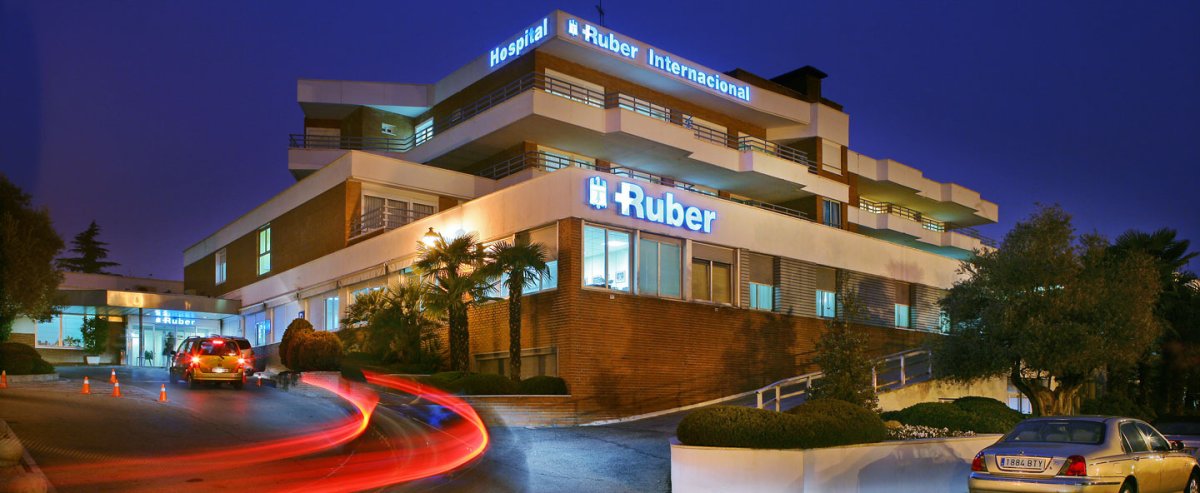
Opinión experta de Bookimed: España ofrece una ventaja de accesibilidad única para la neurooncología compleja. El Hospital Ruber Internacional cuenta con 800 médicos y tecnología avanzada de resonancia magnética 3-Tesla. Esta alta proporción de médicos por paciente garantiza una atención especializada. Muchas clínicas españolas, como el Centro Médico Teknon, utilizan estas técnicas para tratar a atletas de élite. Esto refleja la alta fiabilidad y los estándares de
¿Qué hospitales en España son centros líderes en procedimientos estereotácticos como la radiocirugía Gamma Knife?
¿Qué es el Gamma Knife y en qué se diferencia de la cirugía tradicional?
El Gamma Knife es una radiocirugía estereotáctica no invasiva que utiliza 192 haces de radiación gamma enfocados para tratar lesiones cerebrales sin incisiones. A diferencia de la cirugía abierta tradicional, ataca los tejidos con una precisión de 0,15 mm, preservando el tejido cerebral sano y permitiendo a los pacientes regresar a casa el mismo día.
- Enfoque quirúrgico: La radiocirugía no invasiva elimina los bisturís, las aperturas de cráneo (craneotomía) y el riesgo de infecciones quirúrgicas.
- Tiempo de recuperación: Los pacientes se recuperan en días en lugar de las semanas o meses necesarios tras una operación.
- Precisión del objetivo: Los haces enfocados entregan radiación de alta dosis con una precisión comparable al grosor de un cabello humano.
- Aplicación clínica: Es ideal para lesiones pequeñas a medianas, trastornos funcionales o pacientes con alto riesgo quirúrgico.
Perspectiva del experto de Bookimed: España ocupa el segundo lugar a nivel mundial en estos procedimientos, con clínicas como el Hospital Ruber Internacional que utilizan la avanzada tecnología Gamma Knife ICON. Los datos muestran que los pacientes ahorran alrededor de _price_percent_discount_% en comparación con los costos en EE. UU., accediendo a centros que atienden más de 10,000 casos al año manteniendo los estándares de seguridad de la Joint Commission Internat
¿Qué tan precisos son los procedimientos estereotácticos / Gamma Knife?
Los procedimientos estereotácticos y Gamma Knife en España logran una precisión extrema submilimétrica, a menudo alcanzando niveles de precisión de menos de 0,15 mm. Estos sistemas suministran radiación de alta dosis a través de 192 haces dirigidos, asegurando una caída de dosis nítida que protege el tejido cerebral sano y las estructuras vitales.
- Precisión de puntería: Los sistemas Gamma Knife mantienen un promedio de precisión radiológica entre 0,15 mm y 0,50 mm.
- Precisión clínica: La precisión clínica de extremo a extremo, incluida la imagen del paciente, suele situarse entre 0,48 mm y 0,50 mm.
- Velocidad de tratamiento: Los sistemas como Varian Edge utilizan una fijación basada en máscara para completar las sesiones en 21 minutos.
- Variaciones de dispositivos: CyberKnife proporciona una precisión de entre 0,5 mm y 2,1 mm para lesiones cerebrales y corporales.
Perspectiva del experto de Bookimed: Si bien Gamma Knife sigue siendo el estándar de oro para las lesiones cerebrales debido a su precisión submilimétrica, muchas clínicas españolas ahora prefieren Varian Edge. Este sistema utiliza una fijación basada en máscara en lugar de marcos quirúrgicos. Nuestros datos muestran que esto reduce la incomodidad del paciente mientras mantiene la alta precisión de puntería necesaria para resultados exitosos.
Consenso de los pacien
¿Cuál es el cronograma de recuperación típico después de la radiocirugía estereotáctica o la cirugía estereotáctica mínimamente invasiva en España?
La recuperación después de la radiocirugía estereotáctica o la cirugía estereotáctica mínimamente invasiva en España es excepcionalmente rápida. La mayoría de los pacientes regresan a sus actividades normales dentro de 1 a 2 días, y algunos regresan al trabajo dentro de 1 a 2 semanas. Este enfoque no invasivo evita la larga recuperación de 3 a 6 meses requerida por la craneotomía tradicional.
- Alta inmediata: La mayoría de los pacientes abandonan el hospital dentro de las 2 horas posteriores a la finalización del procedimiento.
- Reposo inicial: Los médicos recomiendan actividad ligera y de 24 a 72 horas de monitorización en reposo.
- Tiempo de inactividad: El tiempo de inactividad físico es mínimo, a menudo involucrando solo fatiga leve o sensibilidad en el sitio de la punción.
- Respuesta a largo plazo: Los efectos terapéuticos completos para afecciones como la neuralgia del trigémino pueden tardar de 6 a 12 meses.
Perspectiva del experto de Bookimed: Aunque la recuperación es rápida, clínicas como el Hospital Ruber Internacional utilizan la tecnología Gamma Knife ICON para reducir aún más la incomodidad del paciente. España es un líder mundial en neurocirugía, y nuestros datos muestran que centros como el Centro Médico Teknon gestionan más de 23.500 operaciones al año. Este gran volumen garantiza que los equipos médicos sean expertos en min