Prótesis testicular en España — obtén 3 clínicas con costos


Revisado médicamente por
Fahad Mawlood
¿Cuál es el precio de Prótesis testicular en España? Descubra ahora
De $5,000. Los precios varían según la clínica, la experiencia del cirujano y el tipo de prótesis utilizada (silicona o solución salina). UU.
Las clínicas españolas suelen incluir la consulta inicial, análisis de sangre preoperatorios, medicación postoperatoria, visitas de seguimiento, personal que habla inglés, planes de tratamiento personalizados, instrucciones de cuidados postoperatorios, comidas durante las visitas a la clínica y atención al paciente 24/7. En EE. UU., el precio indicado suele cubrir solo los honorarios del cirujano, con cargos separados por anestesia, prótesis y cuidados posteriores. Siempre confirmar qué está incluido con la clínica elegida.
Beneficios clave
¿Por qué eligen los pacientes España para la prótesis testicular?
- Clínicas acreditadas: España alberga hospitales certificados por JCI, que ofrecen garantía de altos estándares de calidad y seguridad para los pacientes.
- Últimas tecnologías: Los pacientes en España se benefician de técnicas innovadoras, incluyendo el uso de implantes rellenos de gel de silicona y prótesis testiculares rellenas de solución salina. Estos son proporcionados por marcas líderes como Mentor y Coloplast.
- Altas tasas de éxito: Los procedimientos para la prótesis testicular en España tienen una impresionante tasa de eficacia del 95%. Esto garantiza la satisfacción del paciente y una mejor calidad de vida.
- Cirujanos expertos: España cuenta con renombrados urólogos que poseen certificaciones de la Junta Europea de Urología. Han realizado más de 500 cirugías de prótesis testicular, demostrando su amplia experiencia y pericia.
Accede a soluciones avanzadas de prótesis testicular en clínicas de confianza de $5,000.
| España | Turquía | México | |
|---|---|---|---|
| Prótesis testicular | de $5,000 | de $4,900 | de $5,800 |
Sus beneficios y garantías con Bookimed
Precios directos
Bookimed no añade cargos adicionales a los precios de Prótesis testicular. Las tarifas proceden de las listas de precios oficiales de las clínicas. Pagará directamente en la clínica por su Prótesis testicular a su llegada al país.
Sólo clínicas y médicos verificados
Bookimed está comprometido con su seguridad. Solo trabajamos con las clínicas que mantienen altos estándares internacionales en Prótesis testicular y tienen las licencias necesarias para atender a pacientes internacionales en todo el mundo.
Asistencia 24/7 gratuita
Bookimed ofrece asistencia experta gratuita. Un coordinador médico personal le apoya antes, durante y después del tratamiento, resolviendo cualquier problema. Nunca estará solo en su viaje médico de Prótesis testicular.

Su coordinador médico personal de Bookimed
- Le apoya en cada etapa
- Ayuda a elegir la clínica y el médico adecuados
- Asegura un acceso rápido y conveniente a la información
Descubra las mejores clínicas de Prótesis testicular en España: 2 opciones verificadas y Precios






Descripción general de Prótesis testicular en España
- Orquiectomia - de $10,100La cirugía consiste en la extirpación de uno o ambos testículos, que tradicionalmente se usa para tratar el cáncer testicular o problemas de próstata.
- Extirpación de tumor de testículo - de $22,400Este procedimiento extirpa una masa testicular, mejorando la salud y previniendo potencialmente la propagación del cáncer.
- Prótesis testicular - de $5,000Esta cirugía agrega una prótesis testicular reemplazando una faltante, lo que ofrece una apariencia natural y aumenta la autoestima.
Día 1: Llegada
- Llegada al país y check-in en la clínica.
- Reunión con el equipo médico y consulta con un urólogo.
- Someterse a las pruebas médicas necesarias, como análisis de sangre.
Día 2: Preoperatorio
- Examen físico preoperatorio por el cirujano.
- Consulta con un anestesiólogo para la planificación de la anestesia.
- Firmar formularios de consentimiento y finalizar los detalles de la cirugía.
Día 3: Cirugía
- Someterse a anestesia general para el procedimiento.
- Realización de prótesis testicular que dura aproximadamente 1-2 horas.
- Seguimiento postoperatorio en sala de recuperación.
Día 4: Postoperatorio
- Comprobación de herida quirúrgica y posicionamiento de prótesis.
- Manejo del dolor postoperatorio con medicamentos prescritos.
- Preparación para el alta, incluidas las instrucciones de cuidado.
Semana 1: Rehabilitación
- Descanso en casa con mínima actividad física.
- Cuidado regular de heridas y mantenimiento de la higiene.
- Cita de seguimiento con el cirujano.
Semanas 2-4: Rehabilitación
- Aumento gradual de la actividad física.
- Regrese al trabajo si el trabajo no implica levantar objetos pesados.
- Seguimiento continuo con el urólogo.
Semanas 4-6: Rehabilitación
- Regreso a las actividades regulares y deportivas.
- Se puede ver el resultado final de la prótesis testicular.
Tenga en cuenta que el cronograma de recuperación de cada paciente puede variar según las condiciones de salud individuales y la complejidad de la cirugía.
- Depósito de Bookimed: 200 $ o 200 €.
- Depósito de la clínica: Pague un porcentaje fijo por adelantado.
Obtenga una evaluación médica para Prótesis testicular en España: Elija su especialista entre los mejores en el campo
Ver todos los médicos
Xavier Centeno Fornies
El Dr. Xavier Centeno Fornies aporta más de _doctor_8374_ años de experiencia quirúrgica, incluyendo formación especializada en la Mayo Clinic y la Cleveland Clinic Florida.
- Especialista en Cirugía General y Gastrointestinal en el Centro Médico Teknon
- Formado en cirugía colorrectal en la Mayo Clinic, Rochester
- Miembro de la Sociedad Americana de Cirujanos de Colon y Recto
- Acreditado por la ERAS-Society para la recuperación mejorada después de la cirugía
Historias en video de pacientes de Bookimed
Reseñas
Todas las reseñas


Compartir contenido
 Olena Sikoza
Preguntas frecuentes sobre Prótesis testicular en España
¿Qué es una prótesis testicular?
Una prótesis testicular es un implante médico sintético, generalmente fabricado de silicona, diseñado para restaurar una apariencia natural tras una orquiectomía. Estos dispositivos replican la sensación y el peso de un testículo natural. Los cirujanos los colocan en el escroto para tratar la ausencia congénita, lesiones o la extirpación por cáncer.
- Composición del material: Las cubiertas de silicona blanda contienen elastómero sólido o gel salino para mayor realismo.
- Propósito quirúrgico: La restauración es puramente cosmética y no produce esperma ni hormonas esenciales.
- Momento de la implantación: La colocación ocurre durante la cirugía inicial o tras la recuperación del tratamiento primario.
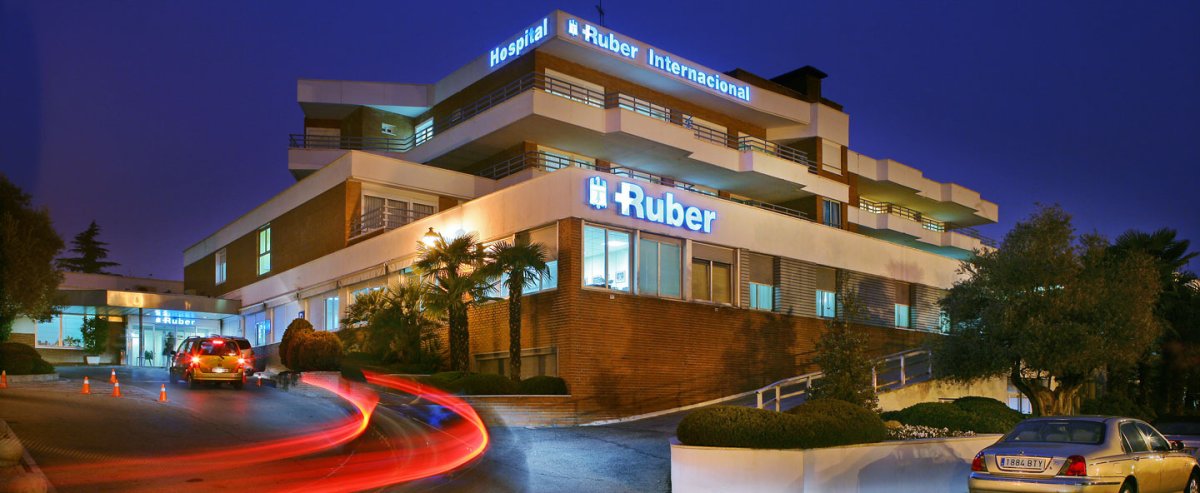
- Centros acreditados: Clínicas españolas como el Hospital Ruber Internacional mantienen la acreditación de la Joint Commission International (JCI).
Perspectiva de expertos de Bookimed: España se sitúa entre los 4 principales destinos mundiales para cirugías especializadas, con clínicas como el Centro Médico Teknon que atienden a 10.000 pacientes al año. Mientras que los pacientes estadounidenses acceden principalmente a modelos rellenos de solución salina, los cirujanos españoles ofrecen alternativas de silicona sólida, que a menudo proporcionan mayor durabilidad y una sensación consistente a lo largo del tiempo. Esto convierte a Barcelona y Madri
¿Cuáles son los principales riesgos asociados con la cirugía de prótesis testicular?
La cirugía de prótesis testicular en España es un procedimiento cosmético seguro, pero conlleva riesgos específicos como infección, migración del implante o molestias crónicas. Si bien la satisfacción del paciente sigue siendo alta, las posibles complicaciones incluyen hematomas, cicatrización de tejido fibroso y problemas mecánicos como fugas o ruptura del dispositivo protésico.
- Riesgo de infección: Los cuerpos extraños pueden provocar rechazo, interfiriendo potencialmente con tratamientos concomitantes como la quimioterapia.
- Desplazamiento del implante: La prótesis puede desplazarse de su posición original o quedar demasiado alta.
- Sensación física: Los pacientes a menudo informan una sensación permanente de cuerpo extraño o una firmeza táctil diferente.
- Formación de hematoma: La acumulación de sangre posoperatoria puede causar una hinchazón escrotal significativa y dolor localizado.
Opinión de expertos de Bookimed: Los datos de centros españoles de primer nivel como el Centro Médico Teknon o el Hospital Ruber Internacional sugieren una tendencia estratégica en la sincronización. Muchos cirujanos ahora recomiendan retrasar la colocación del implante hasta después de una orquiectomía para reducir significativamente las tasas de hematoma e infección. Si bien los pacientes a menudo solicitan una sola cirugía combinada, separar los procedi
¿Cuándo se puede colocar la prótesis testicular?
La colocación de la prótesis testicular es más efectiva cuando se realiza durante la cirugía de orquiectomía primaria por cáncer, trauma o torsión. Esta inserción inmediata mantiene la elasticidad de la piel escrotal y asegura resultados cosméticos óptimos. Los cirujanos también realizan la colocación diferida como un procedimiento ambulatorio secundario para pacientes a los que se les han extirpado los testículos previamente.
- Cáncer o trauma: La inserción generalmente ocurre durante la misma cirugía que la extirpación del testículo (orquiectomía).
- Colocación diferida: Los pacientes con extirpaciones previas pueden someterse a una implantación secundaria mediante cirugía ambulatoria.
- Momento pediátrico: Los cirujanos generalmente recomiendan procedimientos entre las edades de 1 y 3 años o durante la adolescencia.
- Periodo de recuperación: La mayoría de los pacientes regresan a la actividad física completa dentro de las 4 a 6 semanas.
Opinión de expertos de Bookimed: Si bien muchos optan por la cirugía diferida, los datos de los principales centros españoles como el Hospital Ruber Internacional revelan una preferencia por la colocación inmediata. La inserción simultánea evita que la piel escrotal se encoja con el tiempo. Este enfoque proactivo evita la necesidad de expansores de tejido o cirugías secundarias más complejas para lograr un a
¿Cuál es el beneficio psicológico de una prótesis testicular?
Una prótesis testicular restaura la integridad psicológica y la simetría corporal después de perder un testículo debido a cáncer, trauma o torsión. Mejora significativamente la autoestima al proporcionar una apariencia masculina natural en entornos íntimos y espacios compartidos como vestuarios, ayudando a los pacientes a superar la angustia emocional y las crisis de identidad.
- Restauración de la imagen corporal: Reemplaza el volumen faltante para lograr simetría cosmética para una apariencia más normal.
- Reducción de la ansiedad social: Elimina el miedo al juicio en duchas públicas, gimnasios o durante los viajes.
- Mayor confianza sexual: Elimina las barreras psicológicas para la intimidad y ayuda a los hombres a sentirse cómodos con nuevas parejas.
- Recuperación de traumas: Actúa como una herramienta restauradora para minimizar los recordatorios visibles constantes de la enfermedad quirúrgica.
Opinión de expertos de Bookimed: Si bien muchos cirujanos se centran estrictamente en los resultados clínicos, nuestros datos de los principales centros españoles acreditados por la JCI, como el Centro Médico Teknon, destacan que el procedimiento suele ser restaurador más que puramente estético. Las clínicas en España realizan miles de operaciones al año, combinando con frecuencia la colocación de la prótesis con la extirpación del tumor para preve