Implantes transóseos en España — obtén 3 clínicas con costos


Revisado médicamente por
Fahad Mawlood
¿Cuál es el precio de Implantes transóseos en España? Descubra ahora
Sus beneficios y garantías con Bookimed
Precios directos
Bookimed no añade cargos adicionales a los precios de Implantes transóseos. Las tarifas proceden de las listas de precios oficiales de las clínicas. Pagará directamente en la clínica por su Implantes transóseos a su llegada al país.
Sólo clínicas y médicos verificados
Bookimed está comprometido con su seguridad. Solo trabajamos con las clínicas que mantienen altos estándares internacionales en Implantes transóseos y tienen las licencias necesarias para atender a pacientes internacionales en todo el mundo.
Asistencia 24/7 gratuita
Bookimed ofrece asistencia experta gratuita. Un coordinador médico personal le apoya antes, durante y después del tratamiento, resolviendo cualquier problema. Nunca estará solo en su viaje médico de Implantes transóseos.

Su coordinador médico personal de Bookimed
- Le apoya en cada etapa
- Ayuda a elegir la clínica y el médico adecuados
- Asegura un acceso rápido y conveniente a la información
Descubra las mejores clínicas de Implantes transóseos en España: 2 opciones verificadas y Precios



Descripción general de Implantes transóseos en España
- Implantes dentales All-on-4 - de $6,300Esta terapia restaura un juego completo de dientes usando cuatro implantes por maxilar, ofreciendo durabilidad, comodidad y una apariencia natural.
- Implantes dentales All-on-6 - de $8,000Esta terapia reemplaza arcos dentales completos usando solo seis implantes, ofreciendo a los pacientes estabilidad y comodidad.
- Mini-implantes - de $1,700Esta terapia reemplaza los dientes perdidos con pequeños postes de metal, lo que garantiza un aspecto natural y una masticación fácil.
- Instalación de un implante dental con corona - de $2,200Esta terapia consiste en colocar una raíz dental artificial y una tapa para restaurar un diente faltante, ofreciendo durabilidad y apariencia natural.
- Implante dental - de $900Esta terapia instala raíces dentales artificiales para restaurar la función y la apariencia, ofreciendo durabilidad, comodidad y una sensación natural.
- Implante Dental con Pilar - de $890El procedimiento instala una raíz de diente protésico y un conector para un diente postizo, mejorando la salud bucal y la sonrisa.
- Implantes dentales todo en 2 - de $6,200Esta terapia reemplaza los dientes perdidos con dos implantes y un puente dental completo, para una mejor calidad de vida.
Día 1 - Llegada
- Llegada al país y registro en su alojamiento.
- Descansar y aclimatarse al nuevo entorno.
Día 2 - Preoperatorio
- Visite la clínica para la consulta inicial con su cirujano.
- Someterse a las pruebas médicas necesarias, como análisis de sangre, radiografías.
- Reúnase con el anestesiólogo para analizar las opciones de anestesia.
Día 3 - Operación de implante transóseo
- Llegue a la clínica temprano en la mañana.
- Someterse a una cirugía bajo anestesia general, con una duración de 2-3 horas.
- Pasar la noche en la clínica para observación.
Día 4 - Postoperatorio
- Revisión médica y retirada de drenajes o suturas.
- Recibir instrucciones de cuidados postoperatorios.
Semana 1 - Rehabilitación
- Descansar y recuperarse, manteniendo la actividad física al mínimo.
- Asistir a las citas de seguimiento para chequeos y cuidado de heridas.
Semanas 2 a 6 - Rehabilitación
- Aumente gradualmente las actividades físicas según lo recomendado.
- Comience ejercicios suaves para mantener la movilidad.
Semana 7
- Regrese al trabajo si su trabajo no es físicamente exigente.
Semana 8
- Reanude los deportes y otras actividades extenuantes.
semana 12
- Tiempo esperado para ver el resultado final del implante.
Tenga en cuenta que esta es una guía general y que los tiempos de recuperación individuales pueden variar.
- Depósito de Bookimed: 200 $ o 200 €.
- Depósito de la clínica: Pague un porcentaje fijo por adelantado.
Obtenga una evaluación médica para Implantes transóseos en España: Elija su especialista entre los mejores en el campo
Ver todos los médicos
Dr Alaa Ghuzlan
La Dra. Alaa Ghuzlan es odontóloga con más de 10 años de experiencia. Ha tratado a miles de pacientes en varios países. Cuenta con una especialización en implantología dental de la Universidad de Barcelona. Continúa formándose para ofrecer tratamientos actualizados.
Su consulta utiliza radiología 2D y 3D y un escáner intraoral 3D. Estas herramientas mejoran la experiencia del paciente y agilizan los flujos de trabajo. También permiten ofrecer una atención más rápida.
Historias en video de pacientes de Bookimed
Reseñas
Todas las reseñasCompartir contenido
 Olena Sikoza
Preguntas frecuentes sobre Implantes transóseos en España
¿Cuáles son los riesgos de la cirugía de implantes transóseos?
La cirugía de implantes transóseos conlleva riesgos específicos, como daño a los nervios, infección crónica y pérdida ósea grave. Este procedimiento invasivo implica colocar una placa de metal a través de todo el hueso de la mandíbula. La integración exitosa depende de una ejecución quirúrgica precisa en instalaciones acreditadas por la JCI para mantener la integridad estructural y evitar complicaciones.
- Lesión nerviosa: El posible daño al nervio alveolar inferior causa entumecimiento o pérdida de sensibilidad.
- Debilidad mandibular: Perforar el hueso de la mandíbula aumenta el riesgo de fracturas, especialmente en mandíbulas delgadas.
- Inestabilidad del dispositivo: El estrés mecánico de la masticación puede hacer que las grapas metálicas se aflojen con el tiempo.
- Inflamación de los tejidos: La mala cicatrización de las encías alrededor de los postes a menudo conduce a irritación crónica o ulceración.
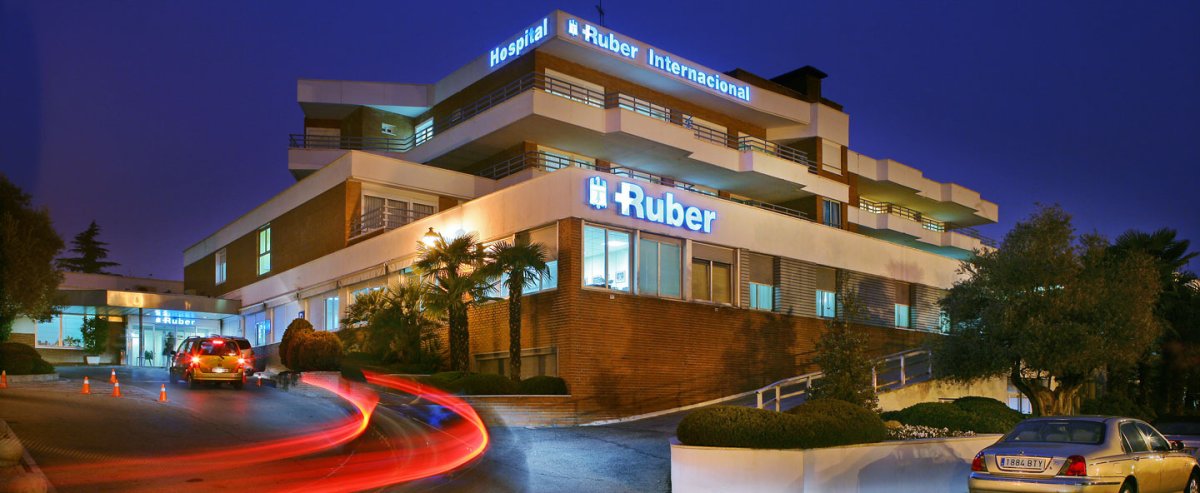
Perspectiva del experto de Bookimed: Las principales clínicas dentales de España, como el Hospital Ruber Internacional, a menudo priorizan la regeneración ósea avanzada. Los datos de Bookimed muestran que especialistas como el Dr. Alaa Ghuzlan en la Clinica Dental Raices se centran en alternativas cigomáticas o subperiósticas. Estas técnicas modernas a menudo ofrecen tasas de supervivencia más altas que el 80,9% tradicional reportado para l
¿Qué es un implante transóseo?
Un implante transóseo es un dispositivo dental altamente invasivo utilizado principalmente para la pérdida severa de hueso en la mandíbula inferior. Los cirujanos fijan una placa de metal en la parte inferior de la mandíbula. Luego, los postes atraviesan completamente el hueso hacia la boca para anclar dentaduras postizas en pacientes con deficiencia ósea extrema.
- Área objetivo: Este procedimiento se utiliza exclusivamente para la mandíbula inferior con atrofia significativa.
- Enfoque quirúrgico: Implica una incisión debajo de la barbilla para asegurar la placa de metal base.
- Estado clínico: Los cirujanos modernos a menudo ven esto como una técnica original o históricamente significativa.
- Alternativas principales: Los estándares actuales suelen priorizar los injertos óseos o los marcos de implantes subperiósticos hechos a medida.
Perspectiva del experto de Bookimed: España sigue siendo un destino principal para reconstrucciones orales complejas. Especialistas como el Dr. Alaa Ghuzlan en Clinica Dental Raices gestionan miles de casos internacionales. Aunque los métodos transóseos son raros, las clínicas españolas a menudo utilizan radiología 3D para encontrar alternativas más seguras y modernas para mandíbulas delgadas.
Consenso de los pacientes: Los pacientes con mandíbulas inferiores muy delgadas a menudo ven est
¿Cuál es el proceso de la cirugía de implantes transóseos?
El proceso de implante transóseo implica atornillar quirúrgicamente una placa de metal en la parte inferior del hueso de la mandíbula a través de una incisión debajo de la barbilla. Este procedimiento intensivo crea soporte dental para pacientes con pérdida ósea extrema. Integra el hardware a través de todo el grosor de la mandíbula para garantizar la estabilidad.
- Incisión submentoniana: Los cirujanos acceden a la mandíbula a través de un pequeño corte externo debajo de la línea de la barbilla.
- Fijación mandibular: Una placa base de metal se atornilla directamente sobre la superficie del hueso de la mandíbula.
- Penetración transósea: Se perforan pasadores de metal o sujetadores roscados hacia arriba a través de todo el hueso de la mandíbula.
- Conexión protésica: Los postes sobresalen en la boca para anclar una dentadura postiza o un puente hecho a medida.
Perspectiva del experto de Bookimed: Aunque los implantes transóseos son raros, España ofrece alternativas modernas como implantes cigomáticos o injertos óseos en instalaciones acreditadas por la JCI como el Hospital Ruber Internacional. Estas técnicas más nuevas evitan las incisiones externas en la barbilla y proporcionan una recuperación más rápida. El Dr. Alaa Ghuzlan de la Clinica Dental Raices a menudo utiliza radiología 3D para determinar si son viables opciones subperiósticas meno
¿Cuáles son los beneficios de someterse a una cirugía de implante transóseo en España?
La cirugía de implante transóseo en España brinda acceso a atención dental altamente especializada para la atrofia severa del hueso maxilar. Las clínicas españolas ofrecen técnicas de reconstrucción avanzadas como implantes cigomáticos y subperiósticos en instalaciones acreditadas por la JCI. UU. para restauraciones completas de boca complejas.
- Soluciones para la pérdida ósea: Ideal para pacientes con atrofia significativa del hueso maxilar que carecen de soporte suficiente.
- Experiencia especializada: Cirujanos como el Dr. Alaa Ghuzlan utilizan radiología 3D y escáneres intraorales.
- Estándares de calidad: Instalaciones como el Hospital Ruber Internacional mantienen certificaciones ISO y JCI de alto nivel.
- Ahorro de costos: Los procedimientos en España suelen oscilar entre $900 y $1,200.
Perspectiva del experto de Bookimed: Aunque las placas transóseas tradicionales son raras, las clínicas españolas son líderes en alternativas modernas. Los médicos en Tenerife y Madrid a menudo recomiendan implantes cigomáticos o pterigoideos para obtener los mismos resultados. Estos métodos modernos evitan la cirugía invasiva debajo de la barbilla y ofrecen la misma estabilidad para los arcos protésicos.
Consenso de los pa
¿Qué tan comunes son los implantes transóseos en España?
Los implantes transóseos son extremadamente raros en España y se consideran un procedimiento dental obsoleto. Los implantólogos españoles modernos priorizan las técnicas endóseas, cigomáticas o all-on-4. Estos métodos contemporáneos ofrecen mayores tasas de éxito y una mejor preservación ósea en comparación con el enfoque invasivo transóseo o de grapa mandibular.
- Estado del procedimiento: Los implantes transóseos se consideran obsoletos y reliquias médicas históricamente estancadas.
- Estándares modernos: Las clínicas se centran en sistemas endóseos de forma radicular mínimamente invasivos para obtener resultados de calidad.
- Soluciones para la pérdida ósea: Los especialistas utilizan implantes cigomáticos o injertos óseos para casos de atrofia severa.
- Credenciales de las clínicas: Hospitales de alto nivel como el Hospital Ruber Internacional mantienen la acreditación de la Joint Commission International.
Opinión experta de Bookimed: Aunque España sirve como un importante centro dental europeo, los implantes transóseos han desaparecido de la práctica moderna. Los centros especializados ahora utilizan odontología digital 3D y escáneres intraorales. Expertos como el Dr. Alaa Ghuzlan en Clinica Dental Raices se centran en su lugar en métodos basados en evidencia como All-on-6 y elevación de seno.
Consenso de los pacientes: