Centro Médico Teknon
España, Barcelona
Antonio Russi
54 años de experiencia • 1500+ tratamientos realizados

acreditaciones : 
Clínica certificada por : 





Revisado médicamente por
Fahad Mawlood
De $50,400. El precio puede variar según el tipo de dispositivo (recargable o no recargable), el hospital y la experiencia del cirujano. UU.
Los hospitales españoles normalmente incluyen en el precio la consulta preoperatoria, el dispositivo y la implantación, la anestesia, la estancia hospitalaria y la primera revisión. En EE. UU., los costos del dispositivo, los honorarios del cirujano, la anestesia y los cargos hospitalarios suelen facturarse por separado. Siempre confirmar exactamente qué está incluido en cada clínica antes de programar la intervención.
¿Por qué eligen los pacientes España para la estimulación del nervio vago?
Acceda a soluciones avanzadas de estimulación del nervio vago en clínicas de confianza de $50,400.
| España | Turquía | México | |
|---|---|---|---|
| Estimulación del nervio vago | de $50,400 | de $20,000 | ≈ $24,000 |
Bookimed no añade cargos adicionales a los precios de Estimulación del nervio vago. Las tarifas proceden de las listas de precios oficiales de las clínicas. Pagará directamente en la clínica por su Estimulación del nervio vago a su llegada al país.
Bookimed está comprometido con su seguridad. Solo trabajamos con las clínicas que mantienen altos estándares internacionales en Estimulación del nervio vago y tienen las licencias necesarias para atender a pacientes internacionales en todo el mundo.
Bookimed ofrece asistencia experta gratuita. Un coordinador médico personal le apoya antes, durante y después del tratamiento, resolviendo cualquier problema. Nunca estará solo en su viaje médico de Estimulación del nervio vago.



Día 1:
Dia 2:
Día 3:
Día 4:
Dia 5:
Día 6:
Semana 1-2:
Semana 3-4:
Tenga en cuenta que el cronograma y el proceso de recuperación de cada paciente pueden variar según las condiciones de salud individuales y los detalles específicos del procedimiento.
El Prof. Antonio Russi ha ayudado a más de 2.000 pacientes a quedar libres de crisis – reconocido por Forbes como el mejor epileptólogo de España.

50 años especializado en neurocirugía funcional – El Dr. Oliver es reconocido mundialmente por su experiencia en la estimulación del nervio vago y la cirugía de la epilepsia.
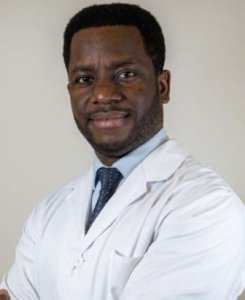
El Dr. Nnamdi Elenwoke se especializa en neurocirugía mínimamente invasiva en el Centro Médico Teknon, uno de los centros neuroquirúrgicos más importantes de Europa.
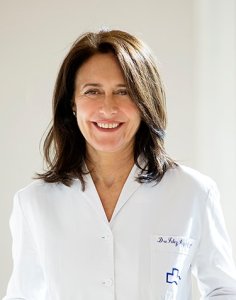
El médico es especialista en Otorrinolaringología y ejerce en el Hospital Quirónsalud Torrevieja. Con título de medicina y especialización obtenida en la Universidad Católica de Lovaina, el médico se centra en el diagnóstico y tratamiento de afecciones de oído, nariz y garganta, incluyendo síntomas auditivos, nasales y laríngeos. La práctica clínica abarca consultas de ORL para adultos, diagnóstico ambulatorio y evaluaciones médicas multidisciplinares en un entorno hospitalario privado.


 Olena Sikoza
La estimulación del nervio vago en España sigue un protocolo de 6 días para la epilepsia resistente a los fármacos, que implica la implantación quirúrgica de un dispositivo similar a un marcapasos. Los centros acreditados en Barcelona y Madrid priorizan la precisión diagnóstica utilizando una monitorización de video-EEG de tres días para garantizar que los pacientes sean candidatos óptimos para esta neurocirugía funcional.
Perspectiva del experto de Bookimed: Mientras que muchos países tratan la VNS como una solución quirúrgica estándar, los expertos españoles como el Prof. Dr. Antonio Gil-Nagel Rein priorizan primero el diagnóstico de la epilepsia genética. De $50,400.
Después de la cirugía de estimulación del nervio vago en España, monitoree los sitios de incisión en el cuello y el pecho para detectar enrojecimiento que se propaga, calor inusual o secreción similar a pus. Esté atento a síntomas sistémicos como fiebre superior a 38,3 °C (101,0 °F) o un dolor que empeora y no responde a los medicamentos recetados después de los primeros días.
Perspectiva del experto de Bookimed: Aunque los pacientes a menudo temen una infección, las clínicas españolas como el Centro Médico Teknon se centran en gran medida en la colocación precisa de los electrodos para minimizar la irritación local. Los datos de cirujanos destacados como el Prof. Dr. Antonio Russi muestran que la mayor parte de la incomodidad posoperatoria no es una infección, sino el cuerpo adaptándose a las señales
La estimulación del nervio vago (VNS) proporciona alivio para afecciones neurológicas y psiquiátricas crónicas cuando los tratamientos estándar fallan. Sus aplicaciones principales incluyen el manejo de la epilepsia resistente a los fármacos, el tratamiento de la depresión persistente y la mejora de la rehabilitación post-ictus. Centros especializados en España utilizan tanto implantes quirúrgicos como dispositivos no invasivos para administrar estos impulsos eléctricos específicos.
Perspectiva de expertos de Bookimed: Los datos sugieren que España es líder en la adaptación de la VNS para casos complejos, con clínicas como el Centro Médico Teknon que combinan tecnología avanzada con experiencia de élite. Especialistas como el Prof. Antonio
Las mejores clínicas para la estimulación del nervio vago (VNS) en España se encuentran en Madrid y Barcelona, lideradas por centros acreditados por la JCI como el Centro Médico Teknon y el Hospital Ruber Internacional. Estas instituciones ofrecen neuroestimulación avanzada para la epilepsia y la depresión resistentes al tratamiento, utilizando departamentos neurológicos especializados y neurocirujanos certificados.
Opinión de expertos de Bookimed: Aunque muchos buscan hospitales generales, la fortaleza de España reside en sus departamentos especializados. El Centro Médico Teknon gestiona el 75% de los casos de epilepsia a través de nuestra plataforma, principalmente porque el Prof. Antonio Russi pone especial énfasis en los casos resistentes. Si busca atención pediátrica, el SJD Barcelona es uno de los tres centros en Europa con una infraestruct
Puede recibir un implante de VNS en España y regresar a casa una vez que su cirujano le dé el alta médica. Para viajar, debe llevar la Tarjeta de Información del Paciente emitida por el fabricante para la seguridad del aeropuerto. Los cirujanos suelen recomendar un breve periodo de seguimiento postoperatorio antes de volar para garantizar que el dispositivo funcione correctamente.
Perspectiva del experto de Bookimed: Elegir Barcelona para un VNS ofrece acceso a especialistas de élite como el Prof. Antonio Russi en el Centro Médico Teknon. Ha gestionado más de 2.000 casos de epilepsia con una tasa de éxito del 70% mediante ajustes farmacéuticos avanzados. Esta experiencia es vital porque la configuración del VNS a menudo requiere una precisión que los protocolos estándar podrían pasar por alto.
Consenso del paciente: Los pacientes destacan la imp