Ir a inicio
820К+ pacientes han recibido asistencia desde 2014
50 países
1,500 clínicas
6K+ reseñas
3K+ médicos calificados

¿Cuál es el precio de procedimientos de Medicina nuclear en Tailandia? Descubra ahora

El precio se proporciona bajo petición

Sus beneficios y garantías con Bookimed

Precios directos

Bookimed no añade cargos extra a los precios de los tratamientos de Medicina nuclear. Las tarifas proceden de las listas de precios oficiales de las clínicas. Pagará directamente en la clínica por su tratamiento a su llegada al país.

Sólo clínicas y médicos verificados

Bookimed está comprometido con su seguridad. Solo trabajamos con las clínicas que mantienen altos estándares internacionales en el tratamiento de Medicina nuclear y tienen las licencias necesarias para atender a pacientes internacionales en todo el mundo.

Asistencia 24/7 gratuita

Bookimed ofrece asistencia experta gratuita. Un coordinador médico personal le apoya antes, durante y después del tratamiento, resolviendo cualquier problema. Nunca estará solo en su viaje médico de procedimientos de Medicina nuclear.

¿Por qué nosotros?

Su coordinador médico personal de Bookimed

  • Le apoya en cada etapa
  • Ayuda a elegir la clínica y el médico adecuados
  • Asegura un acceso rápido y conveniente a la información

Descubra las mejores clínicas de Medicina nuclear en Tailandia: 1 opciones verificadas y Precios
El ranking de clínicas de Bookimed se basa en algoritmos de data science, ofreciendo una comparación confiable, transparente y objetiva. Tiene en cuenta la demanda de pacientes, las puntuaciones de reseñas (positivas y negativas), la frecuencia de actualización de opciones de tratamiento y precios, la rapidez de respuesta y las certificaciones de las clínicas.

Obtenga una evaluación médica de Medicina nuclear en Tailandia: haga una consulta con 8 médicos experimentados ahora

Ver todos los médicos
verificado

Thanaphat Pomyukon

11 años de experiencia

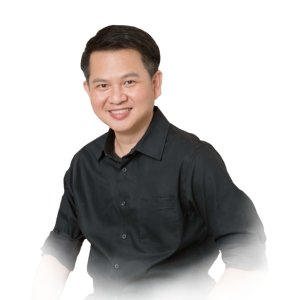
El Dr. Thanaphat Pomyukon es cirujano general (ศัลยแพทย์ทั่วไป). Licencia médica tailandesa n.º ว.50550. Obtuvo su título de médico (M.D.) en la Facultad de Medicina de la Universidad de Chulalongkorn. También posee el Diploma de la Junta Tailandesa de Cirugía General, obtenido en el Hospital Roi Et del Ministerio de Salud Pública.

Su enfoque clínico incluye hernias y hemorroides. También trata bultos mamarios y cálculos biliares. Atiende enfermedades del aparato digestivo. Realiza endoscopia gastrointestinal, incluida la gastroscopia y la colonoscopia.

Idiomas: tailandés (principal) e inglés (nivel clínico profesional).

verificado

Natthaphon Srithurawanit

11 años de experiencia

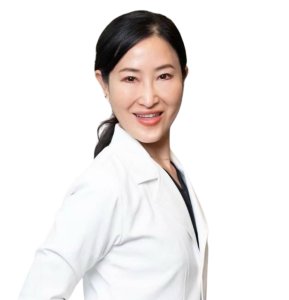
Dr. Natthaphon Srithurawanit is a regenerative medicine specialist at Mali Interdisciplinary Hospital in Bangkok. He integrates conventional and precision medicine to treat chronic non-communicable diseases. Dr. Srithurawanit focuses on reducing healing times through restorative techniques at a GHA-accredited facility.

  • Performs stem cell therapy for tissue repair and anti-aging rejuvenation.
  • Conducts aesthetic procedures including PRP therapy, Botox, and laser treatments.
  • Provides precision medical screenings including basic and premium health check-ups.
  • Works at an AACI-accredited hospital serving 50,000 international patients annually.
verificado

Dr Keerapat Phiromkraiphakdi

28 años de experiencia

El Dr. Keerapat Phiromkraiphakdi aporta experiencia internacional en cirugía plástica gracias a su formación en los EE. UU., especializándose en procedimientos estéticos.

  • Formación exhaustiva en UTHSC, PACES Plastic Surgery y UMC
  • Posee doble titulación en cirugía general y plástica de los principales hospitales tailandeses
  • Profesor de medicina en la Universidad Srinakharinwirot
  • Miembro activo de la Sociedad Tailandesa de Cirujanos Plásticos

Compartir contenido

Historias en video de pacientes de Bookimed

Dayana
Combiné mis vacaciones en Antalya con un chequeo médico.
Procedimiento: Chequeo femenino
Igor
¡Fue genial! Traslados, alojamiento, tratamiento, todo incluido.
Procedimiento: Implante dental
Clínica: WestDent Clinic
Marina
Bookimed se encargó de todo. No tuve que preocuparme por nada.
Procedimiento: Chequeo femenino
Actualizado: 02/27/2026
Escrito por
Olena Sikoza
Olena Sikoza
Сopywriter en español
Copywriter médica certificada responsable del contenido en español de Bookimed. Más de 7 años de experiencia en redacción sobre salud y turismo médico, con formación académica en edición científica y desarrollo de contenidos.
Fahad Mawlood
Editor médico y Científico de datos
Médico general. Ganador de 4 premios científicos. Sirvió en Asia Occidental. Es el ex jefe del equipo médico que soporta a pacientes de habla árabe. Ahora es responsable del procesamiento de datos y la precisión del contenido médico.
Fahad Mawlood Linkedin
Esta página puede incluir información relacionada con diversas afecciones médicas, tratamientos y servicios de salud disponibles en diferentes países. Tenga en cuenta que el contenido se proporciona sólo con fines informativos y no debe interpretarse como asesoramiento médico o orientación. Por favor consulte con su médico o con un profesional médico calificado antes de comenzar o cambiar el tratamiento médico.

Preguntas frecuentes sobre Medicina nuclear en Tailandia

Estas preguntas frecuentes provienen de pacientes reales que buscan atención médica a través de Bookimed. Las respuestas son proporcionadas por coordinadores médicos experimentados y representantes autorizados de las clínicas.

How long does a PET/CT scan take in a Thai hospital?

PET/CT scans in Thai hospitals typically take 1.5 to 3 hours total. The actual imaging phase only lasts 15 to 30 minutes. Most of the visit involves resting while the radiotracer distributes through the body. Facilities in Bangkok offer streamlined scheduling for international patients.

  • Preparation time: Patients receive a radiotracer injection and rest for 60–90 minutes.
  • Scanning duration: The PET/CT imaging takes roughly 15–30 minutes on the bed.
  • Fast scheduling: Private Bangkok facilities often arrange appointments within one week.
  • Accredited care: Centres like PMG Hospital hold Global Healthcare Accreditation (GHA) for international services.

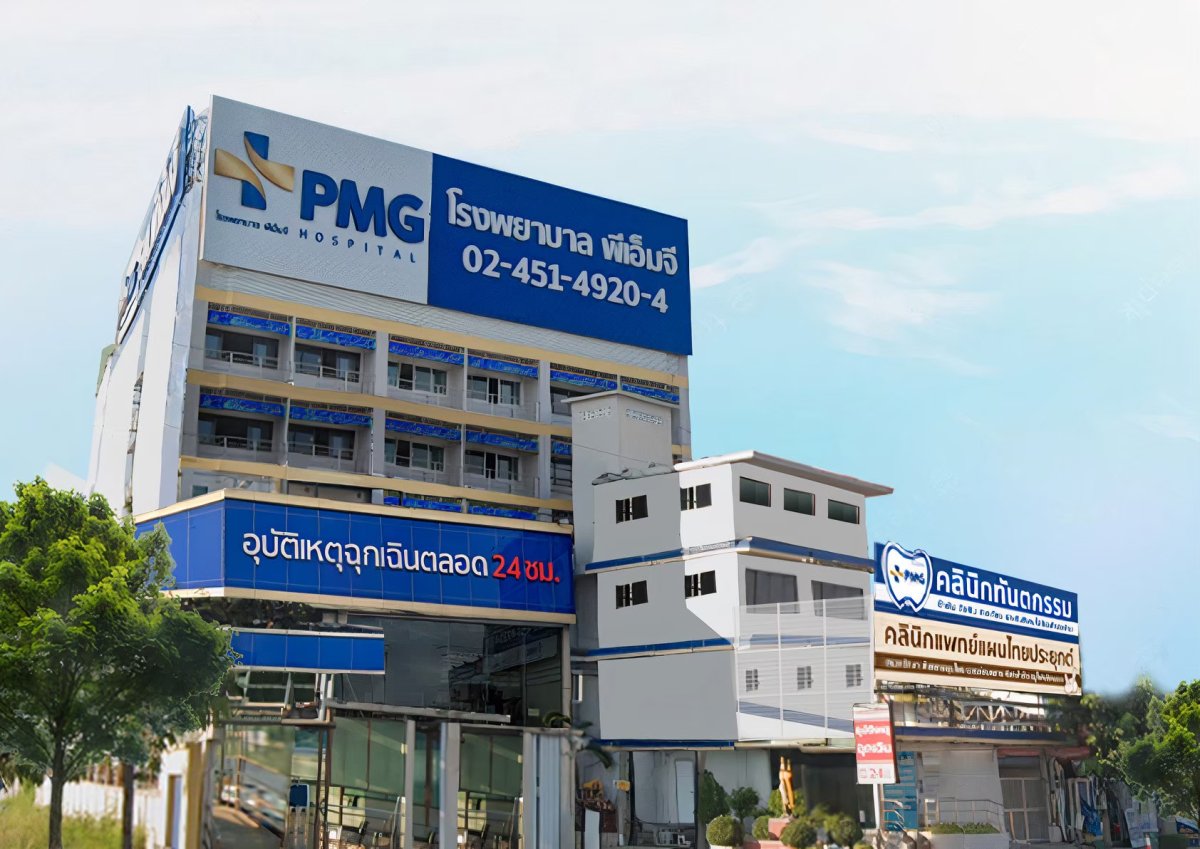
Bookimed Expert Insight: Thai private hospitals prioritise efficiency for those travelling from abroad. Facilities like PMG Hospital handle over 18,000 patients annually and maintain strict international standards. This high patient volume often leads to better-organised diagnostic flows compared to smaller regional clinics. International patients should expect faster turnaround times for results in these major Bangkok centres.

Patient Consensus: Patients note that private hospitals in Bangkok provide much faster appointment turnaround than at home. They find the English-speaking staff helpful and appreciate the prompt, professional service during the scan process.

Is nuclear medicine safe in Thailand?

Nuclear medicine in Thailand is safe and adheres to high international standards. The country works with the International Atomic Energy Agency (IAEA) to maintain strict radiation safety. Facilities use controlled, low-dose radiopharmaceuticals for precise diagnosis and intensive treatment. These include SPECT/CT and PET/CT imaging.

  • Regulatory oversight: The Office of Atoms for Peace enforces national radiation safety frameworks.
  • Accredited facilities: Many centres hold Global Healthcare Accreditation (GHA) for medical travel services.
  • Clinical infrastructure: Thailand operates a research reactor to produce high-quality medical isotopes locally.
  • Dose monitoring: Experts manage exposure using shielding and real-time monitoring technology.

Bookimed Expert Insight: Thai medical facilities often serve high patient volumes. For example, PMG Hospital treats over 18,000 patients annually. This massive throughput allows clinical teams to gain significant experience. They see diverse oncology and cardiology cases. High-volume centres typically invest in the latest diagnostic technology. This is because their equipment use justifies frequent upgrades.

Patient Consensus: Patients report that Thai medical staff provide thorough explanations. They also use Geiger counters to monitor safety. Many note it is helpful to clarify specific isolation and discharge protocols. Patients should do this before starting radioactive iodine therapy.

Are Thailand's nuclear medicine centres reliable?

Thailand's nuclear medicine centres are highly reliable and meet international clinical standards. Major facilities in Bangkok hold Global Healthcare Accreditation (GHA). They use modern PET/CT imaging and I-131 radiotherapy. Specialist physicians often train at top universities like Mahidol or abroad in the United States.

  • Accredited facilities: PMG Hospital holds GHA certification for quality care for international patients.
  • Expert staff: Specialists like Dr Thanaphat Pomyukon train at premier institutions like Chulalongkorn University.
  • Advanced diagnostics: Modern equipment includes PET/CT scanners for accurate oncology and cardiology staging.
  • High volume: Major Bangkok hospitals manage over 18,000 to 50,000 patients every year.

Bookimed Expert Insight: Clinics with GHA certification, such as PMG Hospital, focus on the international patient experience. These facilities often handle large volumes, which typically leads to more efficient diagnostic turnarounds. For Australians, these Bangkok-based centres offer accessible care via direct international flights.

Patient Consensus: Patients report that nuclear medicine scans in Thailand provide accurate results for detecting metastasis. General sentiment suggests medical care in Thai hospitals is excellent and reliable.

Can I receive Lutetium-177 therapy in Thailand?

Lutetium-177 therapy is available in Thailand for patients with advanced cancers. Major specialised cancer centres in Bangkok provide Lu-177 PSMA therapy. This nuclear medicine treatment targets metastatic castration-resistant prostate cancer. It also treats neuroendocrine tumours using Peptide Receptor Radionuclide Therapy (PRRT).

  • Treatment purpose: It uses beta-ray emission to destroy cancer cells and slow progression.
  • Clinical availability: Targeted radionuclide therapy is an option when traditional therapies fail.
  • Accredited facilities: Hospitals such as PMG Hospital hold Global Healthcare Accreditation (GHA).
  • Support services: Internationally accredited Bangkok centres provide multidisciplinary care for overseas patients.

Bookimed Expert Insight: Thai medical facilities often combine Lu-177 therapy with on-site PSMA PET scans for precise monitoring. This integration matters because it allows doctors to adjust the dose based on real-time tumour response. Centres like PMG Hospital serve nearly 19,000 patients annually. This demonstrates high proficiency in handling complex international cases.

Patient Consensus: Patients report that Thailand is a reliable destination for Lu-177 therapy when treatments are unavailable locally. They highlight the importance of receiving the isotope directly at the facility. This is due to strict transport regulations. They also praise the first-class hospital quality in Bangkok.

Is iodine-131 treatment available for thyroid cancer in Thailand?

Iodine-131 (I-131) treatment is available for thyroid cancer in Thailand through specialised nuclear medicine departments. Major hospitals in Bangkok provide this radioactive iodine therapy for ablation and advanced cases. Treatment involves swallowing a capsule to destroy cancerous tissue while sparing healthy cells.

  • Hospitalisation required: High-dose treatments involve 2–3 days in lead-lined isolation rooms.
  • Procedure type: Patients swallow a radioactive capsule to target thyroid tumour cells.
  • Accredited facilities: PMG Hospital in Bangkok holds Global Healthcare Accreditation for international services.
  • Specific protocols: High-risk cases use I-131 to treat cancer that has spread.

Bookimed Expert Insight: Many people think only large public hospitals handle radiotherapy. However, several private facilities in Bangkok now manage the entire process in-house. This includes dedicated isolation suites and specialised oncology teams. Patients can often skip the months-long waiting lists in public systems. They do this by choosing GHA-accredited private centres. These centres handle nearly 19,000 international cases annually.

Patient Consensus: Patients find the process straightforward. They note that staying in specialised lead-lined rooms is standard in Thailand. This typically lasts a few days. They highlight the clinical focus on safety and isolation during the radioactive period.

Are there English-speaking nuclear medicine specialists in Thailand?

Thai nuclear medicine specialists are frequently fluent in English. Many hold international certifications or have received advanced training in English-speaking countries. Centres in Bangkok, such as PMG Hospital, maintain international service standards. Specialists use English to explain complex imaging like PET-CT and radioiodine therapies.

  • Expertise: Thai specialists often hold board certifications in nuclear medicine or radiology.
  • Training: Many doctors completed advanced fellowships in the UK, Australia, or America.
  • Hospital standards: Facilities like PMG Hospital hold Global Healthcare Accreditation for international patients.
  • Patient communication: Doctors like Dr Nivit Karla provide bilingual care in English and Thai.

Bookimed Expert Insight: Thai medical systems prioritise bilingual care in multi-specialty centres. PMG Hospital treats over 18,900 patients annually and maintains 20 specialised departments. This high volume across diverse fields means nursing and technical staff are also accustomed to English-speaking patients. For nuclear medicine, this technical vocabulary is standard in their international wings.

Patient Consensus: Patients note that major Bangkok hospitals are widely recognised for catering to foreigners. They employ proficient English-speaking staff. They suggest an initial video consultation. This confirms the specialist meets their language needs before travelling to Thailand.

What are the restrictions after receiving radioisotope therapy in Thailand?

Post-treatment restrictions in Thailand focus on reducing radiation exposure to others. They also allow the skin to heal. Standard protocols include physical distancing for 7 to 14 days and strict hygiene measures. Patients must also avoid sun exposure and swimming for several months. This prevents severe skin damage.

  • Physical distancing: Maintain 2 metres from others and avoid children for 14 days.
  • Hygiene protocols: Flush toilets twice and sit while urinating to manage radioactive waste.
  • Skin protection: Avoid swimming pools, oceans, and hot tubs for 3 to 6 months.
  • Sun safety: Use sun-blocking umbrellas and protective clothing as radiation increases sunburn risks.
  • Lifestyle changes: Avoid alcohol and vigorous exercise for 6 months to aid recovery.

Bookimed Expert Insight: Thai hospitals like PMG Hospital serve over 18,000 patients annually. They also follow strict Global Healthcare Accreditation standards. Our data shows these facilities often provide detailed discharge kits. These kits include specific medical sprays for skin reactions. This structured approach helps international patients safely move from clinical isolation to public travel.

Patient Consensus: Patients note it's important to pack long sleeves and wide-brimmed hats. This is because the Thai sun is extremely intense on treated skin. They suggest skipping saunas and alcohol for the first 6 months. Doing so helps the skin heal without complications during the holiday.

How do I choose a hospital for nuclear medicine in Thailand?

Patients should check for Global Healthcare Accreditation (GHA) or JCI accreditation. They should select hospitals with dedicated nuclear medicine departments and certified physicists. This supports safe diagnostics. These include PET/CT scans or SPECT/CT imaging for oncology and cardiology.

  • Accredited facilities: Multi-specialty centres like PMG Hospital hold GHA certification for international patient quality.
  • Specialist credentials: Confirm specialists like Dr Thanaphat Pomyukon hold diplomas from leading Thai university boards.
  • Service depth: Prioritise private hospitals providing both diagnostic imaging and therapeutic radionuclide procedures.
  • Technology focus: Confirm the clinic has on-site PET/CT scanners and medical physicists for monitoring.

Bookimed Expert Insight: Thai medical centres with GHA and AACI accreditations are a good choice for Australians. They often offer more comprehensive support. Mali Interdisciplinary Hospital is one example. These facilities typically bundle specialised diagnostics with regenerative treatments. Standard radiology units cannot provide this. This integrated approach can reduce the time from diagnosis to starting treatment.

Patient Consensus: Patients note that top-tier private hospitals in Bangkok provide English-speaking specialists. These specialists explain radiation protocols in detail. They recommend a dedicated nuclear medicine department over a general radiology unit.

Pedir una consulta gratis

Seleccione la mejor manera de contactarle