Medicina nuclear en Turquía — Costos 2026


Revisado médicamente por
Fahad Mawlood
¿Cuál es el precio de procedimientos de Medicina nuclear en Turquía? Descubra ahora
Sus beneficios y garantías con Bookimed
Precios directos
Bookimed no añade cargos extra a los precios de los tratamientos de Medicina nuclear. Las tarifas proceden de las listas de precios oficiales de las clínicas. Pagará directamente en la clínica por su tratamiento a su llegada al país.
Sólo clínicas y médicos verificados
Bookimed está comprometido con su seguridad. Solo trabajamos con las clínicas que mantienen altos estándares internacionales en el tratamiento de Medicina nuclear y tienen las licencias necesarias para atender a pacientes internacionales en todo el mundo.
Asistencia 24/7 gratuita
Bookimed ofrece asistencia experta gratuita. Un coordinador médico personal le apoya antes, durante y después del tratamiento, resolviendo cualquier problema. Nunca estará solo en su viaje médico de procedimientos de Medicina nuclear.

Su coordinador médico personal de Bookimed
- Le apoya en cada etapa
- Ayuda a elegir la clínica y el médico adecuados
- Asegura un acceso rápido y conveniente a la información
Descubra las mejores clínicas de Medicina nuclear en Turquía: 23 opciones verificadas y Precios






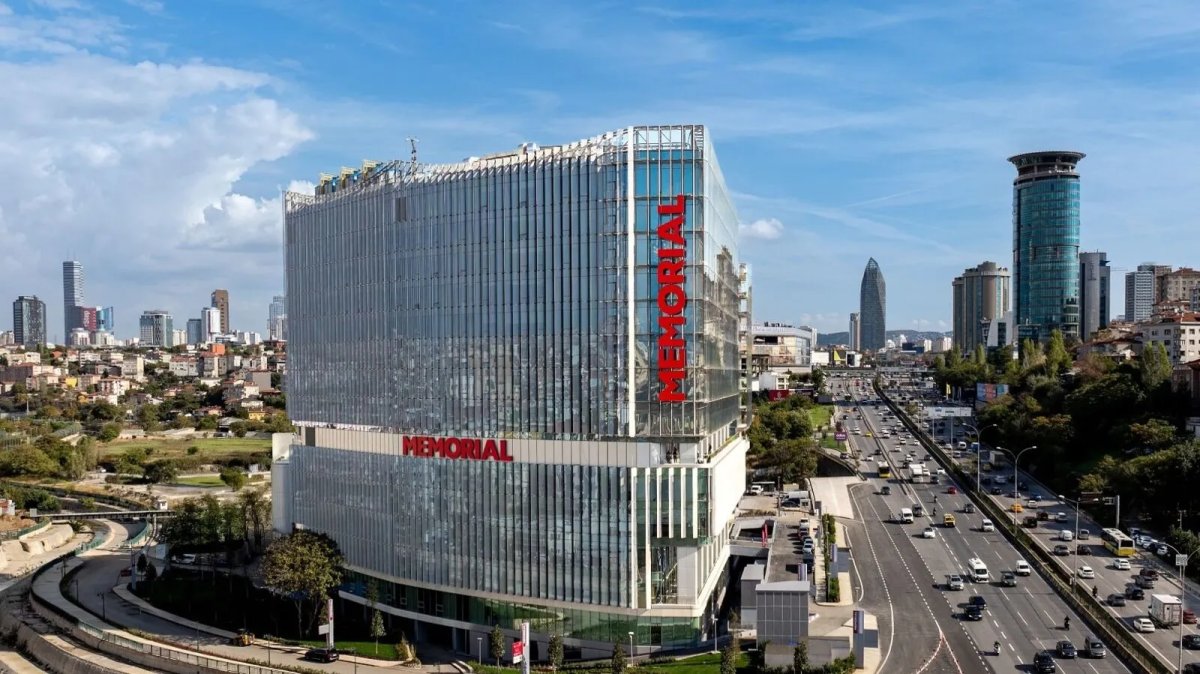
Memorial Göztepe Hospital




Memorial Ankara Hospital
Los mejores centros médicos de Medicina nuclear en Turquía
- Hospital Hisar Intercontinental, Turquía
- Memorial Sisli Hospital, Turquía
- Memorial Antalya Hospital, Turquía
- Memorial Bahçelievler Hospital, Turquía
- Memorial Göztepe Hospital, Turquía
- Memorial Ataşehir Hospital, Turquía
- Valued Med Hub Hospitals, Turquía
- Medical Park Antalya Hospital Complex, Turquía
- Memorial Ankara Hospital, Turquía
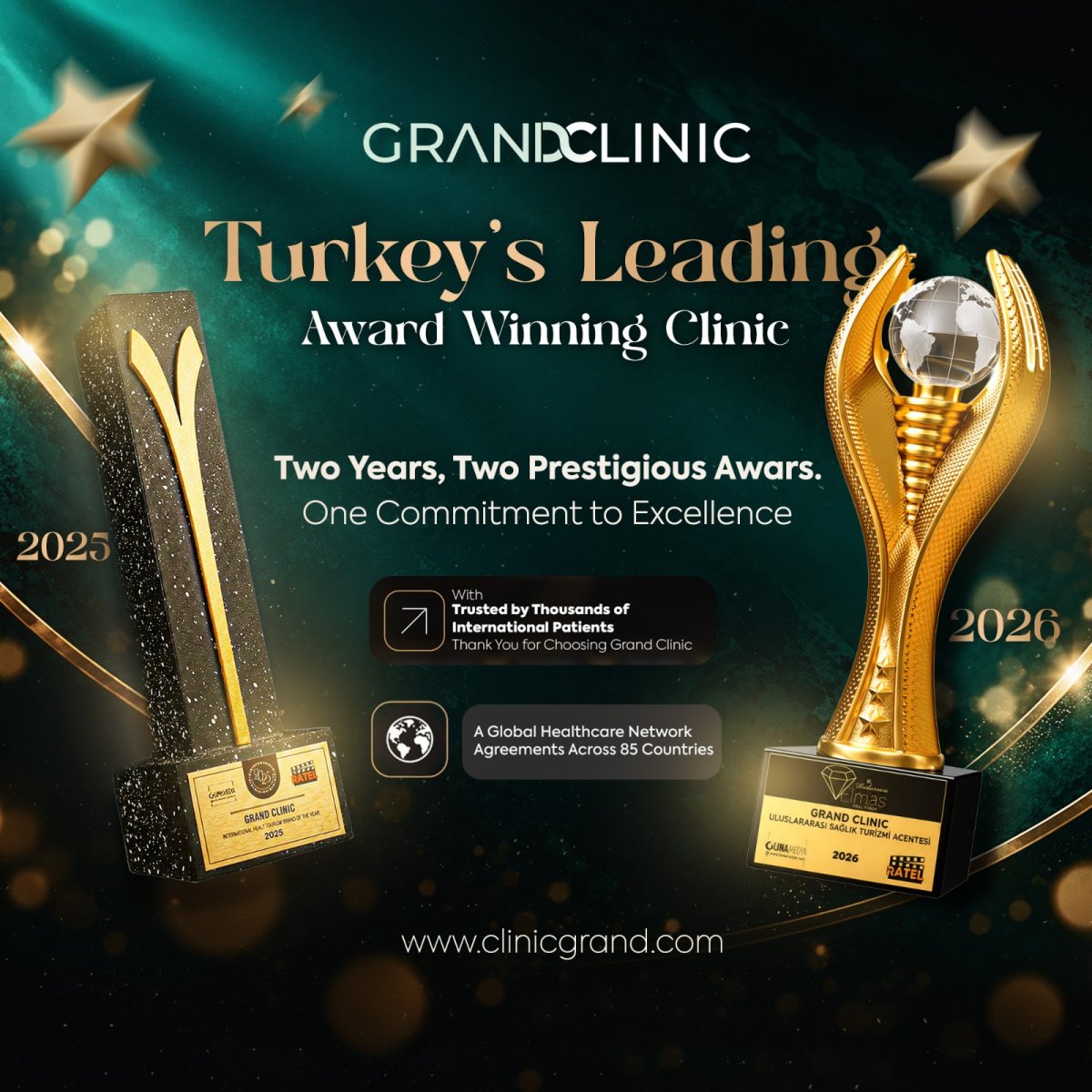
- Hospital Grand Clinic (Grand Clinic Istanbul), Turquía
Obtenga una evaluación médica de Medicina nuclear en Turquía: haga una consulta con 40 médicos experimentados ahora
Ver todos los médicos
Omer Faruk Oge
El médico tiene una amplia experiencia en oftalmología, especializándose en tratamientos y cirugías para estrabismo, estética ocular, ambliopía, cataratas y enfermedades de la retina. Además, el médico es competente en salud ocular pediátrica y realiza exámenes oculares generales completos.<\/p>
Graduado de la Facultad de Medicina de Estambul, el médico completó su especialización en el Hospital de Entrenamiento e Investigación Ocular de Beyoğlu. El médico es miembro de la Asociac

Cuneyt Turkmen
Más de 30 años de especialización en medicina nuclear: el Prof. Dr. Turkmen dirige terapias avanzadas de radioembolización y radionúclidos dirigidos en el Hospital Memorial Şişli.
- Experto en tratamientos de vanguardia como la radioterapia con Lutecio-177 y Actinio-225
- Publicó 86 artículos científicos sobre técnicas de medicina nuclear
- Formado en la Universidad de Estambul Cerrahpasa y en la Universidad Sahlgrenska de Suecia
- Miembro de la Federación Europea de Medicina Nuclear y otras asociaciones de primer nivel
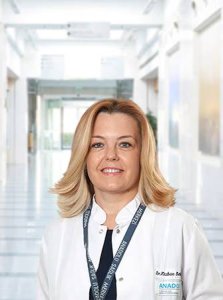
Kezban Berberoglu
La Dra. Kezban Berberoglu es profesora de medicina nuclear en el Centro Médico Anadolu de Estambul. Completó su formación en la Facultad de Medicina de la Universidad Johns Hopkins en Baltimore. La Dra. Berberoglu se especializa en oncología nuclear y cardiología nuclear. Trata cánceres de tiroides y próstata mediante terapias con radioisótopos. Es miembro de la Asociación Europea de Medicina Nuclear.
- Realiza terapias con Lutecio-177 y Actinio-225 para pacientes oncológicos.

Tamer Aksoy
El profesor asociado Dr. Tamer Aksoy se especializa en exámenes PET/CT y terapias con radionúclidos, con una amplia formación en la Universidad de Hacettepe y experiencia internacional en el Instituto Holandés del Cáncer.
- Más de 15 años de experiencia en medicina nuclear
- Experto en imágenes PET y linfoescintigrafía
- Miembro de la Asociación Europea de Medicina Nuclear
- Profesor asociado centrado en terapias con radionúclidos
Compartir contenido
Historias en video de pacientes de Bookimed
 Olena Sikoza
Preguntas frecuentes sobre Medicina nuclear en Turquía
¿Es segura la radiación para los pacientes?
El radiodiagnóstico en medicina nuclear en Turquía es seguro, ya que los beneficios clínicos de un diagnóstico preciso superan con creces los riesgos mínimos. Los centros turcos se adhieren al principio ALARA, utilizando la dosis efectiva más baja posible. Los modernos sistemas digitales PET/CT en hospitales acreditados por la JCI reducen aún más la exposición a la radiación, manteniendo al mismo tiempo una alta calidad de imagen.
- Normas de seguridad: Hospitales como el Hospital Memorial Şişli siguen estrictamente los protocolos internacionales de radiación certificados por JCI.
- Monitorización cualificada: Especialistas como el Dr. Juneyt Türkmen utilizan la dosimetría interna para monitorizar con precisión los niveles de radiación.
- Tecnología avanzada: Los escáneres digitales PET/CT y CT de 512 cortes minimizan el impacto en comparación con los equipos más antiguos.
- Desintegración rápida: Los isótopos con vidas medias cortas que se utilizan en las clínicas turcas garantizan la rápida eliminación de la radiación del cuerpo.
Opinión de expertos de Bookimed: Los hospitales de alto volumen, como el Hospital Intercontinental de Hisar, que atiende a más de 250 000 pacientes al año, utilizan con frecuencia la dosimetría basada en IA. Nuestros datos demuestran que estas instituciones priorizan el seguimiento personalizado de la dosis. Esto garan
¿Cuáles son los procedimientos de medicina nuclear más comunes?
Entre los procedimientos comunes de medicina nuclear se incluyen la gammagrafía de perfusión miocárdica para evaluar la salud cardíaca, la gammagrafía ósea para detectar la diseminación del cáncer y la tomografía por emisión de positrones/tomografía computarizada (PET/CT) para la estadificación del cáncer. Estas pruebas utilizan trazadores radiactivos para evaluar la función de los órganos. Centros turcos, como el Hospital Memorial Şişli, las emplean para un diagnóstico preciso y una terapia radionúclida dirigida.
- Gammagrafía cardíaca: La gammagrafía de perfusión miocárdica evalúa el flujo sanguíneo y detecta la enfermedad de las arterias coronarias.
- Imágenes óseas: Las gammagrafías óseas detectan fracturas, infecciones, artritis y metástasis del cáncer.
- Estadificación del cáncer: La PET/CT analiza la actividad metabólica para detectar y estadificar diversos tipos de cáncer.
- Gammagrafía tiroidea: Las mediciones evalúan la función de la glándula y los nódulos mediante la captación de yodo radiactivo.
Opinión experta de Bookimed: Los centros turcos acreditados por la JCI suelen integrar la medicina nuclear con sus departamentos de cirugía robótica. Por ejemplo, el Hospital Memorial Şişli combina la imagenología nuclear con una tasa de éxito del 99 % en trasplantes renales para un monitoreo postoperatorio preciso. Esta integración garantiza
¿Qué preparativos son necesarios antes de un procedimiento de medicina nuclear?
Los procedimientos de medicina nuclear en Turquía requieren modificaciones específicas en la dieta y la medicación para garantizar la precisión diagnóstica. La mayoría de las tomografías por emisión de positrones/tomografías computarizadas (PET/CT) requieren un ayuno de 4 a 6 horas. Los pacientes deben evitar la cafeína y el ejercicio intenso durante 24 horas. También es importante informar al personal si está embarazada o en período de lactancia antes del procedimiento.
- Requisitos de ayuno: Ayune de 4 a 6 horas antes de las tomografías por emisión de positrones/tomografías computarizadas (PET/CT) o las exploraciones cardíacas para estabilizar los niveles de glucosa.
- Restricciones dietéticas: Evite los alimentos ricos en yodo, como los mariscos y la sal yodada, de 1 a 2 semanas antes de las pruebas de tiroides.
- Gestión de la medicación: Informe sobre todos los suplementos que esté tomando y suspenda la metformina 48 horas antes de su tomografía por emisión de positrones (PET) para evitar interferencias.
- Protocolo de hidratación: Beba de 1 a 2 litros de agua antes de su llegada para acelerar la eliminación del trazador radiactivo.
Opinión experta de Bookimed: Las clínicas turcas, como el Hospital Intercontinental de Hisar, utilizan métodos reconocidos por la EANM que priorizan la rápida eliminación del trazador. Los datos muestran que los
¿Qué precauciones debo tomar después de recibir un radiofármaco terapéutico?
Las precauciones posteriores al tratamiento tienen como objetivo minimizar la exposición a la radiación de otras personas y prevenir la contaminación ambiental. La mayoría de los pacientes requieren un período de aislamiento de 3 a 7 días después de recibir radiofármacos terapéuticos. Debe mantener una distancia de al menos 2 metros (6 pies) de otras personas y evitar el contacto con niños o mujeres embarazadas.
- Distanciamiento social: Mantenga una distancia de más de 1,8 metros (6 pies) de otras personas durante los primeros 3 a 7 días.
- Seguridad al dormir: Duerma en una cama y habitación separadas durante 3 a 7 días.
- Evitar grandes aglomeraciones: Evite usar el transporte público y visitar lugares concurridos durante al menos 1 semana.
- Higiene personal: Tire de la cadena dos veces y lávese bien las manos después de cada uso.
- Ingesta de líquidos: Beba de 3 a 4 litros de agua al día para eliminar el radioisótopo.
- Seguridad en los viajes: Lleve consigo un certificado médico, ya que la radiación puede activar los detectores en los aeropuertos durante varios meses.
Evaluación de expertos de Bookimed: Centros turcos como el Hospital Memorial Şişli y el Hospital Internacional Hisar integran PET-CT y SPECT-CT para monitorizar el progreso del tratamiento. Nuestros datos muestran que los hospita
¿Qué ciudades y servicios ofrecen apoyo a los pacientes internacionales que se someten a tratamientos de medicina nuclear en Turquía?
Estambul, Ankara, Izmir y Antalya son los principales centros de medicina nuclear de Turquía para pacientes internacionales. Estas ciudades cuentan con hospitales acreditados por la JCI que ofrecen imágenes PET/CT avanzadas y terapias dirigidas. Departamentos especializados gestionan visas médicas, traslados desde y hacia el aeropuerto y servicios de traducción profesional para garantizar una atención integral.
- Diagnóstico por imagen: Los centros ofrecen PET-CT digital y SPECT-CT para oncología y cardiología.
- Terapia dirigida: Expertos como el Dr. Juneyt Türkmen están tratando a estos pacientes con lutecio-177 y actinio-225.
- Coordenadas especializadas: Los hospitales de Estambul, como el Memorial Şişli, ofrecen radioembolización para el tratamiento del cáncer de hígado.
- Tecnología avanzada: Las instalaciones integran sistemas TrueBeam STx y resonancias magnéticas de 3 Tesla con inteligencia artificial.
Consejo de expertos de Bookimed: Los hospitales de Estambul, como Medipol Bahçelievler, suelen atender a más de 600 000 pacientes al año. Este enorme volumen permite a estos centros mantener capacidades de imagen SPECT-CT y PET-CT. Esta integración garantiza, por lo general, resultados diagnósticos en 24 horas. Esta rapidez es fundamental para los pacientes internacionales con agendas de viaje limitadas.
Consenso de los pacie