Hepatitis B crónica Tratamiento en Tailandia — Costos 2026


Revisado médicamente por
Fahad Mawlood
¿Cuál es el precio del diagnóstico y los tratamientos de Hepatitis B crónica en Tailandia? Descubra ahora
Sus beneficios y garantías con Bookimed
Precios directos
Bookimed no añade cargos extra a los precios de los tratamientos de Hepatitis B crónica. Las tarifas proceden de las listas de precios oficiales de las clínicas. Pagará directamente en la clínica por su tratamiento a su llegada al país.
Sólo clínicas y médicos verificados
Bookimed está comprometido con su seguridad. Solo trabajamos con las clínicas que mantienen altos estándares internacionales en el tratamiento de Hepatitis B crónica y cuentan con las licencias necesarias para atender a pacientes internacionales en todo el mundo.
Asistencia 24/7 gratuita
Bookimed ofrece asistencia experta gratuita. Un coordinador médico personal le apoya antes, durante y después de su tratamiento, resolviendo cualquier problema. Nunca estará solo en su viaje médico de tratamiento de Hepatitis B crónica.

Su coordinador médico personal de Bookimed
- Le apoya en cada etapa
- Ayuda a elegir la clínica y el médico adecuados
- Asegura un acceso rápido y conveniente a la información
Descubra las mejores clínicas de tratamiento de Hepatitis B crónica en Tailandia: 1 opciones verificadas y Precios
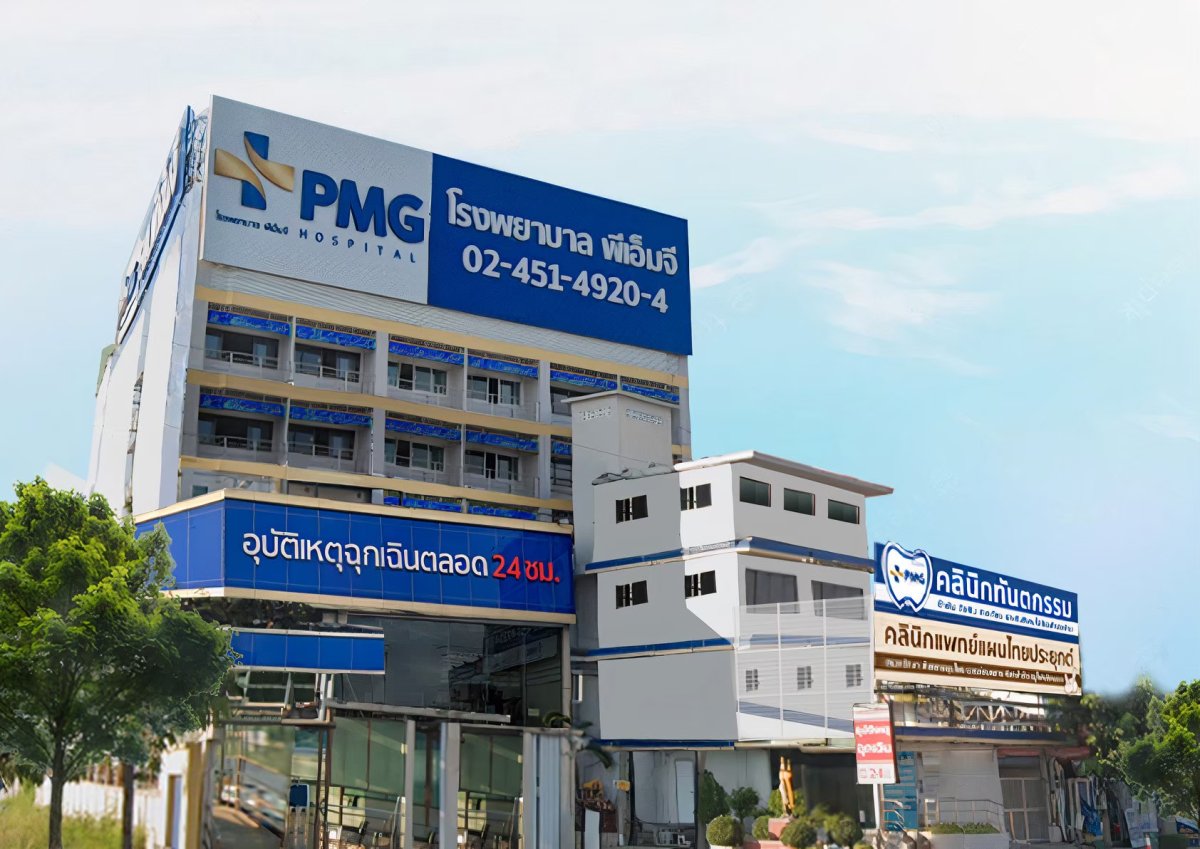


Obtenga una evaluación médica para Hepatitis B crónica en Tailandia: consulte con doctores experimentados ahora
Ver todos los médicos
Pichai Kittipanyaworakul
Pichai Kittipanyaworakul, M.D., es internista. Se especializa en gastroenterología y hepatología.
Formación: Doctor en Medicina (M.D.), Facultad de Medicina, Universidad de Chiang Mai.
Acreditaciones: Diploma en Medicina Interna, Hospital Conmemorativo Chulalongkorn, Sociedad de la Cruz Roja Tailandesa. Diploma en Medicina Interna (Gastroenterología y Hepatología), Facultad de Medicina del Hospital Ramathibodi, Universidad Mahidol.
Compartir contenido
Historias en video de pacientes de Bookimed
 Olena Sikoza
Preguntas frecuentes sobre el tratamiento de Hepatitis B crónica en Tailandia
¿Qué documentos se requieren para solicitar una visa a Tailandia para recibir tratamiento?
Para solicitar una visa a Tailandia, se requieren una serie de documentos. La documentación necesaria se puede presentar 90 días antes de la salida prevista. La lista de documentos incluye :
- tarjeta de identificación
- confirmación del registro en línea y llenado del cuestionario
- certificado de ingresos y fondos (20.000 baht por persona / 40.000 baht por familia)
- póliza de seguro para el período de estancia en Tailandia (original y copia)
- 2 fotos (4x6)
- obtener una visa
- pasaje aéreo de ida y vuelta (pagado en su totalidad) y reserva de hotel
- opinión del médico sobre la necesidad de tratamiento.
¿Cuál es el nivel de la medicina en Tailandia?
El cuidado de la salud es un sector de desarrollo clave para el gobierno tailandés. Las autoridades tailandesas están convencidas de que el cuidado de la salud de los ciudadanos debe ser una prioridad incondicional de la política estatal y gastan anualmente alrededor de 25 mil millones de baht en atención médica.
Como resultado, 36.673 establecimientos médicos brindan una excelente atención médica en el país. 64 centros médicos en el Reino están certificados por JCI (Joint Commission International) , un organismo internacional para mejorar la calidad y seguridad de los servicios médicos en todo el mundo. El índice de certificados recibidos es el más grande. A modo de comparación, hay 20 instituciones acreditadas por la JCI en Israel y solo 10 clínicas de este tipo en Alemania.
¿Cuándo es el mejor momento para ir a Tailandia?
La principal ventaja de los resorts tailandeses es una larga temporada de playa. El clima es diferente en las costas este y oeste, así que tenlo en cuenta cuando planifiques tu viaje. La mejor época para viajar es durante la estación fresca y seca, de noviembre a principios de abril. Una gran afluencia de turistas se produce en marzo-mayo, cuando la temperatura del aire alcanza los +30°C.
¿Qué necesitas saber sobre Tailandia antes de tu viaje?
Nombre oficial | El reino de Tailandia |
Moneda | Baht tailandés (también puedes pagar los servicios en dólares) |
Mejor época para viajar | noviembre-principios de abril |
Idioma | Tailandés (la mayoría del personal médico habla inglés con fluidez) |
Visa | requerido para un viaje de 3-6 meses |
Diferencia horaria con Europa | 7:00 |
Diferencia horaria de Estados Unidos | 12 horas |
Capital | bangkok |
Centro de Turismo Médico | bangkok |
Estaciones populares | Koh Samui, Phuket, Chiang Mai, Koh Chang, Hua Hin
|