Desgarro del manguito rotador en Tailandia: las 3 mejores clínicas para su tratamiento


Revisado médicamente por
Fahad Mawlood
Cómo funciona
¿Cuál es el precio del diagnóstico y los tratamientos de Desgarro del manguito rotador en Tailandia? Descubra ahora
| Tailandia | España | Turquía | |
|---|---|---|---|
| Artroscopia | ≈ $3,200 / 118,400฿ | ≈ $3,600 / 133,200฿ | de $4,500 / 166,500฿ |
Descubra las mejores clínicas de tratamiento de Desgarro del manguito rotador en Tailandia: 3 opciones verificadas y Precios
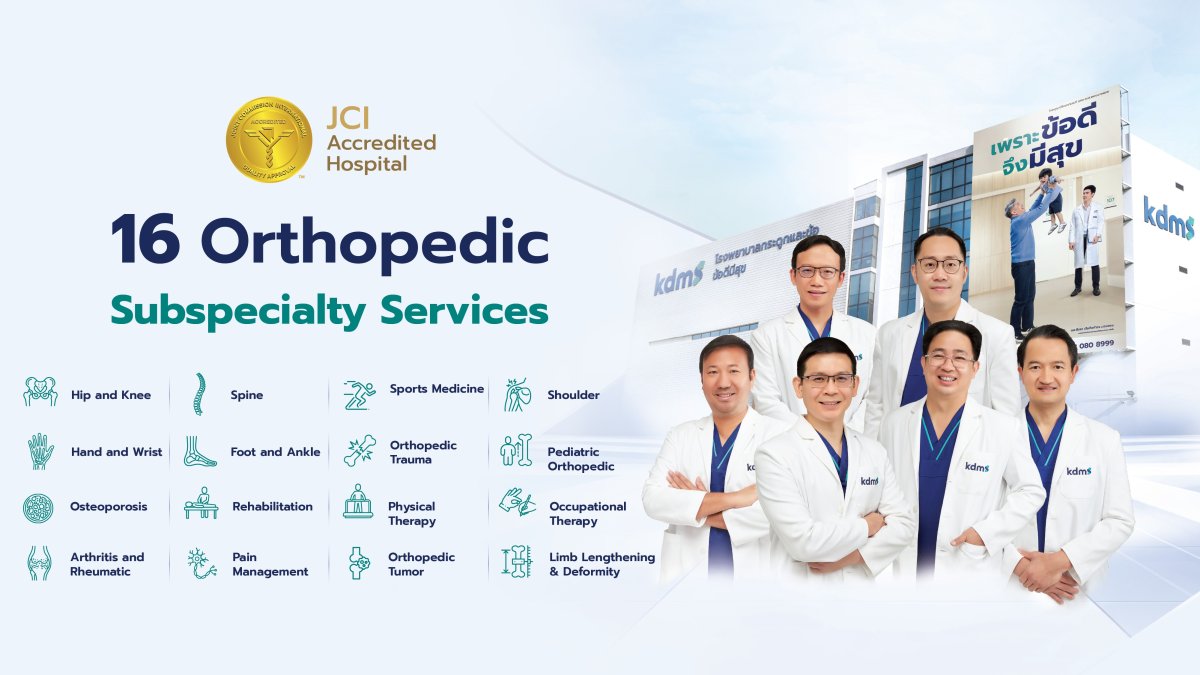

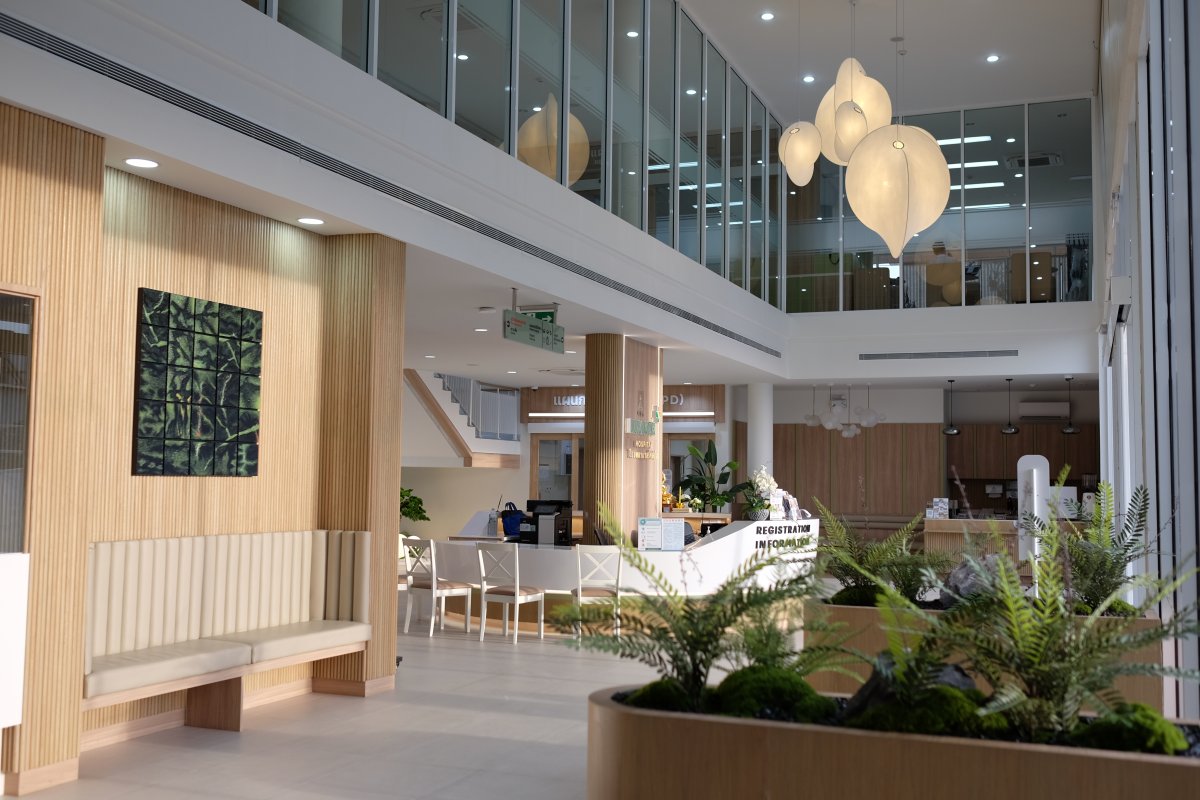
LUX KOR Hospital


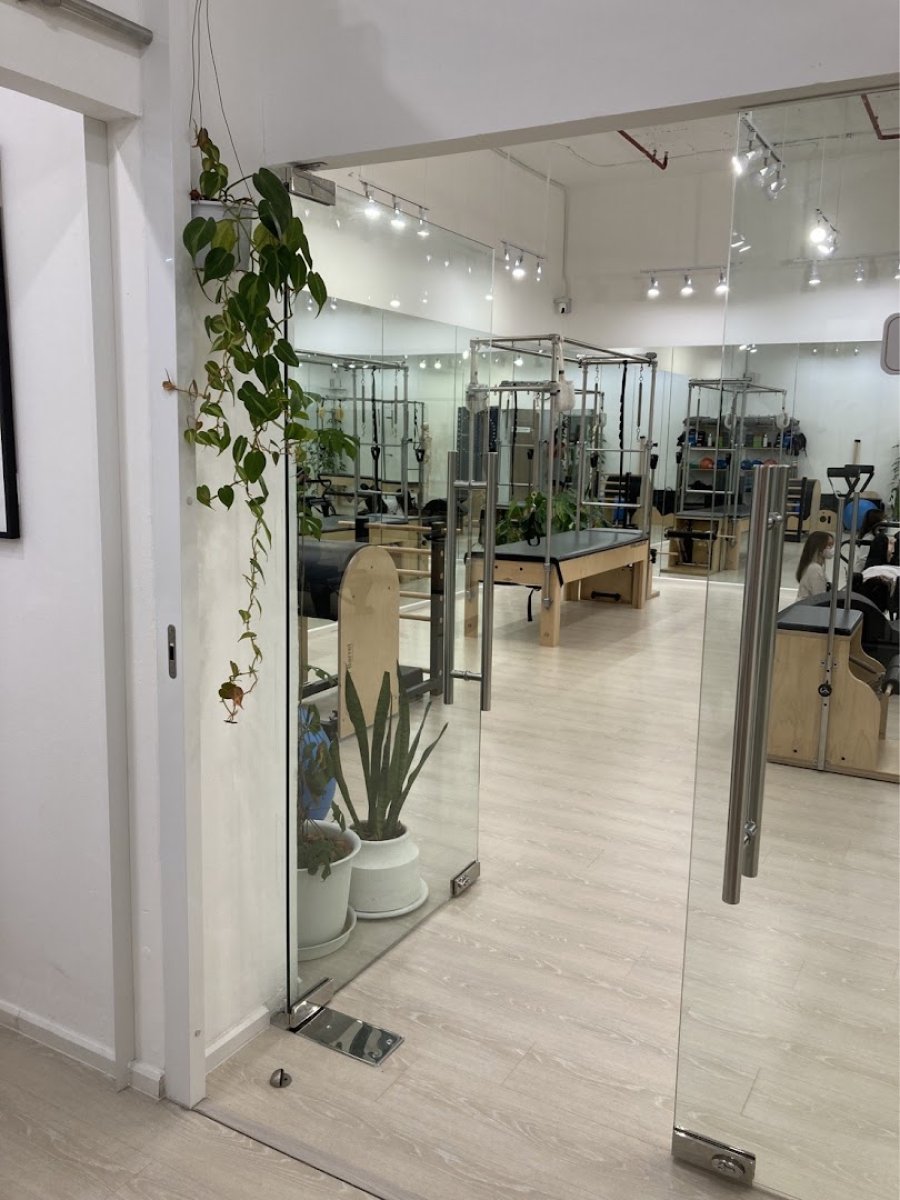
Le Physio Clinic
Obtenga una evaluación médica de tratamiento de Desgarro del manguito rotador en Tailandia: haga una consulta con 9 médicos experimentados ahora
Ver todos los médicos
Pongsathorn Sitthisen
Cirujano ortopédico certificado especializado en cirugía de mano y extremidad superior – El Dr. Sitthisen se centra en la precisión y los resultados funcionales.
- Formado en el Hospital Ramathibodi y la Universidad de Chulalongkorn
- Experto en lesiones de tendones y microcirugía reconstructiva
- Conocido por su atención centrada en el paciente y su precisión quirúrgica
Apisit Rattanatanasarn
El Dr. Apisit Rattanatanasarn es cirujano ortopédico en EDNA Wellness en Bangkok. Se especializa en trastornos del pie y tobillo y en medicina regenerativa. Completó su formación de subespecialización (fellowship) en la Universidad Mahidol, un centro médico académico de primer nivel en Tailandia. El Dr. Rattanatanasarn trata enfermedades degenerativas, lesiones deportivas y afecciones óseas postraumáticas.
- Miembro de la Sociedad Tailandesa de Ortopedia de Pie y Tobillo (THOFAS).
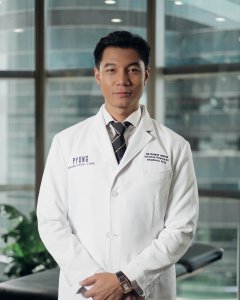
Kantaphong Thongrong
El Dr. PYONG se especializa en técnicas de rehabilitación avanzadas, integrando robótica y terapias no invasivas para una recuperación óptima de lesiones del manguito rotador.
- Fisiatra certificado con experiencia en rehabilitación musculoesquelética
- Pionero en terapias robóticas y exoesqueletos portátiles para una recuperación mejorada
- Jefe del Departamento de Rehabilitación en el Hospital King Mongkut Chaokhunthahan
- Fundador de PYONG Rehabilitation Group, centrado en soluciones de tratamiento innovadoras
- Experto en intervenciones guiadas por ultrasonido para un tratamiento preciso del hombro
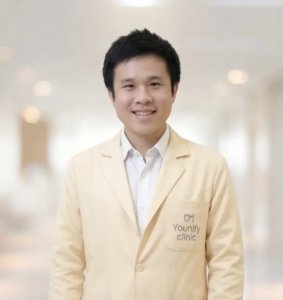
Thanakrit Mongklapaiboon
El Dr. Thanakrit Mongklapaiboon es radiólogo intervencionista del cuerpo. Obtuvo su título de médico con honores de primera clase en la Facultad de Medicina del Hospital Siriraj, Universidad Mahidol, en 2014. Completó la residencia en Radiología Diagnóstica en Siriraj en 2020 y posteriormente una subespecialidad en Radiología Intervencionista del cuerpo.
Su práctica se centra en terapias mínimamente invasivas guiadas por imagen, incluidas la oncología intervencionista y los tratamiento
Compartir contenido
Historias en video de pacientes de Bookimed
 Olena Sikoza
Preguntas frecuentes sobre el tratamiento de Desgarro del manguito rotador en Tailandia
¿Están certificados y reconocidos internacionalmente los cirujanos ortopédicos tailandeses que tratan desgarros del manguito rotador?
Los cirujanos ortopédicos tailandeses que tratan desgarros del manguito rotador están altamente cualificados y certificados por el Royal College of Orthopedic Surgeons of Thailand. Los especialistas líderes mantienen el reconocimiento internacional a través de becas occidentales. Los centros de alto volumen en Bangkok utilizan técnicas artroscópicas avanzadas y tecnologías asistidas por robot para garantizar estándares globales de atención.
- Certificación del cirujano: Los especialistas deben contar con la certificación del Royal College of Orthopedic Surgeons of Thailand.
- Formación internacional: Muchos cirujanos completan becas avanzadas en los Estados Unidos, el Reino Unido o Australia.
- Acreditación de las instalaciones: Los mejores hospitales mantienen la acreditación de la Joint Commission International en cuanto a estándares de seguridad y calidad.
- Experiencia especializada: Médicos como el Dr. Pradab Pradasuk aportan más de 20 años de experiencia en cirugía ortopédica.
Perspectiva de expertos de Bookimed: Aunque muchos hospitales afirman cumplir con estándares internacionales, céntrese en instituciones especializadas como el KDMS Specialized Orthopedic Hospital. Es el primer hospital de Tailandia dedicado exclusivamente a la ortopedia y la medicina deportiva. Este nivel de especialización a menudo se traduce en volúmenes de pacien
¿Qué técnicas quirúrgicas se utilizan comúnmente para la reparación del manguito rotador en Tailandia, y son estándar los métodos artroscópicos?
La reparación artroscópica del manguito rotador es la técnica quirúrgica estándar en Tailandia. Los cirujanos ortopédicos tailandeses utilizan principalmente este enfoque mínimamente invasivo para tratar los desgarros de tendones. Utiliza pequeñas cámaras e instrumentos especializados. Los principales centros también ofrecen técnicas de reparación mini-abierta y abierta para desgarros complejos o grandes.
- Reparación artroscópica: Los cirujanos utilizan incisiones diminutas para volver a unir los tendones con cámaras de alta definición.
- Técnica mini-abierta: Combina la artroscopia con una pequeña incisión para el acceso directo al tendón.
- Instalaciones especializadas: El KDMS Specialized Orthopedic Hospital opera como el primer hospital exclusivamente ortopédico de Tailandia.
- Credenciales de expertos: Cirujanos como el Dr. Pongtep Na Nakorn se especializan específicamente en cirugía artroscópica de hombro.
Perspectiva del experto de Bookimed: El cambio de Tailandia hacia centros especializados como el KDMS Specialized Orthopedic Hospital crea una atención más enfocada. Estos centros a menudo albergan a más de 50 médicos que se centran únicamente en la salud musculoesquelética. Al buscar una alta calidad, verifique si el cirujano tiene una subespecialidad en medicina deportiva. Los médicos con esta formación, como los de EDNA Wellness, su
¿Cuáles son los riesgos y complicaciones típicos asociados con la reparación del manguito rotador en Tailandia, y cómo se gestionan?
La reparación del manguito rotador en Tailandia conlleva riesgos de rigidez persistente, desgarros de tendones e infección. Los centros especializados los gestionan mediante técnicas artroscópicas y rehabilitación especializada. Los cirujanos certificados utilizan diagnósticos por resonancia magnética y fisioterapia para garantizar la integridad estructural y restaurar el rango de movimiento en instalaciones de alto nivel.
- Rigidez del hombro: Se gestiona con fisioterapia agresiva para recuperar el movimiento activo y pasivo.
- Desgarro del tendón: Se evita mediante la planificación preoperatoria por resonancia magnética y suturas avanzadas en centros ortopédicos.
- Lesión nerviosa: Se monitorea durante la recuperación, ya que la mayoría de los casos de entumecimiento se resuelven por sí solos.
- Trombosis venosa profunda: Se previene mediante la movilización temprana y terapias anticoagulantes postoperatorias cuando sea necesario.
Perspectiva del experto de Bookimed: Los pacientes que buscan cirugía de hombro en Bangkok pueden beneficiarse de centros especializados como el KDMS Specialized Orthopedic Hospital. Como primer hospital exclusivamente ortopédico de Tailandia, toda su infraestructura se centra en la recuperación musculoesquelética. Este entorno dedicado permite protocolos posquirúrgicos altamente específicos que los hospitales gener
¿Cuál es el cronograma de recuperación esperado para una reparación artroscópica del manguito rotador realizada en Tailandia, y cuándo puedo volar a casa?
La recuperación de una reparación artroscópica del manguito rotador en Tailandia lleva de 6 a 12 meses. La mayoría de los pacientes pueden volar a casa de 7 a 10 días después de la cirugía. Esto permite la cicatrización inicial de la herida y la comprobación de la estabilidad. Debe usar un cabestrillo y evitar levantar equipaje durante el viaje.
- Fase de protección: Los pacientes usan un cabestrillo durante 4 a 6 semanas para proteger los tendones.
- Fase de movilidad: Los movimientos asistidos activos comienzan alrededor de la semana 7 para recuperar el movimiento completo del hombro.
- Fase de fortalecimiento: Los ejercicios de resistencia comienzan en la semana 15 para reconstruir el músculo y la función.
- Recuperación completa: El levantamiento de pesas o los deportes por encima de la cabeza pueden requerir hasta 12 meses de curación.
Perspectiva del experto de Bookimed: Los centros ortopédicos tailandeses como el KDMS Specialized Orthopedic Hospital ofrecen resonancias magnéticas y tomografías computarizadas en el lugar para chequeos postoperatorios inmediatos. Especializados en medicina deportiva, cirujanos como el Dr. Pongtep Na Nakorn se centran en técnicas mínimamente invasivas. Esta precisión ayuda a los pacientes a cumplir con seguridad la ventana de viaje de 10 días. Verifique siempre si su clínica proporciona un control de recupe
¿Soy un buen candidato para una reparación del manguito rotador ambulatoria (el mismo día) en un hospital tailandés?
Los candidatos a una reparación del manguito rotador el mismo día en Tailandia requieren una salud óptima y sistemas de apoyo sólidos. Los pacientes ideales suelen presentar niveles de azúcar en sangre controlados y un historial cardíaco estable. Especialistas como el Dr. Pradab Pradasuk en el Navamin 9 Hospital utilizan técnicas artroscópicas para permitir el alta horas después de la cirugía.
- Estabilidad médica: Ausencia de apnea del sueño y eventos cardíacos en los últimos 2 años.
- Complejidad de la rotura: Más adecuado para lesiones musculoesqueléticas menores o menos complejas.
- Apoyo doméstico: La presencia de un cuidador es obligatoria durante las primeras 24 horas después de la cirugía.
- Tipo de centro: Los centros especializados como el KDMS Specialized Orthopedic Hospital ofrecen atención ortopédica dedicada.
Perspectiva del experto de Bookimed: Si bien muchos hospitales generales ofrecen esta cirugía, elegir el primer hospital especializado en ortopedia de Tailandia, como KDMS, ofrece ventajas claras. Los datos muestran que estos entornos dedicados suelen agilizar el proceso ambulatorio mediante resonancias magnéticas in situ y espacios de cotratamiento especializados. Este enfoque reduce el riesgo de retrasos en la recuperación en comparación con los centros multiespecializados más grandes.
Consenso de los pacient
¿Es seguro someterse a una cirugía de hombro en Tailandia si tengo diabetes, hipertensión o una enfermedad autoinmune?
La cirugía de hombro en Tailandia es segura para pacientes con diabetes, hipertensión o enfermedades autoinmunes cuando están estabilizados. Hospitales acreditados como el KDMS Specialized Orthopedic Hospital utilizan exámenes preoperatorios avanzados para mitigar los riesgos. Los cirujanos certificados optimizan los niveles de azúcar en sangre y la presión arterial para garantizar una reparación exitosa del manguito rotador y una rehabilitación eficaz.
- Acreditación AACI: Los altos estándares de seguridad en centros especializados como el KDMS Specialized Orthopedic Hospital garantizan la seguridad del paciente.
- Cirujanos expertos: Especialistas como el Dr. Pongtep Na Nakorn realizan cirugía artroscópica de hombro y rodilla avanzada.
- Diagnóstico avanzado: Las resonancias magnéticas y tomografías computarizadas in situ permiten una planificación quirúrgica y una evaluación de riesgos precisas.
- Mínimamente invasivo: El uso de incisiones más pequeñas reduce los riesgos de infección para pacientes con enfermedades autoinmunes.
Perspectiva del experto de Bookimed: Los centros especializados de Tailandia, como KDMS, se centran exclusivamente en la ortopedia, realizando aproximadamente 1,000 procedimientos al año. Esta especialización extrema significa que el personal de enfermería y los terapeutas de rehabilitación son expertos en el manejo d
¿Qué ciudades y grupos hospitalarios tailandeses son más reputados para la reparación del manguito rotador y ofrecen vías dedicadas para pacientes internacionales?
Bangkok es el centro principal para la reparación del manguito rotador en Tailandia. Instalaciones importantes como el KDMS Specialized Orthopedic Hospital y el Bumrungrad International Hospital ofrecen atención acreditada por la JCI. Estos centros cuentan con equipos dedicados a pacientes internacionales que gestionan la traducción, la logística aeroportuaria y la planificación de la recuperación ortopédica.
- Instalaciones especializadas: KDMS es el primer hospital de Tailandia dedicado exclusivamente a la atención musculoesquelética y ortopédica.
- Tecnología avanzada: Los cirujanos utilizan imágenes asistidas por robot y artroscopia mínimamente invasiva para una reparación precisa de los tendones.
- Cirujanos cualificados: El Dr. Pongtep Na Nakorn en KDMS está especializado en cirugía artroscópica de hombro avanzada.
- Coordinación de pacientes: Los departamentos internacionales gestionan los registros médicos, la asistencia con visados y la programación de la rehabilitación postoperatoria.
Perspectiva del experto de Bookimed: Si bien los grandes hospitales multiespecializados son famosos, centrarse en centros dedicados exclusivamente a la ortopedia como KDMS ofrece ventajas claras. Estas instalaciones atienden a más de 1,000 pacientes ortopédicos al año y cuentan con espacios de cotratamiento diseñados específicamente para la recuperación