Tratamiento de Osteoartritis del hombro en Tailandia — obtenga 3 coincidencias personalizadas de clínicas


Revisado médicamente por
Fahad Mawlood
Cómo funciona
¿Cuál es el precio del diagnóstico y los tratamientos de Osteoartritis del hombro en Tailandia? Descubra ahora
| Tailandia | España | Turquía | |
|---|---|---|---|
| Artroscopia | ≈ $3,200 / 118,400฿ | ≈ $3,600 / 133,200฿ | de $4,500 / 166,500฿ |
Descubra las mejores clínicas de tratamiento de Osteoartritis del hombro en Tailandia: 3 opciones verificadas y Precios



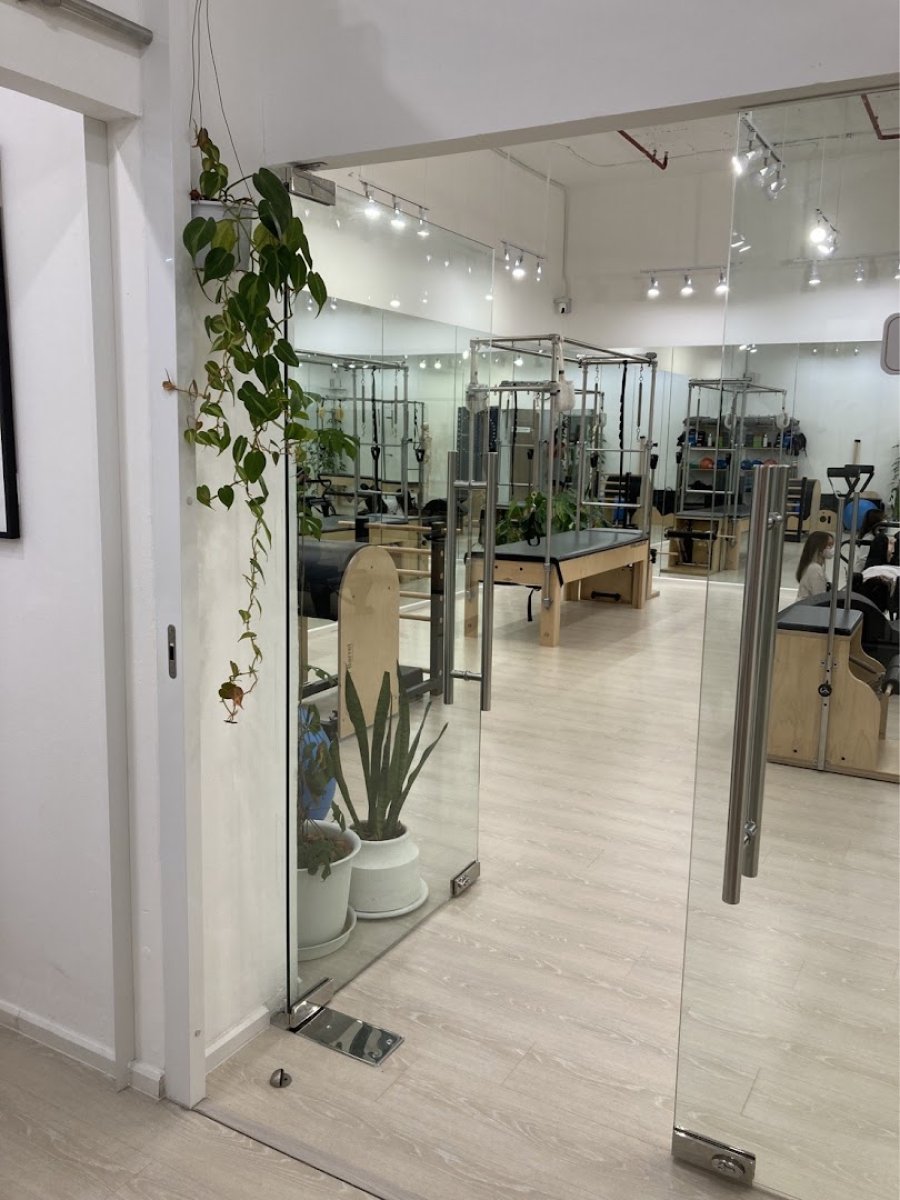
Le Physio Clinic
Obtenga una evaluación médica de tratamiento de Osteoartritis del hombro en Tailandia: haga una consulta con 9 médicos experimentados ahora
Ver todos los médicos
Apisit Rattanatanasarn
El Dr. Apisit Rattanatanasarn es cirujano ortopédico en EDNA Wellness en Bangkok. Se especializa en trastornos del pie y tobillo y en medicina regenerativa. Completó su formación de subespecialización (fellowship) en la Universidad Mahidol, un centro médico académico de primer nivel en Tailandia. El Dr. Rattanatanasarn trata enfermedades degenerativas, lesiones deportivas y afecciones óseas postraumáticas.
- Miembro de la Sociedad Tailandesa de Ortopedia de Pie y Tobillo (THOFAS).
Kantaphong Thongrong
El Dr. PYONG se especializa en técnicas de rehabilitación avanzadas, incluyendo terapias no invasivas para la osteoartritis de hombro en PYONG Rehabilitation Group.
- Certificado por el Consejo Médico de Tailandia en Medicina de Rehabilitación
- Experto en intervenciones guiadas por ultrasonido e hidrodisección para el manejo del dolor
- Dirige el Departamento de Rehabilitación en el Hospital King Mongkut Chaokhunthahan
- Forma a futuros fisiatras en el Instituto de Tecnología King Mongkut de Ladkrabang
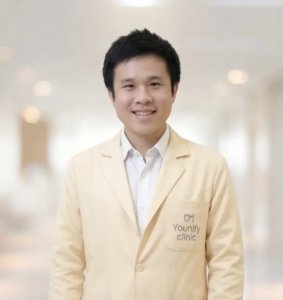
Thanakrit Mongklapaiboon
El Dr. Thanakrit Mongklapaiboon es radiólogo intervencionista del cuerpo. Obtuvo su título de médico con honores de primera clase en la Facultad de Medicina del Hospital Siriraj, Universidad Mahidol, en 2014. Completó la residencia en Radiología Diagnóstica en Siriraj en 2020 y posteriormente una subespecialidad en Radiología Intervencionista del cuerpo.
Su práctica se centra en terapias mínimamente invasivas guiadas por imagen, incluidas la oncología intervencionista y los tratamiento
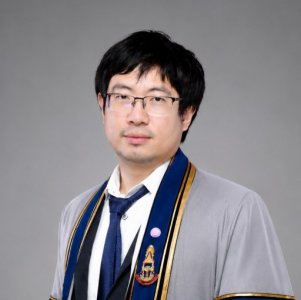
Pongsathron Liengwattanakol
El Dr. Pongsathron Liengwattanakol, M.D., es cirujano ortopédico en el Mali Interdisciplinary Hospital de Bangkok. Obtuvo su M.D. en la Universidad de Thammasat (2007–2013). Completó la residencia en cirugía ortopédica en la Universidad de Thammasat (2016–2021). Anteriormente se desempeñó como médico general y ortopedista en el Hospital Buddhasothorn. También trabajó como cirujano ortopédico en Asia International Hospital.
Sus acreditaciones incluyen certificación por la junta en Medic
Compartir contenido
Historias en video de pacientes de Bookimed
 Olena Sikoza
Preguntas frecuentes sobre el tratamiento de Osteoartritis del hombro en Tailandia
¿Es la terapia con células madre una opción válida para la artrosis de hombro en Tailandia?
La terapia con células madre es una opción no quirúrgica válida para la osteoartritis de hombro de leve a moderada en Tailandia. Los especialistas locales utilizan células mesenquimales autólogas para reducir el dolor y mejorar la función articular. Muchos pacientes eligen este enfoque regenerativo en instalaciones acreditadas por la JCI para retrasar o evitar la cirugía de reemplazo total de articulación.
- Fuentes celulares: Las clínicas suelen ofrecer tratamientos con células madre derivadas de tejido adiposo, médula ósea o cordón umbilical.
- Atención ortopédica experta: Especialistas como el Dr. Pongtep Na Nakorn brindan atención integrada de hombro artroscópica y regenerativa.
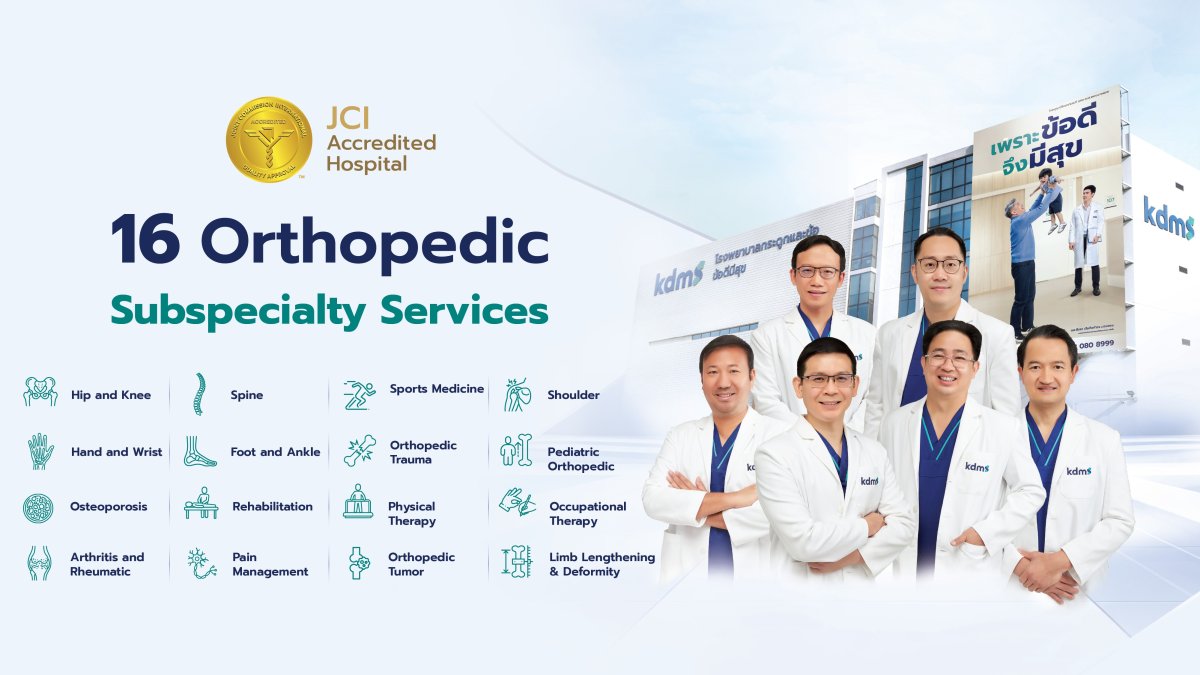
- Instalaciones especializadas: El Hospital Ortopédico Especializado KDMS opera como el primer hospital exclusivo de ortopedia en Tailandia.
- Resultados previstos: El tratamiento se centra en el manejo de los síntomas y la mejora de la movilidad en lugar de proporcionar una cura definitiva.
Perspectiva de expertos de Bookimed: Las señales de calidad de la medicina regenerativa en Tailandia a menudo están ligadas a la especialización de la instalación más que solo a su tamaño. Si bien los grandes hospitales son populares, los centros dedicados como Vega Clinic se enfocan exclusivamente en la terapia con células madre para más de 10 afecciones. Estas clínicas especia
¿Cuándo debería considerar la cirugía en lugar de la fisioterapia u otros tratamientos no quirúrgicos?
La cirugía para la artrosis de hombro se recomienda cuando los tratamientos no quirúrgicos como la fisioterapia o las inyecciones no brindan alivio después de 3 meses. Los especialistas tailandeses recomiendan la cirugía para la degeneración articular avanzada o el daño estructural. Los procedimientos modernos incluyen reemplazo articular mínimamente invasivo y cirugía asistida por robot en Bangkok.
- Fallo del tratamiento: Considere la cirugía después de más de 3 meses de fisioterapia o medicamentos fallidos.
- Degeneración severa: La artrosis avanzada a menudo requiere reemplazo articular cuando el ejercicio no puede restaurar la función.
- Síntomas neurológicos: El entumecimiento o la debilidad crecientes a menudo requieren una consulta quirúrgica inmediata.
- Impacto funcional: El dolor constante que interrumpe el sueño o el trabajo diario indica la necesidad quirúrgica.
Perspectiva del experto de Bookimed: Los datos sugieren que clínicas especializadas como el KDMS Hospital utilizan asistentes robóticos y técnicas mínimamente invasivas para mejorar la precisión. Esta tecnología es particularmente beneficiosa para casos complejos donde las imágenes estándar como los rayos X podrían pasar por alto problemas estructurales sutiles. El Dr. Pongtep Na Nakorn en KDMS se especializa en estos enfoques artroscópicos avanzados para ayudar a preservar
¿Cuáles son los mejores hospitales conocidos para el tratamiento de la artrosis de hombro en Tailandia?
Los mejores hospitales tailandeses para la artrosis de hombro tratan a los pacientes utilizando instalaciones con estándar JCI y centros ortopédicos especializados. Instituciones clave como el KDMS Specialized Orthopedic Hospital y Bumrungrad International brindan intervenciones avanzadas. Estos tratamientos incluyen cirugía asistida por robot, desbridamiento artroscópico y artroplastia total de hombro para la preservación de las articulaciones.
- Instalaciones especializadas: KDMS es el primer hospital de Tailandia dedicado exclusivamente a la ortopedia, tratando a 1.000 pacientes al año.
- Cirujanos expertos: El Dr. Pongtep Na Nakorn se centra específicamente en la cirugía artroscópica de hombro y rodilla.
- Experiencia en artroplastia: El Dr. Pradab Pradasuk en el Hospital Navamin 9 ofrece más de 20 años de experiencia.
- Opciones regenerativas: Clínicas como Vega Clinic ofrecen terapia con células madre para la reparación del cartílago articular.
Perspectiva del experto de Bookimed: El KDMS Specialized Orthopedic Hospital ofrece una ventaja única al operar como un centro ortopédico dedicado en lugar de un hospital general. Este enfoque permite espacios de cotratamiento especializados y un servicio integral para 50 médicos especializados. Los pacientes se benefician de la tecnología de cirugía robótica y diagnósticos de resonancia magnética
¿Qué opciones de tratamiento no quirúrgico para la artrosis de hombro están disponibles en Bangkok?
Bangkok ofrece tratamientos no quirúrgicos avanzados para la artrosis de hombro, incluyendo medicina regenerativa, rehabilitación especializada e intervenciones guiadas por ultrasonido. Los pacientes tienen acceso a terapia de plasma rico en plaquetas (PRP), tratamientos con células madre mesenquimales y técnicas de radiofrecuencia. Estos métodos tienen como objetivo reducir la inflamación articular y restaurar la movilidad sin cirugía invasiva.
- Medicina regenerativa: Vega Clinic ofrece terapias con células madre para mejorar y reparar la biología articular.
- Intervenciones guiadas: El Dr. Kantaphong Thongrong realiza inyecciones guiadas por ultrasonido y técnicas de radiofrecuencia para el dolor crónico.
- Terapia de rehabilitación: Clínicas como Le Physio combinan terapia manual con Pilates clínico para la recuperación.
- Tecnología láser: El láser de alta potencia (HPL) y la estimulación magnética periférica reducen la inflamación durante la fisioterapia.
Perspectiva del experto de Bookimed: Si bien muchas clínicas generales ofrecen fisioterapia, el KDMS Specialized Orthopedic Hospital es la primera instalación de Tailandia dedicada exclusivamente a la ortopedia. Sus espacios de co-tratamiento especializados permiten que 50 médicos coordinen la atención de manera eficiente. Este enfoque a menudo conduce a imágenes más precisas y planes no
¿Cuánto tiempo necesito quedarme en Tailandia para un tratamiento de hombro?
El tratamiento de hombro en Tailandia generalmente requiere de 7 a 14 días para los casos quirúrgicos. Este plazo cubre la consulta especializada, la cirugía y el monitoreo postoperatorio esencial. Las terapias regenerativas no quirúrgicas suelen ser procedimientos ambulatorios. A menudo solo requieren de 2 a 3 días para imágenes e inyecciones.
- Estancia quirúrgica: Planee de 7 a 10 días para incluir controles de heridas y retiro de puntos.
- Monitoreo hospitalario: Los reemplazos de hombro importantes suelen requerir de 3 a 7 noches de atención hospitalaria.
- Cronograma regenerativo: Las inyecciones de células madre o especializadas generalmente se terminan en unos pocos días.
- Seguridad de vuelo: Los cirujanos recomiendan esperar al menos 7 días antes de volar después de la cirugía.
Perspectiva del experto de Bookimed: Los pacientes a menudo pasan por alto la naturaleza especializada de las instalaciones tailandesas como el KDMS Specialized Orthopedic Hospital. Es el primer hospital de Tailandia dedicado exclusivamente a la ortopedia. Elegir un centro dedicado en lugar de un hospital general a menudo agiliza el proceso de rehabilitación. Esto puede reducir días de hospitalización innecesarios a través de espacios de co-tratamiento especializados en el lugar.
Consenso de los pacientes: Los pacientes advierten que via