Dolor de columna en Tailandia: las 4 mejores clínicas para su tratamiento


Revisado médicamente por
Fahad Mawlood
Cómo funciona
¿Cuál es el precio del diagnóstico y los tratamientos de Dolor de columna en Tailandia? Descubra ahora
| Tailandia | España | Turquía | |
|---|---|---|---|
| Ablación por radiofrecuencia de la columna vertebral | ≈ $1,100 / 40,700฿ | de $10,100 / 373,700฿ | ≈ $1,500 / 55,500฿ |
Descubra las mejores clínicas de tratamiento de Dolor de columna en Tailandia: 4 opciones verificadas y Precios




Obtenga una evaluación médica de tratamiento de Dolor de columna en Tailandia: haga una consulta con 14 médicos experimentados ahora
Ver todos los médicos
Dr Phatcharasak Kraisornphongsakul Md

Tanongsak Panyawirunroj
El Dr. Tanongsak Panyawirunroj es un destacado cirujano plástico en el Asia Cosmetic Hospital de Bangkok. Ha realizado más de 15,000 operaciones a lo largo de su carrera. El Dr. Tanongsak se especializa en procedimientos transformadores como la rinoplastia y la cirugía de reasignación sexual. Completó becas en EE. UU., Canadá, Corea del Sur y Taiwán.
- Representante oficial de la Sociedad Coreana de Cirujanos Plásticos.
- Miembro de la Sociedad Internacional de Cirugía Plástica

Kasemsak Pyungtanasup
El Dr. Kasemsak Pyungtanasup es cirujano plástico y general en el Hospital Wansiri de Bangkok. Se especializa en cirugía mamaria, rinoplastia y contorno corporal. El Dr. Kasemsak completó su formación en oncología quirúrgica y cirugía robótica en The Valley Health System en EE. UU. También realizó observaciones en microcirugía y atención de paladar hendido en el Beaumont Health System en Michigan.
- Realiza procedimientos especializados como liposucción Vaser, abdominoplastia e impla
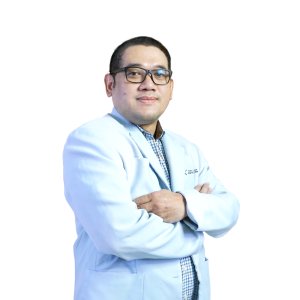
Thanakom Laisakul
El Dr. Thanakom Laisakul es cirujano plástico en el Asia Cosmetic Hospital de Bangkok. Es miembro de la Sociedad Internacional de Cirugía Plástica Estética (ISAPS). Se especializa en estética mamaria, contorno corporal y rejuvenecimiento facial. El Dr. Laisakul se formó en la Universidad Mahidol y ocupó un cargo directivo en el Hospital Trang.
- Posee certificaciones de la Junta de Cirugía Plástica y General del Consejo Médico Tailandés.
- Completó formación quirúrgica y becas
Compartir contenido
Historias en video de pacientes de Bookimed
 Olena Sikoza
Preguntas frecuentes sobre el tratamiento de Dolor de columna en Tailandia
¿Están calificados los cirujanos de columna tailandeses?
Los cirujanos de columna tailandeses son profesionales altamente calificados que poseen certificaciones del Consejo Médico de Tailandia. Muchos completan becas en instituciones prestigiosas como el International Neuroscience Institute en Alemania. Se especializan en técnicas endoscópicas avanzadas y cirugías asistidas por robot dentro de instalaciones acreditadas por la JCI.
- Formación internacional: Los cirujanos a menudo se forman en Alemania, Italia o los Estados Unidos.
- Experiencia especializada: El Dr. Pongwat Polpong ha realizado más de 2,000 procedimientos quirúrgicos.
- Certificaciones avanzadas: Los médicos poseen diplomas en Medicina de Rehabilitación y Cirugía Ortopédica de Columna.
- Innovación clínica: Las clínicas utilizan entrenamiento robótico de la marcha y exoesqueletos portátiles para caminar sobre el suelo.
Opinión del experto de Bookimed: Los datos muestran que los mejores especialistas tailandeses a menudo ocupan cargos simultáneos en clínicas privadas premium y grandes hospitales universitarios. El Dr. Kantaphong Thongrong, por ejemplo, lidera un grupo privado mientras se desempeña como jefe de departamento hospitalario. Los pacientes pueden acceder a la misma experiencia quirúrgica de élite en diferentes niveles de instalaciones en Bangkok.
Consenso de los pacientes: Los pacientes señalan que l
¿Qué tipos de tratamientos para el dolor de columna están disponibles en Tailandia?
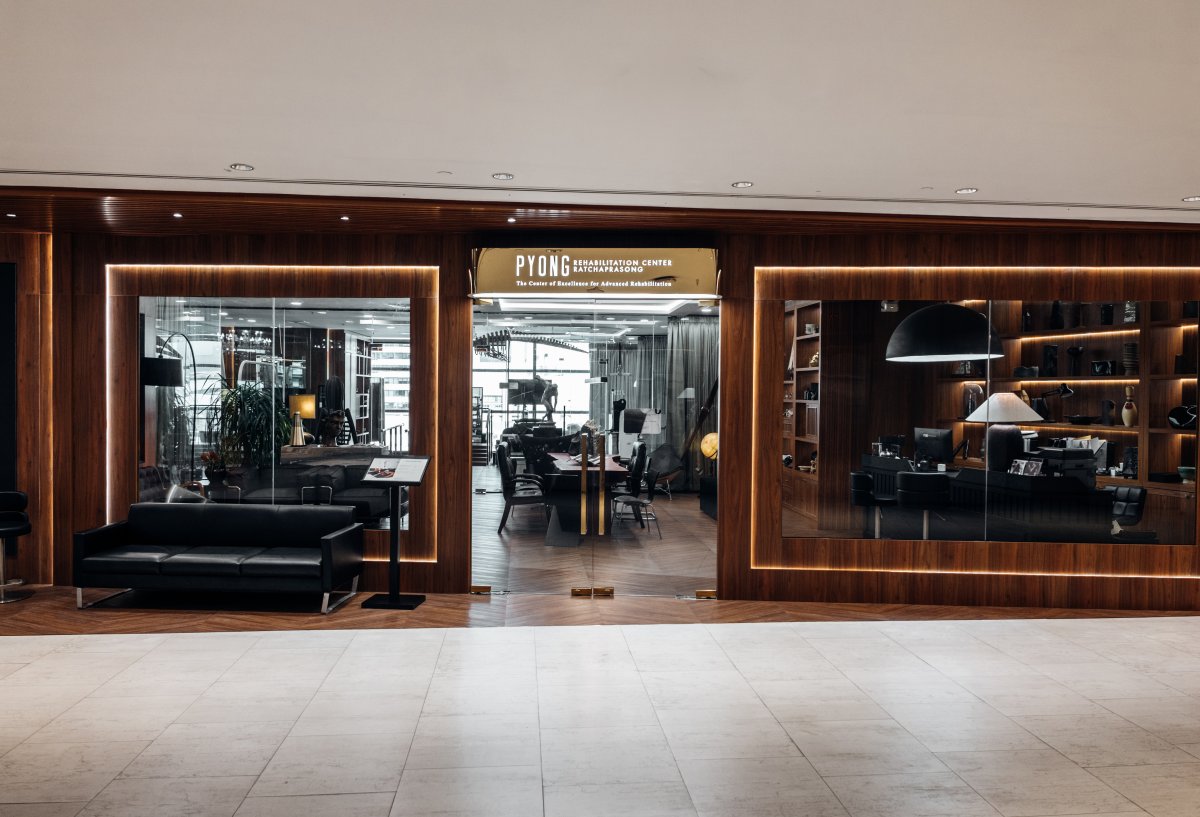
Los tratamientos de columna en Tailandia incluyen cirugías mínimamente invasivas y rehabilitación avanzada. Los pacientes acceden a discectomía lumbar endoscópica percutánea, fusión espinal y ablación por radiofrecuencia. Hospitales acreditados por JCI y centros especializados como el PYONG Rehabilitation Group ofrecen entrenamiento de marcha robótico, terapia con células madre e intervenciones para el dolor guiadas por ultrasonido.
- Procedimientos quirúrgicos: Los neurocirujanos realizan discectomías endoscópicas, descompresión espinal y fusiones espinales complejas.
- Rehabilitación avanzada: Las clínicas usan exoesqueletos robóticos y terapia cognitiva basada en RV para lesiones espinales.
- Medicina regenerativa: La clínica Vega ofrece terapia con células madre para reparación articular y longevidad.
- Gestión precisa del dolor: Los especialistas utilizan estimulación magnética transcraneal y técnicas de radiofrecuencia para dolor crónico.
Perspectiva del experto de Bookimed: Las instalaciones médicas tailandesas a menudo cierran la brecha entre la atención quirúrgica y la conservadora. Por ejemplo, el Dr. Pongwat Polpong ha sido pionero en procedimientos endoscópicos en centros importantes. Esta especialización permite a los pacientes elegir opciones mínimamente invasivas que requieren menos noches de hospital. Muchos centros como el PYON
¿Existen alternativas a la cirugía de espalda abierta tradicional en Tailandia?
Las alternativas avanzadas a la cirugía abierta tradicional en Tailandia incluyen la cirugía de columna mínimamente invasiva (MISS) y técnicas endoscópicas. Las instalaciones modernas utilizan navegación robótica y herramientas especializadas como la discectomía lumbar endoscópica percutánea. Estos métodos utilizan pequeñas incisiones. Los cortes más pequeños reducen el daño muscular y aceleran su regreso a la actividad.
- Cirugía endoscópica: Los cirujanos utilizan pequeñas cámaras para tratar hernias discales con mínima alteración del tejido.
- Ablación por radiofrecuencia: Este procedimiento utiliza calor para desactivar los nervios que causan dolor espinal crónico.
- Navegación robótica: Los sistemas guiados por computadora aumentan la precisión durante fusiones espinales complejas o colocación de hardware.
- Medicina regenerativa: La terapia con células madre y la reparación articular ofrecen opciones no quirúrgicas para la regeneración de discos.
Perspectiva del experto de Bookimed: Los especialistas en columna vertebral tailandeses a menudo cierran la brecha entre la rehabilitación y la cirugía. El Dr. Kantaphong Thongrong del PYONG Rehabilitation Group combina el entrenamiento de la marcha robótico con terapia láser. Este enfoque permite a los pacientes recuperar la movilidad sin procedimientos invasivos. Los datos muestran que los cent
¿Cuánto tiempo debo planear quedarme en Tailandia después de una cirugía de columna?
Los pacientes deben planear quedarse en Tailandia entre 7 y 21 días después de una cirugía de columna. Este plazo garantiza una recuperación segura antes de los vuelos de larga distancia. Los procedimientos menores como la microdiscectomía requieren aproximadamente 10 días a nivel local. Las cirugías complejas como la fusión espinal a menudo requieren de 14 a 21 días para monitoreo.
- Estancia hospitalaria: Espere de 1 a 7 días de atención hospitalaria dependiendo de la complejidad quirúrgica.
- Autorización de viaje: Los cirujanos suelen retirar los puntos y dar el alta para volar alrededor del día 14.
- Técnica quirúrgica: Los procedimientos mínimamente invasivos como la discectomía lumbar endoscópica a menudo permiten una autorización de viaje más temprana.
- Periodo de seguimiento: La mayoría de los centros especializados recomiendan un protocolo de seguimiento de 3 meses después de regresar a casa.
Perspectiva del experto de Bookimed: Los especialistas en columna tailandeses como el Dr. Pongwat Polpong a menudo utilizan técnicas endoscópicas para reducir el tiempo de recuperación. Aunque los pacientes internacionales suelen planificar estancias de 2 semanas, la discectomía lumbar endoscópica a veces puede permitir el alta en 24 horas. Elegir un centro enfocado en la neurorehabilitación, como PYONG Rehabilitation Group, ayuda a controlar el
¿Cuál es el proceso de curación esperado para una herida quirúrgica de columna?
Las heridas quirúrgicas de la columna vertebral suelen lograr la curación superficial de la piel en un plazo de 14 días. Los especialistas tailandeses suelen utilizar la discectomía lumbar endoscópica percutánea para minimizar el traumatismo tisular. Si bien la piel se cierra rápidamente, la recuperación nerviosa más profunda o la fusión ósea requieren de 6 a 24 meses para una estabilización y alivio completos.
- Fase hospitalaria: La mayoría de los pacientes permanecen de 1 a 3 días para monitoreo y movilización.
- Cierre inicial: Los sitios de incisión generalmente sanan y las suturas se retiran en un plazo de 10 a 14 días.
- Límites de actividad: Evite agacharse, girar o levantar más de 10 libras (aprox. 4.5 kg) durante 4 a 6 semanas.
- Curación profunda: La fusión ósea completa y la regeneración nerviosa pueden tardar de 12 a 24 meses.
Opinión experta de Bookimed: Tailandia es un centro importante para el cuidado de la columna vertebral, atendiendo a más de 2,000 pacientes anualmente a través de nuestra plataforma. Clínicas como PYONG Rehabilitation Group se especializan en combinar el entrenamiento robótico de la marcha con el manejo del dolor. Elegir una instalación con neurorrehabilitación integrada garantiza que su recuperación transcurra sin problemas desde la cirugía hasta el fortalecimiento muscular funcional.
Consenso
¿Qué hospitales en Tailandia son los mejores para cirugía de columna y tratamiento del dolor?
Tailandia cuenta con centros acreditados por la JCI como Bumrungrad International y Bangkok Hospital, especializados en cirugía de columna mínimamente invasiva (MISS). Estas instalaciones utilizan endoscopios 4K y navegación robótica. Clínicas especializadas como PYONG Rehabilitation Group también ofrecen un control preciso del dolor mediante entrenamiento robótico de la marcha y tecnología de neuromodulación.
- Tecnología especializada: Los centros utilizan endoscopios 4K y navegación con brazo en O para una precisión de tornillo del 100%.
- Control del dolor: PYONG Rehabilitation Group ofrece estimulación magnética transcraneal y terapia de marcha asistida por robot.
- Experiencia quirúrgica: El Dr. Pongwat Polpong ha realizado más de 2,000 procedimientos neuroquirúrgicos y regenerativos de columna.
- Enfoque en la recuperación: Los equipos multidisciplinarios priorizan la atención holística no quirúrgica y las técnicas de rehabilitación avanzadas.
Opinión experta de Bookimed: Si bien marcas de lujo como Bumrungrad tratan a más de 12,000 pacientes de columna al año, los centros especializados más pequeños ofrecen ventajas únicas. Nuestros datos muestran que proveedores especializados como PYONG Rehabilitation utilizan terapia cognitiva basada en realidad virtual y TMS para el dolor neurológico complejo. Para problemas degenerativos estándar,
¿Cuándo debo regresar al hospital después del alta si todavía estoy en Tailandia?
Regrese inmediatamente a un hospital tailandés si experimenta síntomas de alerta dentro de las 72 horas posteriores al alta. Estos incluyen debilidad repentina en las piernas, pérdida del control de la vejiga o fiebre alta. Busque atención urgente para cambios en la herida, como pus o enrojecimiento, para prevenir infecciones graves después de un tratamiento de columna.
- Cambios neurológicos: Regrese ante cualquier entumecimiento, hormigueo o caída del pie nuevos.
- Signos de infección: Busque atención por fiebre alta o escalofríos persistentes.
- Integridad de la herida: Vigile si hay drenaje abundante o apertura de la incisión.
- Dificultad respiratoria: Diríjase a la sala de emergencias más cercana si tiene falta de aire.
- Tiempo de seguimiento: Los pacientes de alto riesgo deben asistir a las revisiones programadas dentro de las 48 horas.
Opinión de los expertos de Bookimed: Las instalaciones médicas tailandesas, como el PYONG Rehabilitation Group, a menudo ofrecen apoyo de conserjería multilingüe para ayudar a los pacientes internacionales a navegar la atención posterior al alta. Este recurso es vital porque los grandes centros de Bangkok mantienen sus registros electrónicos completos. Si experimenta un dolor estable pero persistente, nuestros datos muestran que seguir el plan de alta específico de su cirujano sue