Síndrome Tratamiento en Tailandia — Costos 2026


Revisado médicamente por
Fahad Mawlood
¿Cuál es el precio del diagnóstico y los tratamientos de Síndrome en Tailandia? Descubra ahora
Sus beneficios y garantías con Bookimed
Precios directos
Bookimed no añade cargos extra a los precios de los tratamientos de Síndrome. Las tarifas proceden de las listas de precios oficiales de las clínicas. Pagará directamente en la clínica por su tratamiento a su llegada al país.
Sólo clínicas y médicos verificados
Bookimed está comprometido con su seguridad. Solo trabajamos con las clínicas que mantienen altos estándares internacionales en el tratamiento de Síndrome y cuentan con las licencias necesarias para atender a pacientes internacionales en todo el mundo.
Asistencia 24/7 gratuita
Bookimed ofrece asistencia experta gratuita. Un coordinador médico personal le apoya antes, durante y después de su tratamiento, resolviendo cualquier problema. Nunca estará solo en su viaje médico de tratamiento de Síndrome.

Su coordinador médico personal de Bookimed
- Le apoya en cada etapa
- Ayuda a elegir la clínica y el médico adecuados
- Asegura un acceso rápido y conveniente a la información
Descubra las mejores clínicas de tratamiento de Síndrome en Tailandia: 1 opciones verificadas y Precios
Obtenga una evaluación médica para Síndrome en Tailandia: consulte con doctores experimentados ahora
Ver todos los médicos
Chollawat Thongthaisin
Especializado en Medicina Regenerativa con formación del American Board of Regenerative Medicine. El Dr. Thongthaisin dirige la investigación de células madre y las consultas en Vega Wellness.
- Ejerce en el Hospital Jomtien, parte del grupo hospitalario privado más grande de Tailandia
- Residencia en Radiología en la Universidad de Thammasat
- Se centra en procedimientos antienvejecimiento y de cirugía plástica
- Proporciona consultas expertas en Medicina Regenerativa
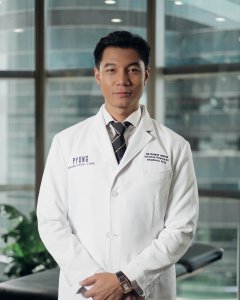
Kantaphong Thongrong
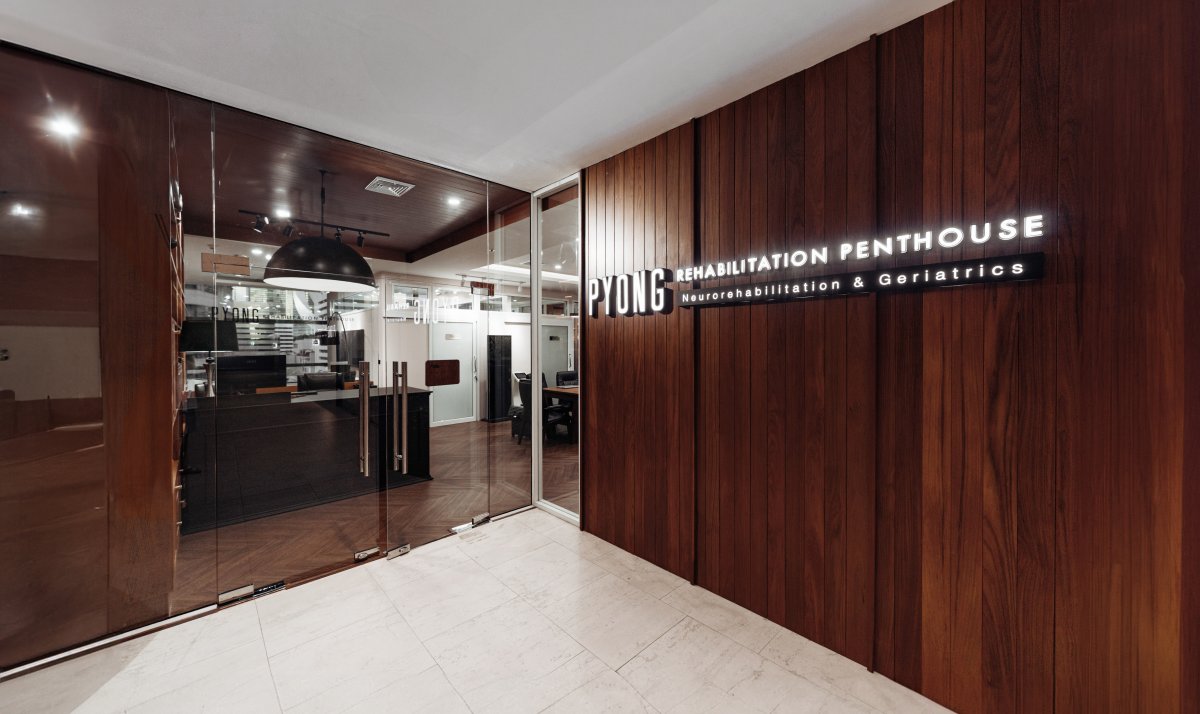
El Dr. PYONG, fisiatra certificado, integra robótica avanzada y diseño centrado en el paciente para mejorar la neurorrehabilitación y el manejo del dolor crónico en PYONG Rehabilitation Group.
- Jefe del Departamento de Rehabilitación en el Hospital King Mongkut Chaokhunthahan
- Especializado en entrenamiento de la marcha con robótica y exoesqueletos portátiles
- Realiza investigación clínica sobre la recuperación de accidentes cerebrovasculares utilizando tecnologías avanzadas
- Instructor en el Instituto de Tecnología del Rey Mongkut de Ladkrabang
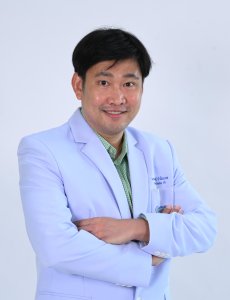
chutichate Pawaropart
El Dr. Chutichate Pawaropart es oftalmólogo con 22 años de experiencia. Tiene una subespecialidad en neuro-oftalmología. Ejerce en el Hospital Navamin9 en Bangkok. Habla inglés, tailandés y francés.
Acreditaciones y formación: MD por la Facultad de Medicina de la Universidad de Chulalongkorn. Certificado en Oftalmología, Facultad de Medicina, Universidad de Chulalongkorn. Formación de subespecialidad en Neuro-oftalmología, Universidad de la Sorbona, París, Francia.
Enfoque clíni
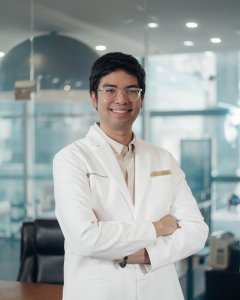
Somjet Tosamran
El Dr. Tosamran se especializa en neurología con una subespecialización (fellowship) en epilepsia en el King Chulalongkorn Memorial Hospital.
- Neurólogo certificado con formación avanzada en epilepsia
- Residencia completada en el King Chulalongkorn Memorial Hospital
- Título con honores de la Universidad de Chulalongkorn
- Maestría en medicina interna
Compartir contenido
Historias en video de pacientes de Bookimed
 Olena Sikoza
Preguntas frecuentes sobre el tratamiento de Síndrome en Tailandia
¿Son seguros y están calificados los hospitales privados y los médicos de Tailandia para el tratamiento de síndromes internacionales?
Los hospitales privados de Tailandia son seguros para el tratamiento de síndromes internacionales. Instalaciones como el Grupo de Rehabilitación PYONG ofrecen neurorrehabilitación especializada. Los médicos tailandeses a menudo poseen certificaciones internacionales, como la del American Board of Regenerative Medicine. Los centros acreditados por la JCI garantizan los estándares médicos occidentales para afecciones complejas.
- Formación especializada: Los médicos a menudo se forman en EE. UU., Francia o el Reino Unido.
- Tecnología avanzada: Las clínicas utilizan entrenamiento robótico de la marcha y terapia cognitiva basada en realidad virtual.
- Supervisión reglamentaria: El Consejo Médico de Tailandia otorga licencias a todo el personal médico en ejercicio.
- Apoyo internacional: Muchos centros ofrecen servicios de conserjería multilingüe para pacientes extranjeros.
Opinión del experto de Bookimed: Si bien muchos eligen Tailandia por su eficiencia, el valor real radica en la concentración de talentos especializados en Bangkok. Por ejemplo, el Dr. Kantaphong Thongrong del Grupo de Rehabilitación PYONG combina la neurorrehabilitación robótica con exoesqueletos portátiles. Este nivel de tecnología es a menudo más accesible aquí que en muchos sistemas de salud públicos occidentales. Encontrar una clínica dirigida por especialistas en su síndrom
¿Qué síndromes se tratan comúnmente en los principales hospitales tailandeses?
Los principales hospitales tailandeses se especializan en tratar síndromes neurológicos, cardiovasculares y musculoesqueléticos complejos. Estos centros utilizan entrenamiento de marcha robótico e imágenes avanzadas para gestionar la recuperación de accidentes cerebrovasculares, epilepsia y enfermedad de las arterias coronarias. Las instalaciones acreditadas en Bangkok también brindan cuidados intensivos para oncología, enfermedades infecciosas y síndromes de recuperación post-COVID.
- Trastornos neurológicos: Los especialistas tratan la epilepsia, Alzheimer, Parkinson y lesiones cerebrales crónicas.
- Cuidado cardíaco: Los hospitales manejan la fibrilación auricular y la insuficiencia cardíaca usando monitoreo Holter.
- Tecnología de rehabilitación: El PYONG Rehabilitation Group utiliza entrenamiento de marcha robótico para la recuperación de accidentes cerebrovasculares.
- Medicina regenerativa: Clínicas como la Vega Clinic ofrecen terapias de células madre y longevidad.
Perspectiva del experto de Bookimed: La infraestructura médica tailandesa refleja una tendencia creciente hacia centros de rehabilitación especializados en lugar de solo hospitales generales. Por ejemplo, el PYONG Rehabilitation Group se centra exclusivamente en la neurorrehabilitación y recuperación de accidentes cerebrovasculares con solo 13 médicos dedicados. Este nivel de
¿Por qué Tailandia se considera un destino principal para el cuidado de síndromes internacionales?
Tailandia ofrece atención integral de síndromes a través de instalaciones acreditadas por la JCI que se especializan en neurorehabilitación y medicina regenerativa. Los pacientes internacionales acceden a especialistas formados en el extranjero y a tecnologías avanzadas como el entrenamiento de marcha robótica. El país combina protocolos de diagnóstico de alta velocidad con atención especializada para condiciones crónicas o difíciles de diagnosticar.
- Tecnología especializada: Las clínicas utilizan entrenamiento de marcha robótica y terapia basada en realidad virtual para la neurorehabilitación.
- Credenciales de expertos: Cirujanos como el Dr. Chutichate Pawaropart se formaron en instituciones como la Universidad de la Sorbona.
- Medicina regenerativa: Médicos con licencia proporcionan tratamientos con células madre y terapias antienvejecimiento.
- Apoyo al paciente: Instalaciones como PYONG Rehabilitation Group ofrecen servicios de conserjería multilingües.
Perspectiva del experto de Bookimed: Los centros médicos tailandeses a menudo integran diversas especialidades dentro de un solo grupo para gestionar síndromes multifacéticos. Por ejemplo, los médicos de Vega Clinic combinan la medicina regenerativa con experiencia en ortopedia y neurología. Este enfoque multidisciplinario permite a los pacientes abordar síntomas complejos durante una sol
¿Existen servicios de seguimiento fiables para pacientes internacionales tras el alta?
Los hospitales tailandeses proporcionan un seguimiento fiable a través de departamentos dedicados a pacientes internacionales y telemedicina. Las instalaciones ofrecen acceso digital a registros médicos y consultas remotas. Los equipos coordinan los chequeos locales de enfermería o especialistas. Los pacientes reciben resúmenes detallados del alta e imágenes para la continuidad con los médicos en su país de origen.
- Apoyo internacional: Equipos de conserjería gestionan la logística y las consultas post-alta para pacientes extranjeros.
- Servicios de telemedicina: Los hospitales utilizan videollamadas y correo electrónico para revisiones remotas de medicación.
- Documentación médica: Los pacientes reciben notas completas de los procedimientos e imágenes para especialistas en su país.
- Coordinación especializada: El personal multilingüe realiza un seguimiento de los resultados de las pruebas pendientes después de que los pacientes abandonan Tailandia.
Perspectiva del experto de Bookimed: Los centros especializados, como PYONG Rehabilitation Group, priorizan la continuidad utilizando datos de entrenamiento de marcha robótica. Esta información permite a los terapeutas en casa seguir el progreso con precisión. Elegir instalaciones con un apoyo de conserjería internacional específico garantiza que las transiciones de recuperación permanezcan docume