Implante dental guiado por ordenador en Tailandia — encuentre las 3 mejores clínicas con costos


Revisado médicamente por
Fahad Mawlood
Cómo funciona
¿Cuál es el precio de Implante dental guiado por ordenador en Tailandia? Descubra ahora
De $1,300 / 48,100฿. Los precios varían según la clínica, la experiencia del dentista, la cantidad de implantes y el uso de planificación digital avanzada. En Estados Unidos, el costo promedio es de $5,400 / 199,800฿ (según AAOMS). Esto significa que se puede ahorrar aproximadamente un 76% eligiendo Tailandia para este procedimiento.
Las clínicas tailandesas suelen incluir la consulta inicial, la evaluación preoperatoria, radiografías digitales o escaneos 3D, un plan de tratamiento personalizado, la planificación guiada por computadora, el procedimiento quirúrgico, la medicación postoperatoria, las instrucciones de cuidado, las visitas de seguimiento y el apoyo en inglés. En Estados Unidos, muchos de estos servicios se facturan por separado, especialmente los escaneos, la planificación y el seguimiento. Siempre confirmar exactamente qué cubre el paquete con la clínica.
Beneficios clave
- Obtenga un implante dental asistido por computadora en Tailandia a un 40-60% menos que en EE.UU.
- Principales marcas de implantes: Nobel Biocare®, Straumann®, y Zimmer Biomet®.
- Revisión gratuita de fotos por un médico para determinar la mejor opción de implante dental para usted.
- Garantía disponible en ofertas selectas.
- Ofertas exclusivas de clínicas tailandesas de confianza de $1,300.
| Tailandia | España | Estados Unidos | |
|---|---|---|---|
| Implante dental guiado por ordenador | de $1,300 / 48,100฿ | ≈ $1,200 / 44,400฿ | ≈ $4,200 / 155,400฿ |
| Implantes dentales guiados por ordenador All-on-6 | de $10,000 / 370,000฿ | ≈ $15,000 / 555,000฿ | ≈ $18,500 / 684,500฿ |
| Implantes dentales guiados por ordenador All-on-4 | de $8,000 / 296,000฿ | ≈ $14,000 / 518,000฿ | ≈ $17,500 / 647,500฿ |
Descubra las mejores clínicas de Implante dental guiado por ordenador en Tailandia: 8 opciones verificadas y Precios
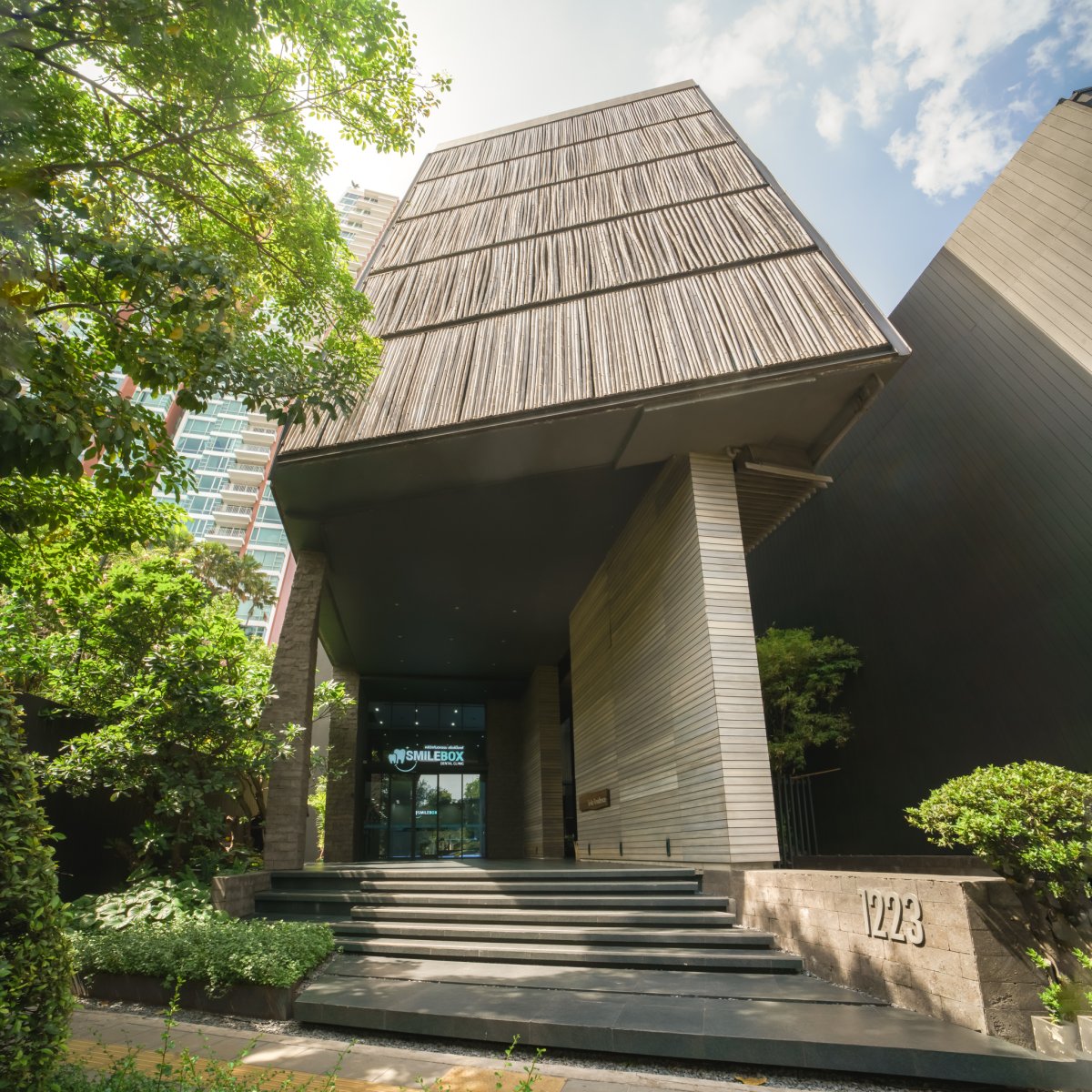






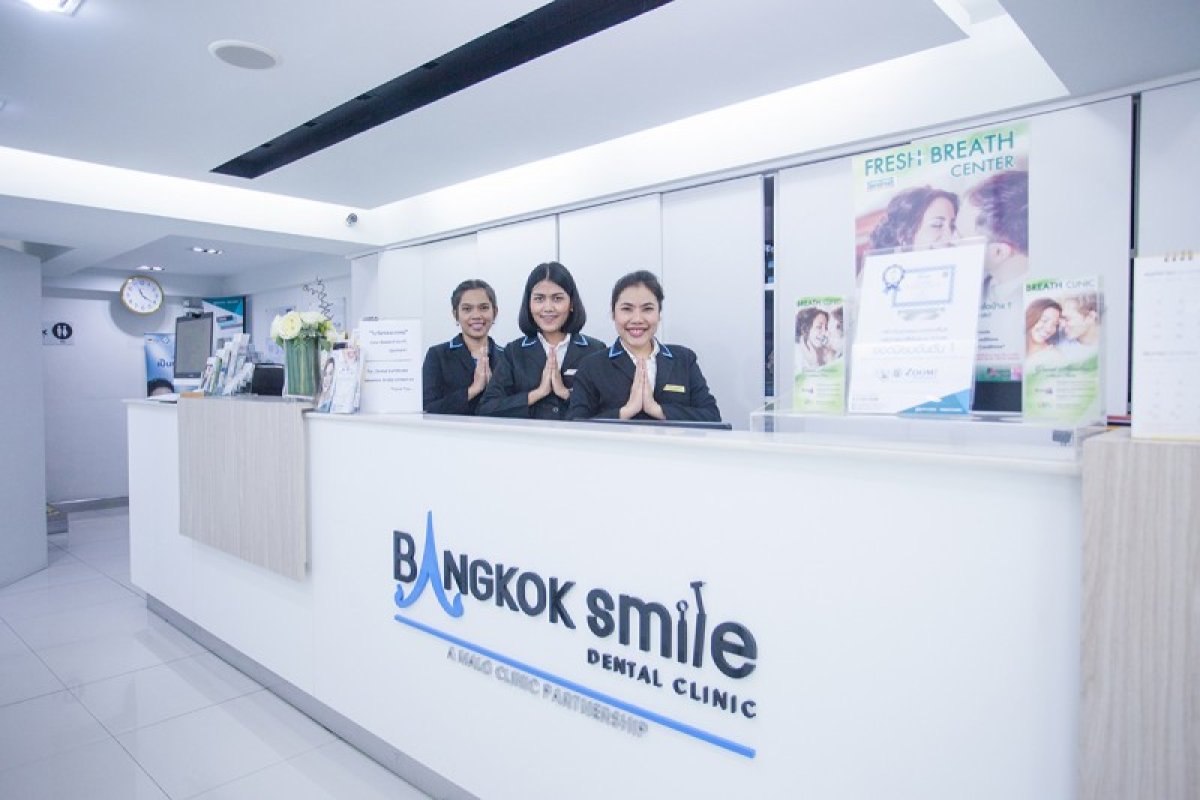

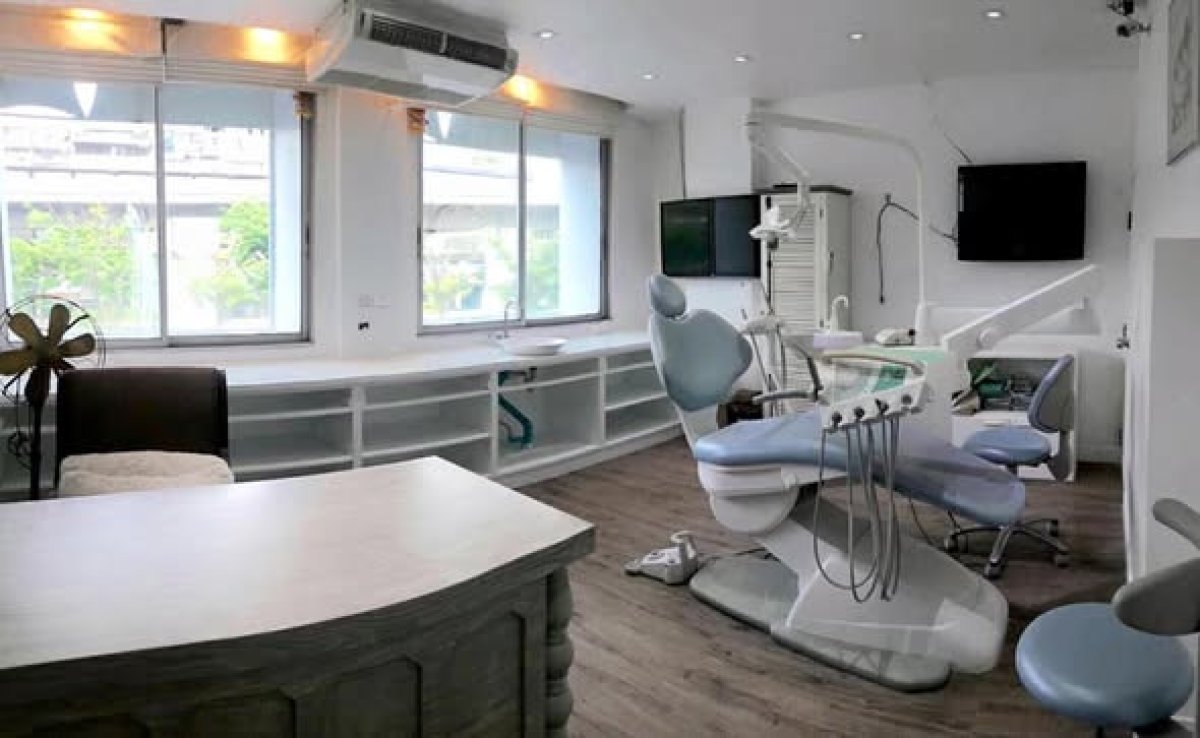
Bangkok Dental Hospital (Silom Dental Building) / Bangkok Dental Hospital Co., Ltd

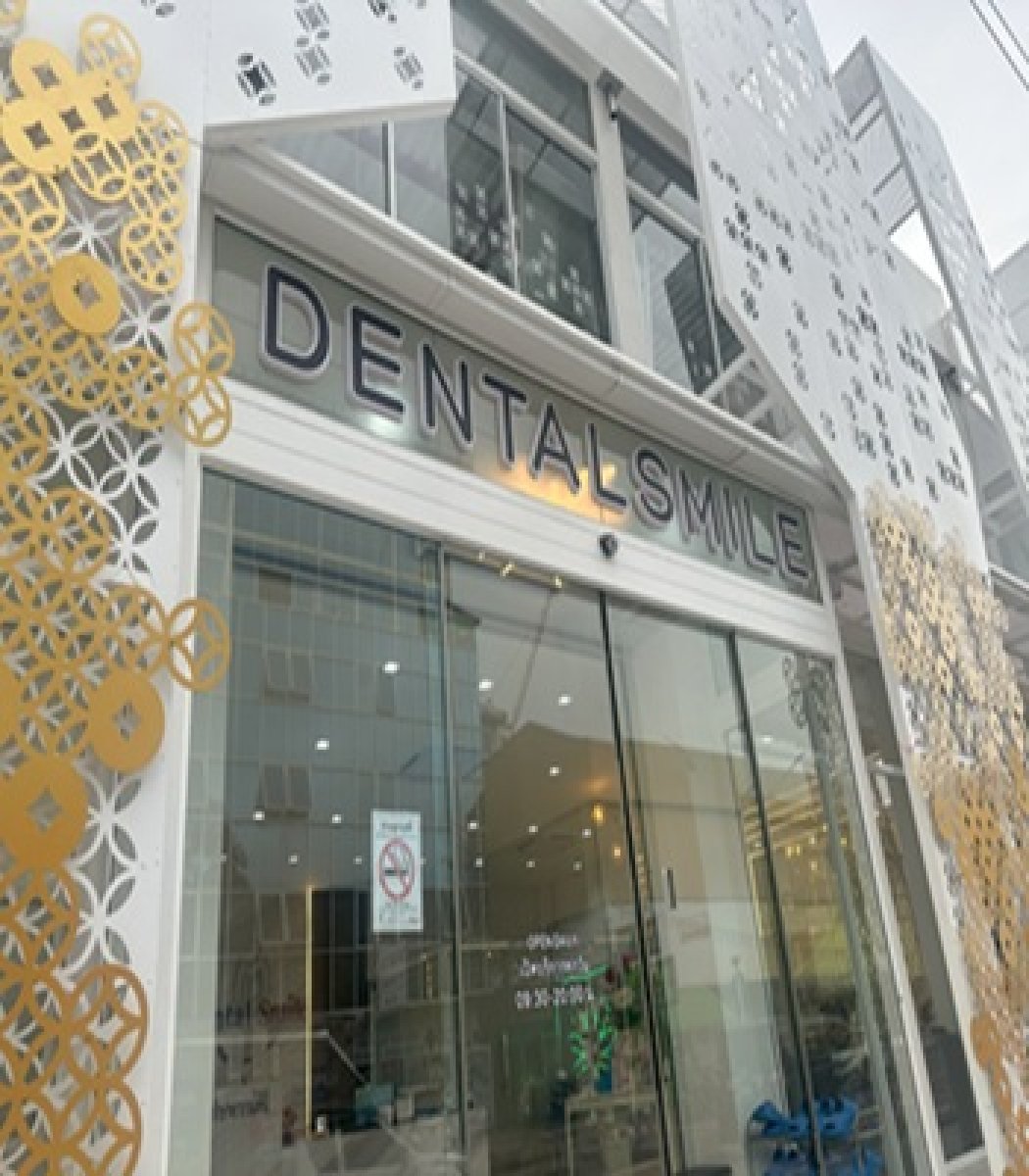
Dental Smile Pattaya


Descripción general de Implante dental guiado por ordenador en Tailandia
- Esta terapia reemplaza los dientes perdidos utilizando cuatro implantes y un software avanzado, lo que garantiza resultados precisos, duraderos y estéticos.
- Implantes dentales guiados por ordenador All-on-6 - de $10,000Esta terapia implica la planificación digital para colocar seis implantes, lo que ayuda a la precisión, reduce el tiempo de recuperación y mejora la función dental.
- Implante dental guiado por ordenador - de $1,300Esta terapia utiliza precisión guiada por computadora para colocar implantes dentales, lo que mejora la precisión, la seguridad y los resultados.
Día 1
- Llegada al aeropuerto.
- Traslado al hotel.
- Descanso y aclimatación.
Dia 2
- Consulta con un cirujano dentista.
- Detallando el procedimiento de implante dental asistido por computadora.
- Realización de las pruebas médicas necesarias.
Día 3
- Preparación para la cirugía, incluidas las instrucciones de higiene bucal.
- Procedimientos adicionales si es necesario en base a los resultados de las pruebas.
Día 4
- Cirugía de implantes dentales asistida por ordenador (alrededor de 2-3 horas).
- Se utiliza anestesia local.
- Seguimiento postoperatorio en la clínica.
Dia 5
- Instrucciones de control y cuidados postoperatorios.
- Descanso y recuperación en el hotel.
Semana 1-2
- Visita de seguimiento a la clínica para retiro de puntos.
- Reanudación lenta de la dieta y actividades regulares.
Semana 3-4
- Volver al trabajo.
- Regreso gradual a los deportes y otras actividades.
Semana 5-6
- Los resultados finales son visibles y el implante completamente funcional.
Nota: Cada caso es diferente y el cronograma puede variar según la tasa de recuperación individual y la complejidad del procedimiento.
- Depósito de Bookimed: 200 $ o 200 €.
- Depósito de la clínica: Pague un porcentaje fijo por adelantado.
Obtenga una evaluación médica para Implante dental guiado por ordenador en Tailandia: Elija su especialista entre los mejores en el campo
Ver todos los médicos
Pawak Tungthangthum
El Dr. Pawak Tungthangthum cuenta con más de _doctor_2034_ años de experiencia especializada en implantes dentales, formado en implantología avanzada en la UCLA.
- Jefe del Departamento de Odontología en el Hospital Bangkok Chiang Mai
- Miembro del Congreso Internacional de Implantólogos Orales
- Formado en odontología restauradora estética e implantes en la Universidad de Chulalongkorn
- Especializado en técnicas de implantes asistidas por computadora para una colocación precisa

Akarapat Rattananon
Especializado en implantes dentales asistidos por computadora con certificaciones de las mejores universidades tailandesas y programas de capacitación globales.
- Certificado en cirugía avanzada de implantes dentales por la Universidad Thammasat
- Entrenado en técnicas All-on-4 y All-on-6 por Neodent
- Posee un certificado en el curso de maestría en implantes de Osstem AIC
- Experto en procedimientos protésicos mínimamente invasivos
Historias en video de pacientes de Bookimed
Reseñas
Todas las reseñas

Compartir contenido
 Olena Sikoza
Preguntas frecuentes sobre Implante dental guiado por ordenador en Tailandia
¿Qué se incluye normalmente en un paquete de implantes guiados por computadora en Tailandia?
Un paquete de implantes dentales guiados por computadora en Tailandia generalmente incluye imágenes CBCT 3D, planificación de tratamiento digital mediante tecnología CAD/CAM y la fabricación de una guía quirúrgica personalizada. Estos paquetes también cubren el poste del implante, el pilar, la corona permanente, la anestesia local y todos los cuidados de seguimiento postoperatorios necesarios.
- Diagnóstico digital: Incluye escaneos CBCT 3D de alta resolución para mapear la densidad ósea y las posiciones de los nervios.
- Guías quirúrgicas: Las plantillas impresas en 3D personalizadas aseguran una colocación precisa del implante en el ángulo exacto planificado.
- Hardware premium: Los paquetes cuentan con marcas internacionales como Straumann, Osstem o Neodent para una fiabilidad a largo plazo.
- Componentes restaurativos: La mayoría de los paquetes incluyen una corona de cerámica o circonio hecha a medida y el pilar necesario.
Perspectiva del experto de Bookimed: Los datos de clínicas tailandesas líderes como Kitcha Dental y SOL Dental revelan una tendencia en la que los paquetes por debajo de $1,300 a menudo excluyen la corona final o utilizan materiales de nivel básico. Los centros mejor valorados frecuentemente incluyen garantías de por vida en los implantes Straumann, lo que justifica la inversión para pacientes internacional
¿Cuáles son los principales beneficios de la cirugía guiada por computadora sobre los métodos tradicionales?
La cirugía guiada por computadora proporciona una precisión superior mediante el uso de imágenes 3D y software especializado para mapear la anatomía del paciente antes del procedimiento. Esta tecnología mejora la precisión del implante hasta en un 40% en comparación con los métodos tradicionales a mano alzada, asegurando una colocación óptima mientras se protegen los nervios y senos paranasales vitales en Tailandia.
- Precisión quirúrgica mejorada: La planificación 3D reduce las desviaciones lineales y angulares durante la colocación del implante en un 40%.
- Enfoque mínimamente invasivo: Las hojas de ruta digitales precisas a menudo permiten procedimientos sin colgajo con incisiones quirúrgicas más pequeñas.
- Tiempo de recuperación más rápido: Los pacientes generalmente regresan a sus actividades normales dentro de las 24 a 48 horas posteriores al procedimiento.
- Reducción del riesgo de complicaciones: Los escaneos CBCT detallados ayudan a los cirujanos a evitar vasos sanguíneos y canales nerviosos críticos.
Perspectiva del experto de Bookimed: Si bien muchas clínicas ofrecen implantes estándar, centros como la Clínica Dental SOL en Bangkok se asocian con Dentsply Sirona para garantizar flujos de trabajo digitales especializados. Estas configuraciones de alta tecnología son particularmente vitales para casos complejos de All-on-4 o All-on-6,
¿Quién es un buen candidato para esta tecnología en Tailandia?
Los candidatos ideales para implantes dentales asistidos por computadora en Tailandia incluyen pacientes con pérdida ósea severa, anatomía mandibular atípica o aquellos que requieren reemplazo de múltiples dientes. Esta tecnología guiada por 3D es esencial para casos donde el posicionamiento preciso del implante es crítico para evitar daños nerviosos o complicaciones sinusales, asegurando al mismo tiempo el éxito estético y funcional a largo plazo.
- Anatomía compleja: Pacientes con densidad ósea limitada que requieren un mapeo prequirúrgico preciso y evitar los senos paranasales.
- Reemplazos múltiples: Personas que se someten a procedimientos All-on-4 o All-on-6 para asegurar una alineación perfecta de la mordida.
- Necesidades de alta precisión: Aquellos con complicaciones quirúrgicas previas o implantes fallidos que buscan una planificación digital 3D.
- Procedimientos combinados: Pacientes que reciben injertos óseos donde la cirugía guiada reduce las conjeturas intraoperatorias y la hinchazón.
Perspectiva del experto de Bookimed: Aunque muchas clínicas ofrecen esta tecnología, los niveles de experiencia varían significativamente. El Dr. Akarapat Rattananon en la Clínica Dental SOL ha realizado más de 400 implantes exitosos, mientras que la Clínica Dental Kitcha en Chiang Mai aprovecha 40 años de experiencia con los estándares de la Asociac
¿Qué tecnología especializada se utiliza en las clínicas tailandesas?
Las clínicas de Tailandia utilizan tecnologías de alta precisión como el software NobelClinician, sistemas de navegación dinámica como X-Guide y escaneos CBCT para implantes dentales asistidos por computadora. Estas herramientas permiten una cirugía guiada en 3D, asegurando una colocación precisa con una invasividad mínima y reduciendo los tiempos de recuperación para los pacientes internacionales.
- Sistemas de navegación: Herramientas dinámicas como X-Guide y Navident proporcionan seguimiento en tiempo real durante la cirugía.
- Planificación digital: Software como Simplant y BlueSkyPlan permite un mapeo preciso de implantes en 3D.
- Tecnología de imagen: Los escaneos CBCT combinados con escáneres intraorales iTero permiten realizar procedimientos en el mismo día.
- Asistencia robótica: Los centros de primer nivel utilizan brazos robóticos híbridos adaptados en Tailandia para perforaciones ultraprecisas.
Opinión del experto de Bookimed: Aunque muchas clínicas ofrecen guías quirúrgicas estáticas, los centros de primer nivel en Bangkok ahora priorizan la navegación dinámica. Esta tecnología permite a los cirujanos cambiar los planes durante el procedimiento si la densidad ósea varía. El Dr. Akarapat Rattananon de la clínica dental SOL ha realizado más de 400 implantes exitosos utilizando estos protocolos digitales avanzados.
Cons
¿Cuánto tiempo dura el proceso para pacientes internacionales?
Los pacientes internacionales suelen completar el tratamiento de implantes dentales asistido por computadora en Tailandia en dos viajes durante un período de 3 a 6 meses. Si bien la cirugía guiada por computadora toma solo de 2 a 4 horas, la osteointegración biológica requiere un período de espera obligatorio de 3 a 4 meses antes de colocar la corona permanente definitiva.
- Estancia inicial: Planifique de 5 a 7 días en Bangkok o Chiang Mai para la cirugía.
- Curación obligatoria: Espere de 3 a 4 meses para que el implante se una al hueso.
- Visita final: Un segundo viaje de 2 a 3 días para la colocación de la corona.
- Velocidad quirúrgica: La tecnología guiada por computadora reduce el tiempo activo en el sillón entre un 30% y un 50% por arco.
Opinión del experto de Bookimed: Los datos de clínicas como Kitcha Dental y SmileBox muestran que, aunque la planificación digital acelera la cirugía, el «reloj biológico» permanece fijo. Los centros de alto volumen a menudo sugieren llegar 2 días antes de la cirugía para realizar escaneos digitales. Esto garantiza que la guía quirúrgica impresa en 3D coincida perfectamente con su anatomía actual antes de que comience la fase de curación estable de 3 a 6 meses.
Consenso de los pacientes: Los pacientes enfatizan que este es un compromiso de múltiples viajes en lugar de una solució