| Tailandia | España | Estados Unidos | |
| Cirugía de corrección de la ptosis palpebral (párpados caídos) | de $1,375 / 50,875฿ | de $3,000 / 111,000฿ | de $3,500 / 129,500฿ |
Día 1
Dia 2
Día 3
Día 4-7
Semana 1-2
Semana 3-4
Semana 5-6
Tenga en cuenta que el caso de cada paciente es único y el cronograma puede variar.
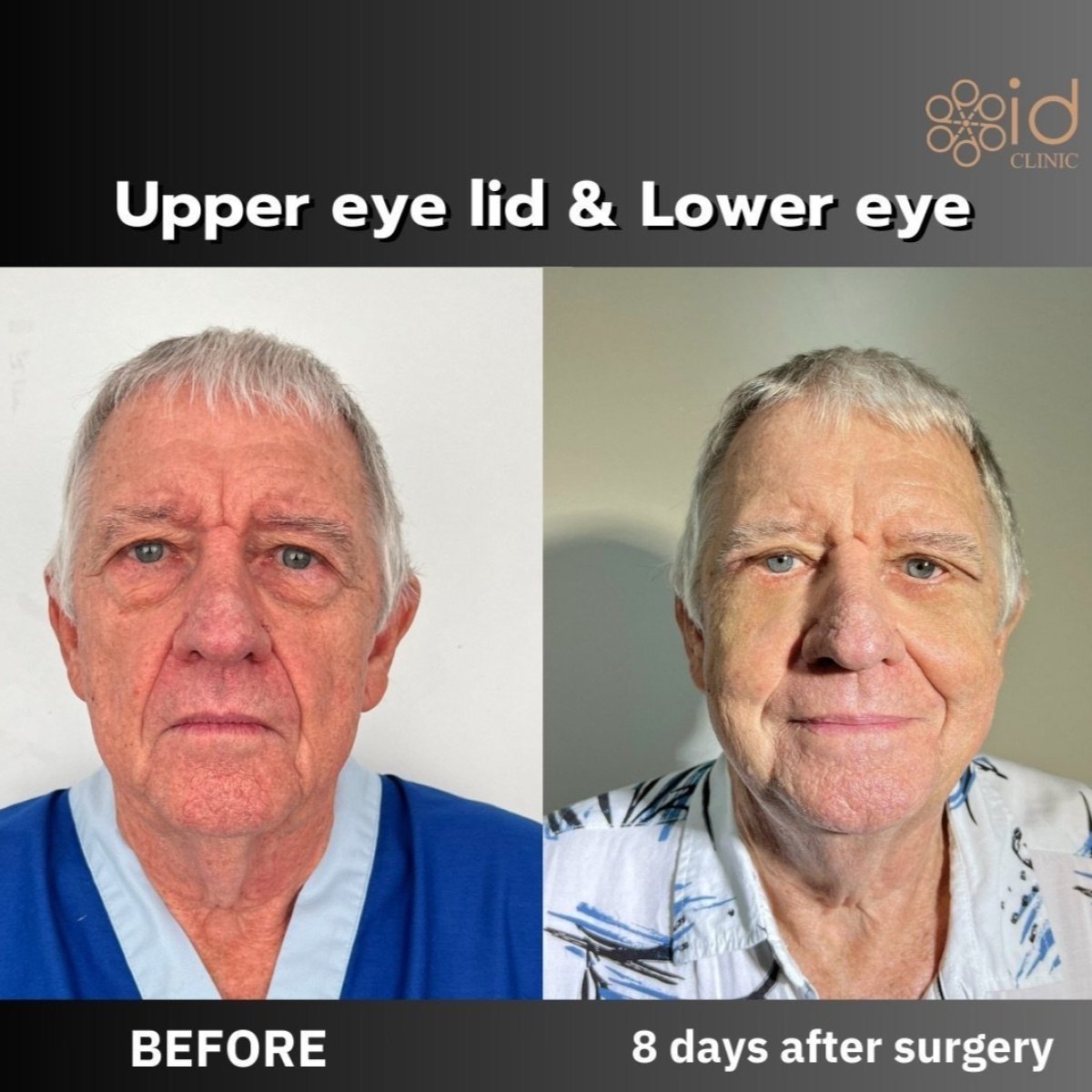
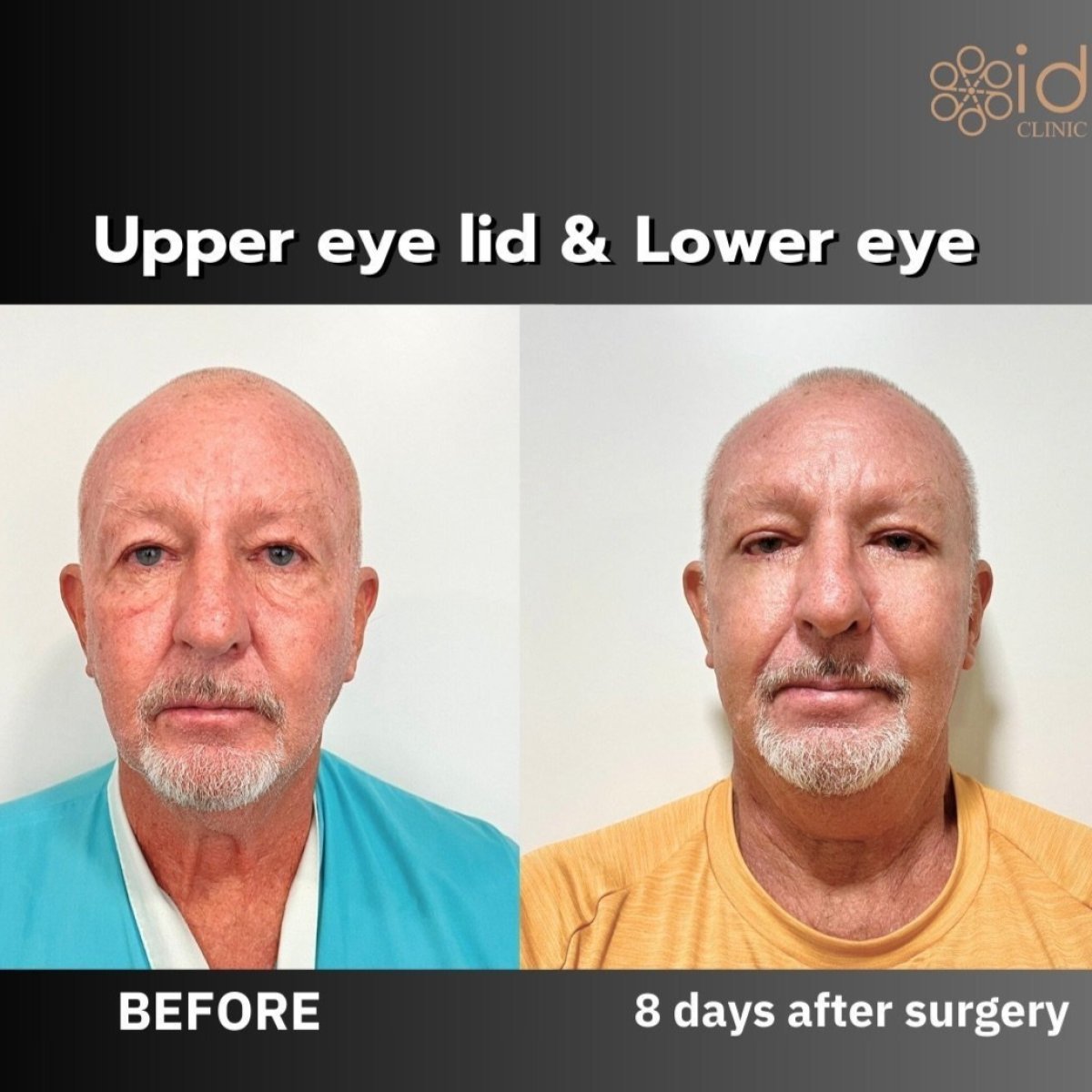
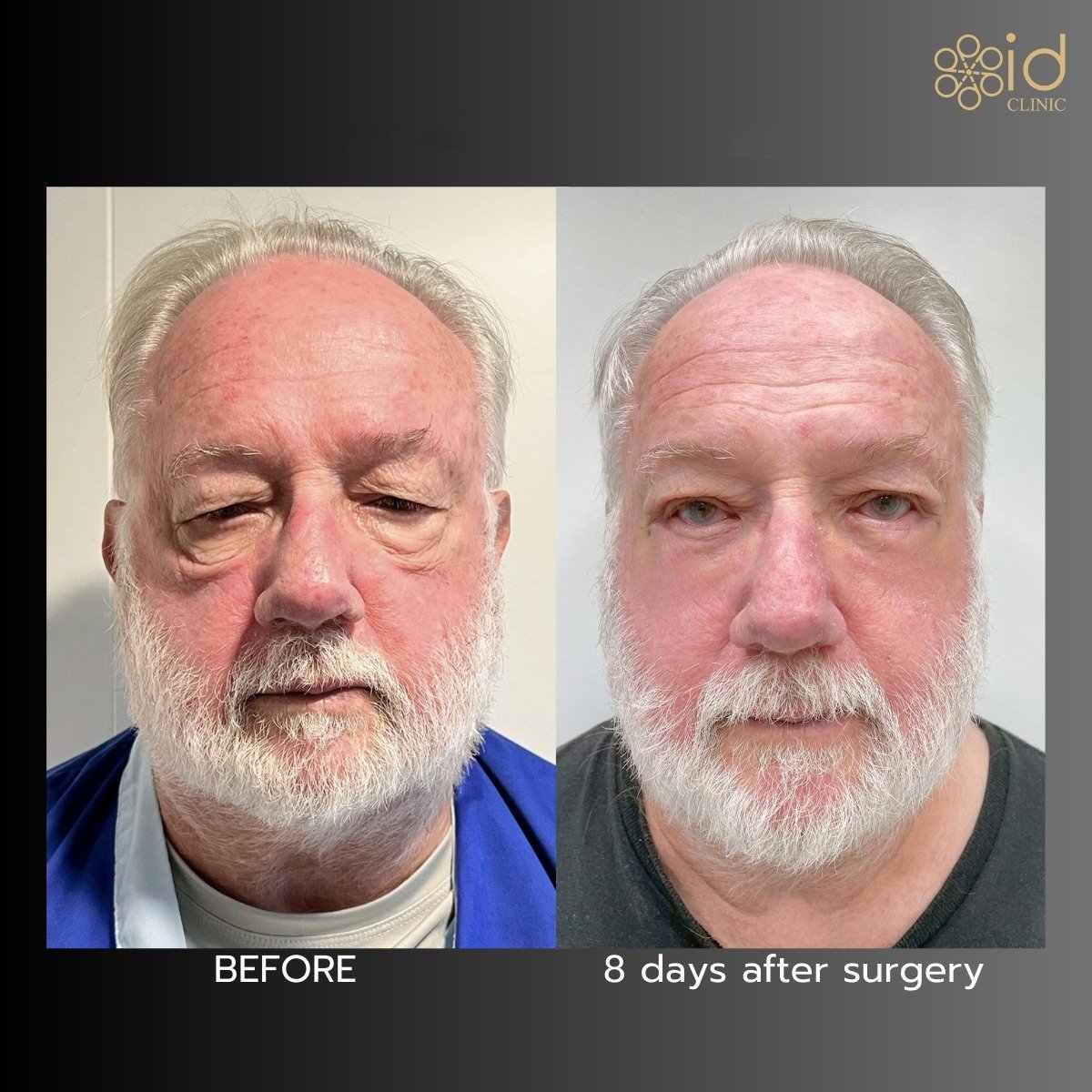
El Dr. Phatcharasak Kraisornphongsakul Md se especializa en la cirugía de párpados caídos en ID Clinic Bangkok, ofreciendo resultados precisos y de aspecto natural.
El Dr. Saran Wannachamras se formó en cirugía plástica y reconstructiva en EVIMS en EE. UU., un líder en procedimientos cosméticos como la cirugía de párpados caídos.
Especializado en rejuvenecimiento periorbitario: el Dr. Meevassana se formó en el Departamento de Cirugía Plástica de la Universidad de Chulalongkorn.
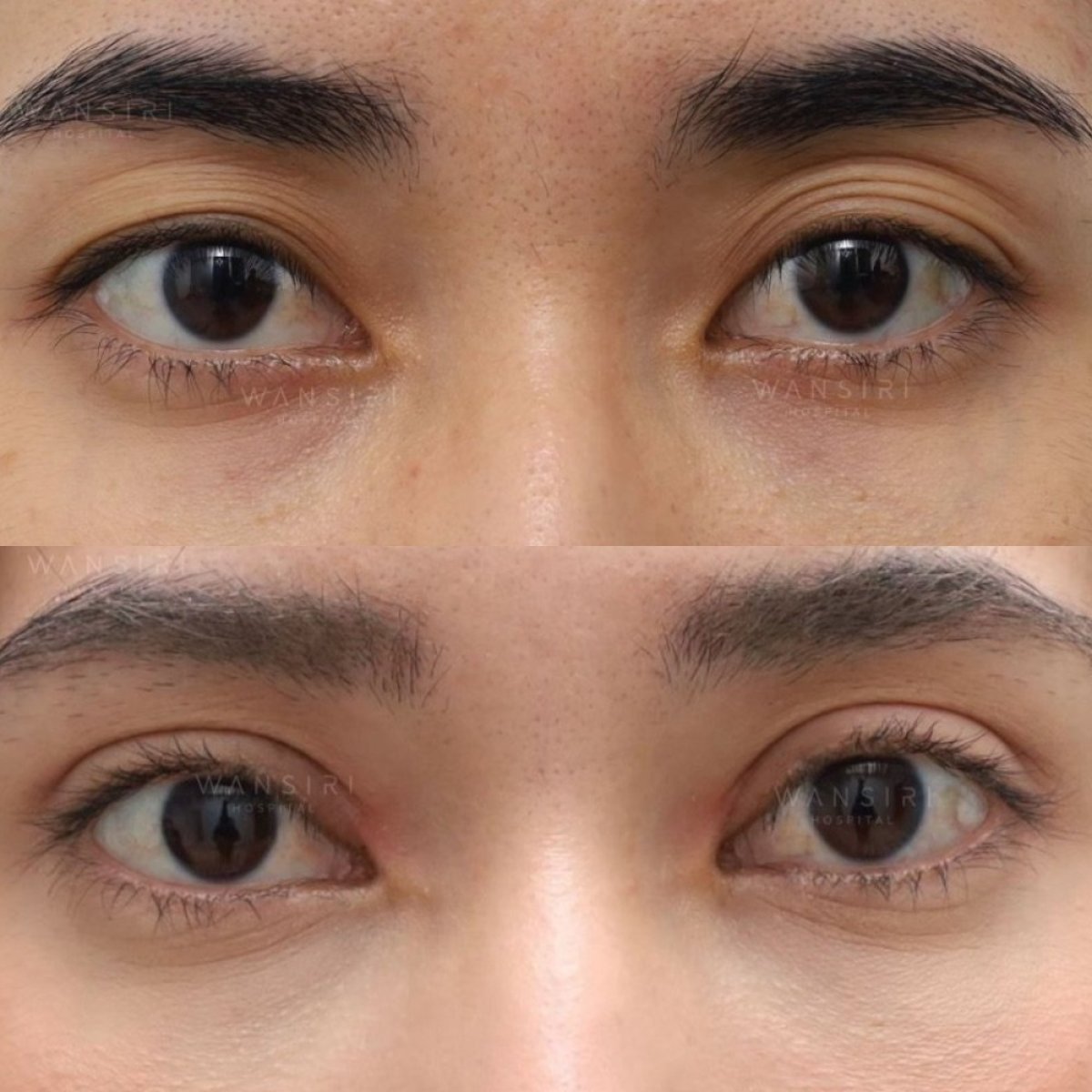
Especialista en cirugía estética y reconstructiva de párpados en el Hospital Wansiri, con formación en las mejores instituciones de Tailandia.
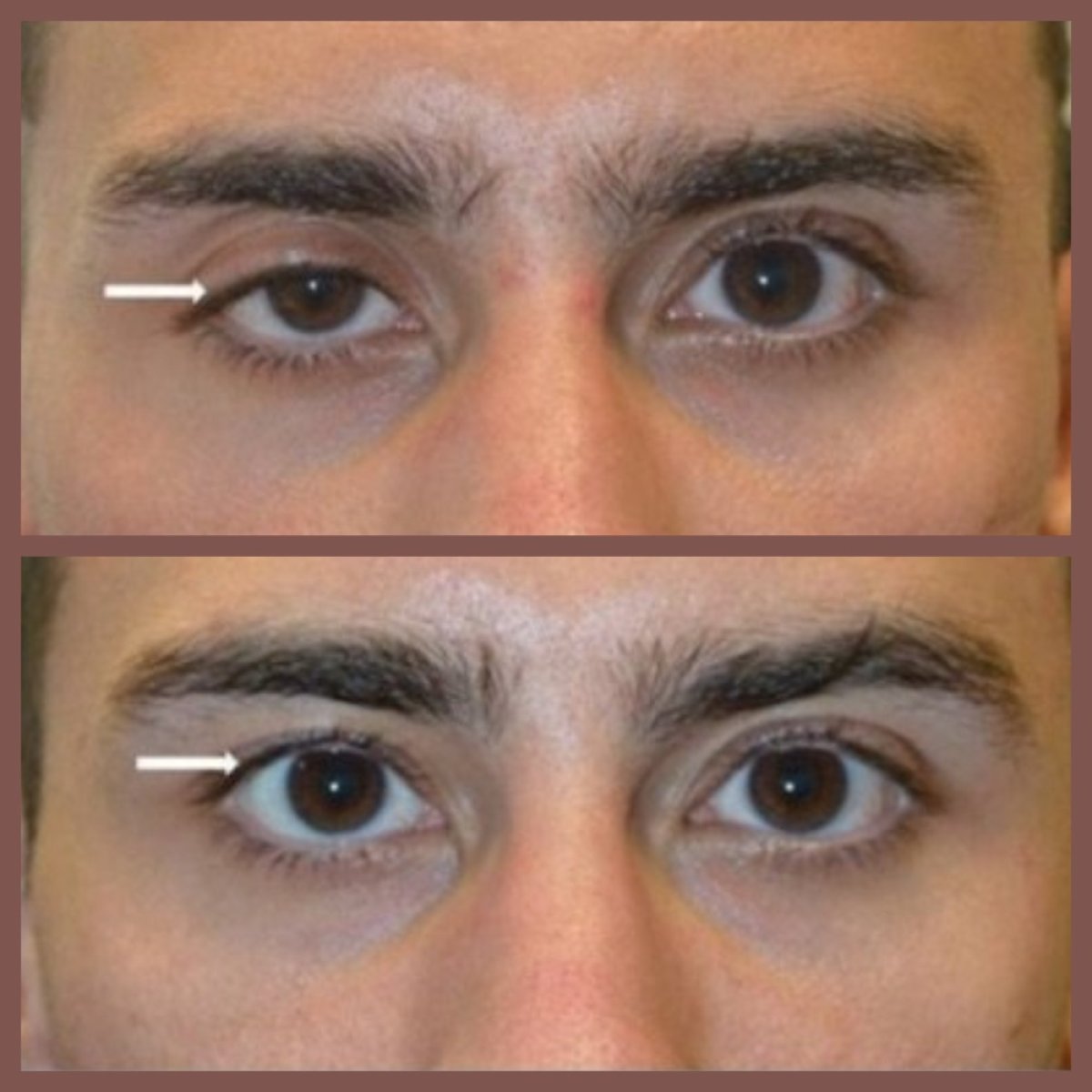
La reparación de párpados implica corregir los párpados caídos para mejorar la visión y la apariencia.
Finding a board-certified surgeon for ptosis repair in Thailand involves identifying practitioners with Thai Board of Plastic and Reconstructive Surgery or Ophthalmology credentials. Qualified specialists have training from institutions like Chulalongkorn University and hold memberships in the Royal College of Surgeons of Thailand.
Bookimed Expert Insight: Data shows a trend of Thai surgeons pursuing highly specific eyelid training in South Korea and Singapore. Dr. Chen Chaicharncheep and Dr. Warangkana Chaivong both completed specialized blepharoplasty courses in Korea. This international exposure is vital for patients seeking natural results for Asian eyelid anatomy, as it combines Thai medical rigor with Korean aesthetic techniques. Patients can also book online consultations with some specialists for approximately $40.
Patient Consensus: Patients emphasize that a video call is necessary to discuss the levator muscle before traveling. They note that top-rated surgeons focus on natural results rather than aggressive lifts. Many felt more confident after seeing extensive before and after photos of similar eyelid shapes.
Reputable eyelid surgeons in Bangkok are often board-certified oculoplastic or plastic surgery specialists. These experts, such as Dr. Phatcharasak Kraisornphongsakul at ID Clinic Bangkok, combine functional repair with aesthetic refinement. Many have completed international fellowships in Singapore, South Korea, or Australia to master precise techniques.
Bookimed Expert Insight: Data shows a high concentration of eyelid specialists at Wansiri Hospital. This team includes Dr. Shananya Varophas and Dr. Jiraroch Meevassana. Choosing a hospital with multiple experts allows for peer collaboration on complex cases. This is especially helpful for patients needing both vision correction and cosmetic lifting.
Patient Consensus: Patients often mention that recovery in Bangkok feels faster than in the US. Many are surprised to be back to normal activities in about 10 days. They recommend viewing many before-and-after photos to ensure the surgeon achieves a natural look.
In Thailand, general plastic surgeons focus on full-body reshaping. In contrast, oculoplastic specialists are board-certified ophthalmologists with targeted fellowship training in eyelid surgery. These specialists focus exclusively on the delicate anatomy and function of the eye area for precise results.
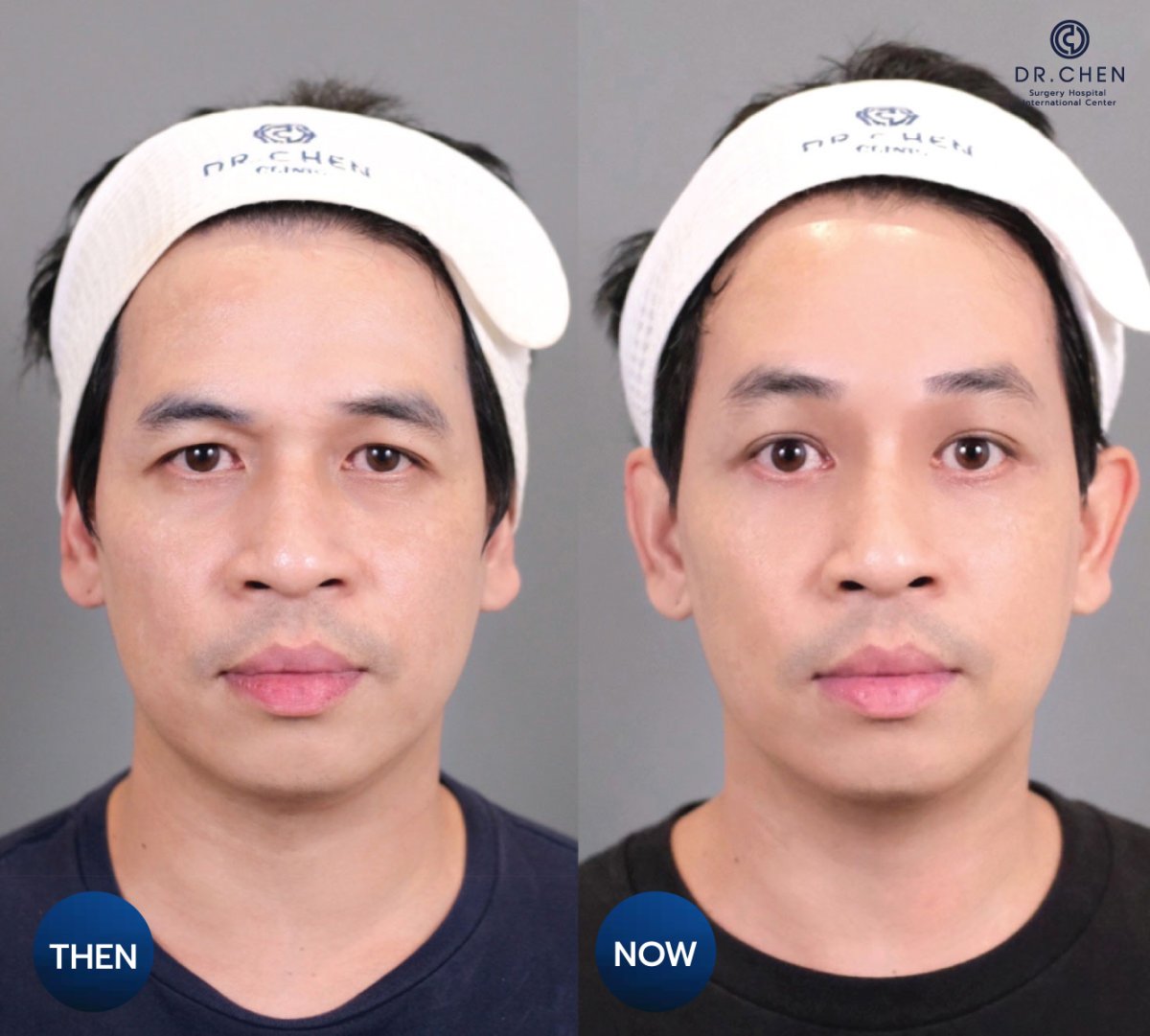
Bookimed Expert Insight: Data shows that Thailand is home to ultra-specialized practitioners like Dr. Chen Chaicharncheep, who completes cadaver-based training specifically for Asian eyelid anatomy. While general plastic surgeons are experts in overall facial balance, seeking an oculoplastic specialist or a facial plastic surgeon with 20+ years of experience, such as Dr. Palapong Chayangsu, is ideal for complex revision cases.
Patient Consensus: Patients note that eyelid specialists provide more natural results without the 'pulled' look sometimes seen with generalists. They often mention feeling safer knowing the surgeon understands both the look and the function of the eyes. Many say they appreciate doctors who explain exactly how they will avoid issues like dry eyes after the procedure.
Thai eyelid surgeons at leading Bangkok clinics speak fluent English. Most experts receive international training in the US, Australia, or Europe. This exposure allows them to discuss complex surgical details with international patients. You typically will not need an outside interpreter for your procedure.
Bookimed Expert Insight: Data shows a high level of international collaboration among Thai surgeons. Dr. Chen Chaicharncheep has completed multiple fellowships in South Korea, Italy, and Singapore. Dr. Narongdej Jiarapeepan regularly participates in global symposia in Germany and Brazil. This consistent international presence often results in higher English proficiency compared to general practitioners.
Patient Consensus: Patients note that surgeons usually speak great English and answer all questions directly. They find that language is rarely a barrier during the consultation and surgical planning phases. Many suggest using clinic chat features to gauge a doctor's communication style before traveling.
Professional surgeons in Thailand often specialize in both cosmetic blepharoplasty and functional ptosis correction. You should ask about their specific training, experience with your condition, and revision policies. Seek doctors with international fellowships and membership in the Royal College of Surgeons of Thailand.
Bookimed Expert Insight: Thai specialists often hold unique dual expertise in ophthalmology and plastic surgery. For example, Dr. Warangkana Chaivong is a board-certified ophthalmologist with specialized blepharoplasty training from Korea. This combination is vital because it ensures the surgeon understands both the aesthetic look and the delicate internal health of your eyes.
Patient Consensus: Patients emphasize the need to ask about the surgeon's personal revision rate for asymmetry. Many were surprised by how long swelling lasted and suggest asking for photos of the healing process at six months. They also recommend confirming whether the procedure happens in a hospital or a private clinic to ensure high safety standards.
Choosing a safe surgeon for droopy eyelid surgery in Thailand requires verifying Board of Ophthalmology certification. Patients should look for specialised oculoplastic training. Australian patients should prioritise doctors at JCI-accredited facilities like Asia Cosmetic Hospital. These hospitals maintain international safety standards and employ anaesthetists for every procedure.
Bookimed Expert Insight: High patient volume often indicates technical mastery in Bangkok centres. Some clinics serve 1,000 patients annually. Others like Dr. Chen Surgery Hospital manage over 10,000 cases. This level of repetition typically results in lower revision rates and more predictable outcomes.
Patient Consensus: Patients in Thailand recommend confirming that your surgeon specialises in eyelid anatomy. They should not focus on general body contouring. Patients suggest asking for unfiltered, close-up photos of previous cases to ensure results look natural.
Droopy eyelid surgery in Thailand involves standard risks like infection, bruising, and scarring. Specific complications may include asymmetry, dry eye, or ectropion. Ectropion occurs when the lower lid pulls away from the eye. Patients should also consider travel risks, such as cabin pressure affecting early healing.
Bookimed Expert Insight: Many centres have high volumes, but patients should target clinics with oculoplastic specialists. Dr Warangkana Chaivong is one such specialist. General surgeons perform blepharoplasties, but oculoplastic experts have specific training in eye anatomy. This specialisation helps reduce risks like dry eye and overcorrection.
Patient Consensus: Patients in Thailand often focus on scar placement and asymmetry management during healing. Many suggest arranging a GP follow-up in Australia before departing to manage early wound concerns.
Ptosis repair in Thailand strengthens the internal levator muscle to raise the eyelid margin. Blepharoplasty removes excess skin and fat. Ptosis repair treats functional eyelid weakness. Blepharoplasty addresses sagging skin. Surgeons often combine both techniques to restore vision and improve eye aesthetics.
Bookimed Expert Insight: Thai specialists like Dr Chen at Dr Chen Surgery Hospital often use Swiss 3D scanning. This helps differentiate between muscle weakness and skin sagging. Precision is vital because treating only the skin when the muscle is weak will not fix the droopy look.
Patient Consensus: Patients in Thailand appreciate when surgeons explain whether a droop is true ptosis or just excess skin. Many report that combining both procedures provides the most alert and natural-looking result.
Recovery after droopy eyelid surgery in Thailand generally requires 7 to 10 days before patients feel comfortable in public. While the procedure is usually outpatient, initial swelling and bruising typically peak within the first 5 days. These symptoms then gradually subside during the second week.
Bookimed Expert Insight: Leading Bangkok centres like Dr. Chen Surgery Hospital offer hyperbaric oxygen and light therapy after surgery. These treatments can speed up the healing of delicate eyelid tissues. Patients using these therapies often report faster resolution of bruising compared to standard recovery protocols.
Patient Consensus: Expect the most visible swelling during the first 5 days in Thailand. Patients recommend staying at least 14 days before flying home to ensure sutures are removed safely.
Thailand attracts Australians for droopy eyelid surgery by combining specialised oculoplastic expertise with affordability. Facilities including Asia Cosmetic Hospital and Wansiri Hospital provide JCI-accredited care. Surgical costs range from $1,400 to $1,900. This offers up to 66% savings compared to Australian private healthcare averages.
Bookimed Expert Insight: Thai clinics often integrate intensive aftercare into eyelid procedures. Dr. Chen Surgery Hospital provides hyperbaric oxygen and light therapy to reduce swelling. This helps Australian patients recover faster before their flight home.
Patient Consensus: Australians choose Thailand for lower prices and faster access to high-volume specialists. Many travellers appreciate English-speaking coordinators and packaged hotel plans for a comfortable recovery.
Combining droopy eyelid surgery with a Thailand holiday is common. Patients must plan for a 7–10 day recovery. Most clinics in Bangkok require this stay for suture removal and flight clearance. Light sightseeing is possible once initial swelling subsides. However, patients must avoid direct sun and strenuous activity.
Bookimed Expert Insight: Experience levels in Bangkok are high. Surgeons often perform thousands of eyelid procedures. Dr Phatcharasak Kraisornphongsakul alone has completed 20,000+ operations. This high volume leads to refined techniques and lower complication rates for international patients.
Patient Consensus: Travellers suggest staying in Bangkok until stitches are out and swelling settles. Expect bruising in the first week. Plan quiet local activities rather than intensive sightseeing.
Nombre oficial | El reino de Tailandia |
Moneda | Baht tailandés (también puedes pagar los servicios en dólares) |
Mejor época para viajar | noviembre-principios de abril |
Idioma | Tailandés (la mayoría del personal médico habla inglés con fluidez) |
Visa | requerido para un viaje de 3-6 meses |
Diferencia horaria con Europa | 7:00 |
Diferencia horaria de Estados Unidos | 12 horas |
Capital | bangkok |
Centro de Turismo Médico | bangkok |
Estaciones populares | Koh Samui, Phuket, Chiang Mai, Koh Chang, Hua Hin |
El cuidado de la salud es un sector de desarrollo clave para el gobierno tailandés. Las autoridades tailandesas están convencidas de que el cuidado de la salud de los ciudadanos debe ser una prioridad incondicional de la política estatal y gastan anualmente alrededor de 25 mil millones de baht en atención médica.
Como resultado, 36.673 establecimientos médicos brindan una excelente atención médica en el país. 64 centros médicos en el Reino están certificados por JCI (Joint Commission International) , un organismo internacional para mejorar la calidad y seguridad de los servicios médicos en todo el mundo. El índice de certificados recibidos es el más grande. A modo de comparación, hay 20 instituciones acreditadas por la JCI en Israel y solo 10 clínicas de este tipo en Alemania.
En el Reino de Tailandia existen hoteles de diferentes rangos de precios y niveles de servicio. El nivel de los hoteles tailandeses es comparable al de los hoteles de Túnez, Marruecos o Egipto. La mayoría de los turistas eligen hoteles de 4 y 5 estrellas con comidas todo incluido. Dichos hoteles tienen todo para una estancia confortable: comida variada, amplio territorio bien cuidado, animación para niños y adultos. Algunos hoteles tienen su propio parque acuático, que los huéspedes pueden utilizar de forma gratuita. Los viajeros con poco presupuesto pueden permitirse reservar un hotel económico de 3 estrellas con media pensión o sin comidas.
La principal ventaja de los resorts tailandeses es una larga temporada de playa. El clima es diferente en las costas este y oeste, así que tenlo en cuenta cuando planifiques tu viaje. La mejor época para viajar es durante la estación fresca y seca, de noviembre a principios de abril. Una gran afluencia de turistas se produce en marzo-mayo, cuando la temperatura del aire alcanza los +30°C.
Por el momento, el Reino de Tailandia requiere diferentes regímenes de visa para diferentes estados. Algunos extranjeros pueden permanecer en el país sin control de visa durante 60 días, algunos, solo 14 días.
Cuánto tiempo puede permanecer en Tailandia y qué países pueden cruzar la frontera lea fácilmente aquí .
Para solicitar una visa a Tailandia, se requieren una serie de documentos. La documentación necesaria se puede presentar 90 días antes de la salida prevista. La lista de documentos incluye :