Lipomastia en Tailandia — obtén 3 clínicas con costos


Revisado médicamente por
Fahad Mawlood
¿Cuál es el precio de Lipomastia en Tailandia? Descubra ahora
De $2,600 / 96,200฿. Los precios pueden variar según la clínica, la experiencia del cirujano, la cantidad de tejido extraído y si se utiliza liposucción o extirpación glandular. En Estados Unidos, el costo promedio es de $7,300 / 270,100฿ (según la ASPS). Esto significa que la cirugía de lipomastia en Tailandia es aproximadamente un 64% menos costosa que en EE. UU.
Las clínicas tailandesas suelen incluir consultas preoperatorias, anestesia general o local, el procedimiento quirúrgico, prendas de compresión y visitas de seguimiento en sus paquetes. En EE. UU., el precio indicado a menudo cubre solo los honorarios del cirujano, mientras que la anestesia, las tarifas de las instalaciones y el cuidado posterior se facturan por separado. Siempre confirmar qué incluye el paquete de cada clínica antes de reservar.
Beneficios clave
- Obtén cirugía de lipomastia en Tailandia con un ahorro del 40-60% en comparación con los EE. UU.
- Opciones principales: Liposonix®, CoolSculpting®, y Vaser Lipo®.
- Revisión gratuita de fotos por un médico experto para determinar la mejor técnica de liposucción para ti.
- Garantía de protección y confidencialidad de datos al 100%.
- Ofertas exclusivas de clínicas tailandesas de confianza de $2,600.
| Tailandia | España | Estados Unidos | |
|---|---|---|---|
| Lipomastia | de $2,600 / 96,200฿ | ≈ $3,500 / 129,500฿ | ≈ $5,500 / 203,500฿ |
Sus beneficios y garantías con Bookimed
Precios directos
Bookimed no añade cargos adicionales a los precios de Lipomastia. Las tarifas proceden de las listas de precios oficiales de las clínicas. Pagará directamente en la clínica por su Lipomastia a su llegada al país.
Sólo clínicas y médicos verificados
Bookimed está comprometido con su seguridad. Solo trabajamos con las clínicas que mantienen altos estándares internacionales en Lipomastia y tienen las licencias necesarias para atender a pacientes internacionales en todo el mundo.
Asistencia 24/7 gratuita
Bookimed ofrece asistencia experta gratuita. Un coordinador médico personal le apoya antes, durante y después del tratamiento, resolviendo cualquier problema. Nunca estará solo en su viaje médico de Lipomastia.

Su coordinador médico personal de Bookimed
- Le apoya en cada etapa
- Ayuda a elegir la clínica y el médico adecuados
- Asegura un acceso rápido y conveniente a la información
Descubra las mejores clínicas de Lipomastia en Tailandia: 2 opciones verificadas y Precios


Descripción general de Lipomastia en Tailandia
- Cirugía de ginecomastia - de $2,000El procedimiento se enfoca en el exceso de tejido mamario masculino, retirándolo para lograr un tórax plano, mejorando la apariencia física y la confianza.
- Ginecomastia Vaser Liposucción - de $2,400Esta terapia permite reducir el tamaño del pecho masculino, utilizando tecnología de ultrasonido para descomponer las células grasas, para una apariencia esculpida y natural.
- Cirugía de ginecomastia AirSculpt - de $2,800El procedimiento es una técnica precisa y mínimamente invasiva para eliminar el exceso de grasa pectoral, proporcionando a los hombres un pecho esculpido.
- Liposucción para ginecomastia - de $3,600La operación elimina el exceso de grasa pectoral en los hombres, remodelando el contorno para un tórax más masculino, menos invasivo y de recuperación más rápida.
- Cirugía de revisión de ginecomastia - de $5,000La operación corrige el tejido mamario masculino demasiado grande, combina una reconstrucción ingeniosa, con bajas tasas de repetición, para mejorar los contornos del tórax.
- Lipomastia - de $2,600Este procedimiento corrige los senos masculinos desproporcionadamente grandes al eliminar el exceso de tejido y grasa, disminuyendo la carga física y emocional.
- Tratamiento de la ginecomastia severa - de $2,600El procedimiento consiste en eliminar el exceso de tejido mamario en los hombres, mejorando la apariencia del tórax a través de métodos menos invasivos y ofreciendo una recuperación rápida.
- Implante pectoral masculino - de $3,200Esta cirugía realza la forma del tórax mediante implantes de silicona, mejorando la estética corporal con menos riesgos que otros métodos.
Día 1 - Llegada
- Llegada al centro médico.
- Regístrese y complete el papeleo requerido.
- Reúnase con el equipo médico para una consulta inicial.
Día 2 - Preoperatorio
- Programar y someterse a las pruebas médicas necesarias.
- Reúnase con el anestesiólogo para discutir el tipo de anestesia.
- Discutir procedimientos adicionales si es necesario.
Día 3 - Cirugía de Lipomastia
- Llegue al hospital temprano en la mañana.
- Someterse a una cirugía que dura aproximadamente de 1 a 3 horas.
- Recuperación en quirófano postoperatorio bajo supervisión médica.
Día 4 - Postoperatorio
- Estancia en el hospital para seguimiento y atención.
- Recibir instrucciones para el manejo del dolor y el cuidado de heridas.
- Dar de alta del hospital si la condición es estable.
Semana 1 a Semana 3 - Rehabilitación
- Descansar y limitar las actividades físicas.
- Asistir a las visitas de seguimiento para el cuidado y evaluación de heridas.
- Poco a poco volver al trabajo, después de dos semanas.
Semana 4 a Semana 6 - Rehabilitación
- Continúe con actividades ligeras.
- Regrese a los deportes no extenuantes después de cuatro semanas.
- Observe los resultados iniciales de la cirugía.
Semana 7 en adelante
- Vuelta a las actividades normales.
- Lograr el resultado final después de dos o tres meses.
Tenga en cuenta que el tiempo y el proceso de recuperación de cada paciente pueden variar según las condiciones individuales y la complejidad de la cirugía.
- Depósito de Bookimed: 200 $ o 200 €.
- Depósito de la clínica: Pague un porcentaje fijo por adelantado.
Historias en video de pacientes de Bookimed
Reseñas
Todas las reseñasCompartir contenido
 Olena Sikoza
Preguntas frecuentes sobre Lipomastia en Tailandia
¿Es segura la cirugía de lipomastia en Tailandia y qué estándares de acreditación se siguen?
La cirugía de lipomastia en Tailandia es excepcionalmente segura en instalaciones que cuentan con la acreditación de la Joint Commission International (JCI). Estos hospitales mantienen protocolos de seguridad de nivel occidental para el control de infecciones y la precisión quirúrgica. Los cirujanos plásticos tailandeses suelen someterse a una formación rigurosa bajo el Consejo Médico Tailandés y la Junta Tailandesa de Cirugía Plástica.
- Estándares internacionales: Centros líderes como el Asia Cosmetic Hospital siguen los estándares de calidad JCI e ISO.
- Experiencia quirúrgica: Los cirujanos a menudo son miembros de la Sociedad Internacional de Cirugía Plástica Estética (ISAPS).
- Supervisión especializada: Los hospitales principales proporcionan una monitorización continua por parte de anestesiólogos y cardiólogos dedicados durante la cirugía.
- Técnicas modernas: Los profesionales utilizan técnicas avanzadas de liposucción VASER o tumescente para asegurar una eliminación precisa de la grasa.
Perspectiva del experto de Bookimed: Los datos muestran que las clínicas tailandesas de primer nivel mantienen una tasa de complicaciones del 0% al integrar la supervisión cardiológica en los procedimientos cosméticos. Aunque las clínicas boutique ofrecen precios más bajos, elegir un hospital de gran volumen con más de 2,500 pacientes anuales garantiza
¿Qué sucede exactamente durante la cirugía de lipomastia (reducción de mamas masculinas)?
La cirugía de lipomastia en Tailandia implica principalmente una liposucción especializada para eliminar el exceso de tejido graso del pecho masculino. Los cirujanos utilizan microcánulas a través de pequeñas incisiones cerca de las axilas para aspirar la grasa y volver a esculpir el área pectoral, creando un contorno más plano y masculino durante un procedimiento ambulatorio de 1 a 2 horas.
- Opciones de técnica: La liposucción asistida por VASER y láser ayuda a tensar la piel y aflojar los depósitos de grasa densa.
- Colocación de la incisión: Se realizan cortes pequeños y discretos en la axila o a lo largo del borde de la areola.
- Esculpido del pecho: Los cirujanos utilizan un movimiento de vaivén de la cánula para refinar el tejido restante para obtener resultados atléticos.
- Manejo del tejido: Se realiza una escisión simultánea de piel o glándula periareolar si existe tejido glandular O flacidez.
Perspectiva del experto de Bookimed: Tailandia es un centro mundial donde clínicas como Asia Cosmetic Hospital mantienen tasas de complicación del 0% a través de cirugías supervisadas por cardiólogos. Los cirujanos experimentados aquí suelen realizar más de 1,000 casos, a menudo utilizando ultrasonido preoperatorio para distinguir la grasa de las glándulas. Esta precisión garantiza que reciba la técnica correcta, evitando el riesgo común de ondu
¿Cuánto tiempo necesitaré permanecer en Tailandia para la cirugía de lipomastia y el seguimiento?
La mayoría de los pacientes pasan de 7 a 14 días en Tailandia para la cirugía de lipomastia y el cuidado de seguimiento. Este periodo incluye el procedimiento, la retirada de los drenajes el tercer día y una autorización final para volar alrededor del séptimo o décimo día. Este cronograma garantiza un viaje seguro y una curación adecuada.
- Momento de llegada: Llegue 1 día antes para las consultas preoperatorias y la planificación quirúrgica.
- Estancia hospitalaria: Espere de 0 a 1 noche en instalaciones acreditadas por la JCI como el Asia Cosmetic Hospital.
- Retirada de puntos: Los cirujanos suelen retirar los puntos no absorbibles entre el séptimo y el décimo día.
- Seguridad en el vuelo: Los protocolos médicos requieren un mínimo de 7 días antes de vuelos de larga distancia para prevenir la trombosis venosa profunda (TVP).
Perspectiva de expertos de Bookimed: Los datos de 149 clínicas tailandesas muestran que los centros premium priorizan la seguridad involucrando a anestesiólogos y cardiólogos en cada cirugía. Aunque algunos pacientes consideran irse después de 5 días, quedarse 10 días permite a los cirujanos ajustar su chaleco de compresión médica. Esto evita la acumulación de líquidos y asegura que la piel se contornee correctamente antes de que regrese a casa.
Consenso de los pacientes: Muchos pacientes recomien
¿Cómo será la recuperación y cuándo podré entrenar, nadar, tomar el sol o volar?
La recuperación tras una cirugía de lipomastia en Tailandia implica el uso de prendas de compresión durante 4 a 6 semanas para controlar la inflamación. La mayoría de los pacientes regresan al trabajo de oficina en un plazo de 3 a 7 días, mientras que el entrenamiento físico completo y la natación suelen requerir una espera de 6 a 8 semanas para garantizar que las incisiones se hayan cerrado por completo y el tejido interno se haya estabilizado.
- Entrenamiento: Comience a caminar suavemente de inmediato. Espere 6 semanas para ejercicios de pecho de alta intensidad o levantamiento de pesas.
- Natación: Evite piscinas y el océano durante 6 a 8 semanas para prevenir infecciones y la apertura de heridas.
- Tomar el sol: Mantenga las cicatrices cubiertas durante 12 meses. La exposición a los rayos UV puede causar hiperpigmentación oscura permanente.
- Volar: La mayoría de los cirujanos permiten vuelos cortos después de 10 días. Espere 14 días para viajes de larga distancia.
Perspectiva de expertos de Bookimed: Los datos del Asia Cosmetic Hospital muestran que contar con anestesiólogos y cardiólogos que supervisen los procedimientos garantiza tasas de complicación del 0 %. Esta supervisión clínica es vital para los pacientes internacionales. Ayuda a prevenir problemas como la trombosis venosa profunda durante el vuelo de regreso a casa. Priorice sie
¿Soy un buen candidato para una cirugía de lipomastia?
Los candidatos ideales para la cirugía de lipomastia tienen grasa torácica localizada que resiste la dieta y el ejercicio. Debe tener tejido adiposo blando y pellizcable sin crecimiento glandular firme. Los pacientes exitosos suelen mantener un peso estable dentro del 30% de su objetivo y poseen suficiente elasticidad cutánea para el contorneo.
- Tipo de tejido: El agrandamiento del pecho debe ser grasa blanda, no tejido glandular gomoso o ginecomastia verdadera.
- Masa corporal: Los cirujanos prefieren un índice de masa corporal inferior a 30 para garantizar resultados seguros y predecibles.
- Estabilidad de peso: Idealmente, ha mantenido un peso constante durante al menos 6 meses antes de la cirugía.
- Calidad de la piel: Se requiere una piel firme para contraerse suavemente sobre los nuevos contornos de los músculos pectorales.
Perspectiva de expertos de Bookimed: Los datos de clínicas de Bangkok como el Asia Cosmetic Hospital muestran una tasa de complicaciones del 0%. Esto se debe en gran medida a una selección estricta. Los cirujanos allí priorizan a los candidatos menores de 35 años. Este grupo de edad tiene una capacidad de recuperación de la piel superior. Los pacientes mayores a menudo requieren estiramientos de piel más invasivos en lugar de una simple liposucción.
Consenso de los pacientes: Muchos aconsejan r
¿Serán visibles las cicatrices después de la operación?
La cirugía de lipomastia en Tailandia resulta en cicatrices mínimas que generalmente se desvanecen en un plazo de 6 a 18 meses. Los cirujanos líderes utilizan incisiones diminutas y técnicas endoscópicas para asegurar que las marcas sean casi invisibles. Las incisiones se colocan estratégicamente en los pliegues naturales de la piel, como las axilas o los bordes de la areola.
- Tamaño de la incisión: Los cirujanos suelen realizar incisiones de 3 a 5 mm para la eliminación de grasa mediante liposucción.
- Colocación estratégica: Las marcas se ocultan en pliegues naturales, axilas o debajo de la curva del pecho para su ocultación.
- Tecnología avanzada: La liposucción Vaser y los métodos asistidos por láser promueven una curación más suave y reducen el trauma cutáneo visible.
- Maduración de la cicatriz: El enrojecimiento alcanza su punto máximo a los 3 meses antes de aplanarse y desvanecerse hacia los tonos naturales de la piel.
Perspectiva del experto de Bookimed: Los datos muestran que las instalaciones acreditadas por la JCI en Bangkok, como el Asia Cosmetic Hospital, priorizan el manejo de cicatrices mediante tecnología asistida por láser. Elegir clínicas con un alto volumen de pacientes, como la ID Clinic Bangkok, a menudo brinda acceso a cirujanos con portafolios especializados para tipos de piel específicos. Solicitar un portafolio de pac
¿Dónde se encuentran los centros más reputados para este procedimiento en Tailandia?
Los centros de renombre para la cirugía de lipomastia en Tailandia se encuentran principalmente en Bangkok, y cuentan con instalaciones de clase mundial con acreditación de la Joint Commission International (JCI). Estas instituciones utilizan tecnologías avanzadas de contorno corporal y cirujanos certificados especializados en cirugía plástica estética para pacientes internacionales.
- Asia Cosmetic Hospital: Centro acreditado por la JCI donde los cirujanos operan bajo la supervisión de anestesiólogos y cardiólogos.
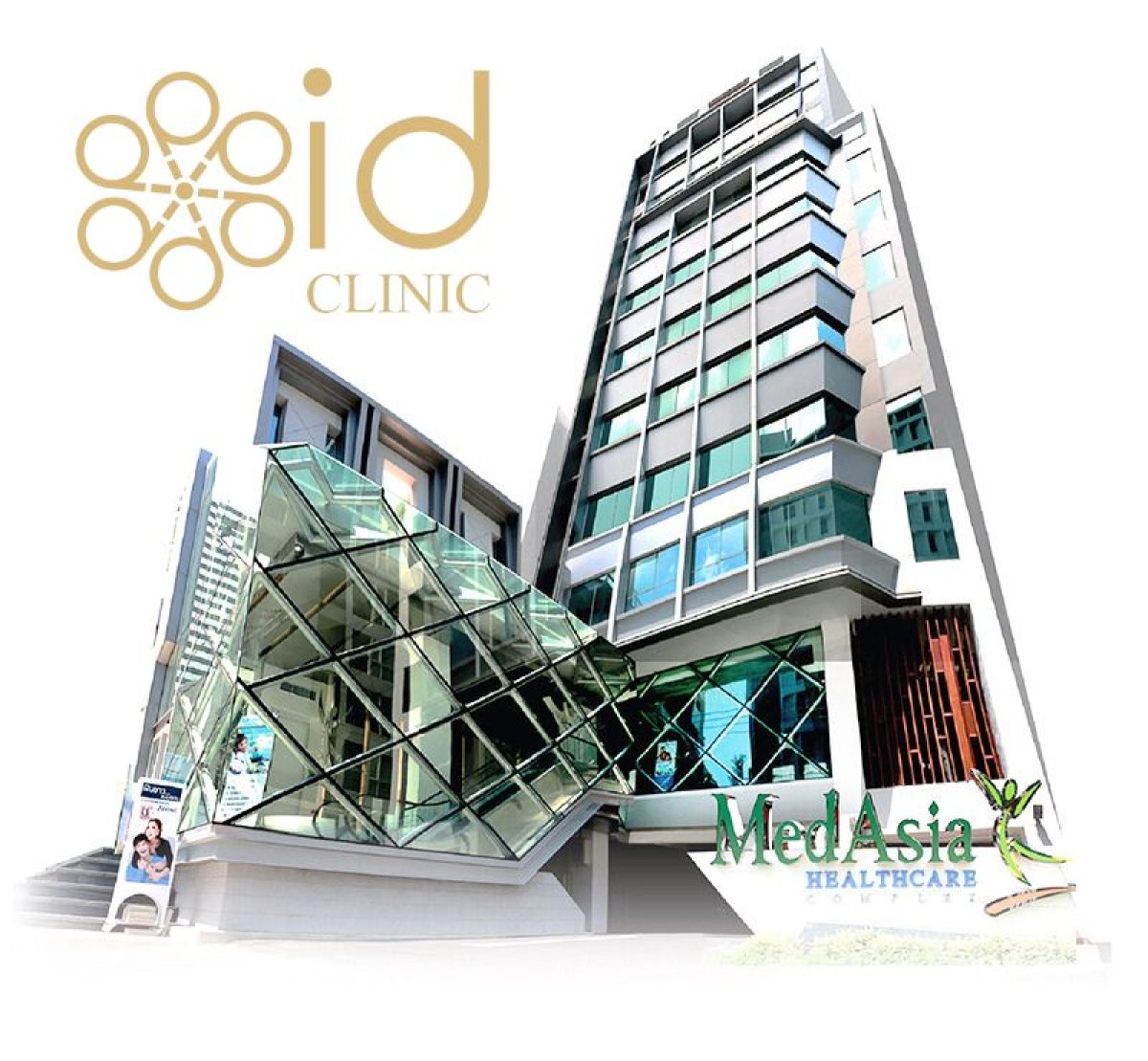
- ID Clinic Bangkok: Centro especializado que atiende a 4.000 pacientes al año procedentes de EE. UU., Canadá y Australia.
- Wansiri Hospital: Centro premium digitalizado que cuenta con altas tasas de éxito auditadas en contorno corporal complejo.
- Bumrungrad International: Hospital insignia de atención terciaria reconocido por sus servicios de lujo y departamentos internacionales especializados.
Perspectiva del experto de Bookimed: Tailandia es un líder mundial, ocupando el segundo lugar en solicitudes de pacientes en nuestra base de datos. El Asia Cosmetic Hospital mantiene una tasa de complicaciones postoperatorias del cero por ciento gracias a la supervisión cardiológica obligatoria. Este alto estándar de seguridad es crucial para los procedimientos de reducción de pecho masculino que requieren anestesia general.