Resección hepática en Tailandia — obtén 3 clínicas con costos


Revisado médicamente por
Fahad Mawlood
¿Cuál es el precio de Resección hepática en Tailandia? Descubra ahora
El costo de la cirugía de resección hepática en Tailandia suele oscilar desde $14,500 / 536,500฿ hasta $24,000 / 888,000฿. Los precios varían según el hospital, la experiencia del cirujano, si la cirugía es abierta o laparoscópica, y la complejidad de la afección hepática. UU.
Los hospitales tailandeses suelen incluir análisis preoperatorios, imágenes (TC/RM), anestesia, honorarios del cirujano y del hospital, consumibles estándar, varios días de hospitalización y seguimiento postoperatorio. En EE. UU., los costos de imágenes, anestesia y estancia hospitalaria suelen facturarse por separado de los honorarios del cirujano. Siempre confirmar exactamente qué está incluido con el hospital o clínica elegidos.
| Tailandia | España | Turquía | |
|---|---|---|---|
| Resección hepática | ≈ $14,500 / 536,500฿ | de $18,700 / 691,900฿ | de $9,300 / 344,100฿ |
Sus beneficios y garantías con Bookimed
Precios directos
Bookimed no añade cargos adicionales a los precios de Resección hepática. Las tarifas proceden de las listas de precios oficiales de las clínicas. Pagará directamente en la clínica por su Resección hepática a su llegada al país.
Sólo clínicas y médicos verificados
Bookimed está comprometido con su seguridad. Solo trabajamos con las clínicas que mantienen altos estándares internacionales en Resección hepática y tienen las licencias necesarias para atender a pacientes internacionales en todo el mundo.
Asistencia 24/7 gratuita
Bookimed ofrece asistencia experta gratuita. Un coordinador médico personal le apoya antes, durante y después del tratamiento, resolviendo cualquier problema. Nunca estará solo en su viaje médico de Resección hepática.

Su coordinador médico personal de Bookimed
- Le apoya en cada etapa
- Ayuda a elegir la clínica y el médico adecuados
- Asegura un acceso rápido y conveniente a la información
Descubra las mejores clínicas de Resección hepática en Tailandia: 2 opciones verificadas y Precios








Descripción general de Resección hepática en Tailandia
- Eliminación de cáncer de hígado - de $12,000Este procedimiento elimina las células hepáticas malignas, ofreciendo una oportunidad de recuperación total con precisión quirúrgica.
- Terapia SIRT - de $32,000Esta terapia es un procedimiento basado en el objetivo, que administra radiación a los tumores hepáticos y garantiza un impacto mínimo en el tejido sano.
- Resección hepática - de $14,500El procedimiento consiste en extirpar las partes dañadas del hígado para evitar la propagación de enfermedades y garantizar una mejor función hepática.
Día 1: Llegada
- Llegar al hospital.
- Conozca al equipo quirúrgico.
- Completar los trámites de registro.
Día 2: Consultas preoperatorias
- Consultar con el hepatólogo.
- Hable con el anestesiólogo.
- Sométete a los exámenes médicos necesarios.
Día 3: Procedimientos Adicionales
- Preparación para la cirugía.
- Posiblemente someterse a una biopsia de hígado.
- Consulta final con el cirujano.
Día 4: Resección del hígado
- Administrar anestesia general.
- Realizar resección hepática (6-8 horas).
- Traslado a la sala de recuperación post-cirugía.
Día 5-14: Postoperatorio
- Monitor en la unidad de cuidados intensivos.
- Iniciar cuidados postoperatorios.
- Permanezca en el hospital durante 7-10 días.
Semana 2-6: Rehabilitación
- Iniciar actividad física suave.
- Regresar gradualmente a la dieta normal.
- Asistir a las citas de seguimiento.
Semana 6-12: Rehabilitación Avanzada
- Regreso al trabajo y actividades normales.
- Continúe con el manejo de la salud del hígado.
- Nota una mejora y una recuperación significativas.
Tenga en cuenta que el cronograma anterior es una guía general y los casos individuales pueden variar.
- Depósito de Bookimed: 200 $ o 200 €.
- Depósito de la clínica: Pague un porcentaje fijo por adelantado.
Como plataforma líder mundial de turismo médico, tenemos una gran responsabilidad con nuestros clientes, tanto pacientes como centros médicos. Toda la información proporcionada en Bookimed.com con respecto a la resección del hígado en Tailandia se basa en la investigación, la previsión y la experiencia y satisface un gran interés relacionado con el producto y sigue:
Sistema inteligente de clasificación automática
Formamos nuestros listados de clínicas y médicos con estrictas regulaciones de nuestro sistema inteligente de clasificación automática. El sistema se basa en tarifas de pacientes reales de Bookimed para proporcionar la información más objetiva y transparente sobre las clínicas de resección hepática y los servicios médicos en Tailandia.
Nuestro experimentado científico de datos recopila datos a diario, supervisa y optimiza el sistema de clasificación mediante el aprendizaje automático y la inteligencia artificial para garantizar que el sistema de clasificación esté actualizado y proporcione resultados precisos.
Solo la experiencia de personas reales
Recopilamos las opiniones de los clientes de Bookimed solo después de obtener experiencia médica con la clínica con respecto a la resección hepática en Tailandia, para que todos en la plataforma puedan confiar en el centro que elijan. Nos esforzamos por hacer que el contenido de nuestra plataforma sea lo más útil posible y garantizamos la libertad de expresar opiniones críticas. Así, publicamos críticas positivas y negativas, con el objetivo de ser una fuente para la toma de decisiones informadas para nuestros futuros clientes.
Temas con altos niveles de experiencia, autoridad y confiabilidad
En Bookimed.com puede encontrar opciones y conveniencia para encontrar las mejores soluciones médicas de los principales proveedores de servicios médicos en un solo lugar y, a menudo, a precios competitivos. Asegurándose de brindar la información más reciente sobre la resección hepática en Tailandia, los representantes de la clínica actualizan los CV de los médicos, las capacidades de las clínicas, las fotos de antes y después, los precios, los paquetes y las ofertas especiales en breve. Puede reunirse con el representante de la clínica y verificar la fecha del contenido actualizado en la página de cada clínica para asegurarse de su confiabilidad.
Nuestro blog y artículos de apoyo son creados por autores profesionales con al menos 3 años de experiencia en redacción médica y editados por especialistas médicos con experiencia clínica y de investigación relevante, todos reclutados cuidadosamente para el equipo. Nos esforzamos por mejorar el acceso de los pacientes a la información de salud relacionada con las clínicas de resección hepática y los servicios médicos en Tailandia, haciéndola experta pero fácil de entender. Todas las piezas siguen las Directrices Editoriales de Bookimed.
Valores reservados
Estamos hechos de personas y para personas, y ese es nuestro valor fundamental. Es por eso que todos los datos presentados en la plataforma son recopilados, editados, revisados y actualizados regularmente por nuestros pacientes, nuestras clínicas asociadas y nuestro equipo, incluido el Consejo Asesor Médico de Bookimed, que consta de médicos de renombre mundial con experiencia valiosa sobre 20 años de práctica y una reputación positiva. Conozca más sobre nosotros y nuestra misión .
En caso de que encuentre algún error o tenga alguna pregunta sobre la información presentada en Bookimed.com con respecto a la resección del hígado en Tailandia, no dude en contactarnos en marketing@bookimed.com .
Obtenga una evaluación médica para Resección hepática en Tailandia: Elija su especialista entre los mejores en el campo
Ver todos los médicos
Yongyut Sirivatanauksorn
Especialista en resecciones hepáticas y cirugías del tracto gastrointestinal en el Bumrungrad International Hospital.
- Cirujano experimentado en tratamientos del tracto gastrointestinal
- Experto en procedimientos complejos de resección hepática
- Trabaja en un hospital internacional líder
Historias en video de pacientes de Bookimed
Reseñas
Todas las reseñasCompartir contenido
 Olena Sikoza
Datos сlave sobre Resección hepática

Resección hepática
La resección hepática, también conocida como hepatectomía, consiste en extirpar quirúrgicamente una parte del hígado para tratar tumores hepáticos u otras afecciones relacionadas con el hígado.
Preguntas frecuentes sobre Resección hepática en Tailandia
¿Cuáles son los mejores hospitales para cirugía hepática en Tailandia?
Los mejores hospitales para cirugía hepática en Tailandia incluyen el Bumrungrad International Hospital, Samitivej Sukhumvit y Bangkok Hospital. Estas instalaciones ofrecen atención hepatobiliar avanzada, incluyendo resecciones robóticas y trasplantes, con tasas de supervivencia para procedimientos complejos superiores al 90% en entornos acreditados por la Joint Commission International.
- Bumrungrad International Hospital: Clasificado entre los mejores hospitales del mundo por Newsweek por sus capacidades avanzadas en cirugía robótica.
- Samitivej Sukhumvit Hospital: Cuenta con un instituto especializado en hígado y sistema digestivo que utiliza tecnología laparoscópica 3D-4K para resecciones.
- Bangkok Hospital: Opera un centro dedicado a enfermedades gastrointestinales y hepáticas que brinda atención integral desde el diagnóstico hasta el trasplante.
- King Chulalongkorn Memorial: Un hospital universitario líder con amplia experiencia en trasplantes de hígado pediátricos y adultos.
Perspectiva del experto de Bookimed: Si bien los centros privados como Bumrungrad atraen al 50% de pacientes internacionales con comodidades de lujo, los hospitales universitarios públicos como Siriraj Piyamaharajkarun a menudo manejan las resecciones de alto riesgo más complejas. Elegir un centro vinculado a una universidad puede ser una decisión estratégica para
¿Puede el hígado volver a crecer después de una resección?
El hígado es el único órgano interno capaz de regenerarse completamente después de una resección quirúrgica. El tejido hepático sano comienza a dividirse inmediatamente después de la cirugía. Puede restaurar hasta el 80% de su volumen original en un plazo de 6 a 8 semanas y alcanzar su masa funcional completa en el transcurso de 1 año.
- Mecanismo de regeneración: Las células existentes se agrandan y se dividen rápidamente a través de un proceso llamado hiperplasia compensatoria.
- Cronología: La recuperación funcional comienza al instante, y la mayor parte del volumen se restaura en los 3 meses posteriores a la cirugía.
- Cambio estructural: El hígado recupera su peso original, pero su forma anatómica cambia ligeramente.
- Factores de éxito: La velocidad de regeneración depende de una alta ingesta de proteínas y de la ausencia de cirrosis crónica.
Perspectiva del experto de Bookimed: Los centros tailandeses de primer nivel, como el Bumrungrad International Hospital, utilizan IA y cirugía robótica para estas resecciones. Nuestros datos muestran que estas tecnologías a menudo conducen a una preservación de tejido más precisa. Esta precisión es vital porque mantener intacto más tejido sano acelera directamente el proceso de regeneración natural.
Consenso de los pacientes: Los pacientes enfatizan que seguir estrictamente di
¿Cuánto dura el periodo de recuperación?
La recuperación tras una resección hepática en Tailandia requiere normalmente de 4 a 12 semanas para retomar la actividad completa. Los pacientes suelen permanecer en el hospital de 5 a 10 días después de la cirugía. La cicatrización inicial permite caminar suavemente hacia el tercer día, mientras que la regeneración completa del hígado suele producirse en cuestión de semanas.
- Estancia hospitalaria: Espere de 5 a 10 días de hospitalización en la mayoría de los casos de resección.
- Restricciones de actividad: Evite conducir y levantar más de 10 libras (aprox. 4,5 kg) durante 4 a 6 semanas.
- Regreso al trabajo: La mayoría de los pacientes retoman sus tareas profesionales de oficina después de 4 semanas de descanso.
- Recuperación total: La resistencia física total y la actividad intensa suelen recuperarse en un plazo de 3 a 6 meses.
Opinión de los expertos de Bookimed: Aunque la recuperación lleva semanas, el hígado comienza a regenerarse casi de inmediato. Los datos de centros punteros de Bangkok, como el Bumrungrad International Hospital, muestran que incluso tras la extirpación del 30%, los pacientes suelen caminar al tercer día. Elegir centros con acreditación de la Joint Commission International garantiza un seguimiento postoperatorio de riesgos específicos como las fugas biliares.
Consenso de los pacientes: Mucho
¿Cuáles son los beneficios de la cirugía robótica de hígado en Tailandia?
La cirugía robótica de hígado en Tailandia ofrece una precisión superior a través de los sistemas da Vinci, reduciendo significativamente los tiempos de recuperación y el trauma quirúrgico. Los pacientes se benefician de la visualización 3D de alta definición y la instrumentación articulada, lo que permite a los cirujanos preservar el tejido sano mientras tratan el cáncer de hígado, tumores metastásicos y quistes benignos con una pérdida de sangre mínima.
- Cronograma de recuperación: Regreso al trabajo en 3 semanas, evitando el tiempo de inactividad de 6 semanas de la cirugía abierta tradicional.
- Estancia hospitalaria: Los pacientes suelen recibir el alta en 5 días en comparación con los 8 días de los procedimientos abiertos.
- Precisión quirúrgica: La visualización 3D de alta definición identifica lesiones diminutas que a menudo se pasan por alto durante la cirugía abierta convencional.
- Tasas de complicaciones: Las técnicas robóticas mantienen tasas de complicaciones más bajas, por debajo del 10%, en comparación con el 15-20% en la laparoscopia.
Perspectiva del experto de Bookimed: Aunque muchos eligen Tailandia por el ahorro del _price_percent_discount_% en comparación con el promedio de EE. UU. _price_compare_US_average_, la verdadera ventaja es el gran volumen de casos internacionales en centros acreditados por la JCI como el Bumrungra
¿Qué debo esperar del cronograma de viaje médico?
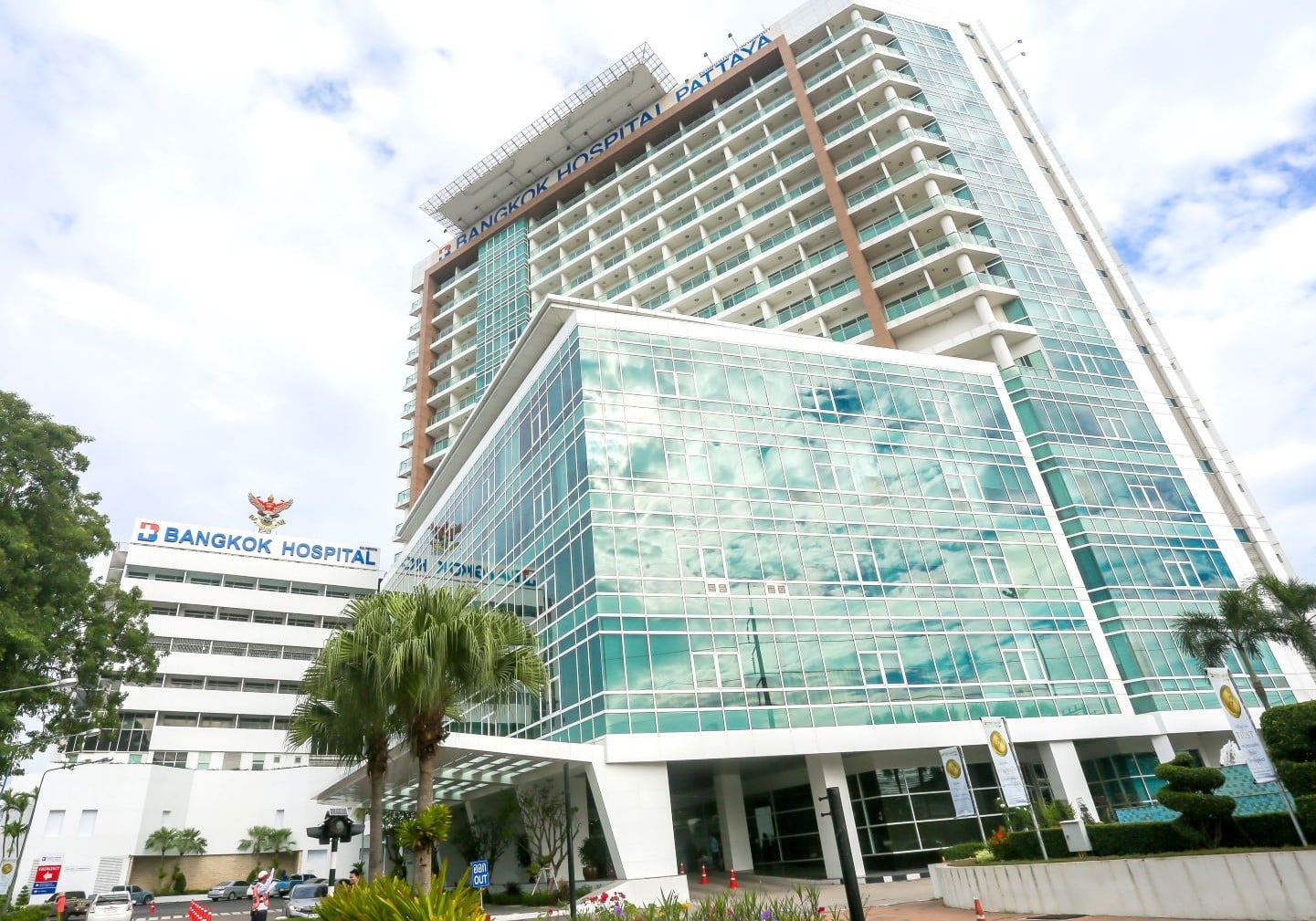
El cronograma de una resección hepática en Tailandia suele abarcar de 6 a 10 semanas, desde la investigación inicial hasta la recuperación completa en casa. Los pacientes generalmente pasan de 10 a 21 días en el país, incluyendo de 5 a 7 días de hospitalización en instalaciones acreditadas por la JCI como el Bumrungrad International Hospital y el Bangkok Hospital Pattaya.
- Fase de planificación: La investigación y las consultas virtuales suelen ocurrir de 4 a 8 semanas antes de la salida.
- Ventana preoperatoria: Llegar 3 días antes para análisis de sangre, revisiones de imágenes y consentimiento quirúrgico final.
- Estancia hospitalaria: Espere de 5 a 7 noches de ingreso para el control de drenajes y el cuidado inicial de la herida.
- Autorización para volar: Los cirujanos generalmente requieren de 10 a 14 días después del alta antes de autorizar viajes de larga distancia.
Perspectiva del experto de Bookimed: Mientras que los hospitales occidentales a menudo priorizan el alta rápida, los principales centros tailandeses como Bumrungrad enfatizan una estancia hospitalaria de 7 días para casos oncológicos complejos. Este período de observación más largo reduce significativamente la tasa del 5% de regresos por complicaciones. La coordinación para las revisiones de resonancia magnética a menudo toma solo 10 días, lo que permite una programación má