El costo de la terapia con células madre para la espondilitis anquilosante en Tailandia suele oscilar de $6,000 / 222,000฿ a $12,000 / 444,000฿. Los precios varían según la clínica, la experiencia del equipo médico, la cantidad de inyecciones de células madre y la complejidad de su caso. En Estados Unidos, el costo promedio es de $40,000 / 1,480,000฿ (según AABB). Esto significa que los pacientes pueden ahorrar aproximadamente un 78% al elegir Tailandia para el tratamiento.
Las clínicas tailandesas suelen incluir la consulta inicial, análisis de sangre preoperatorios, medicación postoperatoria, consultas de seguimiento, un plan de tratamiento personalizado, personal que habla inglés y soporte al paciente las 24 horas. También se proporcionan comidas durante las visitas a la clínica e instrucciones detalladas para el cuidado posterior. En Estados Unidos, los costos suelen cubrir solo el procedimiento, mientras que las consultas, medicamentos y seguimientos se facturan por separado. Siempre confirmar exactamente qué incluye cada clínica en su paquete.
| Tailandia | España | Turquía | |
| Terapia con células madre para la espondilitis anquilosante | de $6,000 / 222,000฿ | de $9,000 / 333,000฿ | de $7,000 / 259,000฿ |
Bookimed no añade cargos adicionales a los precios de Terapia con células madre para la espondilitis anquilosante. Las tarifas proceden de las listas de precios oficiales de las clínicas. Pagará directamente en la clínica por su Terapia con células madre para la espondilitis anquilosante a su llegada al país.
Bookimed está comprometido con su seguridad. Solo trabajamos con las clínicas que mantienen altos estándares internacionales en Terapia con células madre para la espondilitis anquilosante y tienen las licencias necesarias para atender a pacientes internacionales en todo el mundo.
Bookimed ofrece asistencia experta gratuita. Un coordinador médico personal le apoya antes, durante y después del tratamiento, resolviendo cualquier problema. Nunca estará solo en su viaje médico de Terapia con células madre para la espondilitis anquilosante.
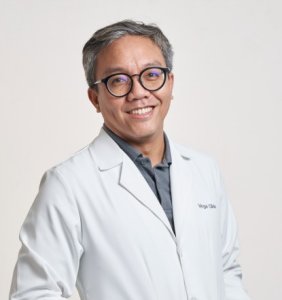
Especializado en medicina regenerativa con certificación del American Board: el Dr. Thongthaisin dirige la terapia con células madre en Vega Clinic.
Stem cell therapy for ankylosing spondylitis in Thailand uses mesenchymal stem cells to reduce inflammation and support tissue repair. Treatment involves injections of allogeneic stem cells from umbilical cord and amniotic fluid. It aims to control autoimmune response and slow new bone growth in joints.
Bookimed Expert Insight: Clinics in Thailand are focused on allogeneic stem cell techniques, especially umbilical cord sources. The Demarest Clinic leads in protocol updates through a global network, which can help patients access the latest research-driven care for this complex condition.
Patient Consensus: Some patients see early improvement, but results vary widely. Many say stem cell therapy feels experimental and advise caution. Stay aware that most Thai centres focus on fibromyalgia and may not treat ankylosing spondylitis specifically.
Not all ankylosing spondylitis patients are suitable for stem cell therapy in Thailand. Candidates must undergo a thorough assessment, excluding those with late-stage disease or multiple health issues. Treatment primarily targets early to moderate stages to reduce inflammation and modulate the immune response.
Bookimed Expert Insight: Clinics in Thailand focus on early disease stages, with thorough screening to exclude complicated cases. Bangkok’s ID Clinic treats 4,000+ adults yearly with a 95% success rate in stem cell therapies for other conditions, showing experienced care for selected patients.
Patient Consensus: Patients warn stem cell therapy for ankylosing spondylitis in Thailand is experimental and not a guaranteed cure. Many say it’s a last resort after standard treatments fail, with improvement varying widely.
Stem cell treatment for ankylosing spondylitis in Thailand mainly involves intravenous or intramuscular injections. Single injection sessions are common, with effects expected in 3–4 weeks. Clinics use general stem cell protocols without specific targeting of spinal inflammation or detailed chemotherapy involvement.
Bookimed Expert Insight: Australian patients should note treatments in Thailand lean towards simple injection protocols without chemotherapy-based stem cell transplants. Clinics like ID Clinic Bangkok and The Demarest Clinic use cultured cell techniques, but focused AS protocols are rare. Confirm cell sources and safety standards before proceeding.
Patient Consensus: Patients say stem cell injections in Thailand often come as one-off sessions with improvement expected after weeks. Many recommend checking with an Australian rheumatologist first and treating this approach as experimental rather than a cure.
Conventional treatment for ankylosing spondylitis (AS) in Thailand manages inflammation and symptoms using NSAIDs, DMARDs, and biologics. Stem cell therapy aims to modulate the immune system and promote tissue repair with mesenchymal stem cells. Stem cell therapy remains experimental for AS and is less proven than conventional methods.
Bookimed Expert Insight: Thailand offers stem cell therapy with AABB-certified labs and allogeneic umbilical cord cells, mostly at newer clinics like The Demarest in Phuket. Conventional AS treatments are widely accessible, but stem cell therapy's impact on disease progression remains unclear. This gap highlights a cautious approach for Australians seeking proven care.
Patient Consensus: Patients in Thailand find conventional treatments reliably control inflammation and pain. Stem cell therapy for AS is viewed as experimental, with little symptom relief reported weeks after treatment. Advice focuses on following conventional medical standards and consulting specialists on clinical trials.
Stem cell therapy for ankylosing spondylitis in Thailand is considered experimental and not widely approved by medical authorities. Only a few private clinics provide allogeneic stem cell treatments, often using amniotic fluid or umbilical cord cells. The therapy lacks standard approval and clinical protocols.
Bookimed Expert Insight: Thailand’s stem cell therapy for ankylosing spondylitis remains niche with just a couple of specialised clinics. The Demarest Clinic has official Health Ministry backing, which is rare amid mostly unregulated providers. Australian patients benefit from choosing clinics with clear certification and research links.
Patient Consensus: Patients note that stem cell therapy in Thailand is experimental with uncertain results. Many suggest it’s wise to treat this as an alternative option, not a guaranteed fix, and to research thoroughly before travel.