Terapia con células madre para el dolor crónico en Tailandia — obtén 3 clínicas con costos


Revisado médicamente por
Fahad Mawlood
¿Cuál es el precio de Terapia con células madre para el dolor crónico en Tailandia? Descubra ahora
La terapia con células madre para el dolor crónico en Tailandia suele costar desde $1,500 / 55,500฿ hasta $1,500 / 55,500฿. El precio depende de la clínica, la experiencia del médico, el tipo y origen de las células madre (autólogas, alogénicas o derivadas del cordón umbilical) y la cantidad de inyecciones necesarias. UU.
Las clínicas tailandesas suelen incluir en el precio la consulta inicial, la recolección o preparación de células madre, las inyecciones, los análisis de laboratorio básicos y el seguimiento. En EE. UU., los costos de procesamiento celular, imágenes y cuidados posteriores suelen cobrarse por separado. Siempre confirmar qué está incluido en cada clínica antes de reservar.
Sus beneficios y garantías con Bookimed
Precios directos
Bookimed no añade cargos adicionales a los precios de Terapia con células madre para el dolor crónico. Las tarifas proceden de las listas de precios oficiales de las clínicas. Pagará directamente en la clínica por su Terapia con células madre para el dolor crónico a su llegada al país.
Sólo clínicas y médicos verificados
Bookimed está comprometido con su seguridad. Solo trabajamos con las clínicas que mantienen altos estándares internacionales en Terapia con células madre para el dolor crónico y tienen las licencias necesarias para atender a pacientes internacionales en todo el mundo.
Asistencia 24/7 gratuita
Bookimed ofrece asistencia experta gratuita. Un coordinador médico personal le apoya antes, durante y después del tratamiento, resolviendo cualquier problema. Nunca estará solo en su viaje médico de Terapia con células madre para el dolor crónico.

Su coordinador médico personal de Bookimed
- Le apoya en cada etapa
- Ayuda a elegir la clínica y el médico adecuados
- Asegura un acceso rápido y conveniente a la información
Descubra las mejores clínicas de Terapia con células madre para el dolor crónico en Tailandia: 4 opciones verificadas y Precios
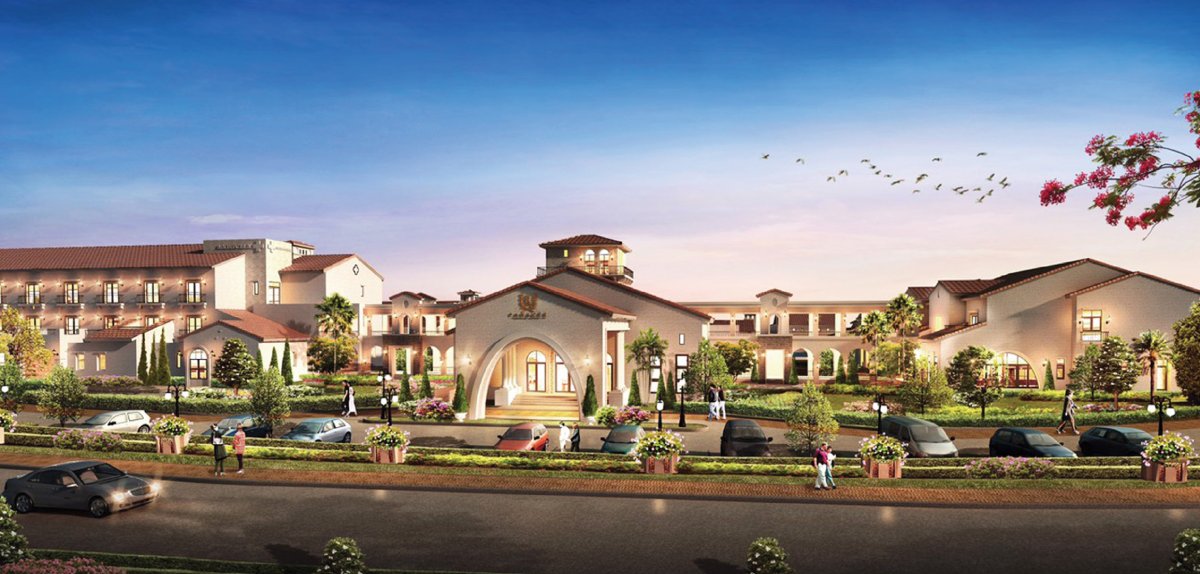
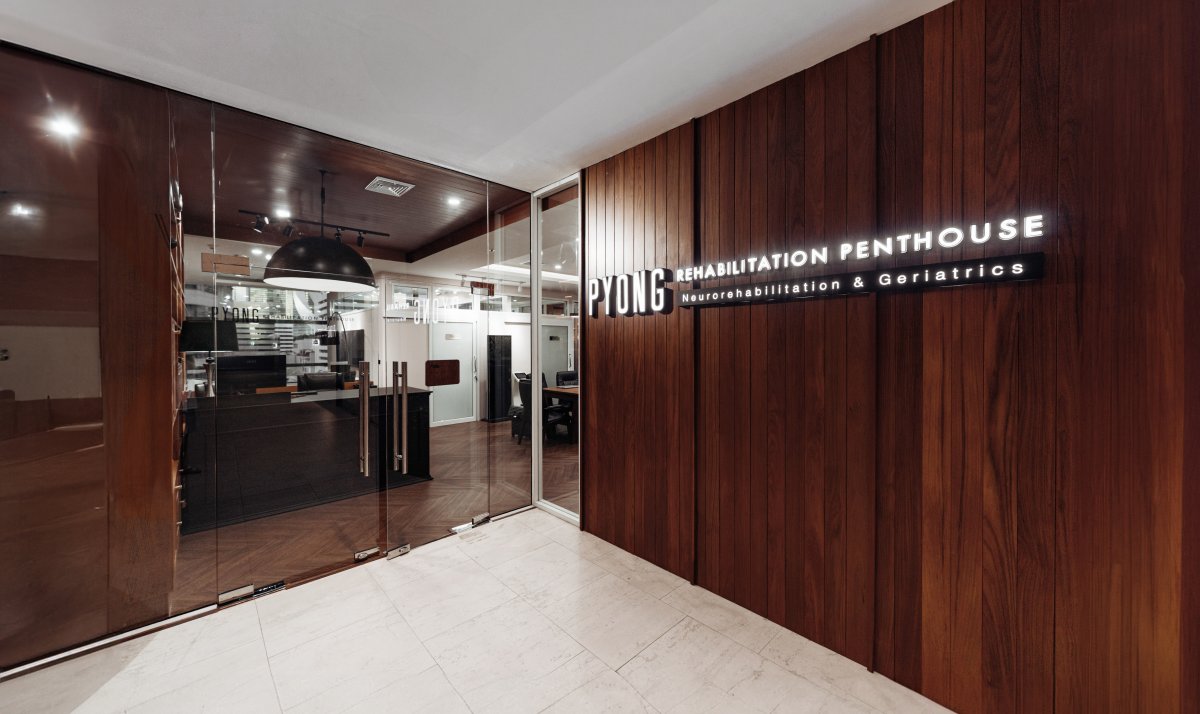
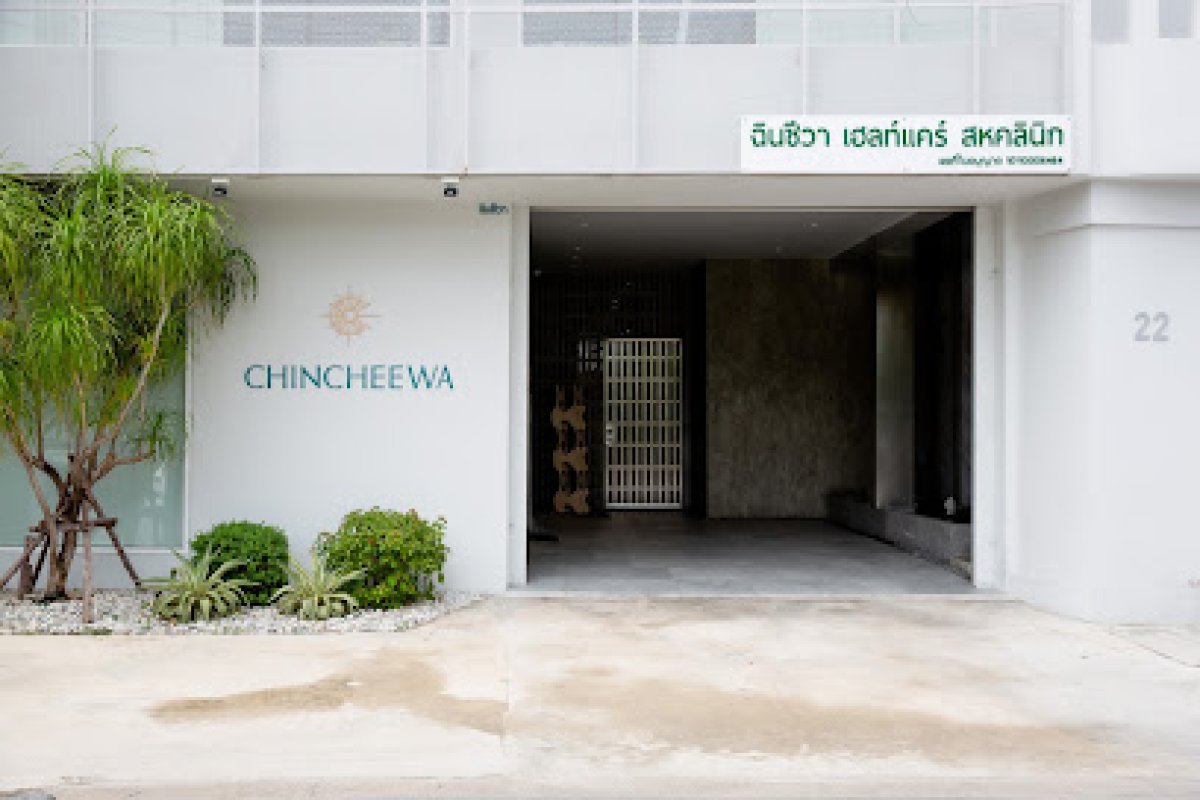
Chincheewa Healthcare Clinic
Descripción general de Terapia con células madre para el dolor crónico en Tailandia
- Terapia con células madre - de $1,800Esta terapia es un tratamiento que usa células del cuerpo para reparar tejidos dañados. Es eficiente, seguro y versátil.
- Terapia con células madre para la artritis - de $2,700Esta terapia utiliza las propias células para reparar las articulaciones dañadas, reduciendo el dolor y la inflamación asociados con la artritis.
- Terapia con células madre para el autismo - de $5,300Esta terapia utiliza las propias células del cuerpo para reparar el daño cerebral relacionado con el autismo y ofrece una mejor conducta social.
- Esta terapia utiliza células regenerativas para tratar el daño cerebral y mejorar las funciones motoras en personas con parálisis cerebral.
- Esta terapia utiliza células mantenidas por el cuerpo para retrasar la progresión de la enfermedad de Parkinson, mejorando la función y la actividad del cerebro.
- Esta terapia utiliza células madre para reparar las células pancreáticas dañadas, lo que podría controlar los síntomas de la diabetes.
- Terapia con células madre para las rodillas - de $2,400Esta terapia se basa en el potencial de autocuración, inyectando células recolectadas en las articulaciones de la rodilla para reparar el cartílago dañado.
- Curso de tratamiento con células madre propias - de $6,500Esta terapia utiliza sus células madre para reparar células y tejidos dañados, mejorando su salud.
- Depósito de Bookimed: 200 $ o 200 €.
- Depósito de la clínica: Pague un porcentaje fijo por adelantado.
Obtenga una evaluación médica de Terapia con células madre para el dolor crónico en Tailandia: haga una consulta con 6 médicos experimentados ahora
Ver todos los médicos
Chollawat Thongthaisin
Certificado en Medicina Regenerativa – El Dr. Thongthaisin lidera la terapia con células madre en Vega Clinic, especializándose en tratamientos avanzados.
- Formado en Radiología en el Hospital Thammasat
- Especializado en Medicina Regenerativa en BDMS, el grupo hospitalario privado más grande de Tailandia
- Investiga y ofrece consultas expertas en terapias con células madre
- Trabaja en el departamento de Anti-envejecimiento y Cirugía Plástica del Hospital Jomtien
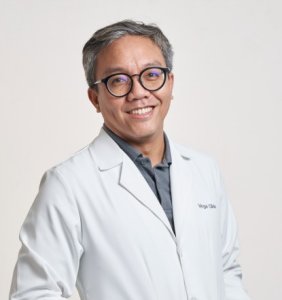
Ekkaparb Charoensuk
El Dr. Ekkaparb Charoensuk (Doctor Neung) es médico especializado en medicina integrativa, regenerativa y preventiva. Cuenta con más de 15 años de experiencia en atención clínica, salud preventiva y terapias regenerativas. Forma parte del equipo médico de la clínica. Colabora en procedimientos dermatológicos, tratamientos estéticos y cuidados regenerativos.
Acreditaciones: MD (Universidad Mahidol); Mini Máster en Gestión de la Salud (Salud Pública), Instituto de Desarrollo de la Salud
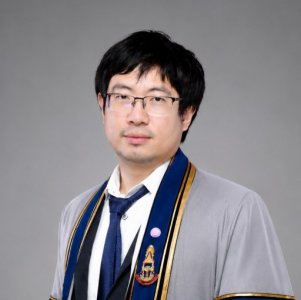
Pongsathron Liengwattanakol
El Dr. Pongsathron Liengwattanakol, M.D., es cirujano ortopédico en el Mali Interdisciplinary Hospital de Bangkok. Obtuvo su M.D. en la Universidad de Thammasat (2007–2013). Completó la residencia en cirugía ortopédica en la Universidad de Thammasat (2016–2021). Anteriormente se desempeñó como médico general y ortopedista en el Hospital Buddhasothorn. También trabajó como cirujano ortopédico en Asia International Hospital.
Sus acreditaciones incluyen certificación por la junta en Medic
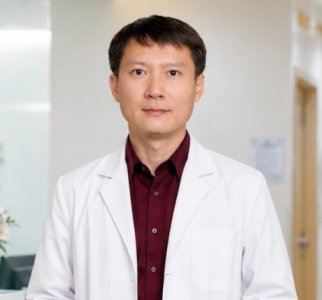
Issariya Wongla
El Dr. Issariya Wongla (Dr. Tuck) es cirujano general certificado por la Junta Tailandesa de Cirugía General en el Hospital Rajavithi. Tiene un título de médico (MD) por la Universidad de Naresuan y cuenta con licencia del Consejo Médico de Tailandia. Es miembro activo de la Asociación Tailandesa de Cirugía y Medicina Estética.
En la Unidad de Dermatología y Cuidado de Heridas Vega, brinda atención quirúrgica en programas avanzados de cuidado de heridas y regeneración. Sus áreas de enf
Historias en video de pacientes de Bookimed
Reseñas
Todas las reseñasCompartir contenido
 Olena Sikoza
Preguntas frecuentes sobre Terapia con células madre para el dolor crónico en Tailandia
¿El tratamiento con células madre para el dolor crónico está regulado legalmente y es seguro en Tailandia?
El tratamiento con células madre para el dolor crónico está regulado legalmente en Tailandia por el Ministerio de Salud Pública y la Administración de Alimentos y Medicamentos de Tailandia. La seguridad depende de elegir hospitales autorizados que utilicen estándares de Buenas Prácticas de Manufactura para productos medicinales de terapia avanzada, como las células madre mesenquimales.
- Situación legal: Las terapias basadas en células se clasifican como medicamentos en el marco de la Ley de Medicamentos de Tailandia.
- Proveedores autorizados: Solo los hospitales y clínicas autorizados bajo supervisión del Ministerio de Salud Pública realizan los procedimientos.
- Tipos de células: Las instalaciones utilizan tejido de cordón umbilical, médula ósea o células madre mesenquimales para el tratamiento.
- Verificación del proveedor: Los pacientes deben verificar las licencias de los médicos a través de la base de datos del Consejo Médico de Tailandia.
Perspectiva de un experto de Bookimed: Los pacientes a menudo pasan por alto que los centros especializados de rehabilitación ofrecen estándares de seguridad más altos que las clínicas generales de bienestar. Por ejemplo, Panacee Hospital Rama 2 cuenta con la certificación ISO 9001:2015 y utiliza rejuvenecimiento celular certificado por GMP. Elegir centros con enfoques específicos en neurorrehabilitaci
¿Qué tipos de afecciones de dolor crónico se tratan habitualmente con terapia de células madre en Tailandia?
La terapia con células madre en Tailandia se utiliza comúnmente para tratar la osteoartritis de rodilla, cadera y hombro, así como la enfermedad degenerativa del disco que causa dolor crónico de espalda y cuello. Las clínicas se especializan en el uso de células madre mesenquimales para abordar la inflamación derivada de lesiones deportivas, tendinitis del manguito rotador y síntomas de neuropatía periférica.
- Afecciones articulares: Tratamiento de la osteoartritis, el desgaste del cartílago y los desgarros de menisco en las principales articulaciones que soportan peso.
- Problemas de columna: Abordaje del dolor lumbar causado por discos intervertebrales abultados o degenerados.
- Tejidos blandos: Manejo de la tendinitis crónica del tendón de Aquiles y del codo de tenista que no responden a la fisioterapia.
- Dolor neuropático: Uso de propiedades neuroprotectoras para aliviar el dolor nervioso y ciertas afecciones autoinmunes.
Perspectiva de un experto de Bookimed: Las clínicas tailandesas a menudo se diferencian al ofrecer combinaciones de alta tecnología, como células madre de sangre periférica y exosomas. En Panacee Hospital Rama 2, los médicos utilizan rejuvenecimiento celular certificado por GMP junto con cannabis medicinal. Este enfoque integrador ayuda a controlar los niveles de dolor de forma más eficaz que usar únicamente inyecciones
¿Cuánto tiempo dura la recuperación después de la terapia con células madre para el dolor crónico en Tailandia?
El tiempo de recuperación después de la terapia con células madre para el dolor crónico en Tailandia normalmente permite retomar las actividades diarias en un plazo de 24 a 72 horas. La molestia inicial suele persistir entre 48 horas y 2 semanas, mientras que un alivio significativo del dolor generalmente se desarrolla durante 2 a 3 meses a medida que ocurre la regeneración celular.
- Tiempo inicial de inactividad: La mayoría de los pacientes retoma actividades ligeras y el trabajo de oficina en un plazo de 1 a 3 días.
- Curación biológica: La reducción medible del dolor y la reparación de los tejidos suelen manifestarse entre las semanas 4 y 12.
- Resultados máximos: La recuperación funcional máxima y los beneficios terapéuticos a menudo tardan hasta 8 meses.
- Límites de actividad: Los médicos aconsejan evitar el ejercicio intenso o los medicamentos antiinflamatorios durante al menos 2 semanas.
Perspectiva de un experto de Bookimed: Las clínicas tailandesas suelen integrar la terapia celular con tecnologías avanzadas de rehabilitación para acelerar la recuperación. Clínicas como Chincheewa Healthcare informan que el 85% de los pacientes que utilizaron hidroterapia junto con el tratamiento redujeron los analgésicos en un plazo de 8 semanas. Elegir centros con certificación ISO 9001:2015, como Panacee Hospital, garantiza una calidad celular est
¿Por qué los pacientes internacionales eligen Tailandia para la terapia con células madre para el dolor crónico en lugar de los países occidentales?
Los pacientes internacionales eligen Tailandia para aliviar el dolor crónico debido al acceso ampliado a protocolos con células madre de cordón umbilical y células madre mesenquimales, restringidos en los países occidentales. Este acceso se combina con instalaciones de primer nivel que utilizan laboratorios certificados según las Buenas Prácticas de Manufactura, y los costos promedio oscilan entre Precio a consultar y Precio a consultar.
- UU.
- Accesibilidad regulatoria: La supervisión local permite el uso clínico de terapias celulares avanzadas más allá de los ensayos experimentales.
- Infraestructura especializada: Instalaciones como Panacee Hospital Rama 2 mantienen certificaciones de la Organización Internacional de Normalización (ISO).
- Profesionales expertos: Cirujanos como el Dr. Bee Thamonwan Trongpanyachot han realizado más de 10.000 procedimientos regenerativos.
Perspectiva del experto de Bookimed: Aunque muchas personas asumen que los precios más bajos implican menos servicios, las clínicas tailandesas suelen ofrecer tecnología más avanzada. Centros como Chincheewa Healthcare integran la terapia con células madre con terapia de ondas de choque y entrenamiento robótico de la marcha