El costo de la terapia con células madre para lesiones de la médula espinal en Tailandia suele oscilar entre $50,000 / 1,850,000฿ y $110,000 / 4,070,000฿. Los precios pueden variar según la clínica, la experiencia del especialista, la cantidad de inyecciones de células madre y si se utilizan células madre autólogas o alogénicas. En Estados Unidos, el costo promedio es de $175,000 / 6,475,000฿ (según ISCT). Esto significa que la terapia con células madre en Tailandia puede ser aproximadamente un 54% menos costosa que en EE. UU.
Las clínicas tailandesas suelen incluir la consulta inicial, pruebas de laboratorio, recolección y procesamiento de células madre, el procedimiento de inyección, la estancia hospitalaria y las visitas de seguimiento. En EE. UU., los precios a menudo cubren solo el procedimiento en sí, con cargos adicionales por análisis de laboratorio, imágenes y cuidados posteriores. Siempre confirmar exactamente qué está incluido en el paquete de tratamiento en cada clínica.
| Tailandia | España | Turquía | |
| Tratamiento con células madre para lesiones de la médula espinal | de $50,000 / 1,850,000฿ | de $45,000 / 1,665,000฿ | de $15,000 / 555,000฿ |
Bookimed no añade cargos adicionales a los precios de Tratamiento con células madre para lesiones de la médula espinal. Las tarifas proceden de las listas de precios oficiales de las clínicas. Pagará directamente en la clínica por su Tratamiento con células madre para lesiones de la médula espinal a su llegada al país.
Bookimed está comprometido con su seguridad. Solo trabajamos con las clínicas que mantienen altos estándares internacionales en Tratamiento con células madre para lesiones de la médula espinal y tienen las licencias necesarias para atender a pacientes internacionales en todo el mundo.
Bookimed ofrece asistencia experta gratuita. Un coordinador médico personal le apoya antes, durante y después del tratamiento, resolviendo cualquier problema. Nunca estará solo en su viaje médico de Tratamiento con células madre para lesiones de la médula espinal.
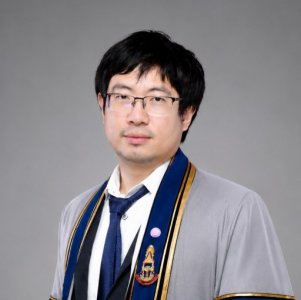
Especializado en medicina regenerativa con formación del American Board of Regenerative Medicine. El Dr. Thongthaisin lidera la investigación de células madre en Vega Clinic.
Lideró la primera cirugía transesfenoidal endoscópica del Hospital Bangkok Chanthaburi, un avance mínimamente invasivo para los tumores hipofisarios. El Dr. Polpong combina la neurocirugía con la medicina regenerativa en EDNA Wellness.
Stem cell therapy for spinal cord injuries in Thailand involves manageable side effects. Most patients report transient backache or minor headaches. Serious complications like infection or abnormal cell growth are rare. Clinics reduce these risks through GMP-certified laboratory standards, neurosurgeon-led protocols, and individualised treatment plans.
Bookimed Expert Insight: High-level neurosurgical involvement drives risk reduction in Thailand. At EDNA Wellness, the Chief Physician is a neurosurgeon with 15 years of experience. This specialist performs procedures under international standards. Surgical oversight is critical because spinal cord treatments require precise delivery methods.
Patient Consensus: Patients suggest confirming the delivery method beforehand. This is because intravenous routes may struggle to reach the injury site. They also note the importance of choosing Thai clinics with GMP-certified labs to maintain cell quality.
Thai clinics treat spinal cord injuries through a specialised regenerative protocol. This involves harvesting, expanding, and then precisely administering mesenchymal stem cells. Specialists in Bangkok use GMP-certified laboratories to culture high-concentration doses. These are delivered via lumbar puncture or direct injection using imaging guidance.
Bookimed Expert Insight: Many international hubs focus only on cell delivery. In contrast, Bangkok protocols stand out by integrating neurosurgical expertise. For instance, Dr Pongwat Polpong has 15+ years of experience and 2,000+ procedures. This means a qualified neurosurgeon supervises treatments rather than a GP.
Patient Consensus: Patients in Thailand report that packages typically merge stem cell injections with intensive physical therapy. Success varies, so many recommend requesting the specific lab standards and imaging protocols in writing before travelling.
Thai spinal cord programs primarily use Mesenchymal Stem Cells (MSCs). These are sourced from umbilical cord tissue, adipose tissue, or bone marrow. These multipotent cells secrete essential growth factors and reduce inflammation at the injury site. They also promote new blood vessel formation to assist recovery.
Bookimed Expert Insight: Quality assurance is a major differentiator in Bangkok. Leading programs at EDNA Wellness partner with the Thailand Institute of Scientific and Technological Research. They also use GMP-certified labs. This manufacturing transparency involves government-level scientific partnerships. It provides a higher safety benchmark than clinics using small, private in-house laboratories.
Patient Consensus: Patients find that Thai programs frequently combine mesenchymal stem cells with exosomes or biologics. They suggest confirming the exact cell dose and delivery method. Common methods include lumbar puncture or intravenous injection. This should be confirmed before starting treatment in Thailand.
Inpatient rehabilitation for spinal cord injuries in Thailand typically lasts between 14 and 31 days. This intensive phase is usually bundled into comprehensive treatment packages. These cover surgical fees, stem cell infusions, laboratory costs, and daily physiotherapy sessions to stimulate nerve regeneration.
Bookimed Expert Insight: While many clinics offer quick infusions, recovery programs at centres like EDNA Wellness include a mandatory 1-day hospital stay. This comes with 24-hour nursing to ensure immediate post-procedure safety. Long-term functional gains often require continuing physiotherapy for 6 to 12 months after returning to Australia.
Patient Consensus: Patients find that success depends on rigorous daily exercise like swimming or adaptive cycling. Combining clinical infusions with a structured, months-long physical therapy routine in Thailand leads to the best results.
Major medical centres for spinal cord stem cell therapy are concentrated in Bangkok, Pattaya, and Phuket. Centres like EDNA Wellness and Vega Clinic provide physician-led protocols. These programs typically combine mesenchymal stem cell infusions with intensive neuro-rehabilitation. They also use neurosurgical oversight to improve functional recovery.
Bookimed Expert Insight: Data shows the strongest programs are led by neurosurgeons rather than general practitioners. Dr Pongwat Polpong at EDNA Wellness brings 15+ years of neurosurgical experience to regenerative protocols. This clinical oversight is vital for spinal cases needing targeted delivery and specialist monitoring.
Patient Consensus: Patients find Bangkok remains the most reputable hub for neurological stem cell treatments in Thailand. Experience shows that combining therapy with documented follow-up improves long-term support after returning home. Remote video consultations also help maintain this care.