El costo del Tratamiento Capilar con Células Madre en Tailandia suele oscilar de $3,500 / 129,500฿ a $6,000 / 222,000฿. El precio varía según la clínica, la experiencia del médico, la cantidad de sesiones y la tecnología específica de células madre utilizada. En Estados Unidos, el costo promedio es de $15,000 / 555,000฿ (según ISHRS). Esto significa que el Tratamiento Capilar con Células Madre en Tailandia puede ser aproximadamente un 68% más económico que en EE. UU.
Las clínicas tailandesas suelen incluir la consulta inicial, análisis de sangre preoperatorios, medicación posterior al tratamiento, visitas de seguimiento y atención al paciente las 24 horas. Los paquetes a menudo cubren planes de tratamiento personalizados, personal que habla inglés, instrucciones postoperatorias y comidas durante las visitas a la clínica. En EE. UU., los honorarios por consultas, análisis de sangre, cuidados posteriores y soporte suelen cobrarse por separado. Siempre confirmar exactamente qué está incluido con la clínica elegida.
| Tailandia | España | Turquía | |
| Tratamiento capilar con células madre | de $3,500 / 129,500฿ | de $3,800 / 140,600฿ | de $3,200 / 118,400฿ |
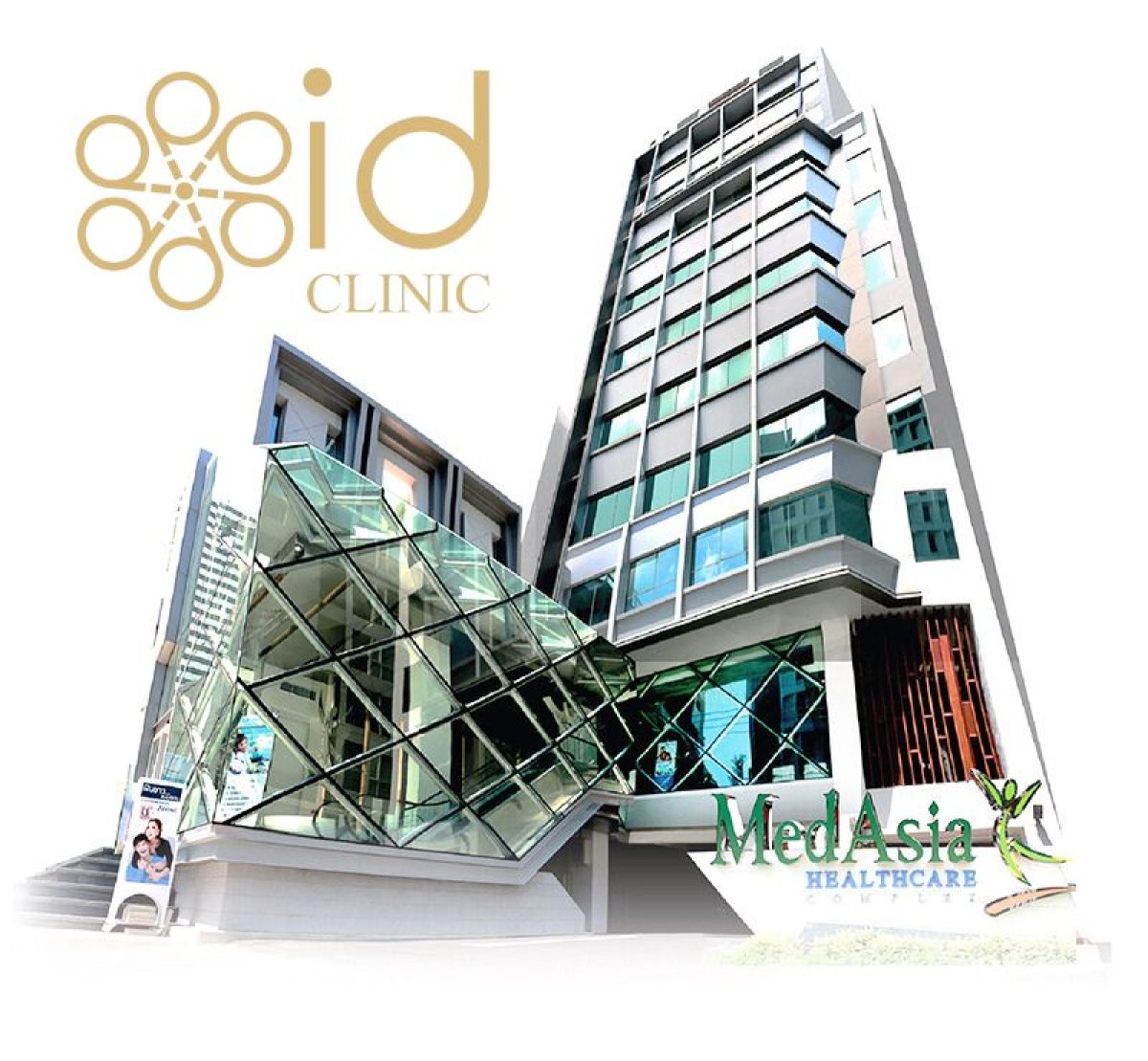
El Dr. Phatcharasak Kraisornphongsakul Md se especializa en tratamientos capilares con células madre en la Clínica ID de Bangkok.
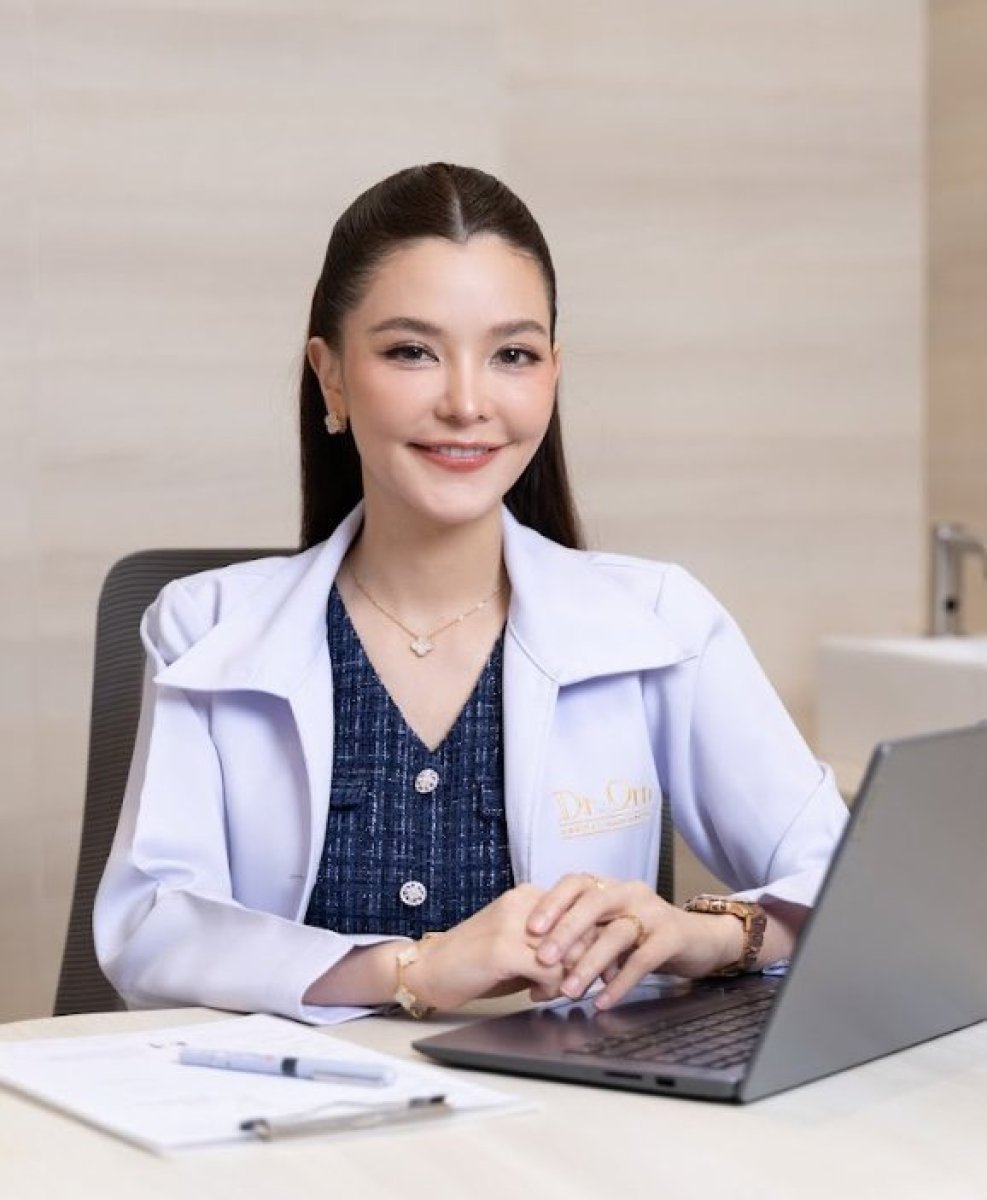
El Dr. Ariyapon Lortaraprasert se especializa en cirugía de restauración capilar, dermatología y medicina estética. Es miembro de la International Society of Hair Restoration Surgery (ISHRS), FUE Europe y World FUE Institute. Está certificado en el sistema robótico ARTAS.
Sus credenciales incluyen un Certificado en Dermatología (Sociedad Dermatológica de Tailandia) y un Certificado en Medicina Estética (AAAM). Tiene formación en Thermage, Restylane, Botox, Dysport, Juvederm y Ulthera. Asistió a siete reuniones de la ISHRS (2014–2020) y a dos de FUE Europe (2016, 2019). También participó en un taller de cirugía en vivo (2019), una reunión de cirugía capilar regenerativa (2019) y el 8.º Congreso A4M Thailand (2016).
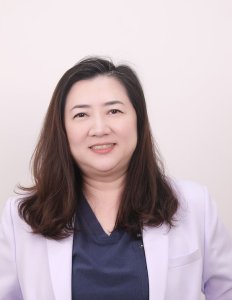
La Dra. Sirintip Jira-adisai se especializa en Medicina Anti-Envejecimiento y Dermatología, ayudando a los pacientes a lograr una piel joven y saludable en el Asia Cosmetic Hospital.
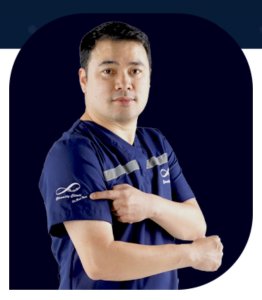
Certificado en Medicina Regenerativa por la Junta Americana de Medicina Regenerativa – El Dr. Thongthaisin se especializa en tratamientos de vanguardia con células madre en Vega Clinic.
Top-rated stem cell hair treatment doctors in Thailand are board-certified experts specializing in regenerative medicine and advanced dermatology. These specialists hold prestigious credentials from the American Board of Regenerative Medicine and the International Society of Hair Restoration Surgery (ISHRS) to provide natural hair growth results.
Bookimed Expert Insight: Data shows a high concentration of Thai specialists at Harmony Life Center and Vega Clinic hold dual certifications in anti-aging and regenerative medicine. This combination is rare globally and allows doctors to address hair loss through both follicular regeneration and hormonal optimization.
Patient Consensus: Patients often mention how comfortable they felt during the micrografting process because the clinics provide detailed step-by-step explanations. Many were pleasantly surprised that they could return to their normal routine almost immediately after the session.
Qualified Thai stem cell hair specialists hold Thai Medical Council licenses and board certifications. Look for dermatologists or plastic surgeons with regenerative medicine training. Top experts often hold American Board of Anti-Aging and Regenerative Medicine (ABAARM) credentials. They use laboratories with Good Manufacturing Practice certification.
Bookimed Expert Insight: Thai specialists often combine hair restoration with anti-aging expertise. Many doctors in Bangkok clinics hold dual international certifications. They often train in both the US and Thailand. This provides a broader perspective on regenerative hair growth techniques. Bookimed manages all credential verification and clinic logistics for you.
Patient Consensus: Patients note that doctors provide very detailed explanations about cell viability. They feel comfortable when clinics show clear laboratory quality certificates. Many are surprised by the thorough medical history checks performed before treatment.
Stem cell hair specialists in Thailand typically possess between 10 and 30+ years of medical experience. Leading practitioners often hold board certifications in dermatology or regenerative medicine. Many experts have performed 10,000+ to 20,000+ hair restoration procedures throughout their careers in Bangkok clinics.
Bookimed Expert Insight: Data shows that Thailand's most experienced hair specialists often possess dual expertise in urology or dermatology. For example, Dr. Suebphong Angchoun at Eternity Clinic has over 20 years of experience and offers consultations from $30. This suggests that the most seasoned practitioners often apply regenerative techniques across multiple medical fields.
Patient Consensus: Patients note that actual experience with stem cells can be shorter than a doctor's total medical career. They often find before-and-after photos more helpful than just looking at years of practice. Real stories emphasize that clear communication about results matters most during the journey.
You can consult with Thai stem-cell hair doctors remotely before traveling to Bangkok. Leading specialists use virtual calls and photo reviews to assess your scalp health. This process determines if regenerative therapies like MSCs or exosomes are suitable for your hair loss type.
Bookimed Expert Insight: Thai specialists often hold board certifications in both dermatology and regenerative medicine. For instance, Dr. Natthaphon Suwan and Dr. Gorpong Koowattanataworn at Harmony Life Center are American Board-certified in Anti-Aging Medicine. This dual expertise allows them to address hair thinning through hormonal balance and cell therapy simultaneously.
Patient Consensus: Patients note that initial video calls made them feel much more comfortable about the trip. They appreciate that doctors explain the difference between various stem cell types without using confusing jargon. Many felt relieved after seeing a clear plan for their recovery days in Bangkok.
Thai stem cell hair doctors provide follow-up care for international patients primarily through remote telemedicine and structured digital check-ins. Leading specialists use virtual platforms to monitor follicle regeneration and hair density. These consultations allow doctors to adjust topical protocols once patients return to their home countries.
Bookimed Expert Insight: Data suggests that patients choosing doctors with dual certifications, such as Dr. Natthaphon Suwan at Harmony Life Center, find better aftercare alignment. Dr. Suwan holds both U.S. ABAARM and Thai Board certifications. This international background often results in more standardized follow-up documentation. Such documentation is vital for patients who need to coordinate progress with their local dermatologists back home.
Patient Consensus: Patients note that aftercare often involves receiving instruction videos and digital guides via email. Many stay in-country for about one week for a final physical check-up. They also mention that joining clinic-specific social groups helps get faster responses from nursing staff for routine questions.
Thai stem cell hair doctors communicate with foreign patients through a structured system of international medical departments. They use English-speaking coordinators and digital platforms like WhatsApp and Zoom. Many specialists hold American Board certifications. These credentials ensure they follow international medical terminology and safety protocols.
Bookimed Expert Insight: Data shows a high concentration of American Board-certified specialists at clinics like Harmony Life Center and Vega Clinic. For example, Dr. Pichayanith Sroysuwan and Dr. Gorpong Koowattanataworn hold ABAARM credentials. These US-standard certifications indicate that while daily talk may involve translators, the medical framework follows Western standards.
Patient Consensus: Patients note that initial chats via messaging apps are smooth and very helpful. Some suggest having medical details confirmed in writing to avoid any technical misunderstandings. Real experiences show that having a dedicated coordinator makes the hospital journey much easier.
Nombre oficial | El reino de Tailandia |
Moneda | Baht tailandés (también puedes pagar los servicios en dólares) |
Mejor época para viajar | noviembre-principios de abril |
Idioma | Tailandés (la mayoría del personal médico habla inglés con fluidez) |
Visa | requerido para un viaje de 3-6 meses |
Diferencia horaria con Europa | 7:00 |
Diferencia horaria de Estados Unidos | 12 horas |
Capital | bangkok |
Centro de Turismo Médico | bangkok |
Estaciones populares | Koh Samui, Phuket, Chiang Mai, Koh Chang, Hua Hin |
El cuidado de la salud es un sector de desarrollo clave para el gobierno tailandés. Las autoridades tailandesas están convencidas de que el cuidado de la salud de los ciudadanos debe ser una prioridad incondicional de la política estatal y gastan anualmente alrededor de 25 mil millones de baht en atención médica.
Como resultado, 36.673 establecimientos médicos brindan una excelente atención médica en el país. 64 centros médicos en el Reino están certificados por JCI (Joint Commission International) , un organismo internacional para mejorar la calidad y seguridad de los servicios médicos en todo el mundo. El índice de certificados recibidos es el más grande. A modo de comparación, hay 20 instituciones acreditadas por la JCI en Israel y solo 10 clínicas de este tipo en Alemania.
En el Reino de Tailandia existen hoteles de diferentes rangos de precios y niveles de servicio. El nivel de los hoteles tailandeses es comparable al de los hoteles de Túnez, Marruecos o Egipto. La mayoría de los turistas eligen hoteles de 4 y 5 estrellas con comidas todo incluido. Dichos hoteles tienen todo para una estancia confortable: comida variada, amplio territorio bien cuidado, animación para niños y adultos. Algunos hoteles tienen su propio parque acuático, que los huéspedes pueden utilizar de forma gratuita. Los viajeros con poco presupuesto pueden permitirse reservar un hotel económico de 3 estrellas con media pensión o sin comidas.
La principal ventaja de los resorts tailandeses es una larga temporada de playa. El clima es diferente en las costas este y oeste, así que tenlo en cuenta cuando planifiques tu viaje. La mejor época para viajar es durante la estación fresca y seca, de noviembre a principios de abril. Una gran afluencia de turistas se produce en marzo-mayo, cuando la temperatura del aire alcanza los +30°C.
Por el momento, el Reino de Tailandia requiere diferentes regímenes de visa para diferentes estados. Algunos extranjeros pueden permanecer en el país sin control de visa durante 60 días, algunos, solo 14 días.
Cuánto tiempo puede permanecer en Tailandia y qué países pueden cruzar la frontera lea fácilmente aquí .
Para solicitar una visa a Tailandia, se requieren una serie de documentos. La documentación necesaria se puede presentar 90 días antes de la salida prevista. La lista de documentos incluye :