El costo de la terapia con células madre para enfermedades cardíacas en Tailandia suele oscilar de $20,000 / 740,000฿ a $35,000 / 1,295,000฿. Los precios varían según la clínica, la experiencia del cardiólogo, el tipo y origen de las células madre utilizadas y la complejidad de la condición del paciente. En Estados Unidos, el costo promedio es $42,500 / 1,572,500฿ (según datos de la AHA). Esto significa que la terapia con células madre en Tailandia es aproximadamente un 35% menos costosa que en EE. UU.
Los paquetes en Tailandia suelen incluir la consulta inicial, análisis de sangre preoperatorios, medicación postoperatoria, consultas de seguimiento y asistencia al paciente en inglés las 24 horas. Los pacientes también reciben un plan de tratamiento personalizado, instrucciones de cuidado postoperatorio y comidas durante las visitas a la clínica. En EE. UU., cada servicio—consultas, análisis de laboratorio, medicamentos y seguimientos—suele facturarse por separado. Siempre confirmar exactamente qué está incluido en cada clínica.
| Tailandia | España | Turquía | |
| Células madre para enfermedades del corazón | de $20,000 / 740,000฿ | de $30,000 / 1,110,000฿ | de $16,000 / 592,000฿ |
Bookimed no añade cargos adicionales a los precios de Células madre para enfermedades del corazón. Las tarifas proceden de las listas de precios oficiales de las clínicas. Pagará directamente en la clínica por su Células madre para enfermedades del corazón a su llegada al país.
Bookimed está comprometido con su seguridad. Solo trabajamos con las clínicas que mantienen altos estándares internacionales en Células madre para enfermedades del corazón y tienen las licencias necesarias para atender a pacientes internacionales en todo el mundo.
Bookimed ofrece asistencia experta gratuita. Un coordinador médico personal le apoya antes, durante y después del tratamiento, resolviendo cualquier problema. Nunca estará solo en su viaje médico de Células madre para enfermedades del corazón.
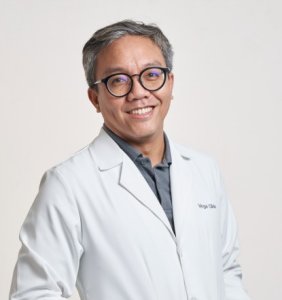
Certificado en medicina regenerativa: el Dr. Thongthaisin dirige la terapia con células madre en Vega Clinic, parte del grupo de hospitales privados más grande de Tailandia.
El Dr. Piyaphon On-phoon se especializa en medicina antienvejecimiento y regenerativa. También realiza terapia de quelación e inmunoterapia con infusiones de vitaminas y nutrientes a altas dosis.
Trata la disfunción eréctil y ofrece terapia de reemplazo hormonal. Brinda atención preventiva para enfermedades no transmisibles como hipertensión, aterosclerosis, diabetes y dislipidemia. Además, trata enfermedades de la piel y ofrece procedimientos estéticos con láser, HIFU, Thermage, Botox e inyecciones de relleno.
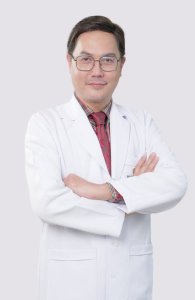
El Dr. Sarunyoo Suttipongkeat está formado en cardiología y cardiología intervencionista. Completó una beca clínica en Cardiología Intervencionista (2015–2016) y una beca en Cardiología (2013–2015) en la División de Cardiología, Facultad de Medicina del Hospital Siriraj, Universidad Mahidol, Bangkok, Tailandia.
Completó la residencia en Medicina Interna (2010–2013) y el internado (2009–2010) en el Hospital Buddhachinnaraj Phitsanulok. Obtuvo el título de Doctor en Medicina (con honores de segunda clase) en la Facultad de Medicina del Hospital Siriraj, Universidad Mahidol (2002–2009). Estudió en Triam Udom Suksa (1998–2002).
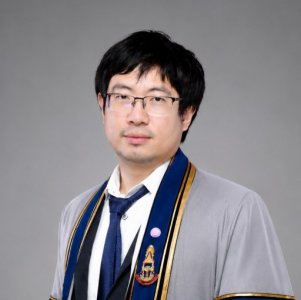
La Dra. Karla se especializa en cardiología intervencionista, con formación en el Departamento de Cardiología del Hospital Rajavithi.
Stem cell therapy for heart disease in Thailand carries risks like heart muscle bleeding, immune rejection, and tumour formation. Many treatments are experimental or unregulated, increasing uncertainty about safety and long-term effects. Accredited cardiac centres in Bangkok and Phuket may offer better oversight.
Bookimed Expert Insight: Clinics like The Demarest Clinic use Ministry-sanctioned allogeneic stem cell therapy with controlled lab protocols, showing improved safety. Senior Cardiologist Dr Ratanapunt Incharoensakdi in Bangkok has performed 5,000+ cardiac stem treatments. This shows experienced specialists focus on careful patient selection and oversight. Higher-rated Bangkok centres tend to have established cardiac teams and better success rates.
Patient Consensus: Patients report many Thai stem cell therapies lack scientific proof and may cause serious risks like tumours or immune reactions. Those who chose accredited centres felt safer but stress verifying clinical evidence first. Most recommend consulting a local cardiologist and avoiding treatments outside approved clinical trials.
Stem cell therapy for heart disease in Thailand mainly uses autologous mesenchymal stem cells from fat tissue. Clinics also apply lab-grown umbilical cord and cerebellum-derived mesenchymal stem cells, combined with platelet-rich plasma. These treatments are experimental and not yet proven effective for heart repair.
Bookimed Expert Insight: Most Thai clinics focus on autologous MSCs from fat, as they offer easier harvesting and lower rejection risks. The Demarest Clinic uses Thailand’s first Health Ministry-approved allogeneic stem cell therapy, blending umbilical cord and amniotic MSCs, showing a commitment to research-backed protocols uncommon elsewhere in Thailand.
Patient Consensus: Australian patients find these treatments experimental and urge caution. Most agree traditional cardiology remains best. Stem cell therapy in Thailand is seen as hopeful but unproven, with clinical trials abroad preferred for safer, monitored care.
Stem cells for heart disease in Thailand are mainly given by intravenous (IV) infusion, allowing cells to reach the heart through blood flow. Some clinics experiment with inhalation methods, but IV remains the key delivery approach. This treatment targets regenerating damaged heart tissue with cells from umbilical cord or bone marrow.
Bookimed Expert Insight: Thailand’s stem cell clinics focus on non-invasive IV infusion, making the procedure more accessible. Clinics like The Demarest Clinic in Phuket use AABB-certified cell culture processes and lab-led activation, offering a quality edge. Bangkok's Longa Heart Health Medical Center combines stem cell therapy with heart care innovations, showing rising integration of regenerative and cardiology treatments.
Patient Consensus: Patients recommend checking the exact delivery method and cell type before treatment. Thai centres treat many international patients, with clear communication and cardiologist consultations emphasised for best results.
Stem cell therapy packages for heart disease in Thailand typically include diagnostics, multiple stem cell injections, and hospital monitoring. Clinics often use umbilical cord-derived allogeneic cells prepared over about five days. Treatments may require three sessions with IV or muscular injections, plus specialised follow-up and support.
Bookimed Expert Insight: Thailand’s stem cell centres like The Demarest Clinic lead with allogeneic umbilical cord cells, offering up-to-date protocols and AABB-certified processing. Packages often exclude spinal injections or long hospital stays, so confirming what’s included is key. Bangkok clinics also blend regenerative care with cardiac rehab, giving more holistic recovery options.
Patient Consensus: Patients value Thailand’s advanced cell techniques but advise checking exactly what treatments and sessions are included. Many found treatments took about five days for cell prep, with multiple sessions needed. Australian patients recommend discussing plans with local cardiologists before travel.
Thailand ensures stem cell quality for heart disease through strict regulations, GMP-certified labs, and clinical evaluations. Facilities like The Demarest Clinic use AABB-certified processes for culturing and preserving cells. Ongoing pharmacovigilance tracks treatment safety and effectiveness under Health Ministry oversight.
Bookimed Expert Insight: Clinics with lab certifications like AABB signal better stem cell quality control. The Demarest Clinic in Phuket stands out for using updated global protocols and satellite labs dedicated to cellular treatments, a big plus for Australians wanting reliable regenerative care in Thailand.
Patient Consensus: Australians value treatment transparency and lab standards but warn about scarce public quality control data. Many recommend reviewing peer-reviewed research and discussing stem cell purity with local doctors before travelling to Thailand.
Stem cells for heart disease treatment in Thailand are stored in cryogenic facilities at around -196°C, maintaining their viability for 21 years or longer. Leading clinics and banks in Bangkok and Phuket use liquid nitrogen tanks with strict quality checks to preserve stem cells.
Bookimed Expert Insight: Many Thai centres offering stem cell therapy combine clinical services with direct control over storage, like The Demarest Clinic’s on-site lab in Phuket. This setup ensures fresher cells and tighter quality checks. Australian patients should ask for certification and clinic-specific storage details before booking.
Patient Consensus: Patients say Thai clinics provide professional, carefully monitored stem cell storage. They recommend confirming storage methods and treatment phases, especially since heart disease stem cell therapy can be experimental in Thailand.
Smoking and drinking alcohol are strongly discouraged during stem cell therapy for heart disease in Thailand. Tobacco and alcohol harm stem cell activity and slow healing. This risks the therapy’s success. Most clinics recommend avoiding both at least 48 hours before and 72 hours after treatment.
Bookimed Expert Insight: Thailand’s leading stem cell clinics, like The Demarest Clinic, use up-to-date protocols from global research and strictly control lifestyle factors. Patients gain better results when following pre-treatment restrictions on smoking and alcohol for safer cell engraftment and recovery.
Patient Consensus: Patients in Thailand say avoiding smoking and alcohol helped them heal faster and protect heart function. Many highlight clear clinic instructions and lifestyle tips that supported a smooth recovery process.