Puente dental provisional en Tailandia — encuentre las 3 mejores clínicas con costos


Revisado médicamente por
Fahad Mawlood
Cómo funciona
¿Cuál es el precio de Puente dental provisional en Tailandia? Descubra ahora
De $500 / 18,500฿. Los precios varían según la clínica, la experiencia del dentista, la cantidad de unidades necesarias y los materiales utilizados para el puente temporal (acrílico o composite). En Estados Unidos, el costo promedio es de $580 / 21,500฿ (según la ADA). Esto significa que los precios de los puentes dentales temporales en Tailandia son aproximadamente un 14% más bajos que en EE. UU.
Las clínicas dentales tailandesas suelen incluir los honorarios del dentista, la fabricación del puente temporal, la colocación y un ajuste de seguimiento. En EE. UU., el precio a menudo cubre solo los honorarios del dentista; el trabajo de laboratorio, los ajustes y los seguimientos se facturan por separado. Siempre confirmar exactamente qué está incluido con la clínica antes de reservar.
Beneficios clave
- Consigue un puente dental temporal en Tailandia por un 60% menos que en los EE.UU.
- Opciones principales: zirconio, porcelana, y metal-cerámica.
- Revisión gratuita de fotos por un dentista para determinar la mejor opción de puente dental para ti.
- Garantía disponible en ofertas selectas.
- Acceso a ofertas exclusivas de clínicas tailandesas de $500.
| Tailandia | España | Estados Unidos | |
|---|---|---|---|
| Puente dental provisional | de $500 / 18,500฿ | ≈ $140 / 5,200฿ | ≈ $350 / 13,000฿ |
Descubra las mejores clínicas de Puente dental provisional en Tailandia: 6 opciones verificadas y Precios










Descripción general de Puente dental provisional en Tailandia
- Puente dental provisional - de $500Esta terapia consiste en un reemplazo de dientes provisional, facilitando la funcionalidad y la estética hasta la colocación de un puente permanente.
Día 1
- Llegada al país y traslado al hotel.
- Consulta programada con cirujano maxilofacial.
Dia 2
- Se realizan pruebas médicas preparatorias.
- Cirujano explica el procedimiento del puente dental temporal.
Día 3
- El paciente está preparado para el procedimiento dental.
- Se administra anestesia local antes del proceso.
Día 4
- Se coloca un puente dental temporal, generalmente toma de 1 a 2 horas.
- Se realizan controles postoperatorios.
Dia 5
- Consulta postoperatoria con el cirujano para evaluar la recuperación.
- Traslado de la clínica al hotel.
Semana 1
- El paciente debe seguir una dieta blanda durante un par de días.
- Se recomienda la limpieza periódica del puente.
Semana 2
- El regreso al trabajo es posible en esta etapa, con precauciones.
- Las actividades regulares se pueden reanudar con cuidado.
Semana 4
- El resultado final generalmente se ve después de un mes de procedimiento.
Tenga en cuenta que cada caso es individual y puede variar.
- Depósito de Bookimed: 200 $ o 200 €.
- Depósito de la clínica: Pague un porcentaje fijo por adelantado.
Como plataforma líder mundial de turismo médico, tenemos una gran responsabilidad ante nuestros clientes, tanto pacientes como centros médicos. Toda la información proporcionada en Bookimed.com se basa en la investigación, la previsión y la experiencia y cumple con un alto interés relacionado con el producto y sigue:
Sistema inteligente de clasificación automática
Formamos nuestros listados de clínicas y médicos con estrictas regulaciones de nuestro sistema inteligente de clasificación automática. El sistema se basa en tarifas de pacientes reales de Bookimed para proporcionar la información más objetiva y transparente sobre las clínicas y los servicios médicos allí.
Nuestro experimentado científico de datos de Tailandia recopila datos a diario, supervisa y optimiza el sistema de clasificación mediante el aprendizaje automático y la inteligencia artificial para garantizar que el sistema de clasificación esté actualizado y proporcione resultados precisos.
Solo la experiencia de personas reales
Recopilamos las opiniones de los clientes de Bookimed solo después de obtener experiencia médica con la clínica, para que todos en la plataforma puedan confiar en el centro que elijan. Nos esforzamos por hacer que el contenido de nuestra plataforma sea lo más útil posible y garantizamos la libertad de expresar opiniones críticas. Así, publicamos críticas positivas y negativas, con el objetivo de ser una fuente para la toma de decisiones informadas para nuestros futuros clientes.
Temas con altos niveles de experiencia, autoridad y confiabilidad
En Bookimed.com de Tailandia, puede encontrar opciones y conveniencia para encontrar las mejores soluciones médicas de los mejores proveedores de servicios médicos en un solo lugar y, a menudo, a precios competitivos. Asegurándose de brindar la información más actualizada, los representantes de la clínica actualizan los CV de los médicos, las capacidades de las clínicas, las fotos de antes y después, los precios, los paquetes y las ofertas especiales en breve. Puede reunirse con el representante de la clínica y verificar la fecha del contenido actualizado en la página de cada clínica para asegurarse de su confiabilidad.
Nuestro blog y artículos de apoyo son creados por autores profesionales con al menos 3 años de experiencia en redacción médica y editados por especialistas médicos con experiencia clínica y de investigación relevante, todos reclutados cuidadosamente para el equipo. Nos esforzamos por mejorar el acceso de los pacientes a la información de salud, haciéndola experta pero fácil de entender. Todas las piezas siguen las Directrices Editoriales de Bookimed.
Valores reservados
Estamos hechos de personas y para personas, y ese es nuestro valor fundamental. Es por eso que todos los datos presentados en la plataforma son recopilados, editados, revisados y actualizados regularmente por nuestros pacientes, nuestras clínicas asociadas y nuestro equipo, incluido el Consejo Asesor Médico de Bookimed, que consta de médicos de renombre mundial con experiencia valiosa sobre 20 años de práctica y una reputación positiva. Conozca más sobre nosotros y nuestra misión .
En caso de que encuentre algún error o tenga alguna pregunta sobre la información presentada en Bookimed.com de Tailandia, no dude en contactarnos en marketing@bookimed.com .
Obtenga una evaluación médica para Puente dental provisional en Tailandia: Elija su especialista entre los mejores en el campo
Ver todos los médicos
Pawak Tungthangthum
El Dr. Pawak Tungthangthum cuenta con más de 17 años de experiencia dental, formado en EE. UU. y Tailandia, y especializado en odontología restauradora e implantología.
- Jefe del Departamento Dental en el Hospital Bangkok Chiang Mai
- Formado en la Escuela de Odontología de Los Ángeles en implantología avanzada
- Miembro de la Asociación Dental Americana
- Especializado en odontología restauradora estética e implantología

Kitcha Tungthangthum
Con _doctor_3266_ años de experiencia, el Dr. Kitcha Tungthangthum es un distinguido cirujano dental especializado en puentes dentales temporales en su propia clínica, Kitcha Dental Clinic.
- Fundador y profesional principal en Kitcha Dental Clinic
- Graduado como Doctor en Cirugía Dental (DDS) por la Universidad de Chiang Mai
- Especializado en una amplia gama de procedimientos dentales con una vasta experiencia

Panida Sathirasetthawi
Historias en video de pacientes de Bookimed
Reseñas
Todas las reseñas

Compartir contenido
 Olena Sikoza
Preguntas frecuentes sobre Puente dental provisional en Tailandia
¿Duele ponerse un puente dental en Tailandia?
Colocarse un puente dental en Tailandia es indoloro durante el procedimiento porque los dentistas utilizan anestesia local y geles anestésicos. Los pacientes sienten una ligera presión en lugar de un dolor agudo. Las clínicas de élite en Bangkok y Chiang Mai utilizan técnicas de adormecimiento avanzadas y puentes temporales de material blando para garantizar la comodidad del paciente.
- Protocolo de anestesia: Los dentistas aplican gel anestésico antes de las inyecciones para eliminar la sensación del pinchazo de la aguja.
- Experiencia de tratamiento: Puede sentir vibraciones durante la preparación del diente, pero no dolor real.
- Recuperación postoperatoria: La sensibilidad leve o la sensación de mordida apretada suele durar de 1 a 2 días.
- Manejo del dolor: Los medicamentos de venta libre como el ibuprofeno controlan eficazmente cualquier molestia persistente menor.
- Ajustes inmediatos: Los cirujanos de la Clínica Dental Kitcha corrigen los bordes afilados o la irritación el mismo día.
Perspectiva del experto de Bookimed: Las clínicas dentales tailandesas como SmileBox y Kitcha priorizan una atmósfera tipo spa para reducir la ansiedad. Los datos muestran que los proveedores con más de 30 años de experiencia, como el Dr. Kitcha Tungthangthum, mantienen altas calificaciones de comodidad. Elegir clínicas con acreditac
¿Dolerá la preparación del diente?
La preparación de un diente para un puente dental temporal en Tailandia es prácticamente indolora gracias a la anestesia local. Los pacientes suelen sentir presión y vibraciones durante el proceso de remodelación, pero no un dolor agudo. La sensibilidad a las temperaturas frías o calientes después del procedimiento es común y suele durar aproximadamente 1 semana.
- Protocolo de anestesia: Los dentistas aplican un gel anestésico antes de las inyecciones locales para minimizar el pinchazo inicial de la aguja.
- Experiencia sensorial: Espere escuchar sonidos de taladro y sentir vibraciones mecánicas mientras se moldean los dientes pilares.
- Manejo del dolor: Las sensaciones de dolor se abordan inmediatamente solicitando anestesia local adicional al dentista.
- Fase de recuperación: La sensibilidad leve de las encías y la sensibilidad a la temperatura suelen desaparecer en un plazo de 2 a 3 días.
Perspectiva de expertos de Bookimed: Las mejores clínicas de Tailandia, como Kitcha Dental Clinic, aprovechan décadas de experiencia para mejorar la comodidad del paciente. El Dr. Kitcha Tungthangthum ha ejercido durante 45 años, garantizando precisión durante la etapa de limado. Los médicos expertos a menudo sellan los bordes temporales de forma extra suave. Este pequeño paso reduce significativamente la irritación de la lengua y evita que se acumulen re
¿Existen restricciones alimentarias mientras se lleva un puente provisional?
Los pacientes deben evitar alimentos pegajosos, duros o crujientes mientras llevan un puente provisional para evitar que se desprenda o sufra fracturas estructurales. Dado que clínicas como Kitcha Dental Clinic utilizan cemento provisional para facilitar su retirada, una fuerte presión al morder o la succión de alimentos como el caramelo y los frutos secos pueden comprometer fácilmente la restauración.
- Alimentos pegajosos: Evite el toffee, el chicle y los caramelos para evitar que el puente se desprenda de los dientes de anclaje.
- Texturas duras: Evite el hielo, los frutos secos y las zanahorias crudas para proteger el material acrílico de posibles grietas.
- Carnes duras: Sustituya el filete o la carne seca por pescado tierno o proteínas picadas para reducir la tensión.
- Panes con corteza: Evite los bagels y los bordes de pizza, ya que pueden engancharse y levantar los bordes del puente.
- Alimentos pigmentados: Limite el café y el curry, ya que los materiales de los puentes provisionales se manchan más rápido que la porcelana permanente.
Perspectiva del experto de Bookimed: Aunque se aplican normas globales, los pacientes en Tailandia deben ser especialmente cautelosos con el arroz glutinoso, un alimento básico local que imita la fuerza de tracción del caramelo. Los datos de proveedores de primer nivel como SmileBo
¿Cuánto tiempo durará mi puente dental temporal mientras estoy en Tailandia?
Un puente dental temporal en Tailandia suele durar de 4 a 8 semanas. Aunque algunos materiales acrílicos pueden funcionar durante varios meses, el consenso profesional sugiere que estos sustitutos no son para uso a largo plazo. A menudo se aflojan o se decoloran en 6 semanas debido al adhesivo temporal y al desgaste.
- Durabilidad del material: La mayoría utiliza resina acrílica diseñada solo para protección a corto plazo.
- Fuerza del adhesivo: El cemento temporal permite una fácil extracción, pero corre el riesgo de aflojarse con alimentos pegajosos.
- Tiempos de espera para implantes: Los puentes utilizados durante la curación de implantes deben durar de 4 a 6 meses.
- Tiempo de entrega típico: Los puentes permanentes en Bangkok generalmente requieren solo de 7 a 10 días.
Perspectiva del experto de Bookimed: Los datos muestran que las clínicas de alto volumen como Kitcha Dental Clinic y SmileBox mantienen mejores registros de longevidad. Sus más de 10,000 casos de pacientes anuales sugieren técnicas de cementación más refinadas. Esta experiencia es vital porque el 70% de los viajeros reportan necesitar ajustes dentro de las 6 semanas sin una aplicación adecuada.
Consenso de los pacientes: Muchos viajeros advierten que el arroz pegajoso y la comida callejera dura suelen desprender los puentes temporales. Los pacientes
¿Qué clínicas en Tailandia son populares para este procedimiento?
Las clínicas dentales populares en Tailandia para puentes temporales incluyen Thantakit International Dental Center, SmileBox Dental Clinic y Kitcha Dental Clinic. Estas instalaciones se especializan en tiempos de entrega rápidos de 1 a 2 días para puentes de acrílico o composite, que a menudo sirven como estabilización esencial durante las fases de curación de implantes dentales complejos.
- Thantakit Dental Center: El personal formado en EE. UU. ofrece precios transparentes y puentes temporales estéticos de alta calidad.
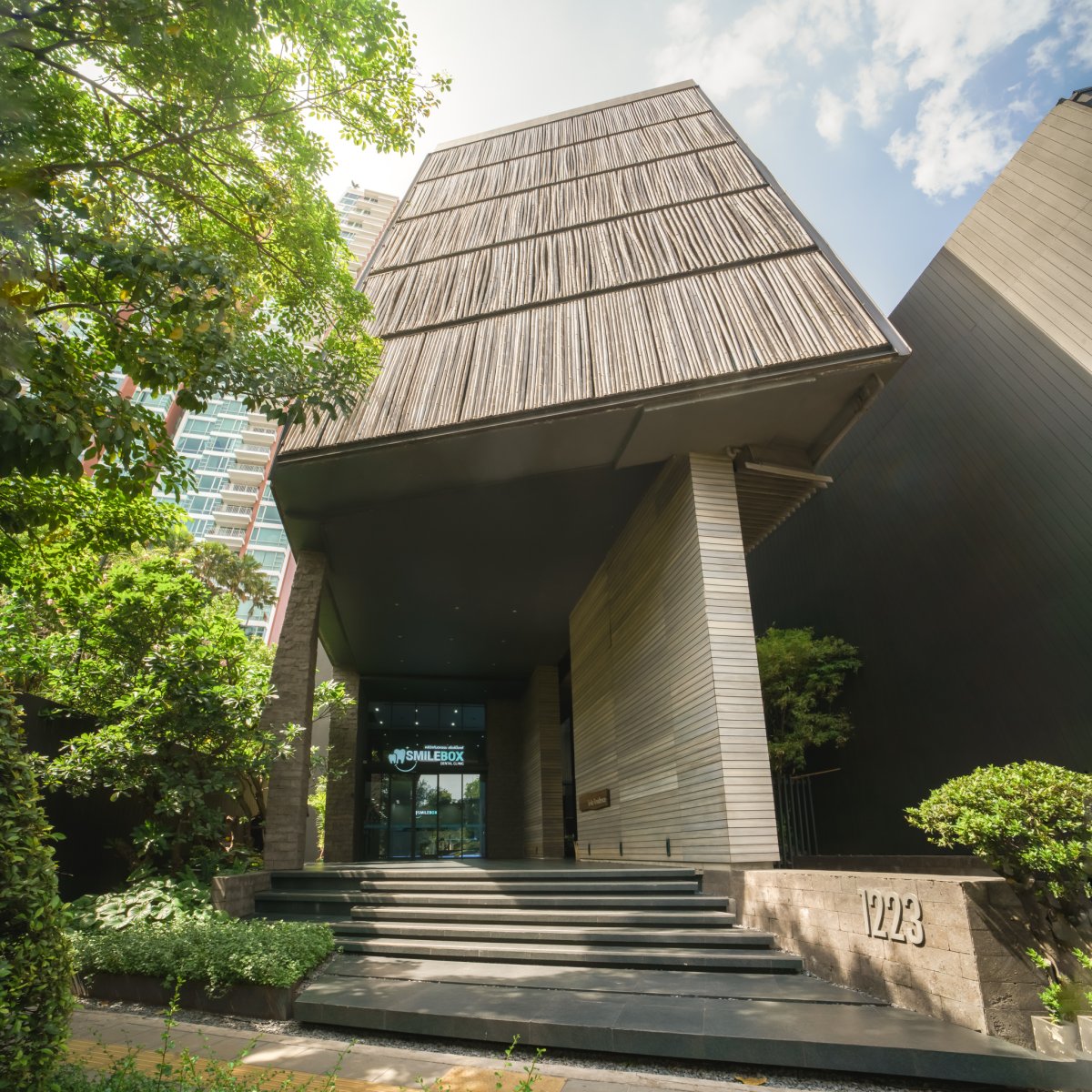
- SmileBox Dental Clinic: Esta clínica con sede en Sukhumvit utiliza instalaciones de última generación para pacientes adultos internacionales.
- Kitcha Dental Clinic: Ubicada en Chiang Mai, cuenta con estándares acreditados por la Asociación Dental Americana (ADA).
- Dr. Pawak Tungthangthum: Un especialista formado en EE. UU. en la Clínica Kitcha con más de 10 años de experiencia.
Perspectiva del experto de Bookimed: Aunque muchos pacientes se centran en Bangkok, los centros de Chiang Mai como Kitcha Dental Clinic atienden a más de 10,000 pacientes al año. Ofrecen los mismos estándares de la Asociación Dental Americana que las clínicas de la capital. Este volumen a menudo conduce a tiempos de respuesta de laboratorio más rápidos para prótesis temporales.
Consenso de los pacientes: Los pacientes enfati
¿Cuál es el propósito de usar un puente temporal durante mis vacaciones dentales?
Un puente dental temporal en Tailandia protege los dientes preparados de la sensibilidad mientras se fabrica su restauración permanente. Mantiene la estética de su sonrisa, evita que los dientes naturales se desplacen y preserva la alineación de su mordida. Este dispositivo provisional suele durar de 3 a 6 semanas hasta que se coloca su puente definitivo.
- Protección dental: Protege la dentina expuesta de la sensibilidad térmica y la posible contaminación bacteriana durante el viaje.
- Estabilidad posicional: Evita que los dientes adyacentes se desplacen hacia los huecos para garantizar un ajuste final perfecto.
- Restauración estética: Proporciona confianza inmediata con materiales de resina PMMA que imitan el color natural de los dientes.
- Prueba funcional: Permite probar su habla y la mecánica de su mordida antes de que el laboratorio finalice la versión permanente.
Perspectiva del experto de Bookimed: Las clínicas tailandesas como Kitcha Dental Clinic a menudo utilizan PMMA de alta calidad porque resiste mejor las manchas que los acrílicos estándar. De $500. Esta pequeña inversión evita el alto costo de volver a preparar los dientes desplazados al regresar a casa.
Consenso de los pacientes:
¿Cómo debo cuidar mi puente provisional para que se mantenga seguro mientras estoy en Tailandia?
Mantenga su puente provisional en Tailandia evitando alimentos pegajosos como el arroz pegajoso con mango o carnes masticables. Utilice una higiene bucal suave, cepillándose manualmente con un cepillo de cerdas suaves. Nunca tire del hilo dental hacia arriba a través del punto de contacto, ya que este error común desprende fácilmente el cemento dental temporal.
- Restricciones dietéticas: Evite los cacahuetes crujientes en el Pad Thai y evite morder hielo duro en las bebidas.
- Técnica de masticación: Desplace toda la masticación fuerte al lado opuesto de la boca donde se encuentra el puente.
- Método de uso de hilo dental: Pase el hilo dental por debajo del puente y sáquelo lateralmente a través de la línea de las encías.
- Kit de emergencia: Lleve cemento dental temporal o adhesivo para dentaduras postizas para una fijación inmediata y a corto plazo si es necesario.
Perspectiva del experto de Bookimed: Aunque clínicas como la Kitcha Dental Clinic en Chiang Mai cuentan con veteranos de 45 años como el Dr. Kitcha Tungthangthum, la mayoría de los fallos de los provisionales ocurren durante los recorridos de comida callejera. Los datos del mundo real muestran que la alta humedad y las temperaturas de la comida picante pueden ablandar los adhesivos temporales más rápido que en climas más frescos. Solicite siempre un cemento temporal un poco más fu