Puente dental provisional en España — obtén 3 clínicas con costos


Revisado médicamente por
Fahad Mawlood
¿Cuál es el precio de Puente dental provisional en España? Descubra ahora
El coste de un puente dental temporal en España suele oscilar entre $140 y $300. El precio depende del material del puente (acrílico o composite), la cantidad de dientes ausentes y la experiencia del dentista. En Estados Unidos, el coste medio es de $580 (según datos de la ADA). Esto significa que los puentes dentales temporales en España son aproximadamente un 62% más económicos que en EE. UU.
Las clínicas españolas suelen incluir en el precio la consulta inicial, las impresiones, el puente temporal, la colocación y una visita de control. En EE. UU., el precio indicado suele cubrir solo el puente, mientras que las impresiones, la colocación y las visitas de control se facturan por separado. Siempre confirmar qué está incluido en la clínica elegida.
| España | Estados Unidos | México | |
|---|---|---|---|
| Puente dental provisional | ≈ $140 | ≈ $350 | de $440 |
Sus beneficios y garantías con Bookimed
Precios directos
Bookimed no añade cargos adicionales a los precios de Puente dental provisional. Las tarifas proceden de las listas de precios oficiales de las clínicas. Pagará directamente en la clínica por su Puente dental provisional a su llegada al país.
Sólo clínicas y médicos verificados
Bookimed está comprometido con su seguridad. Solo trabajamos con las clínicas que mantienen altos estándares internacionales en Puente dental provisional y tienen las licencias necesarias para atender a pacientes internacionales en todo el mundo.
Asistencia 24/7 gratuita
Bookimed ofrece asistencia experta gratuita. Un coordinador médico personal le apoya antes, durante y después del tratamiento, resolviendo cualquier problema. Nunca estará solo en su viaje médico de Puente dental provisional.

Su coordinador médico personal de Bookimed
- Le apoya en cada etapa
- Ayuda a elegir la clínica y el médico adecuados
- Asegura un acceso rápido y conveniente a la información
Descubra las mejores clínicas de Puente dental provisional en España: 1 opciones verificadas y Precios


Descripción general de Puente dental provisional en España
- Puente dental provisional - de $140Esta terapia consiste en un reemplazo de dientes provisional, facilitando la funcionalidad y la estética hasta la colocación de un puente permanente.
Día 1
- Llegada al país y traslado al hotel.
- Consulta programada con cirujano maxilofacial.
Dia 2
- Se realizan pruebas médicas preparatorias.
- Cirujano explica el procedimiento del puente dental temporal.
Día 3
- El paciente está preparado para el procedimiento dental.
- Se administra anestesia local antes del proceso.
Día 4
- Se coloca un puente dental temporal, generalmente toma de 1 a 2 horas.
- Se realizan controles postoperatorios.
Dia 5
- Consulta postoperatoria con el cirujano para evaluar la recuperación.
- Traslado de la clínica al hotel.
Semana 1
- El paciente debe seguir una dieta blanda durante un par de días.
- Se recomienda la limpieza periódica del puente.
Semana 2
- El regreso al trabajo es posible en esta etapa, con precauciones.
- Las actividades regulares se pueden reanudar con cuidado.
Semana 4
- El resultado final generalmente se ve después de un mes de procedimiento.
Tenga en cuenta que cada caso es individual y puede variar.
- Depósito de Bookimed: 200 $ o 200 €.
- Depósito de la clínica: Pague un porcentaje fijo por adelantado.
Obtenga una evaluación médica para Puente dental provisional en España: Elija su especialista entre los mejores en el campo
Ver todos los médicos
Dr Alaa Ghuzlan
La Dra. Alaa Ghuzlan es odontóloga con más de 10 años de experiencia. Ha tratado a miles de pacientes en varios países. Cuenta con una especialización en implantología dental de la Universidad de Barcelona. Continúa formándose para ofrecer tratamientos actualizados.
Su consulta utiliza radiología 2D y 3D y un escáner intraoral 3D. Estas herramientas mejoran la experiencia del paciente y agilizan los flujos de trabajo. También permiten ofrecer una atención más rápida.
Historias en video de pacientes de Bookimed
Reseñas
Todas las reseñasCompartir contenido
 Olena Sikoza
Preguntas frecuentes sobre Puente dental provisional en España
¿Qué es un puente dental temporal y por qué lo necesito?
Un puente dental temporal es una prótesis provisional de resina o acrílico que se coloca mientras el laboratorio fabrica su restauración permanente. Protege los dientes pilares tallados de la sensibilidad, evita que los dientes adyacentes se desplacen y mantiene las funciones normales de habla y masticación durante el período de espera de 2 a 4 semanas.
- Protección dental: Protege la dentina expuesta de la caries y la sensibilidad térmica tras la preparación.
- Mantenimiento del espacio: Asegura que los dientes vecinos no se inclinen ni se desplacen hacia el hueco.
- Restauración funcional: Permite una dicción clara y una masticación cómoda antes de la colocación definitiva.
- Apariencia estética: Rellena el hueco de la sonrisa utilizando cemento temporal y resina de aspecto natural.
Opinión del experto de Bookimed: España atrae a pacientes gracias a herramientas de diagnóstico de alta tecnología como los escáneres intraorales 3D utilizados por especialistas como el Dr. Alaa Ghuzlan. Estas impresiones digitales aseguran que los puentes temporales encajen a la perfección. Esta precisión reduce el tiempo en el sillón y previene la irritación de las encías que suele aparecer con los moldes de masilla tradicionales.
Consenso de los pacientes: Los pacientes destacan la importancia de comprobar si los dientes temporales están
¿Cuánto tiempo llevaré el puente temporal?
En España, los pacientes llevan un puente dental temporal de 2 a 3 semanas para casos de restauración sin implantes. Para procedimientos con soporte de implantes como All-on-4, el puente temporal permanece en su lugar de 3 a 12 meses para proteger el sitio durante la curación ósea crucial y la osteointegración.
- Duración de la restauración: Los puentes simples requieren solo de 2 a 3 semanas para su fabricación en laboratorio.
- Protocolo de implantes: Los puentes temporales protegen los sitios quirúrgicos durante 3 a 12 meses después de la implantación.
- Recuperación tras extracción: Las extracciones complejas requieren de 10 a 12 semanas para la estabilización del tejido gingival.
- Necesidad de seguimiento: Los pacientes deben usar el temporal hasta que llegue la restauración final hecha a medida.
Opinión del experto de Bookimed: Las clínicas españolas como Clinica Dental Raices utilizan escáneres intraorales 3D avanzados para garantizar un ajuste preciso. Si bien los puentes simples son rápidos, los temporales con soporte de implantes son herramientas estructurales. Mantienen la estética de su sonrisa mientras el titanio se integra con el hueso de la mandíbula durante varios meses.
Consenso de los pacientes: Muchos encuentran que la fase temporal es más larga de lo esperado para los implantes, pero aprecian la mejo
¿Qué debo hacer si mi puente temporal está flojo?
Comuníquese con su dentista de inmediato para volver a colocar el aparato de manera profesional. Un puente flojo puede permitir que los dientes circundantes se desplacen. Este movimiento podría evitar que su corona permanente encaje correctamente más adelante. Evite masticar por ese lado y absténgase de usar pegamentos no dentales para arreglarlo.
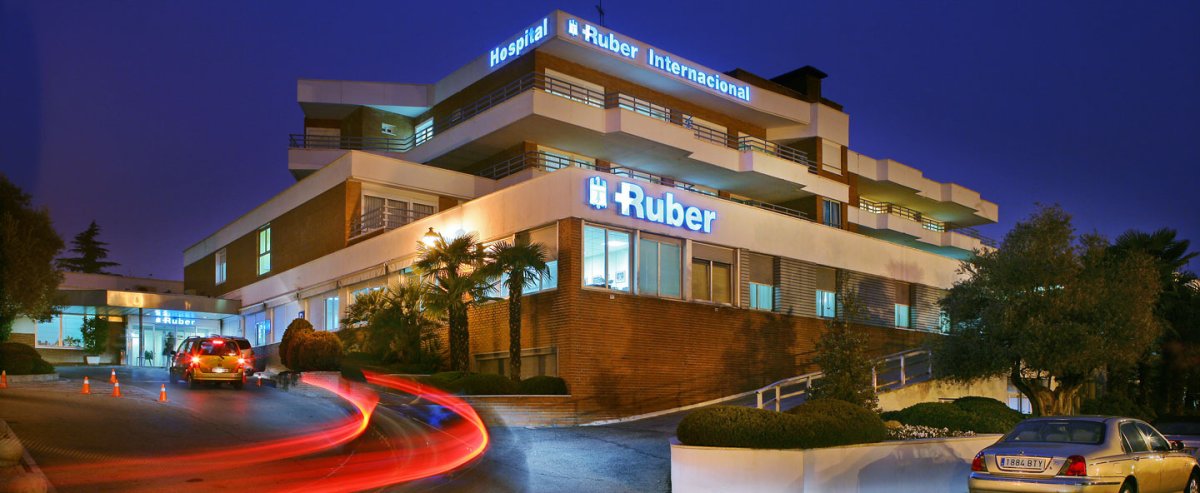
- Contacto inmediato: Comuníquese con Clinic Dental Raices o Hospital Ruber Internacional para obtener ayuda.
- Reajuste temporal: Use pasta de dientes o cemento dental temporal para mantener el puente en su lugar.
- Higiene bucal: Limpie el puente y los dientes subyacentes suavemente para evitar la irritación de las encías.
- Medidas de protección: Use un protector nocturno si rechina los dientes para evitar que se afloje.
Perspectiva del experto de Bookimed: Las clínicas españolas como el Hospital Ruber Internacional mantienen altos estándares utilizando protocolos certificados por la JCI. Si su puente temporal sigue aflojándose, a menudo indica márgenes deficientes. Especialistas calificados como el Dr. Alaa Ghuzlan utilizan escáneres 3D para garantizar que el puente final encaje perfectamente. Esta precisión evita el problema común de falla del adhesivo temporal que se observa en las clínicas estándar.
Consenso de los pacientes: Los pacientes sugieren limpiar el puente a fo
¿Puedo comer normalmente con un puente provisional?
No, no puede comer normalmente con un puente dental provisional. Estas restauraciones utilizan cemento provisional débil y resinas acrílicas frágiles. Este diseño garantiza una fácil extracción posterior, pero hace que el puente sea susceptible a agrietarse o desprenderse durante el período de espera de 2 a 3 semanas en España.
- Evite los alimentos pegajosos: Evite el caramelo, las golosinas gomosas o los plátanos que puedan tirar del puente.
- Limite las texturas duras: El pan crujiente, los frutos secos y las patatas fritas pueden fracturar fácilmente el material provisional.
- Masticación bilateral: Mastique exclusivamente en el lado opuesto para minimizar la presión directa.
- Enfoque en dieta blanda: Elija pasta, huevos y arroz blando durante la fase inicial de recuperación.
Perspectiva del experto de Bookimed: Las clínicas españolas como Clinica Dental Raices utilizan escáneres intraorales 3D para garantizar un ajuste preciso de los provisionales. Incluso con escaneos de alta tecnología, el cemento provisional sigue siendo el eslabón más débil. Muchos pacientes olvidan que incluso los alimentos pegajosos «saludables» como los plátanos pueden crear suficiente succión para levantar el puente. Mantenga una dieta que solo requiera tenedor para proteger su sonrisa hasta que llegue la versión de porcelana permanente.
Consenso de
¿Son cómodos los puentes temporales en España?
Los puentes dentales temporales en España ofrecen una comodidad excelente gracias a los altos estándares de la odontología digital. Las clínicas utilizan escaneo 3D intraoral para garantizar un ajuste preciso y personalizado. Estos puentes protegen los dientes tallados, mantienen la alineación correcta de la mordida y restauran la apariencia estética durante su transición a la cerámica permanente.
- Precisión personalizada: Los escáneres 3D intraorales crean impresiones digitales precisas para un mejor ajuste.
- Materiales avanzados: Las resinas de alta calidad previenen la sensibilidad y proporcionan una sensación natural al comer.
- Alineación de la mordida: Los puentes se ajustan para mantener la función de la mandíbula y prevenir la tensión muscular.
- Experiencia clínica: Especialistas como el Dr. Alaa Ghuzlan en Clinica Dental Raices utilizan diagnósticos 3D.
Perspectiva del experto de Bookimed: Las clínicas españolas a menudo integran puentes temporales en protocolos All-on-4 o All-on-6. Este enfoque permite la función el mismo día mientras sus implantes sanan. Los pacientes ahorran 62% sobre los costos de EE. UU. mientras reciben atención en instalaciones acreditadas por JCI como el Hospital Ruber Internacional. El uso de la odontología digital reduce significativamente la sensación de volumen común en los modelos
¿Cuánto tiempo lleva obtener un puente temporal en España?
Los pacientes en España reciben un puente dental temporal dentro de 1 a 3 días después de la preparación. La mayoría de los dentistas colocan un provisional inmediatamente después de tallar los dientes pilares. Esta colocación inicial ocurre durante la primera cita para proteger las raíces de los dientes y mantener la apariencia estética.
- Duración del procedimiento: La visita de preparación y colocación dura de 60 a 120 minutos.
- Tiempo de fabricación: Los provisionales fresados a medida suelen tardar de 1 a 3 días en crearse en el laboratorio.
- Periodo de curación: La recuperación tras las extracciones requiere de 6 a 8 semanas antes de la colocación del puente definitivo.
- Cronograma a largo plazo: El proceso completo de restauración suele durar de 2 a 4 semanas en total.
Opinión del experto de Bookimed: Las clínicas de calidad en España, como el Hospital Ruber Internacional, utilizan escáneres intraorales 3D. El especialista Dr. Alaa Ghuzlan utiliza esta tecnología para garantizar que los provisionales encajen perfectamente. Esto evita la irritación de las encías que se observa comúnmente con los puentes temporales tradicionales hechos con moldes de masilla.
Consenso de los pacientes: Debe confirmar con antelación si el puente se coloca inmediatamente después de la extracción. Los pacientes enfatizan que la curac