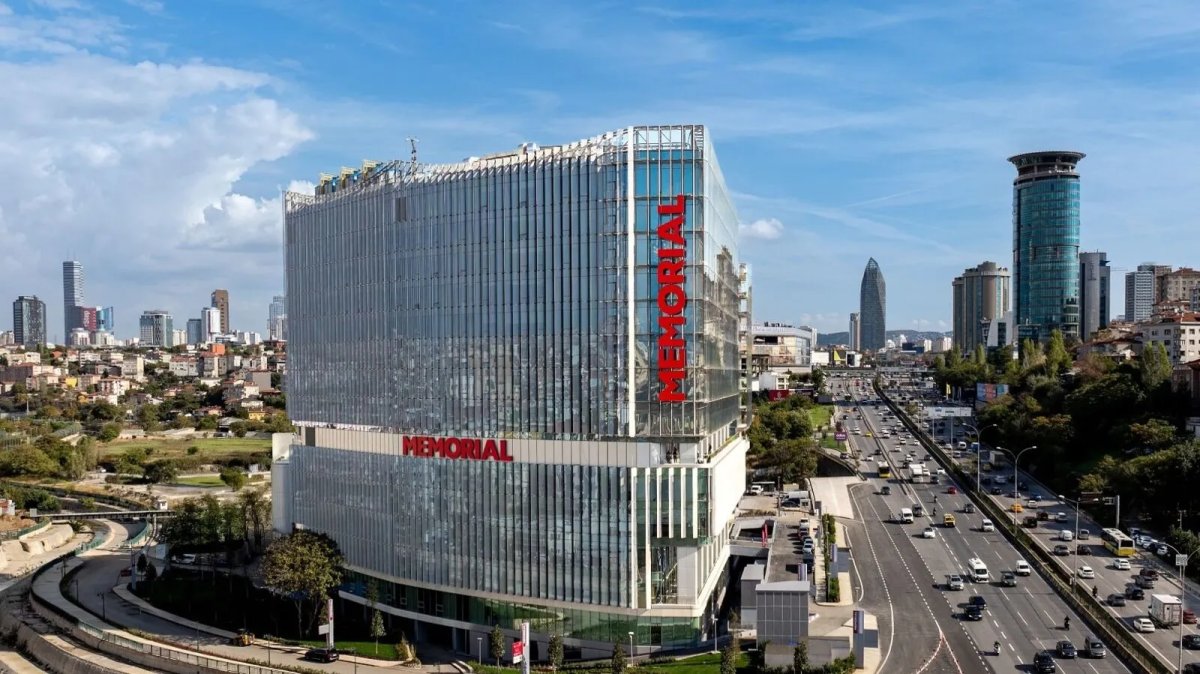
Dunyagoz Eye Hospital Istanbul Etiler
Turquía, Estambul
Fevzi Akkan
24 años de experiencia

Clínica certificada por : 



Revisado médicamente por
Fahad Mawlood





El doctor es especialista en enfermedades oculares con amplia experiencia en exámenes generales de los ojos, tratamientos de retina y diversas cirugías oculares, incluyendo cirugía de cataratas con reemplazo de LIO, cirugía de cataratas (un ojo), cirugía de cataratas con implante de lente multifocal, cirugía ocular LASIK, implantación de LIO, trasplante de retina, cirugía ocular ReLEx SMILE, cirugía ocular LASEK y cirugía ocular con láser.<\/p>
Reconocido por su trabajo innovador,
El doctor es un especialista en enfermedades oculares muy respetado con un enfoque en la oftalmología. Con una sólida base académica, el doctor ha completado becas en instituciones prestigiosas, incluyendo Moorfields Eye Hospital, University of California San Diego, Baylor College of Medicine y Doheny Eye Institute. <\/p>
El doctor es miembro activo de varias sociedades profesionales, como la Sociedad Turca de Oftalmología, la Sociedad Americana de Especialistas en Retina, la Acad

El doctor es un oftalmólogo altamente experimentado con más de dos décadas de experiencia profesional, habiendo realizado más de 30,000 cirugías oculares. Especializado en tratamientos de cataratas, queratocono, córnea, láser y presbicia, el doctor también contribuye activamente a la literatura científica, con más de 100 publicaciones en el campo.<\/p>
Graduado de la Facultad de Medicina Cerrahpaşa de la Universidad de Estambul y especializado en oftalmología en el Hospital de Ent
El Dr. Muhammet Derda Ozer es profesor asociado y oftalmólogo en su clínica acreditada por la JCI en Estambul. Completó una subespecialización en vítreo-retina en la Facultad de Medicina de la Universidad de Kansas. El Dr. Ozer ha realizado más de 25,000 procedimientos quirúrgicos durante su práctica clínica. Posee el certificado de Examen Avanzado del Consejo Internacional de Oftalmología.
 Olena Sikoza
La atrofia del nervio óptico es generalmente irreversible porque las fibras nerviosas muertas no pueden regenerarse. El enfoque del tratamiento se centra en detener la pérdida de visión adicional abordando las causas subyacentes. Las clínicas especializadas en Turquía utilizan evaluaciones de neurooftalmología e imágenes avanzadas para estabilizar la visión restante y prevenir daños adicionales.
Perspectiva del experto de Bookimed: Los hospitales oftalmológicos turcos a menudo manejan volúmenes de pacientes mucho mayores que los centros europeos. El hospital oftalmológico Dunyagoz trata a 66 000 pacientes cada año. Esta carga de casos masiva significa que los especialistas ven trastornos neurooftalmológicos raros a diario. A menudo pueden diagnosticar la causa raíz más rápido, lo cual es vital para salvar la visión restante.
Turquía ofrece atención avanzada para la atrofia del nervio óptico en instalaciones acreditadas por la JCI. Los pacientes acceden a evaluaciones de neurooftalmología, terapias con células madre y cirugías especializadas. Los centros líderes en Estambul integran diagnóstico por imagen como OCT y resonancia magnética para determinar la causa subyacente antes de comenzar el tratamiento.
Perspectiva del experto de Bookimed: El volumen de pacientes indica que centros oculares como Dunyagoz Etiler tratan a más de 66 000 pacientes al año. Esta alta frecuencia permite a los cirujanos especializarse en casos neurooftalmológicos raros que las clínicas generales ven con menos frecuencia. Elegir una clínica con un alto volumen quirúrgico suele garantizar un mejor acceso a las técnicas de lentes intraoculares o equipos láser más recientes.
Consenso de los pacientes: Los paciente
Los tratamientos para la atrofia del nervio óptico se centran en estabilizar la visión más que en la regeneración. Los efectos secundarios comunes incluyen la inmunosupresión por corticosteroides o la inflamación localizada por inyecciones de células madre. Los riesgos físicos como sangrado o infección están relacionados con los procedimientos quirúrgicos. El éxito depende de gestionar la causa subyacente de manera efectiva.
Opinión de experto de Bookimed: Los hospitales oftalmológicos turcos como Dunyagoz y Veni Vidi realizan más de 30.000 cirugías al año. Este alto volumen a menudo conduce a una mejor gestión de riesgos para casos complejos. Muchos pacientes eligen estos centros porque ofrecen diagnósticos avanzados como la tomografía de 512 cortes. Las imágenes de alta tecnología ayudan a los médicos a identificar la causa exacta y evitar procedimientos innecesarios.
Consens
La terapia con células madre para la atrofia del nervio óptico muestra efectividad en hasta el 83 % de los casos. Los especialistas turcos utilizan células autólogas de médula ósea o de cordón umbilical para estimular los tejidos nerviosos existentes. Este enfoque experimental tiene como objetivo mejorar la percepción de la luz y reducir la fatiga visual en lugar de restaurar la visión total por completo.
Opinión de experto de Bookimed: El volumen de pacientes es un indicador importante de la experiencia clínica en Turquía. El Hospital Oftalmológico Dunyagoz Estambul Etiler trata a 66.000 pacientes anualmente. Los centros de alto volumen a menudo brindan acceso a cirujanos especializados como el Dr. Yucel Ozturk. Ha realizado más de 30.000 casos quirúrgicos. Elegir especialistas tan experimentados puede ser más crítico para condic
Los pacientes internacionales en Turquía siguen un proceso estructurado que incluye la revisión remota de registros, la confirmación diagnóstica y una logística coordinada. Centros como el Anadolu Medical Center y el Hospital Memorial Şişli brindan atención acreditada por la JCI. El viaje generalmente comienza con el envío de escaneos para la evaluación de especialistas antes de que los pacientes viajen para tratamientos especializados.
Opinión de experto de Bookimed: Los datos muestran que Turquía domina como el principal destino para solicitudes médicas internacionales, atendiendo a más de 32.000 pacientes anualmente. Grandes redes como el Hospital Oftalmológico Dunyagoz gestionan a más de 60.000 pacientes cada año a través de subunidades altamente especializadas. Este alto volumen permite a las clínicas mantener op
La intervención temprana es vital para el tratamiento de la atrofia del nervio óptico en Turquía. Los especialistas enfatizan el tratamiento de la causa subyacente mientras aún exista visión residual. El éxito depende de abordar los problemas activos como la inflamación, la presión o los déficits vasculares. Una vez que la atrofia es completa, restaurar la visión perdida se vuelve significativamente más difícil.
Opinión de experto de Bookimed: Los datos muestran que centros de alto volumen como el Hospital Oftalmológico Dunyagoz tratan a 66.000 pacientes anualmente. Su experiencia sugiere que la estabilidad es el objetivo principal para los casos crónicos. Los pacientes deben buscar cirujanos como el Dr. Yucel Ozturk, quien ha realizado 30.000 cirugías. Los expertos con este volumen pueden identificar mejor qué casos realmente se benefician de la intervención.
Consenso del paciente: L